- Car
- Mercedes-Benz
- Mercedes-Benz 123
- Mercedes-Benz W 123 (38 offers)
Mercedes-Benz 123 W 123 For Sale
The Mercedes-Benz W 123 series, produced from 1976 to 1985, is a legendary classic in automotive history. With over 2.7 million units produced, the W 123 is the best-selling model from Mercedes-Benz. The series was developed in the early 70s, led by designers like Friedrich Geiger and Bruno Sacco. A testament to German engineering, the W 123 is synonymous with reliability and durability—qualities that give it a legendary status among classic car enthusiasts. It was available as a station wagon, known as the T-model, and as a coupé with a sleeker roofline. Several gasoline engines with carburetor or injection options were offered, but taxi drivers primarily chose diesel engines. Its successor, the W 124 series, introduced the E-Class name for these models in the executive mid-size segment.
Search results
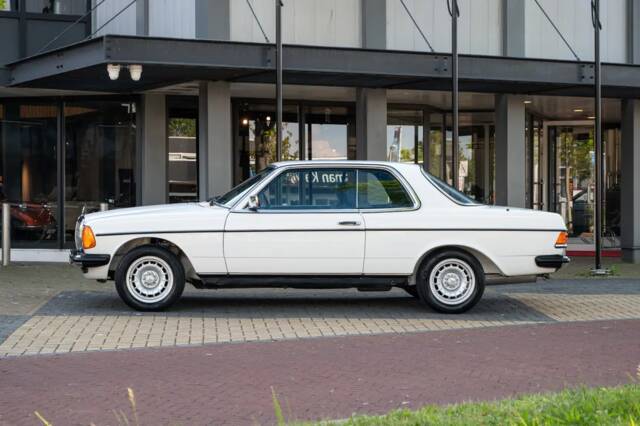
1982 | Mercedes-Benz 280 CE
280 CE with 53,400 km, Classic White and blue leather – according to the seller, largely original and mostly retaining its original paint

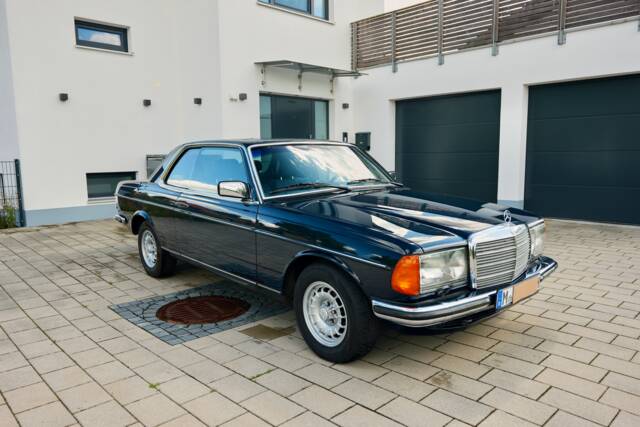
1983 | Mercedes-Benz 230 CE
24 years with the same owner, extensively documented, valuation report and numerous invoices available. 5-speed manual transmission and ABS

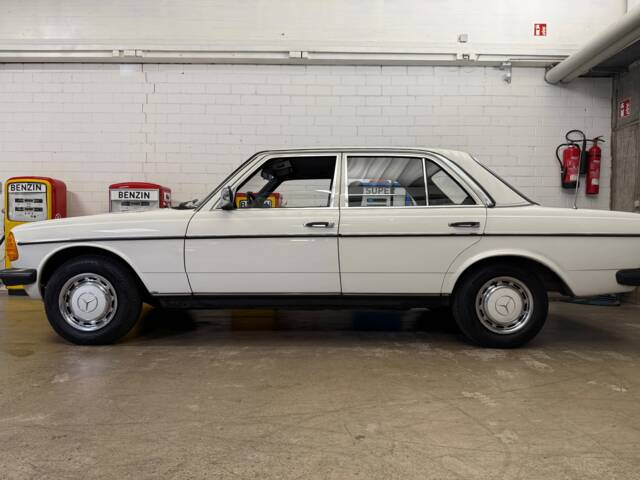
1983 | Mercedes-Benz 200
Mercedes-Benz 200
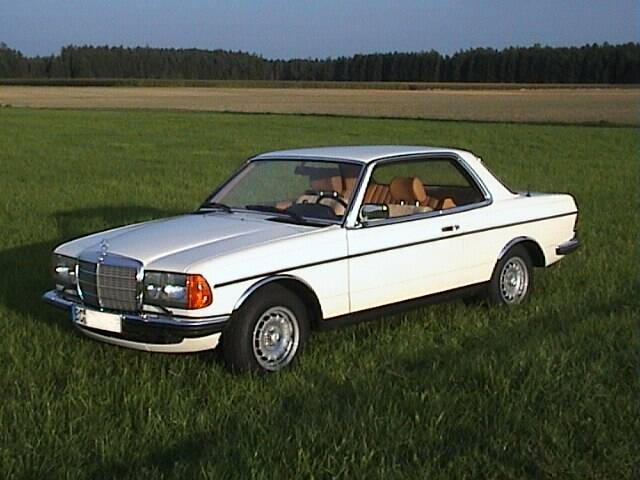
1980 | Mercedes-Benz 230 C
A great Car to buy
Newsletter
The best Mercedes-Benz listings, straight to your inbox
Get hand-picked Mercedes-Benz listings, plus the best of cars, motorbikes, and auctions on Classic Trader — all in one place.
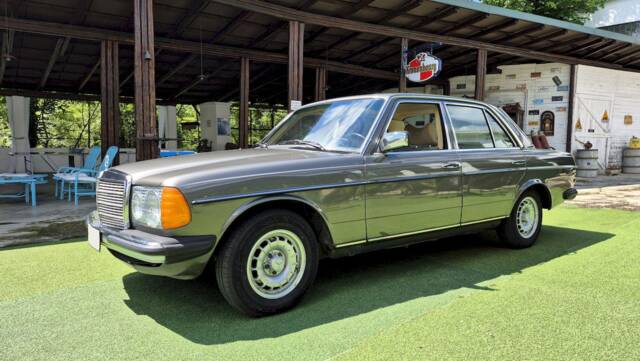
1980 | Mercedes-Benz 240 D
SUMMER PRICE 2026 @ CITY MOTORS

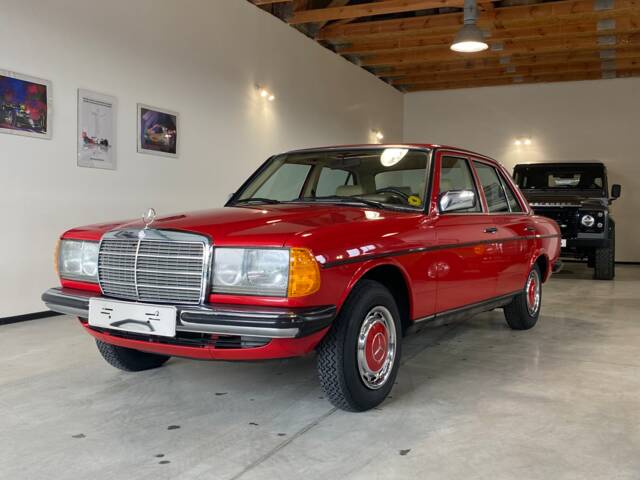
1983 | Mercedes-Benz 300 D
30.019km, 100% original paint, collector's condition

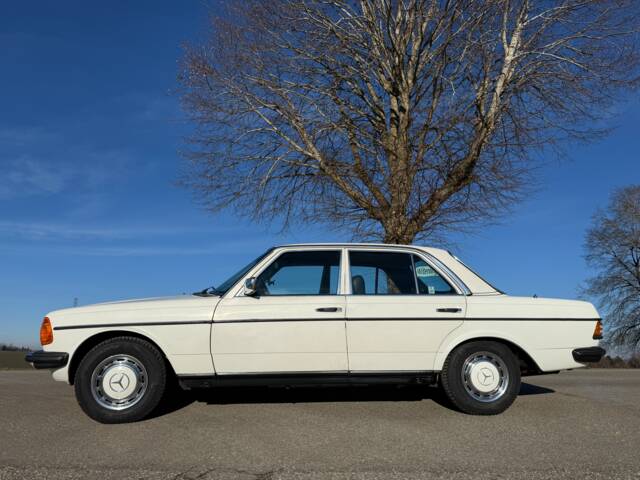
1981 | Mercedes-Benz 230 E
Mercedes Benz 280 E W123 aus zweiter Hand, gepflegter Klassiker ab MFK

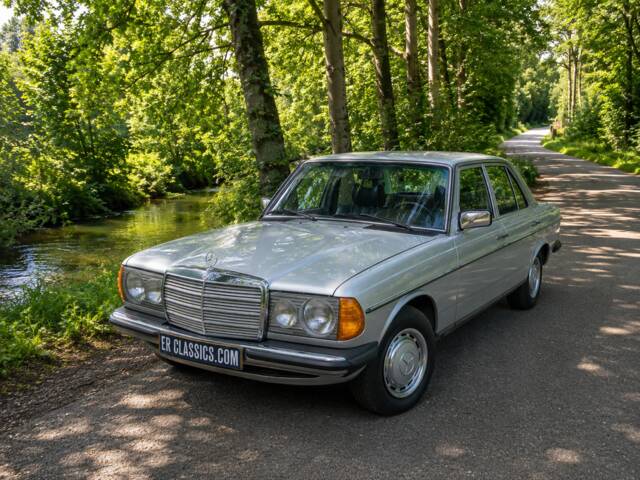
1978 | Mercedes-Benz 250
Mercedes-Benz 250 | 1978 | Route 66 Auctions - For sale by auction. Estimate 9000 EUR
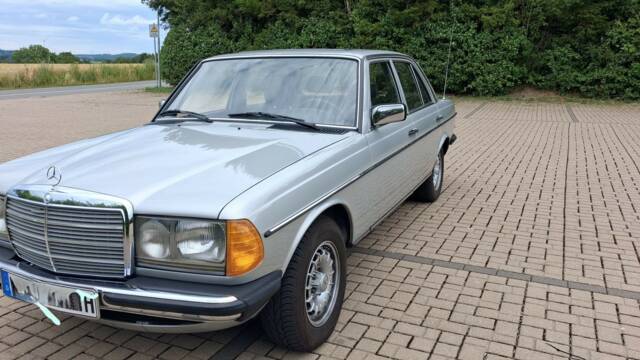
1984 | Mercedes-Benz 230 E
Mercedes- Benz W123 230E Astral Silver Metallic
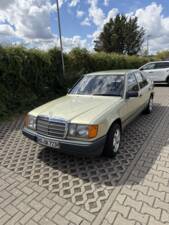
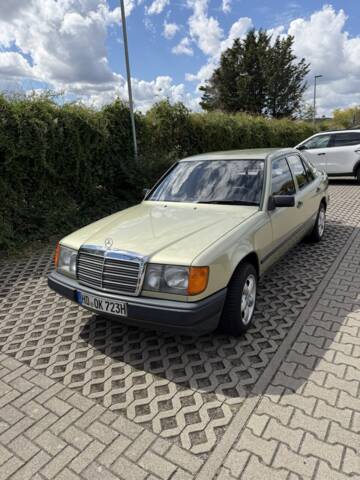
1984 | Mercedes-Benz 200 D
Mercedes-Benz W123 Diesel | Family Ownership | H Registration Plate | TÜV 11/27
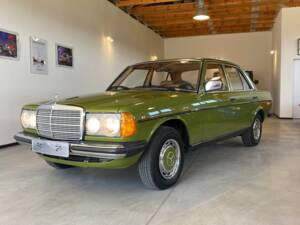
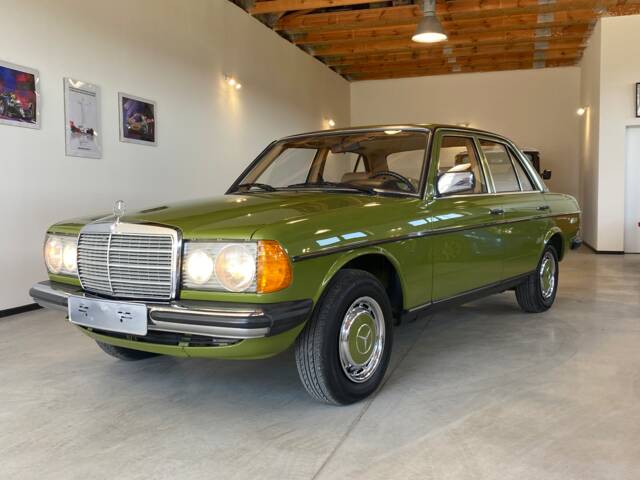
1981 | Mercedes-Benz 240 D
68.150km, agave green 880
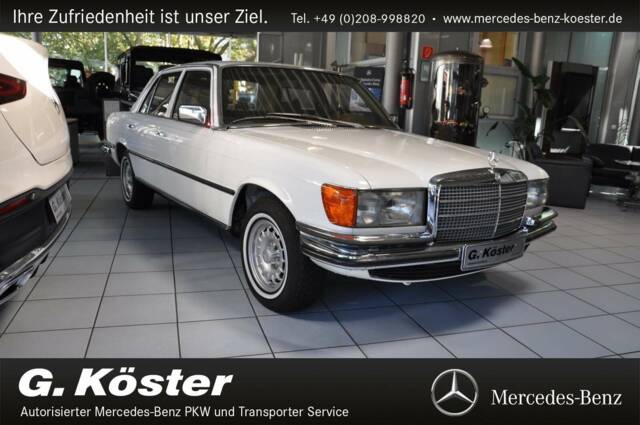
1978 | Mercedes-Benz 280
Mercedes-Benz 280
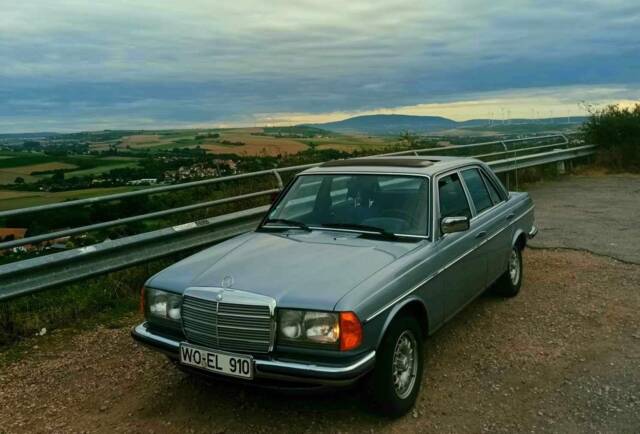
1982 | Mercedes-Benz 280 E
Mercedes-Benz 280 E W123 – Condition rating 1 according to appraisal – unrestored original condition – original paint
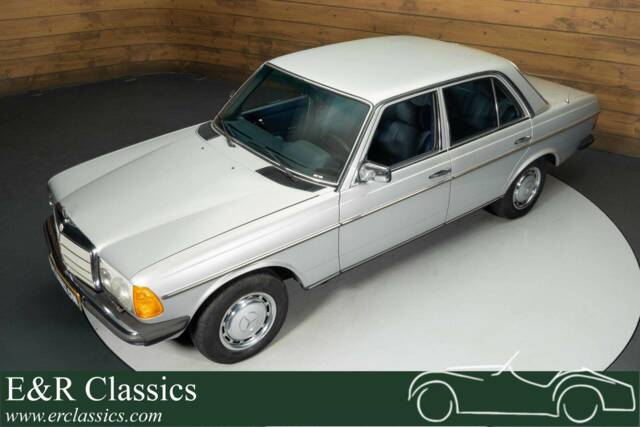
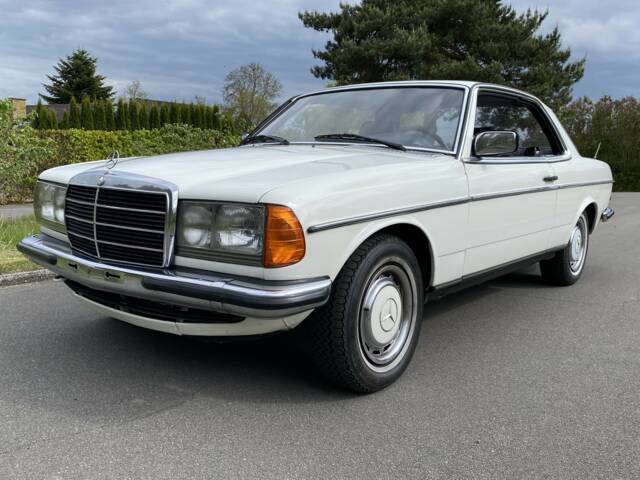
1978 | Mercedes-Benz 250
Mercedes-Benz 250

Mercedes-Benz 123 W 123 Classic Cars: Prices & Market Values
Features of the Mercedes-Benz 123 Series
The Mercedes-Benz W 123 series set new standards in vehicle safety with innovative crumple zones and a robust passenger safety cell. It was the first Mercedes available in a station wagon version, the T-model (S 123 series). The design concept took cues from the S-Class W 116 series but combined unique design elements. A notable feature was the optional passenger airbag from 1980. Despite changing demands, the W 123 still remains relevant: current figures show that the W 123 accounts for about 3.1% of all Mercedes vehicle ad views, highlighting its enduring popularity.
Technical Data of Mercedes-Benz W 123 Models
Weaknesses, Maintenance, and Reliability
The Mercedes W 123 is renowned for its reliable driving experience. However, like many classic cars, it can exhibit age-related issues over time. Common weaknesses include rust in jack mounts and door bottoms, occasional headlamp failures, and broken front suspension springs. Despite its robustness, the W 123 requires regular maintenance to stay in top condition, with rust protection being crucial to vehicle preservation.
Engine Performance and Driving Characteristics
The W 123 offered a wide range of performance options, from fuel-efficient models like the 240 D with 72 HP to the powerful 280 E with 185 HP. Rear-wheel drive and well-tuned suspension provide a comfortable driving experience that continues to be appreciated today. An added bonus is that unlike more modern vehicles, maintenance remains relatively straightforward thanks to its simple mechanics.
Interior and Design
The interior design and comfort of the W 123 symbolize the quality of Mercedes models from the 1970s and 1980s. The combination of high-quality materials, ergonomic design, and understated luxury was groundbreaking. Special features such as the steel sunroof and automatic climate control make the W 123 a practical classic for everyday use.
Conclusion
The Mercedes W 123 remains a sought-after vehicle in the classic car market. Its legendary reliability, top-notch craftsmanship, and timeless design ensure a secure place in automotive history. As a potential buyer, focus on finding a well-maintained example and be prepared to invest time and energy into securing a car in great condition.