- Car
- McLaren (5 offers)
Buy McLaren Classic Cars
McLaren combines Formula 1 thinking with carbon-fibre road cars, from the elemental F1 and long-tail racers to modern supercars. Find McLaren cars on Classic Trader and assess the details that matter in Australia: provenance, RHD specification, import compliance and state registration.
Search results


2023 | McLaren Artura
MCLAREN Artura Coupé V6 3.0 680 ch


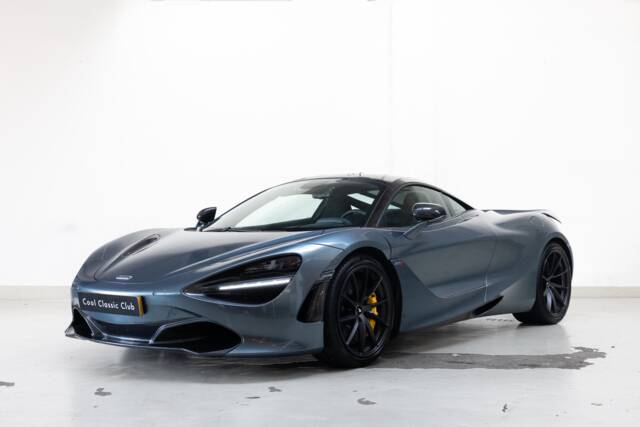
2018 | McLaren 720S
Saros Blue - Carbon - Low Mileage -

Auctions ending soon

Loading…
Loading…
Loading…
Loading…
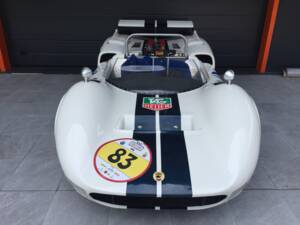
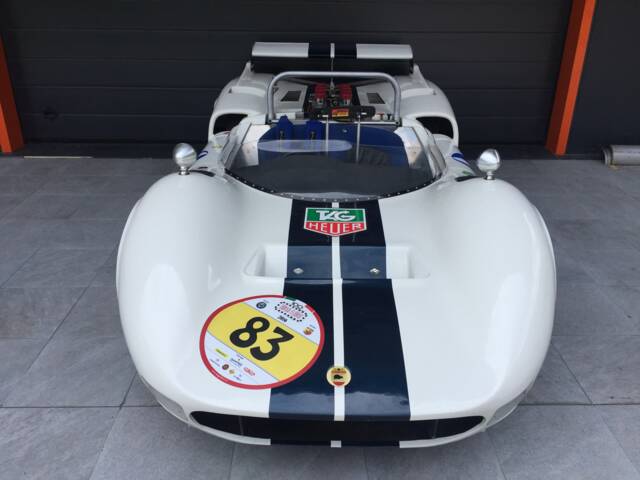
1967 | McLaren M1C
McLaren Elva M1C Can Am

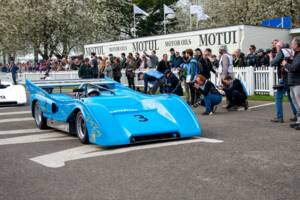
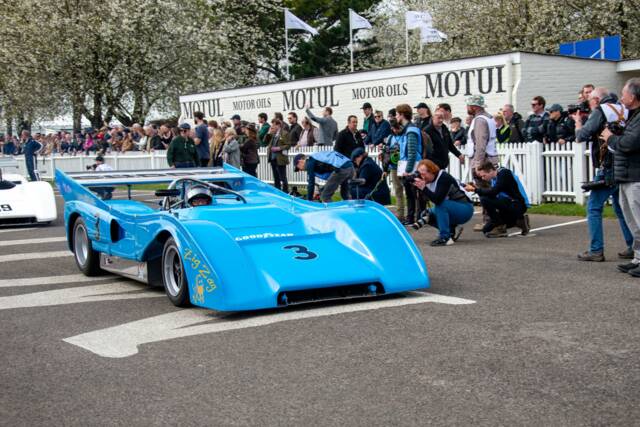
1972 | McLaren M8F
McLaren M8F “Cuddy”

Newsletter
The best McLaren listings, straight to your inbox
Get hand-picked McLaren listings, plus the best of cars, motorbikes, and auctions on Classic Trader — all in one place.
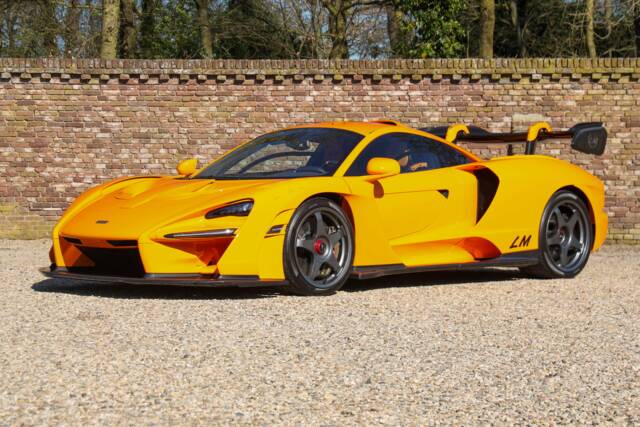
2020 | McLaren Senna LM
McLaren Senna LM "Papaya Orange with 727 kms" The tribute to a legendary Le Mans victory by McLaren Special Operations, One of only 20 "Senna's" manufactured, The Senna falls under the Hypercars category, MSO - "For those who seek something truly one-of-a-kind", Only 7 copies have been delivered in Papaya Orange, "If you want to play with legal road performance",
VAT is reclaimable
McLaren listing references from Classic Trader
Below you will find listings related to your search that are no longer available on Classic Trader. Use this information to gain insight into availability, value trends, and current pricing for a "McLaren" to make a more informed purchasing decision.

2015 | McLaren 650S Spider
1ST OWNER - 21% VAT DEDUCTIBLE

2016 | McLaren 675LT
McLaren 675LT "MSO-options" with delivery mileage! Recently fully serviced and inspected by the authorized dealer,The first owner ordered it in Pearl White (Elite Paint) with Almond White leather/Carbon Black Alcantara,Only mileage by dealer, The buyer appreciated personalization - for example: he ordered the MSO CF Roof Scoop and CF bonnet (a €45.000 option),"But also practical options such as Vehicle-lifter and parking sensors"
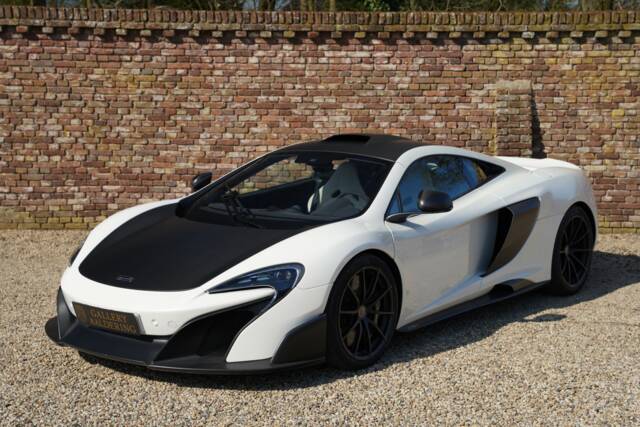
2016 | McLaren 675LT
McLaren 675LT "MSO" V8 3.8 1367 Miles from new! Carbon hood and roofscoop by MSO, recently fully serviced!

2019 | McLaren 600LT
MCLAREN 600LT coupé 3.8 V8 600ch - Pack carbone extérieur - malus inclus

2017 | McLaren 570GT
2017 McLaren 570 GT4


2016 | McLaren 675LT Spider
2016 McLaren 675LT Spider - 1,950 Miles

2014 | McLaren MP4-12C Spider
2014 McLaren MP4-12C Spider - 2,730 miles

2019 | McLaren Senna GTR
413 MILES & ONE OWNER

2021 | McLaren 720S Spider
McLaren 720S

2017 | McLaren 570GT
2017 McLaren 570GT
McLaren history and heritage
McLaren is unusual among collector marques: it was born from competition, disappeared from road-car production for years, then returned with a wholly different industrial method. Bruce McLaren founded Bruce McLaren Motor Racing in 1963 after arriving in Britain from New Zealand. The team won in Can-Am, Formula 1, Indianapolis and sports-car racing; Bruce's 1970 death at Goodwood did not end the organisation. Under Teddy Mayer and later Ron Dennis, McLaren became one of Formula 1's defining teams, and its road cars were shaped by that insistence on lightness, packaging and disciplined engineering rather than nostalgia.
The first road-going statement was the McLaren F1, launched in 1992. Gordon Murray's brief was not to make a racing car with number plates but the best driver's road car possible. The resulting central-seat, three-person coupé used a carbon-fibre monocoque, a 6.1-litre BMW Motorsport V12, gold-lined engine bay insulation and a manual six-speed gearbox. Only 106 examples were built in all forms: 64 standard road cars, five prototypes, 28 GTR racers, five LM cars and four GT longtails. Its 1995 Le Mans overall win by the F1 GTR gave the road programme extraordinary credibility, but it was always a very low-volume proposition.
After the Mercedes-Benz SLR McLaren partnership, McLaren Automotive became a separate road-car manufacturer and began its modern era at Woking with the MP4-12C in 2011. The 12C introduced the moulded carbon MonoCell tub, a 3.8-litre twin-turbo V8 and Proactive Chassis Control hydraulic suspension. It was followed by the 650S, 675LT and the long-lived Sports Series family, including the 570S and 600LT. These are not traditional “classics” in age, but they are increasingly the entry point to McLaren ownership and deserve serious attention as early carbon-tub collectables.
The 2015 P1 was McLaren's hybrid hypercar answer to the LaFerrari and Porsche 918 Spyder. Its 3.8-litre V8 and electric motor make 673 kW (903 bhp) combined, with 375 cars built. In 2017 the 720S replaced the 650S with the Monocage II structure, a 4.0-litre twin-turbo V8 and a far more dramatic aerodynamic language; the 750S is its 2023 evolution. At the top of the range, Senna, Speedtail, Elva and Solus GT revived the idea that a McLaren could be defined by a single uncompromising engineering purpose.
For Australian buyers, the timeline matters because delivery route affects ownership. A locally supplied RHD car normally has a clearer Australian service trail and compliance history. An imported UK or Singapore RHD car can be attractive, but it needs its import approval, build/specification evidence and state registration story to be as complete as its service book. A left-hand-drive F1, P1 or limited model may be collectible, yet its use and registration options should be checked before a deposit is paid, not after it arrives at Port Botany or Fremantle.
McLaren highlights and defining features
The common thread is the carbon-fibre passenger cell. McLaren had experience with carbon in Formula 1 before the F1, but the F1 made it a road-car landmark. Modern cars industrialised the concept: the MonoCell and Monocage leave the central structure extremely stiff and light while aluminium subframes carry suspension and powertrain. A repaired carbon tub is not automatically disqualifying, but the quality, method and documentary trail are much more important than cosmetic carbon weave around it.
McLaren's V8 road cars have another strong family resemblance. The M838T 3.8-litre and later M840T 4.0-litre engines use dry-sump lubrication and twin turbochargers, with seven-speed dual-clutch transmissions. They deliver startling acceleration yet retain compact dimensions. Hydraulic interconnected suspension on the 12C, 650S and 720S provides roll control without conventional anti-roll bars; it is one reason these cars can feel supple on a rough country road while remaining sharply controlled on a circuit. Later models add more aero and sharper calibration rather than abandoning the underlying philosophy.
Representative collector choices are deliberately different. The F1 is a museum-grade, manual V12 landmark whose value rests on originality and factory support. A P1 is a technology-led hypercar where battery health, software and provenance are central. The 675LT and 600LT are focused, limited longtail models for owners who want track character without hypercar complexity. A 570S, 650S or 720S can be the more usable Australian grand-tourer, though it is still a specialist car rather than an anonymous daily driver. Choosing among them is about intended use, budget for support and appetite for electronic complexity—not simply maximum power.
Technical data
Figures below are representative factory figures; options, regional specification and later updates can alter kerb weight and equipment. Power is shown in metric kilowatts, the unit most useful in Australia.
Numbers should start a conversation, not conclude it. Verify the VIN against the build plate, McLaren dealer records and, on limited editions, the factory-issued specification. A 675LT with carbon options, a P1 with a documented factory battery programme, or a 720S with factory warranty coverage can be a materially different car from a superficially similar listing.
Market overview and buying tips
McLaren values span a very wide range. At the summit, F1 and P1 transactions are international collector events; lower-volume Longtails sit between those cars and the production V8 range. A sound early 12C or 570S can offer carbon-chassis supercar ownership at a fraction of hypercar money, but “cheap McLaren” is a dangerous phrase if maintenance has been deferred. Purchase budget must include inspection, transport, insurance, tyres, consumables, annual servicing and a realistic contingency.
Auction records are useful evidence, provided the exact car is compared rather than the headline alone. RM Sotheby's sold the 1995 McLaren F1 chassis 029 at its Monterey 2025 sale for US$25,000,000 before buyer's premium, while the 2024 RM Sotheby's Monterey sale recorded US$20,465,000 for the 1994 F1 chassis 014. Both illustrate the exceptional premium for the F1's condition, ownership history and matching factory documentation; neither is a price guide for a V8 McLaren. At the modern end, Collecting Cars sold a 2020 McLaren 765LT in the UK during 2024 for £365,000, a reminder that mileage, specification, colour and local taxes can move a late-model Longtail markedly. Auction hammer prices also exclude, variously, buyer premiums, on-road costs, shipping and Australian taxes.
For an Australian-delivered car, ask for the original sales invoice, service invoices, recalls/campaign completion, key sets, battery conditioner, workshop manuals and both vehicle keys. McLaren's electronic systems and optional nose-lift make diagnostic history as valuable as a stamped book. Confirm whether servicing was completed by McLaren Melbourne, McLaren Sydney or a recognised independent with McLaren diagnostic capability. Long gaps are not necessarily fatal for a collection car, but the reason and recommissioning work should be documented.
An imported car needs an additional file. The Commonwealth's Register of Approved Vehicles (RAV) and vehicle import approval requirements are separate from state registration. Depending on age and pathway, importation may involve the Specialist and Enthusiast Vehicle Scheme, the 25-year rule or another approved option; eligibility is vehicle-specific. Do not assume a UK-registration document, a compliance plate from another jurisdiction, or an overseas auction invoice equals Australian road legality. Engage a specialist compliance adviser before contracting on an import. GST, customs duty where applicable, Luxury Car Tax, shipping, quarantine cleaning, broker fees and state duties can significantly change the landed figure.
RHD is generally the easiest route for Australian road use, but it is not a substitute for compliance. Conversely, an LHD hypercar may have collector appeal yet face restrictions or engineering requirements depending on the state or territory. NSW, Victoria, Queensland, Western Australia and other jurisdictions have their own registration and modification processes. Obtain written advice from the registering authority or an approved engineer for the actual VIN and intended state. If the car will move interstate, retain all compliance and inspection paperwork with the file.
The pre-purchase inspection should be carried out by a McLaren-experienced workshop, ideally before funds are released. It should include a diagnostic scan, road test, lift inspection and paint-depth check, then a written estimate of work due in the next 12 months. Key areas include:
- Carbon structure and crash repair: inspect the tub, bonded joints, front and rear crash structures, undertrays and suspension pick-up points. Ask who performed any repair and whether it is recorded by McLaren or a respected composite specialist.
- Hydraulic suspension: on 12C, 650S and 720S, check ride-height operation, accumulators, dampers, pipes and warning messages. A car sitting unevenly or showing intermittent suspension faults needs diagnosis, not reassurance.
- Powertrain and cooling: look for oil or coolant leaks, radiator damage from road debris, correct coolant condition and evidence of regular fluid changes. Confirm turbo, wastegate and intercooler performance during a full-load test where safe.
- Transmission and electrics: check clean engagement in all modes, reverse operation, battery condition, window/door operation, air-conditioning and infotainment. Low-voltage batteries cause misleading faults on cars that have sat without a conditioner.
- P1 hybrid system: require a specialist health assessment of the high-voltage battery, charging system, cooling circuit and software status. Its maintenance plan should be understood before purchase, not treated as an ordinary V8 service.
- Wear items: carbon-ceramic brake disc measurements, tyre date codes, wheel condition, nose-lift function and front-splitter damage deserve close attention. A low-odometer car can still have aged tyres and costly brakes.
Originality deserves a balanced view. Paint-protection film, a quality ceramic coating, protective front-end respray and sensible Australian heat-management additions may preserve a car. Undeclared tuning, missing original exhausts, non-standard wheels or poorly documented wraps can reduce confidence. Keep original parts where possible. On a limited McLaren, factory MSO paint and carbon options are desirable only when their build provenance is clear.
Driving a McLaren in Australia
The F1 remains remarkably analogue: the engine rises cleanly, the manual gearbox asks for thought, and the central driving position makes the road seem to open around the driver. It is compact, airy and intense rather than simply brutal. It belongs to the rare group of cars that rewards mechanical sympathy at suburban speeds as much as outright velocity.
A 12C or 650S feels different—quietly technical. The hydraulic chassis takes the edge off patched bitumen, then tightens its body control when the road coils. A 570S is relatively approachable, with visibility and compactness that make a weekend run practical. The 720S has a more immediate, elastic engine response and tremendous forward view through its slim structure; on a clear road it can cover distance with startling ease. Longtails trade some everyday softness for a more vivid exhaust note, lighter feel and a stronger sense that every input matters.
Australia adds practical considerations. Deep driveways, ferry ramps and rough rural shoulders can punish splitters; a working nose lift and careful route planning are worth more than bravado. Extreme summer heat tests cooling systems and batteries, while a car stored for long periods needs a dry, ventilated garage and an approved conditioner. Track days at circuits such as Phillip Island, The Bend or Queensland Raceway can suit the marque brilliantly, but verify insurer conditions, noise rules, brake life and recovery arrangements first.
Design and coachwork
McLaren design generally follows airflow and visibility rather than retro cues. The F1's clean teardrop cabin, tiny lamps and side-mounted luggage lockers were solutions to Murray's packaging brief. Its gold engine bay is functional heat insulation, not ornament. The 12C was restrained by supercar standards, its surfaces shaped around cooling and the dihedral doors adding theatre without compromising the narrow tub.
With the P1 and 720S, the design language became more sculptural. Air is channelled through the body rather than merely around it: the 720S's eye-socket headlamp openings feed radiators, while the P1's rear wing and bodywork work as a whole. The Senna takes that logic to an extreme. On any used car, inspect these complex panels for fit, colour match and fastener condition. Carbon bodywork is light and spectacular, but replacement panels, correct paintwork and alignment are not casual expenses.
Motorsport, ownership and support
McLaren's racing record is part of the appeal but should not obscure the road-car question. The F1 GTR's 1995 Le Mans victory, Ayrton Senna-era Formula 1 success and the brand's later GT3 programmes give the badge depth. The 650S GT3, 570S GT4 and 720S GT3 have also created a visible track community, useful when assessing cars with competition options or extensive circuit use.
Factory support is a genuine asset. McLaren ownership often means software updates, campaign work and specialist diagnostic equipment rather than a generic service counter. Before buying, identify a capable workshop within practical transport distance and ask about parts lead times for your exact model. Australia is geographically distant from Woking, so the cost and delay of a special-order panel, windscreen, battery component or carbon brake part should be factored into ownership. A complete history file and an owner who used the right support network can be worth paying for.
Summary
Buy a McLaren for the clarity of its engineering, not merely its acceleration. The F1, P1, Longtail models and modern V8 cars each offer a distinct route into the marque, but all reward careful provenance checks and specialist inspection. For an Australian buyer, a documented RHD delivery, sound carbon structure, current diagnostics and a confirmed import or registration pathway are the foundations of an enjoyable purchase. Find a McLaren with the right history, specification and support plan, then enjoy one of the most focused road-car brands of its era.