McLaren M8 classic cars for sale
The McLaren M8 series represents an engineering milestone in Can-Am racing history. Purpose-built for privateers yet victory-proven, the M8C (built in only 15 examples in 1970) stands out through its lightweight chassis, exceptional Chevrolet V8 power, and dominance on legendary circuits.
Search results
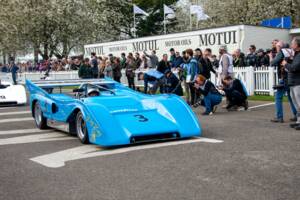
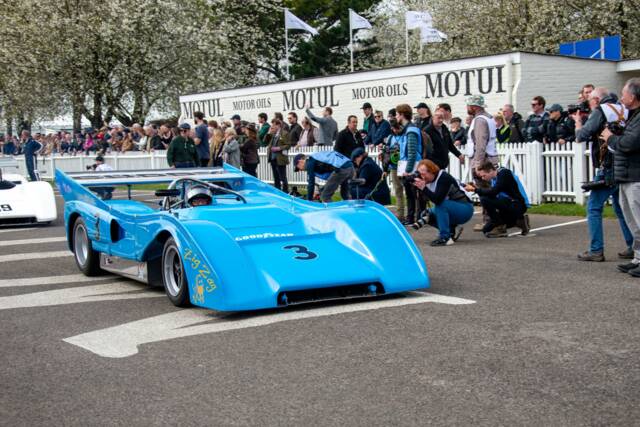
1972 | McLaren M8F
McLaren M8F “Cuddy”

McLaren M8 listing references from Classic Trader
Below you will find listings related to your search that are no longer available on Classic Trader. Use this information to gain insight into availability, value trends, and current pricing for a "McLaren M8" to make a more informed purchasing decision.
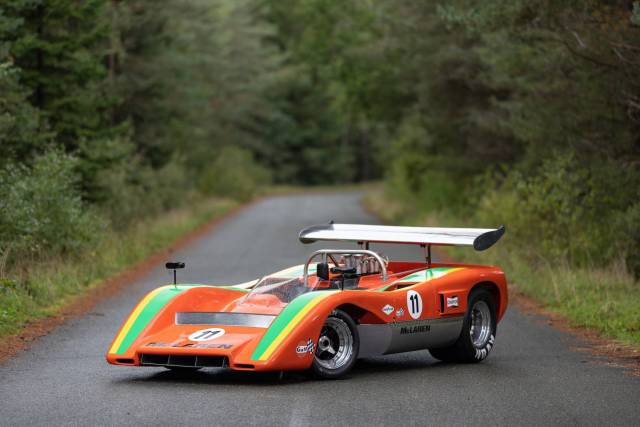
1970 | McLaren M8C
Ready For All Types Of Events

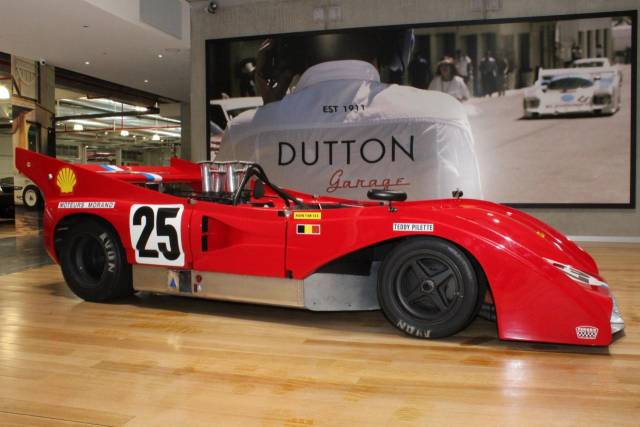
1972 | McLaren M8F
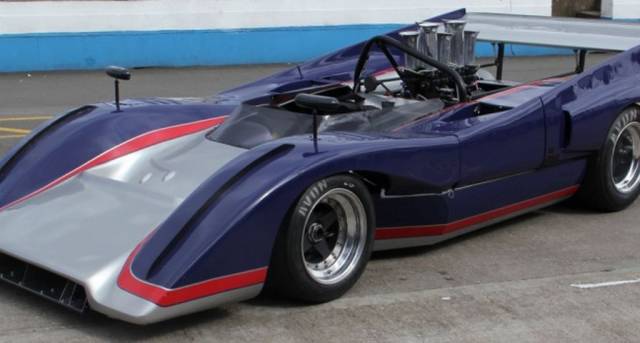
1970 | McLaren M8C
McLaren M8C M8 C/D

McLaren M8 Classic Cars: Prices & Market Values
History of the McLaren M8
Bruce McLaren and his eponymous team introduced the McLaren M8 in 1968 specifically to compete in the Can-Am series, where the cars quickly set new standards for performance and reliability. The M8A and its successors, including the M8B and M8C, were the force to beat, propelling McLaren to four straight Can-Am championships before Porsche's turbocharged advances ended their reign. The M8's roots are directly linked to the most competitive era of unrestricted sports car racing, known for its relentless engineering innovation.
Model History: McLaren M8 Series
The M8 lineage began with the M8A, developed for the 1968 season, followed by continual advancements culminating in the 1970 M8C. While Bruce McLaren's factory entries targeted ultimate performance, the M8C was conceived for private customers. Trojan, under license, delivered 15 of these vehicles, each with a lightweight chassis and modular design allowing freedom of engine choice. The M8C offered access to Can-Am competition for non-factory teams. Later, the series evolved with the M8D and more, yet the M8C remains unique for its customer-focused philosophy and racing versatility.
Highlights of the McLaren M8 Series
The M8C's standout features include its lightweight chassis, impressive Chevrolet 5.0-litre V8, and aerodynamic bodywork tailored for both speed and efficiency. It enabled private racing teams to be competitive against factory-backed entries—a remarkable feat for the era. Known for its distinctive engine soundtrack, low cockpits, and precise steering, the M8C excelled in historic events like Goodwood or Le Mans Classic, and comes well-documented with authentic period features and technical records. Original factory documentation and racing provenance are often available, ensuring traceability and historical accuracy.
Technical Data: McLaren M8
Special Editions and Collectible Models
All McLaren M8C models can be considered special due to the limited production of just 15 units. Each car was custom-built under license by Trojan and tailored to the demands of private customers, often with unique configurations per car. Further collectibility arises from period race histories and documentation, as many examples are certified for entry at blue-chip historic motorsport events.
Weak Spots and Common Issues
No known model-specific weaknesses have been provided for the McLaren M8 series in the supplied data. However, as with any purpose-built vintage racing car, attention to chassis condition, authenticity of mechanical components, and the completeness of documentation (including HSCC & FIA papers) are vital. Restoration expertise is essential to retain technical and historical integrity—original factory specifications should be prioritised for both value and eligibility at major historic events.
Engine, Performance, Transmission and Handling
The M8C's Chevrolet V8 powertrain delivers outstanding performance suited for the fast straights and technical corners of the Can-Am series. Light construction, low centre of gravity, and optimised aerodynamics translate into sharp handling, brisk acceleration, and competitive lap times. The car was deliberately engineered for privateer teams, balancing usability with maximum speed. Notably, period documentation demonstrates its eligibility and competitiveness at renowned events such as Goodwood and Montetery Motorsports Reunion. Its modular chassis also enabled adaptation for various powertrain configurations, suiting different driver and event requirements. The 1970 McLaren M8C stands out for its rarity (15 units), flexibility in engine choices, and eligibility for premier historical racing events. Each example's provenance—supported by original documentation and racing photos—is often central to its desirability.
Interior, Comfort, Exterior and Design
The McLaren M8C was designed with absolute focus on racing logic—every contour and material is geared towards lightweight efficiency. Its fibreglass and aluminium chassis panels are shaped for maximum airflow, with a low-profile cockpit and minimal driver distractions. Instrumentation is functional, and space is optimised for race-suited drivers. Period-correct liveries and authentic hardware (including bespoke racing wheels and controls) are highly valued. Special editions and customer cars occasionally featured unique colours or period-specific sponsor logos, enhancing collectibility. Accessories such as original spare parts, racing harnesses, and supportive documentation further accentuate its appeal for historically minded collectors.
Other Relevant Features
Due to the focus on motorsport eligibility, many surviving M8Cs come with a trove of original documents, FIA/HSCC registration, and a meticulous record of prior ownership. Entry in premier historical events is a major factor—making provenance and technical readiness mission-critical. Additionally, a network of specialist service providers and bespoke parts suppliers is available for ongoing restoration and support.
Summary
The McLaren M8 series, and especially the M8C of 1970, embodies the zenith of customer-focused Can-Am racing: extremely limited in production, adaptable in technical specifications, and proven both on the track and in contemporary historic racing. With 100% supply and demand share within the Classic Trader McLaren market, its exclusivity and continuous relevance remain undisputed. Period accuracy, race-worthy restoration, and robust documentation are the hallmarks of any significant M8C—making it a technical and historical centrepiece for motorsport enthusiasts.