Maserati 300S classic cars for sale
The Maserati 300S stands as one of the most significant Italian racing machines from the golden age of motorsport, with just 26 ever built between 1955 and 1958 to take on the World Sportscar Championship. Each example embodies pure motorsport engineering and historical pedigree. Discover all available Maserati 300S cars here.
Search results
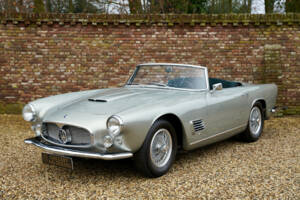
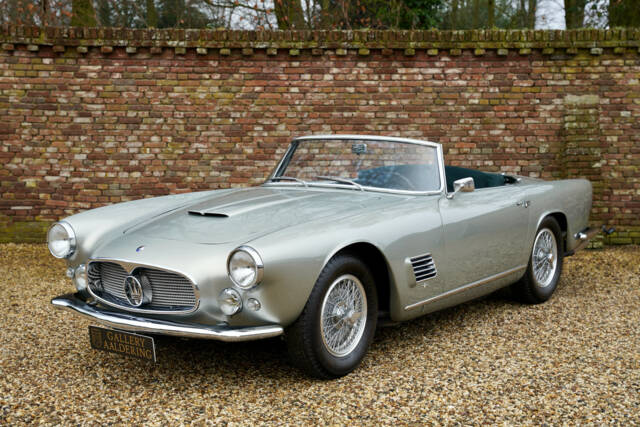
1958 | Maserati 300 S
Maserati 3500 Touring Spider "Prototype" Restored completely and in every detail, Precursor of the Vignale Spider, One of two built by Maserati factory, Accompanied by full history, Featured in the famous US movie “Love is a Ball” with legendary Hollywood actors Glenn Ford and Hope Lange, "Unknown" to many connoisseurs until a decade ago

Maserati 300S listing references from Classic Trader
Below you will find listings related to your search that are no longer available on Classic Trader. Use this information to gain insight into availability, value trends, and current pricing for a "Maserati 300S" to make a more informed purchasing decision.
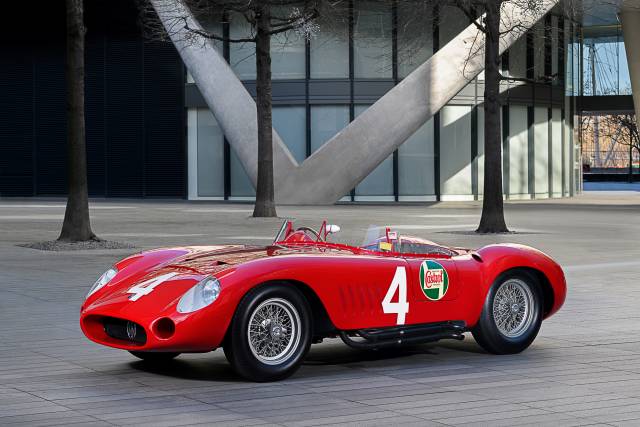
1956 | Maserati 300 S

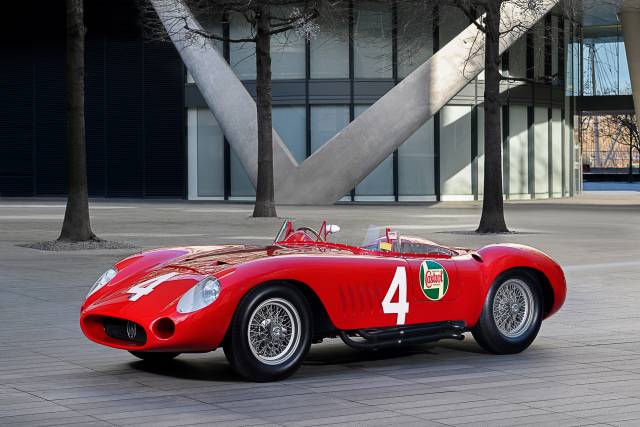
1956 | Maserati 300 S
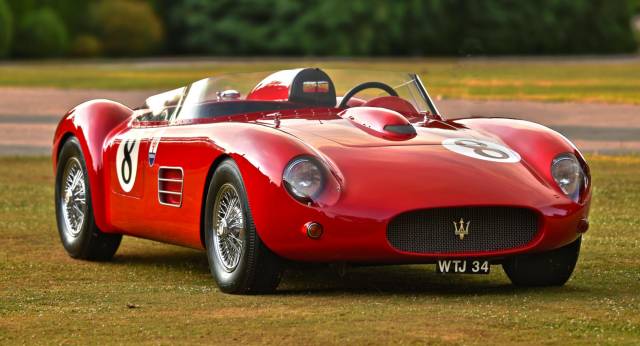
1956 | Maserati 300 S
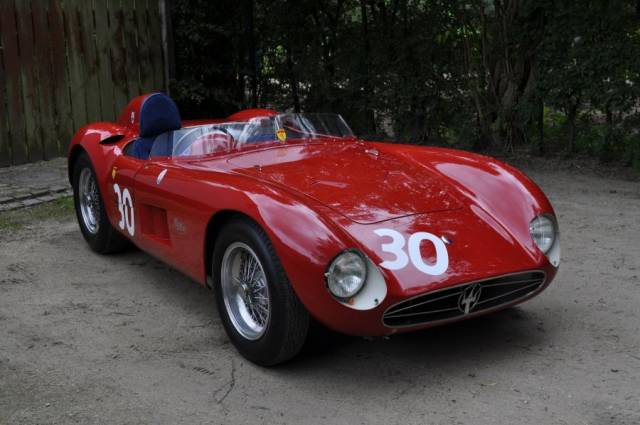
1955 | Maserati 300 S
Maserati - 300 S

1991 | Maserati 300 S

Maserati 300S Classic Cars: Prices & Market Values
History of the Maserati 300S
Maserati launched the 300S in 1955, specifically to contest the FIA World Sportscar Championship. Developed during a period of intense competition in international sports car racing, the 300S was engineered to succeed on the demanding stages of classic endurance circuits. With its focus entirely on racetrack performance, the 300S became the spearhead of Maserati’s factory efforts, incorporating insights from prior Maserati race cars like the A6GCS. Maserati produced only 26 units, most of which competed with factory or privateer teams throughout the late 1950s.
Model history
The 300S was introduced as a successor to the Maserati A6GCS, and has no direct road-going equivalent in the Maserati portfolio. Its DNA, though, would influence later Maserati GT models, especially in terms of engineering philosophy. The vehicle’s racing career encompassed a range of legendary events, including the Mille Miglia, Nürburgring 1000km, and Le Mans. After its competitive years, many 300S cars were preserved by enthusiasts and collectors, cementing the model’s status in motorsport history.
Highlights and unique features of the Maserati 300S
- Only 26 examples of the Maserati 300S were built, making it exceptionally rare even among historic competition cars.
- The model played a vital role in Maserati's racing efforts between 1955 and 1958, achieving major successes in international races.
- The straight-six engine was renowned for its responsiveness and reliability under hard use.
- Chassis and suspension design provided a competitive edge, particularly on twisty, demanding circuits.
- The car features a tubular spaceframe, lightweight aluminium body, and is pared back for motorsport purpose with minimal excess weight.
- The 300S is often referenced for its direct steering feel and modular chassis configuration, aspects prized by vintage motorsport participants.
Technical Data
Special Editions and Collectible Models
All Maserati 300S models are considered rare and collectible due to the very limited production run. Some chassis are especially significant due to factory racing provenance or appearances in legendary races such as the Mille Miglia or 24 Hours of Le Mans. Each car’s individual race history can dramatically influence its desirability amongst collectors.
Engine and Performance, Transmission and Handling
The Maserati 300S is renowned for its 3.0-litre twin-cam straight-six, which, depending on specification, could develop between 245 and 260 horsepower—a remarkable figure for its time. Combined with a meticulously engineered four-speed gearbox and race-proven suspension, the car was capable of sharp acceleration and impressive control through high-speed corners. The spaceframe chassis contributed to outstanding rigidity, and direct steering made the 300S responsive to driver input, a reason why it remains popular on historic circuits today. Every existing example of the 300S carries historical significance due to the total production of just 26 units. Cars with direct factory or notable privateer race history—especially those competing in events like Le Mans—are especially admired within the Maserati collector community.
Interior, Comfort, Exterior and Design
The design of the Maserati 300S is dictated by its motorsport intent. The open two-seater aluminium body is optimised for aerodynamic efficiency with long, flowing lines and understated Italian elegance. Interiors are strictly functional, stripped of unnecessary amenities, featuring a clear layout, race seats, and minimal instrumentation. Colours typically adhered to period racing schemes—like Rosso Corsa—while upholstery and trim were kept as light as possible to reduce weight. Unique details include distinctive side vents and exposed fuel fillers. Accessories and equipment are rare, focused exclusively on performance and safety for competition use.
Summary
With only 26 units produced and a pedigree forged in the fires of international motorsport, the Maserati 300S offers an uncompromising motorsport experience for true collectors. This rarity is reflected in both supply and demand statistics on Classic Trader, where all Maserati 300S listings and views relate exclusively to this unique model. Those seeking a purebred 1950s Maserati racing machine will recognise the singular status of the 300S.