Lomax Type 224 classic cars for sale
The Lomax Type 224 stands out among British cyclecars as an exceptionally light, fun-to-drive classic, often built on the Citroën 2CV platform. With its distinctive design, polyester bodywork, and nearly endless options for personalisation, it represents the tradition of British sports cars in a unique way. Discover why this car attracts both enthusiasts and collectors.
Search results


1973 | Lomax Type 224
Citroën - Le Patron


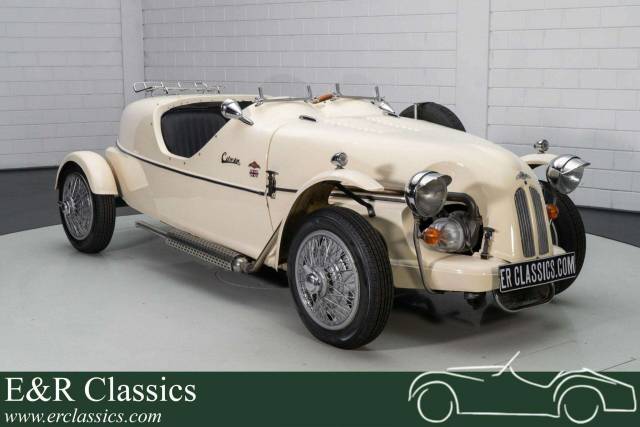
1954 | Lomax Type 224
Citroen Lomax Cabriolet
Auctions ending soon

Loading…
Loading…
Loading…
Loading…
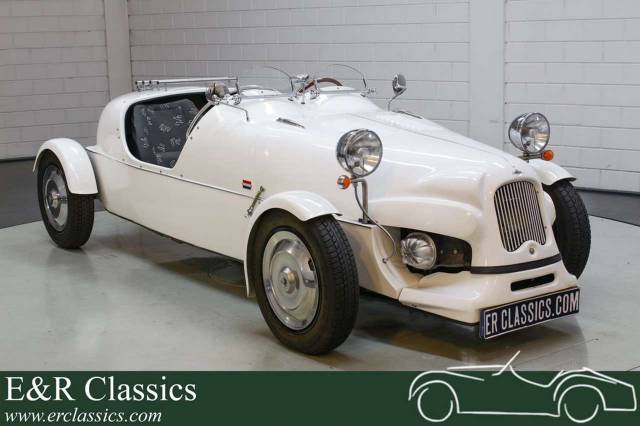
1983 | Lomax Type 224
Citroen Lomax | Concoursstaat | Gerestaureerd | 1983
Lomax Type 224 listing references from Classic Trader
Below you will find listings related to your search that are no longer available on Classic Trader. Use this information to gain insight into availability, value trends, and current pricing for a "Lomax Type 224" to make a more informed purchasing decision.
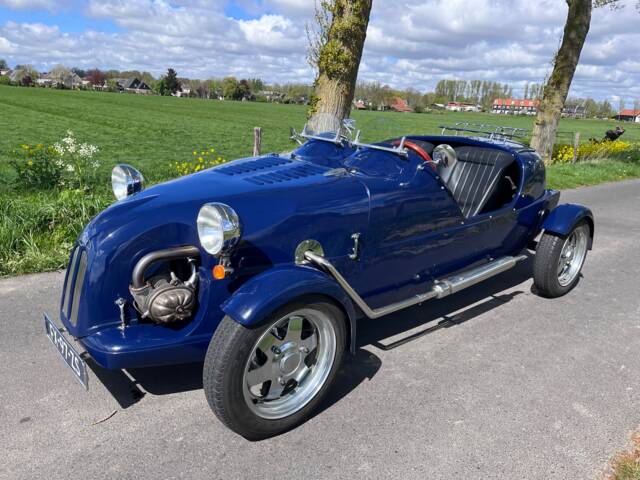
1980 | Lomax Type 224
Een karaktervolle lichtgewicht kitcar in uitstekende rijdende staat.
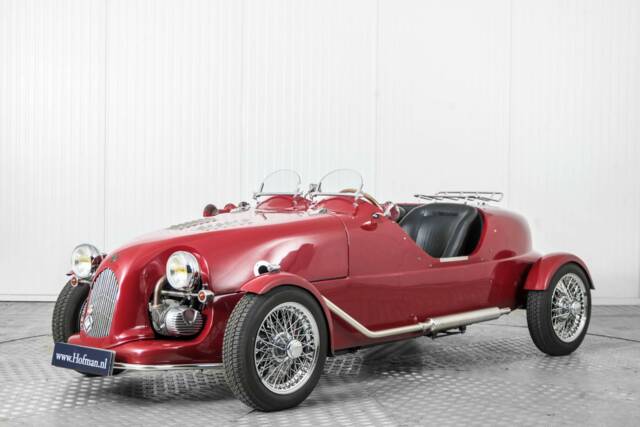
1979 | Lomax Type 224
Citroën Le Patron Lomax met aanhanger Lomax
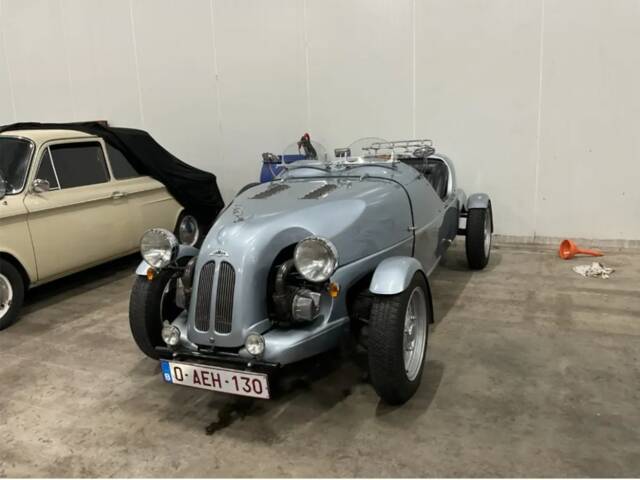
1980 | Lomax Type 224
Citroën Lomax | 1980 | Route 66 Auctions - For sale by auction. Estimate 8500 EUR
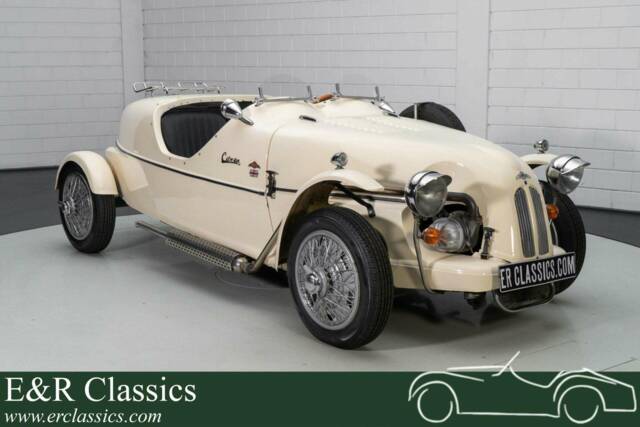
1954 | Lomax Type 224
Citroen Lomax Cabriolet
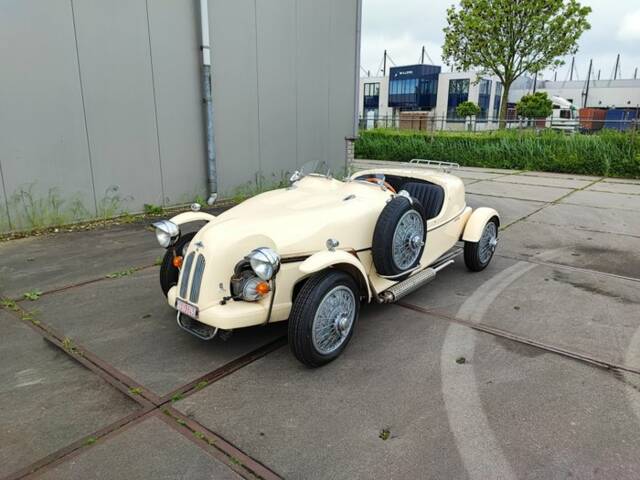
1954 | Lomax Type 224
Citroën - Lomax Lambda - 1954
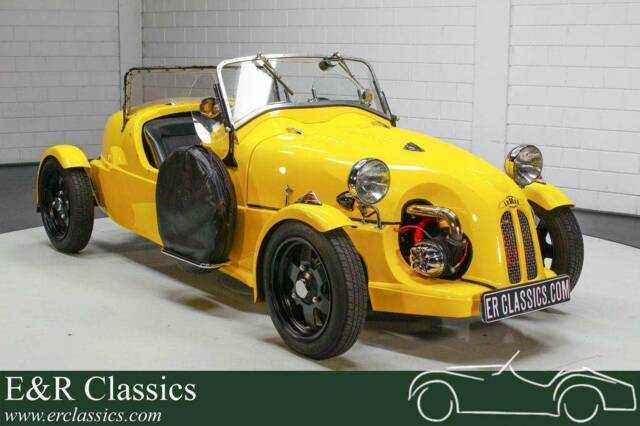
1982 | Lomax Type 224
Citroen Lomax Cabriolet
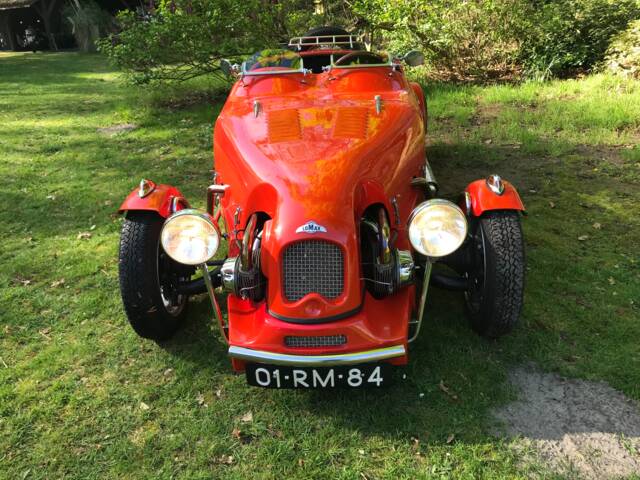
1977 | Lomax Type 224
Zeer goede staat.
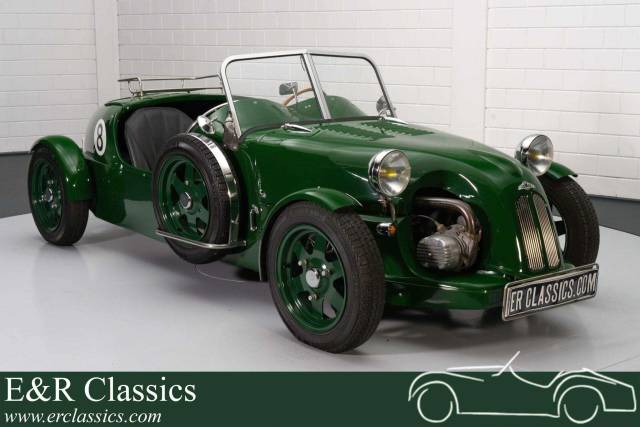
1981 | Lomax Type 224
Citroen Lomax Cabriolet
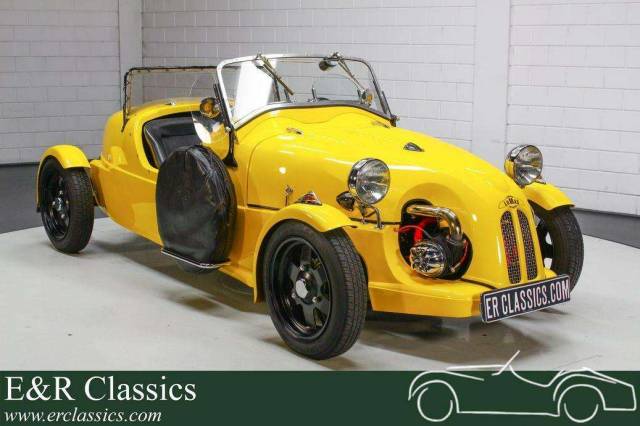
1982 | Lomax Type 224
Citroen Lomax Cabriolet
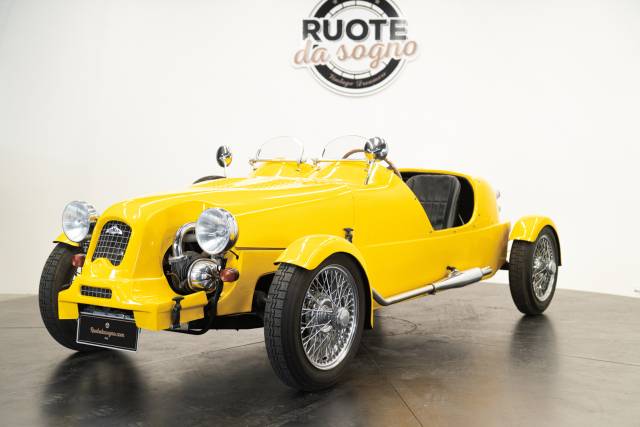
1982 | Lomax Type 224

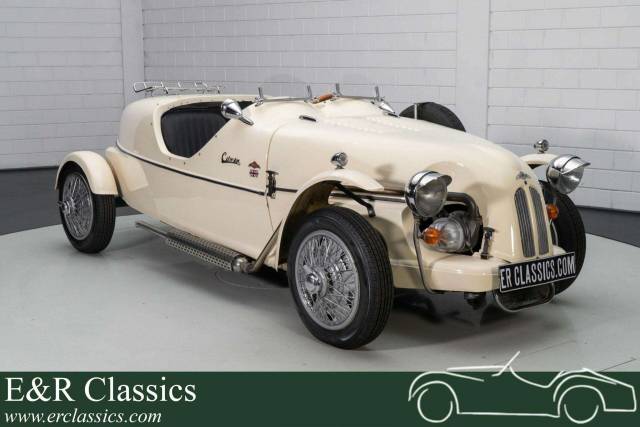
1954 | Lomax Type 224
Citroen Lomax Cabriolet
Lomax Type 224 Classic Cars: Prices & Market Values
History of the Lomax Type 224
The Lomax Type 224’s roots are firmly anchored in the British cyclecar movement, which sought to offer maximum driving fun with low weight and a classic roadster experience. Typically, a Citroën 2CV served as the donor vehicle, providing the mechanical underpinnings, including engine, gearbox, and chassis components. This kit car was developed in the UK as a more affordable way to experience classic open-top motoring, and its body was commonly constructed from polyester or fibreglass. Car bodies were often painted in traditional hues—British Racing Green and Cream being especially popular—mirroring the look of classic British sports cars. The Lomax Type 224’s history reflects a blend of French engineering reliability and British design ingenuity, resulting in an engaging, eccentric classic tailored by its owner.
Model History
The Lomax Type 224 is closely linked to the Citroën 2CV lineage, borrowing its mechanical heart from the iconic French car. While not part of a traditional manufacturer’s model cycle, the 224 evolved through individual custom builds with variations in accessories, trim levels, and even seating arrangements. Most examples are configured as strict two-seaters, although rare 2+2 variants appeared. Successor models from other kit car builders, such as the Burton, share similar philosophies, but the Lomax Type 224 remains the best-known cyclecar in this segment due to its strong identity and broad aftermarket support.
Unique Features and Market Data
A defining feature of the Type 224 is its extremely low kerb weight—approximately 440 kg—delivering lively handling and an unmistakable road feel. Its open-body sportscar configuration, extensive choice of colours and finishes, and options such as wooden steering wheels, sports harnesses, and even Lotus badging make each Lomax unmistakably individual. The car’s classic design cues, with wire-spoked or chrome wheels, external stainless side exhausts, and leather or faux-leather interiors, appeal to enthusiasts of traditional British motoring.
Technical Data
Special Editions and Collectible Models
With its roots as a kit car, nearly all Lomax Type 224s are unique. Some stand out for their rare 2+2 seating configuration, exceptional craftsmanship in their interiors—such as wooden Moto Lita-style dashboards—or special exhaust systems like Harley-Davidson or Shark-style side pipes. Tonneau covers, Brookland-style windscreens, and custom badging create further points of distinction that can make a specific car particularly collectible among enthusiasts.
Weak Spots and Common Issues
The Lomax Type 224 is praised for its maintainability, thanks to the use of proven Citroën 2CV technology. Common issues are typically tied to build quality: as self-assembled vehicles, the finish and reliability can vary based on the skill and care of the builder. Checking for rust on the steel chassis components, wear in the fibreglass or polyester bodywork, and proper fitment of custom accessories is advisable. Another characteristic quirk is the frequent absence of a fuel gauge; most rely simply on the approximate 20-litre tank capacity. Mechanical parts are easy to source and affordable via Lomax/Burton shops.
Engine, Transmission & Driving Experience
Weighing roughly 440 kg and using a simple Citroën 2CV powertrain, the Lomax Type 224 is not quick by modern standards but rewards the driver with agility, lightweight handling, and direct road feedback that is hard to find elsewhere. The 4-speed manual gearbox is straightforward and reliable. Gearing, handling, and braking largely reflect the 2CV’s characteristics, but the much lower weight gives the Type 224 a far livelier feel. Most popular versions are true two-seaters (without doors), with classic racing style trims and the standard 602 cm³ engine. Each car's personality comes primarily from the owner's customisation choices.
Design: Interior, Comfort, Exterior
The Lomax Type 224’s design channels British cyclecars of the mid-twentieth century, with sweeping fenders, open wheels, and minimalist interiors. Interiors often feature wood- or Moto Lita-style steering wheels and dashboards, full leather or vinyl trim, and sports harnesses. Exterior finishes include traditional British Racing Green or cream, with many cars wearing period-correct details such as chrome or wire wheels, external side exhausts, and Brookland windshields. Accessories such as tonneau covers, specialised instruments, and even non-standard badging (like the Lotus badge) are seen on some vehicles. The limited ground clearance and pronounced open-wheel look make it a striking presence at any classic car event.
Other information
The Lomax Type 224 is well-supported for parts and accessories, with suppliers across Europe, notably in Germany and the Netherlands. Cars typically come with registration in Germany, the Netherlands, or EU-wide papers, making cross-border ownership straightforward. The car’s lightweight, open design demands that owners accept limited comfort and protection, but in return, it offers a raw and engaging mechanical experience true to the cyclecar tradition.
Summary
The Lomax Type 224 occupies a unique niche among classic British kit cars, combining lightweight construction, proven Citroën technology, and unrivalled individualisation possibilities. As the flagship Lomax model in both supply and demand, it delivers authentic roadster motoring, mechanical simplicity, and a wide array of features to satisfy any enthusiast searching for a car that stands out on both the road and at classic events.