Lancia Augusta classic cars for sale
The Lancia Augusta, built from 1933 to 1936, is a pre-war Italian saloon renowned for its innovative engineering, unique coachbuilt variants, and enduring body quality. With a 1.2-litre V4 engine, four doors without a centre pillar, and a variety of stylish two-tone finishes, the Augusta stands out as a benchmark of 1930s automotive development. Multiple body styles, including rare French Belna editions, and ASI certification make it a sought-after classic for historic rallies and exhibitions.
Search results
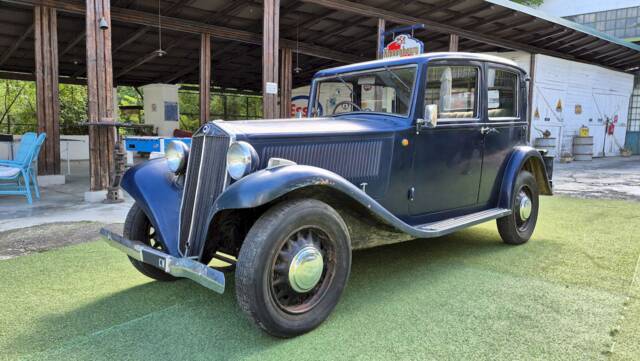
1935 | Lancia Augusta
SUMMER PRICE 2026 @ CITY MOTORS

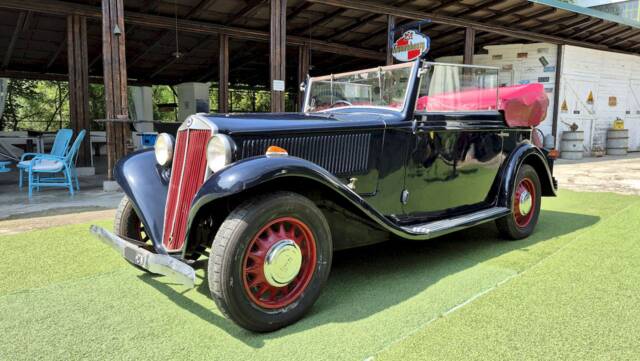
1934 | Lancia Augusta
SUMMER PRICE 2026 @ CITY MOTORS
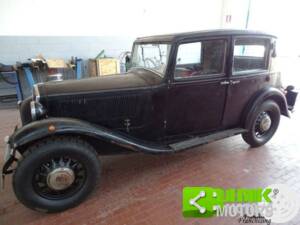
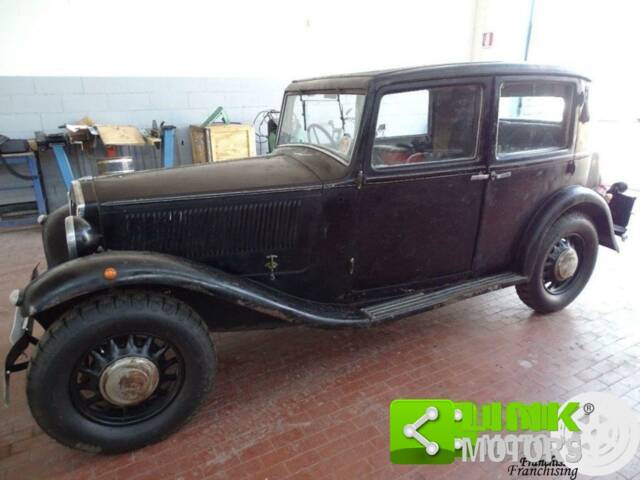
1934 | Lancia Augusta
LANCIA Augusta - Trasformabile - Conservato
Lancia Augusta listing references from Classic Trader
Below you will find listings related to your search that are no longer available on Classic Trader. Use this information to gain insight into availability, value trends, and current pricing for a "Lancia Augusta" to make a more informed purchasing decision.
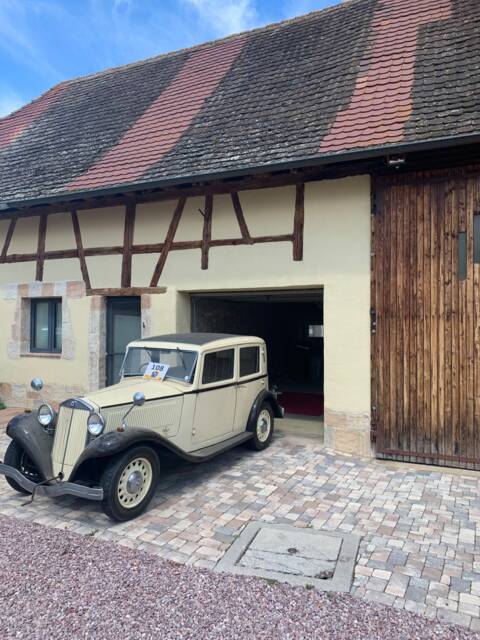
1934 | Lancia Augusta
Belna mit H-Kennzeichen

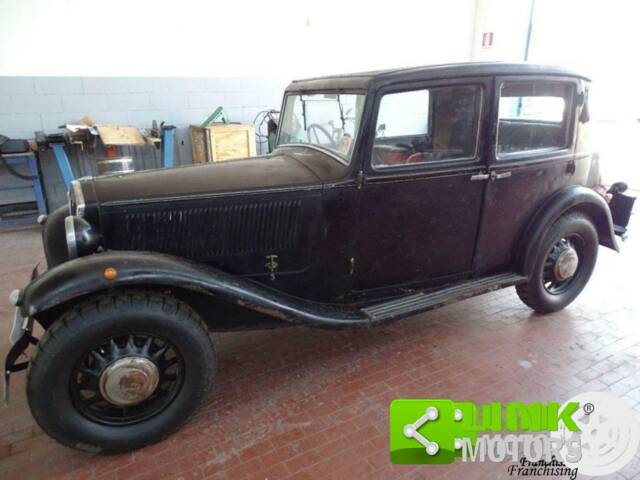
1934 | Lancia Augusta
LANCIA Augusta - Trasformabile - Conservato
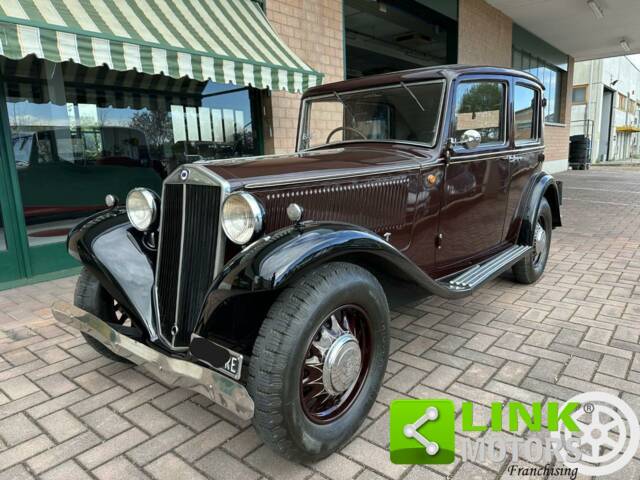
1934 | Lancia Augusta
LANCIA Augusta 1934 ASI ORO
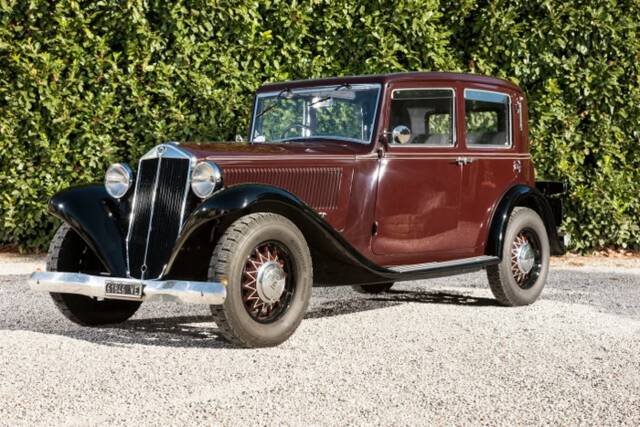
1934 | Lancia Augusta
Lancia - Augusta - 1934

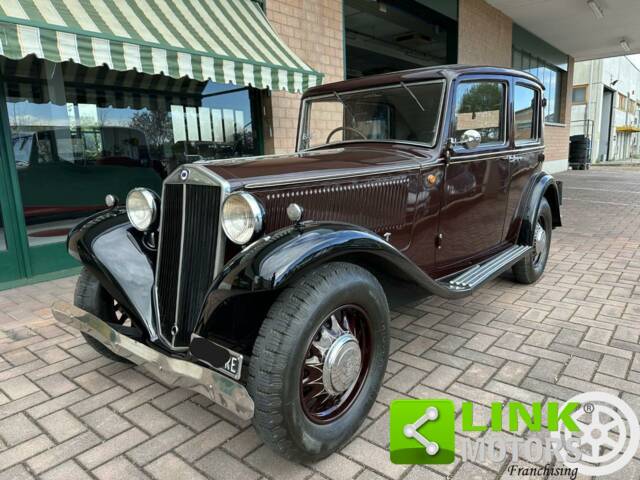
1934 | Lancia Augusta
LANCIA Augusta 1934 ASI ORO
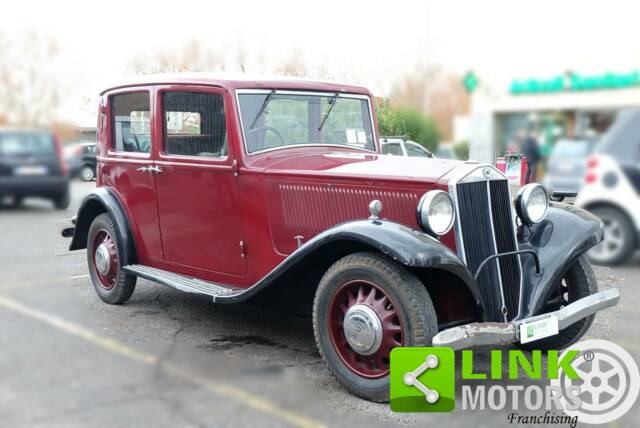
1933 | Lancia Augusta
LANCIA Augusta 1933
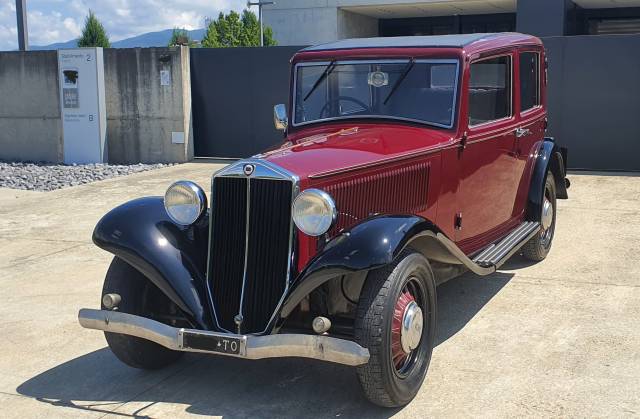
1935 | Lancia Augusta
ORO PLATE !!
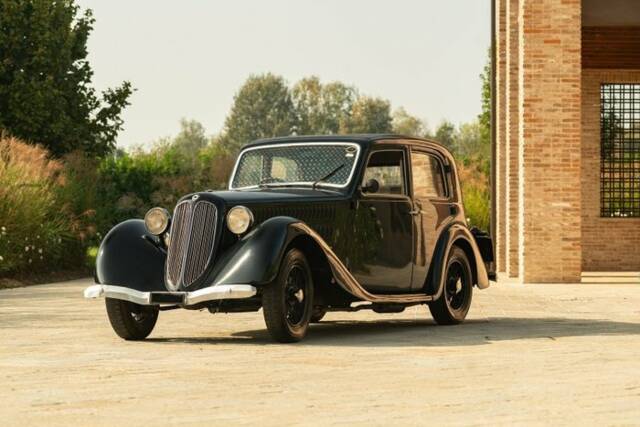
1935 | Lancia Augusta
Lancia - Augusta Farina - 1935
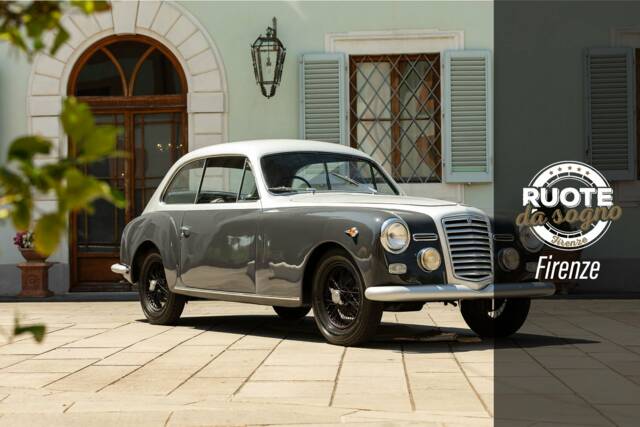
1935 | Lancia Augusta Ghia
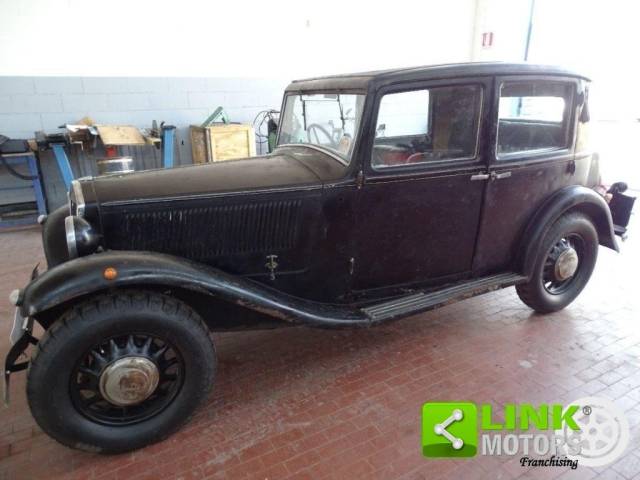
1934 | Lancia Augusta
LANCIA Augusta - Trasformabile - Conservato
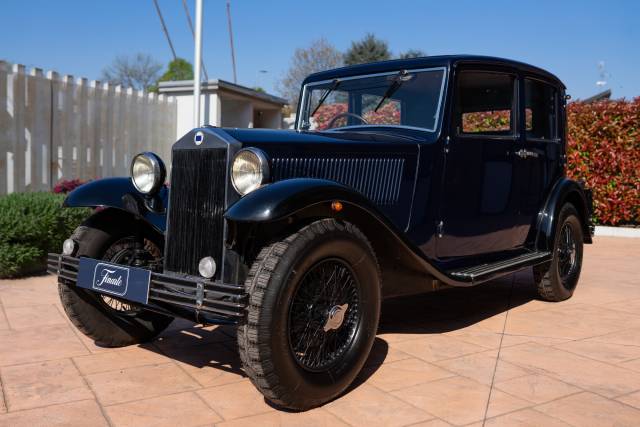
1934 | Lancia Augusta
Lancia Augusta Classic Cars: Prices & Market Values
History of the Lancia Augusta
Launched at the 1932 Paris Motor Show and produced between 1933 and 1936, the Lancia Augusta was developed as an upscale alternative to rivals like the Fiat 508. Created to fill the gap between the Artena and Astura models, Augusta’s 1.2-litre V4 engine echoed Lancia's commitment to technical ingenuity. With assembly in both Italy and, under the name Belna, in France, more than 17,000 units were made, including approximately 3,000 in France. As Lancia sought to move away from its sports and luxury car roots, the Augusta embodied a new focus on middle-class saloons. Production concluded in 1936, with the Lancia Ardea taking its place from 1939 onward.
Model History
The Augusta followed both the innovative Lancia Lambda and the Artena and set the stage for subsequent models such as the Ardea. Built as a 'unified luxury saloon', the Augusta was available as a four-door saloon, cabriolet, and in rare coachbuilt forms like the French Belna models by Pourtout and Paul Née. Of an estimated 17,217 produced (including 3,000 in France), about 2,500 were saloons, with 500 bodied by speciality coachbuilders. After the Augusta, the Lancia Ardea continued the small saloon tradition until 1953.
Highlights of the Lancia Augusta
The Augusta introduced a self-supporting body structure, rear-hinged doors for easy access, and was often finished in dual-tone paint with exquisite detailing. Original interiors frequently feature surviving silk handles, instrument clusters with Jaeger dials, and a spacious, comfortable layout. External features like polished chrome, Borrani wheels, and Michelin Superconfort tyres further set the Augusta apart. ASI certification underscores its pre-war significance, and the Augusta’s construction quality is reflected in its resistance to rust and frequent excellent body condition today.
Technical Data
Special Editions and Collectible Models
Notable collectible versions include coachbuilt Augusta Belna models by Pourtout and Paul Née, especially rare cabriolet bodyworks. French-assembled Belna variants stand out due to their unique design and rarity. Cars with well-preserved original features or distinguished history, particularly with ASI certification, enjoy special status among enthusiasts.
Weak Spots and Common Issues
Despite widespread reports of rust resistance and durable bodywork, Augusta buyers should check for thorough restoration quality, especially in mechanical and bodywork repairs. It’s advisable to inspect original features, documentation, and registration papers. Specialist support from Lancia clubs is commonly available for restoration projects.
Engine and Performance, Transmission and Handling
With 35 hp from its V4 engine, the Augusta delivers refined, reliable performance, especially for a small saloon of its era. The 4-speed gearbox supports flexible, smooth driving. Drum brakes on all wheels provide effective stopping power, although, like many pre-war vehicles, require more distance than modern cars. Robust engineering underpinning the chassis contributes to secure road manners, making the Augusta both comfortable and practical for period rallies and shows. The standard Augusta four-door saloon is most common, but cabriolets and the French Belna variants—especially those bodied by Pourtout—are highly regarded due to their rarity and unique styling details.
Interior, Comfort, Exterior and Design
Design signatures include four-door configurations with no B-pillar, aiding entry and creating an airy interior. Dual-tone paint, most notably the Blu Ministeriale with black wings and ivory coachlines, highlight period Lancia aesthetics. Interiors feature silk-wrapped handles, original Jaeger instrumentation, and authentic roof and side trims. Accessories like chromed exterior handles, blue wheels with ivory stripes, and original Michelin tyres reinforce a period-correct presentation. Roof and upholstery materials were chosen for resilience and elegance, and original Italian registration plates (with Fasces symbol) are preserved on some survivors.
Other Relevant Features
Many Augustas are equipped for historic rally events, including Mille Miglia entry, and offer comprehensive historical documentation. Export and transfer processes are typically straightforward, and support from specialist clubs simplifies ownership for international buyers. The Augusta is thus not only a technical milestone but also a versatile candidate for both exhibition and active historic motoring.
Summary
The Lancia Augusta, produced from 1933 to 1936, stands as a defining small Lancia pre-war saloon. Its blend of technical innovation, lasting build quality, and broad variety—ranging from saloons to rare coachbuilt Belna cabriolets—makes the Augusta a highlight among Italian pre-war classics. Robust supply and high interest on the classic car market affirm its continuing appeal to discerning collectors and historic rally enthusiasts.