Lancia Ardea classic cars for sale
The Lancia Ardea stands out as one of the few classic compact cars featuring a compact V4 engine, a hallmark of Italian car engineering from 1939 to 1953. Produced in multiple body styles ranging from saloon to commercial van, the Ardea combines technical ingenuity with adaptable Italian design.
Search results
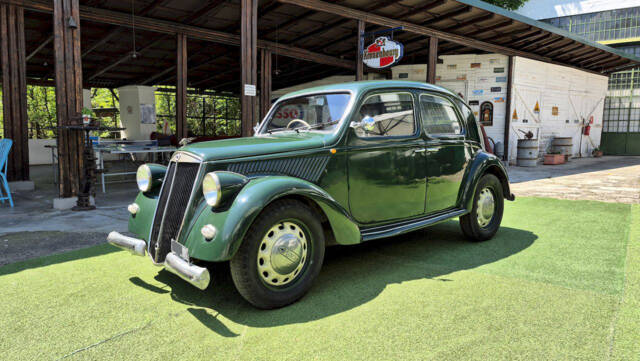
1951 | Lancia Ardea
SUMMER PRICE 2026 @ CITY MOTORS

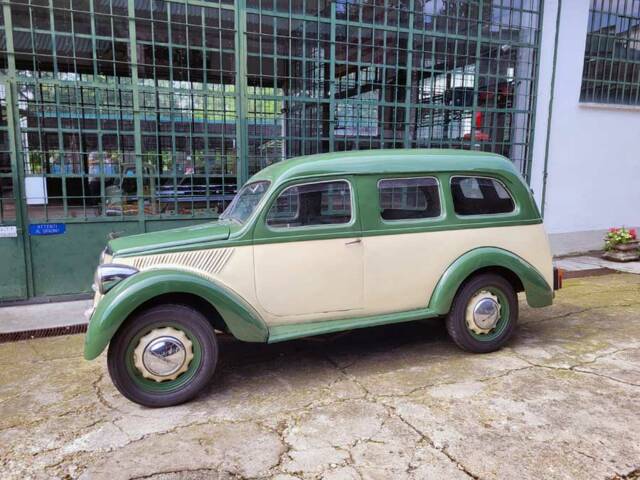
1951 | Lancia Ardea
SUMMER PRICE 2026 @ CITY MOTORS
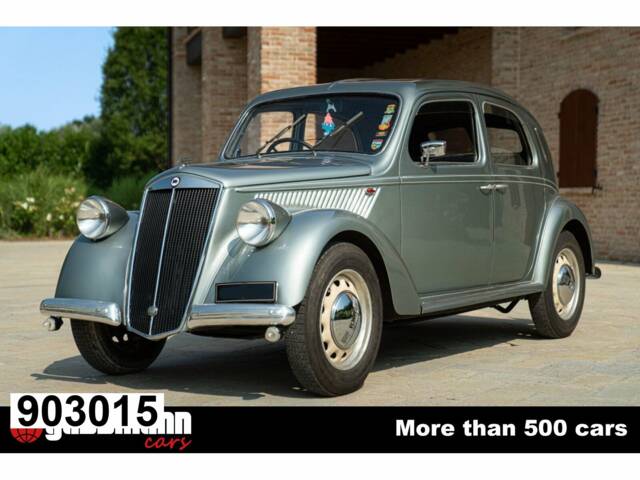
1947 | Lancia Ardea
Ardea 2. Serie - RHD - 250 Berlina - mehrfach

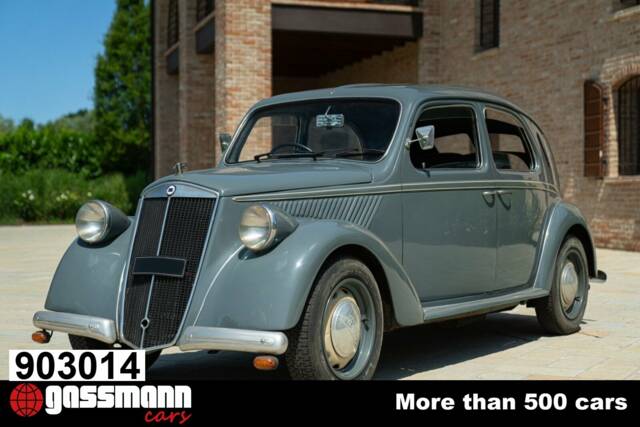
1941 | Lancia Ardea
Ardea 2. Serie - RHD - 250 Berlina - mehrfach
Newsletter
The best Lancia listings, straight to your inbox
Get hand-picked Lancia listings, plus the best of cars, motorbikes, and auctions on Classic Trader — all in one place.
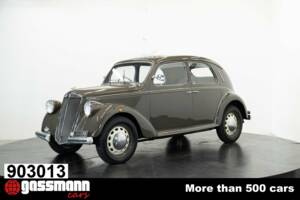
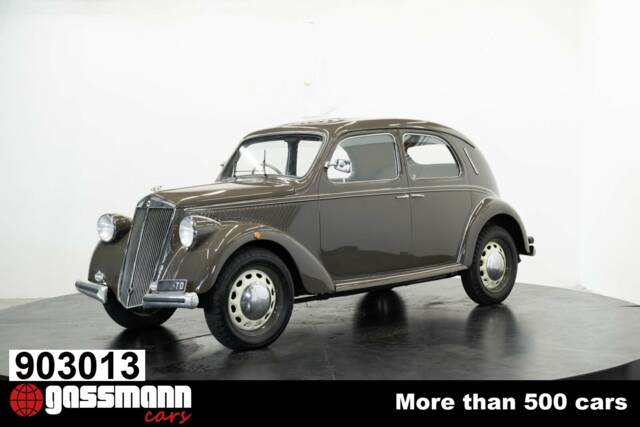
1952 | Lancia Ardea
Ardea 4. Serie - RHD
Lancia Ardea listing references from Classic Trader
Below you will find listings related to your search that are no longer available on Classic Trader. Use this information to gain insight into availability, value trends, and current pricing for a "Lancia Ardea" to make a more informed purchasing decision.
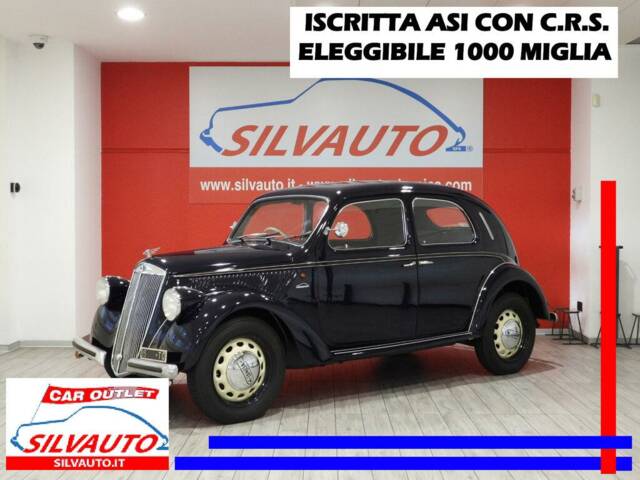
1950 | Lancia Ardea
LANCIA ARDEA IV^SERIE mod. 250 - ISCRITTA ASI CON C.R.S. E ISCRITTA REGISTRO ARDEA – ELEGGIBILE 1000 MIGLIA (1950)
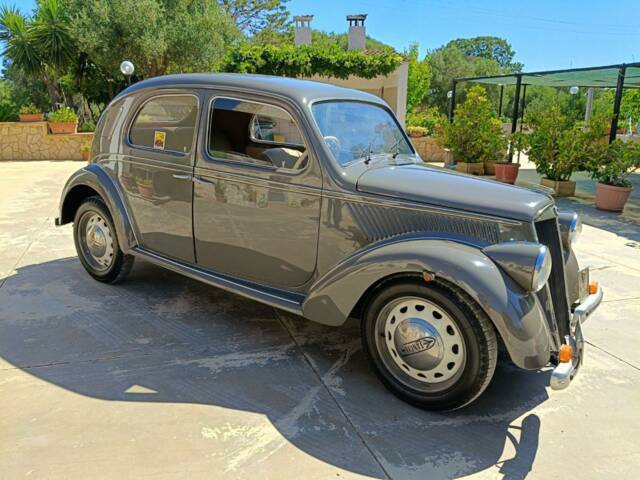
1951 | Lancia Ardea
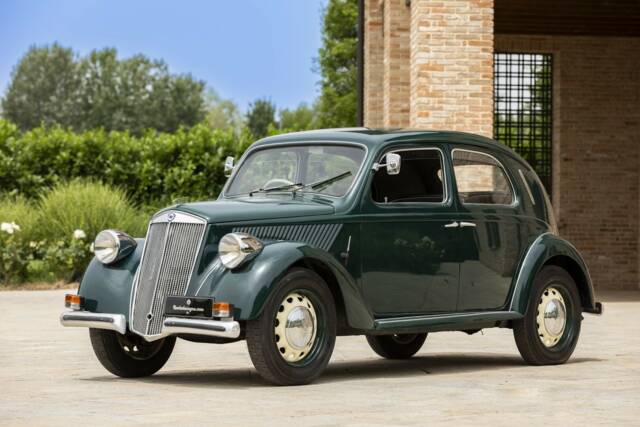
1949 | Lancia Ardea
Lancia ARDEA "ELETTRICA"
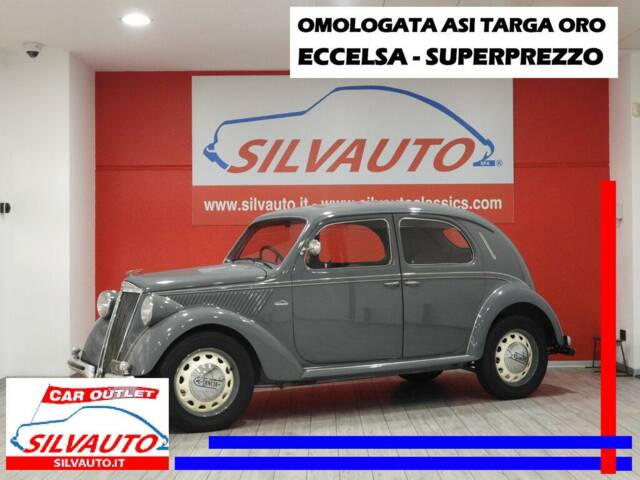
1949 | Lancia Ardea
LANCIA ARDEA III^SERIE MOD. 250 (1949) ISCRITTA ASI CON C.R.S. – OMOLOGATA ASI TARGA ORO – OMOLOGATA REGISTRO STORICO LANCIA – SUPERCONDIZIONI – SUPERPREZZO
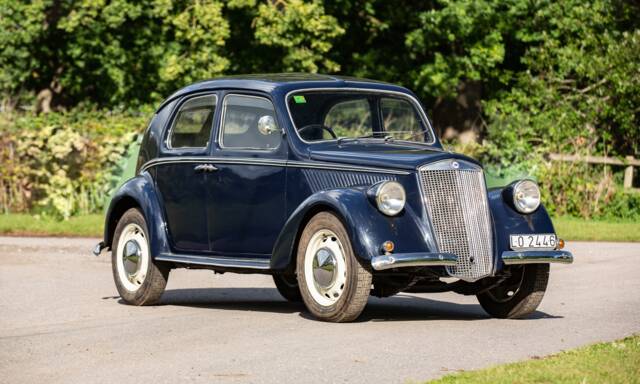
1944 | Lancia Ardea
1944 Lancia Ardea

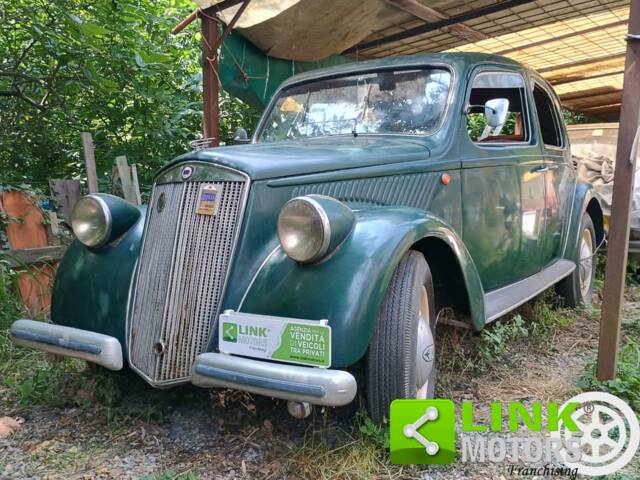
1948 | Lancia Ardea
LANCIA Ardea 3a serie PREZZO TRATTABILE
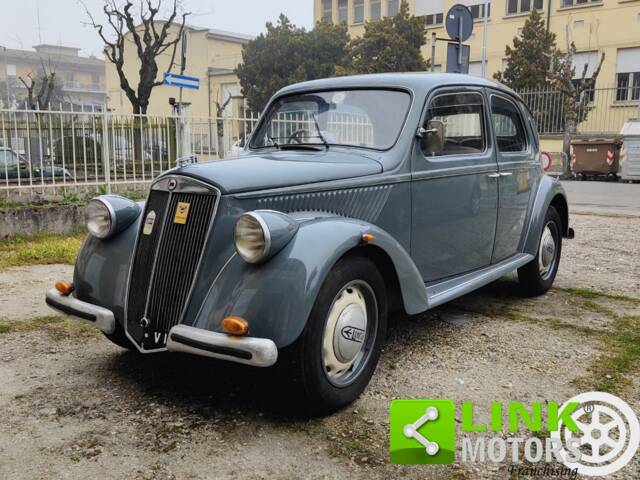
1951 | Lancia Ardea
LANCIA Ardea Quarta serie Berlina 100B
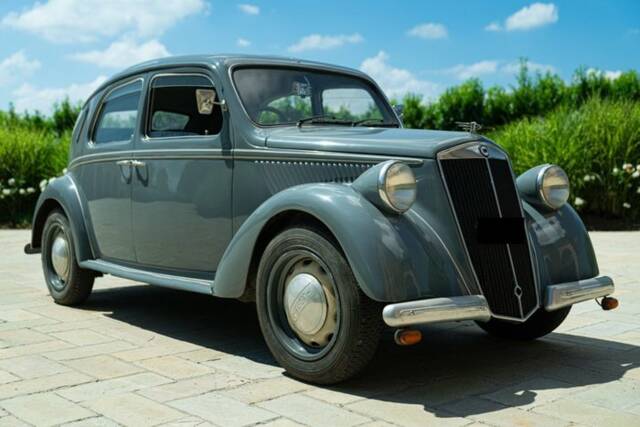
1941 | Lancia Ardea
Lancia - ARDEA I°SERIE - 1941

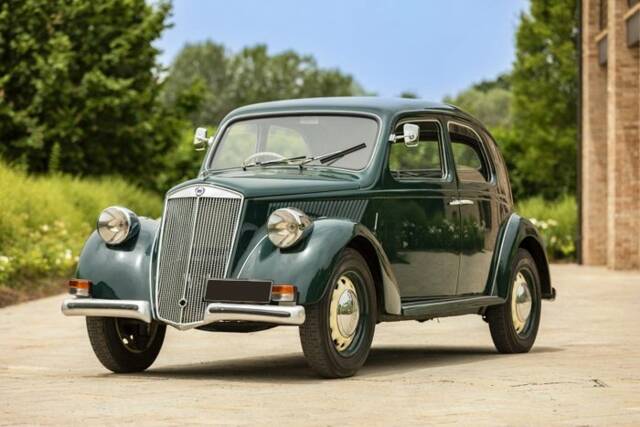
1949 | Lancia Ardea
Lancia - Ardea Electric - 1949
Lancia Ardea Classic Cars: Prices & Market Values
The market value of Lancia Ardea classic cars is primarily determined by the specific manufacturer code and variant, as well as technical condition, originality and mileage. Additional factors include rarity, history and documentation. A well-maintained, largely original vehicle with low, verifiable mileage and complete history including appraisals and documentation typically achieves significantly higher prices than a comparable vehicle with deferred maintenance, many modifications or unclear provenance.
Lancia Ardea: Market Prices & Value Trends
Based on sales data from the Classic Trader marketplace, the Lancia Ardea market in Europe (with most recent activity in Italy and some adverts in Germany and the Netherlands) looks broadly stable from early 2021 through December 2025, with a gentle upward bias for the best-presented cars. Most Ardea examples from the late 1940s to early 1950s (typically 28–30 hp) cluster in the mid-teens, suggesting a realistic current market range of roughly £11,000 to £25,000, largely driven by condition, originality, and restoration quality. At the lower end, sub-£10,000 entries appear occasionally and should be treated cautiously as they may reflect projects, incomplete cars, or atypical listings rather than the norm. At the top end, a small number of £30,000+ prices and isolated high outliers can skew averages and are more likely linked to exceptional provenance, coachwork, or specialist variants (such as the “camioncino”). For buyers, this means fair-value cars are still accessible, while sellers of well-documented, road-ready Ardeas can justify firmer asking prices.
History of the Lancia Ardea
Manufactured from 1939 to 1953, the Lancia Ardea came onto the market as a solution for families and businesses in need of dependable, economical transport. Its most distinctive trait is the small V4 engine housed under a noticeably short bonnet, a technical feat for its era. Multiple body styles were available: the classic saloon (Berlina), the 'Furgoncino 800' van, the 'Promiscuetta' minibus, and the 'Camioncino 800' pickup. Each variant was aimed at a different customer group, and even bespoke conversions—with features like drop-down rear windows and folding rear seats—were offered by Italian coachbuilders such as Albanesi. The Ardea range also reflected Italy’s changing mobility needs during and after the Second World War, often finding homes with collectors, museums, and clubs passionate about preserving Italian automotive heritage.
Model History
The Ardea replaced the Lancia Augusta and represented an evolution in compact luxury cars with an emphasis on technical innovation and versatility. Four main series were produced, each introducing incremental improvements. Early series featured a four-speed gearbox, while later models offered a pioneering five-speed transmission—unusual for the time, especially in smaller cars. The fourth series assigned the greatest production number and remains the most common today, with original documentation and plates frequently accompanying extant vehicles. Subsequent models like the Appia built on the Ardea’s innovative underpinnings, marking the end of the line for the Ardea after 1953.
Highlights of the Lancia Ardea
Lancia engineered the Ardea with the world's smallest commercialised V4 engine, distinguishing it within its segment. Innovative features like a hydraulic brake system with drums, mechanical indicators ('Frecce a bacchetta') and authentic accessories—right down to polished aluminium accents—bring Italian postwar character into focus. Notable differences between models include the longer, wider wheelbase and body of the Furgoncino van compared to the Berlina. Various derivatives, crafted by independent coachbuilders, have become rarities, especially those with certification from the Lancia Archive or exclusive ASI gold plaques.
Technical Data
Special Editions and Collectible Models
Low production derivatives such as the 'Furgoncino 800' (7,120 units) and 'Camioncino 800' pickup (approx. 1,600 units) are especially prized for their rarity and utility. Bespoke minibuses ('Promiscuetta') built by coachbuilders, and examples documented with Lancia Archive certificates or ASI gold plaques, enhance the allure and credibility of certain vehicles within enthusiast communities.
Engine and Performance, Transmission and Handling
Despite its compact size, the Ardea’s V4 delivered lively performance for the segment, capable of handling everyday needs as well as commercial duties, especially when specified as a van or minibus. Power was transferred via four or five-speed manual gearboxes, an advanced offering at the time. Hydraulic drum brakes demand regular adjustment and maintenance, and original chassis setups provide a genuine vintage driving experience, with firm suspension via leaf springs. Most frequently listed and sought-after is the Lancia Ardea Serie IV, thanks to its technical improvements and robust presence on the classic car market.
Interior, Comfort, Exterior and Design
The Ardea’s restrained yet stylish bodywork reveals Lancia’s craft for elegant compact design. Standard exterior colours included various shades of grey and green, sometimes paired with ivory inlays. Commercial models like the Furgoncino typically omitted decorative trim and ran simple black steel wheels. Interior finishes varied, with black leather seats and fabric roofs available on pick-up versions—distinctively, green models featured brown roofs and grey models maintained a monochromatic look. Period touches like mechanical trafficator indicators and original instrument clusters underpin the Ardea’s authenticity. Accessories and documentation, such as matching number plates and historical papers, are particularly sought after by collectors.
Other Relevant Features
Several Ardea models have found a second life restored as mobile advertising vehicles or event displays, further underlining their cultural resonance. The robust chassis and accessible mechanicals have kept a steady supply of original and reproduction parts—such as gearboxes, radiators, and leaf springs—on the market. The model’s adaptability allowed for highly individualised derivatives tailored to customer specifications, especially in the postwar coachbuilt sector.
Summary
The Lancia Ardea remains a testament to Italian engineering from the 1940s and early 1950s, offering a unique blend of compact dimensions, mechanical sophistication, and flexible body configurations. Its enduring presence—especially the Serie IV—underscores its role in motoring history and its continued appreciation by collectors. For those seeking an original classic with technical character and authentic documentation, the Ardea stands out in the classic car landscape.