Lancia Astura classic cars for sale
The Lancia Astura represents the peak of Italian engineering and coachbuilding in the 1930s, most notably through its refined V8 engine and distinctive bespoke bodies created by leading designers like Pinin Farina. Combining technical innovation with unique style, the Astura remains one of Lancia's most acclaimed and rare pre-war models.
Zoekresultaten
Op dit moment zijn er geen overeenkomende advertenties voor uw zoekopdracht.
Create search alert
Let yourself be notified as soon as a listing is published that matches your search filters.
Create listing
Do you have a Lancia Astura that you want to sell? Then create a listing now.
Create listingLancia Astura listing references from Classic Trader
Below you will find listings related to your search that are no longer available on Classic Trader. Use this information to gain insight into availability, value trends, and current pricing for a "Lancia Astura" to make a more informed purchasing decision.
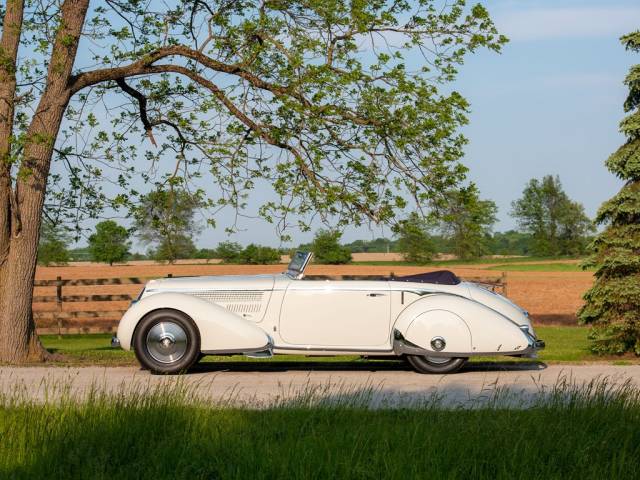
1936 | Lancia Astura "Bocca" Pinin Farina
1936 Lancia Astura Cabriolet Series III 'Tipo Bocca' by Pinin Farina

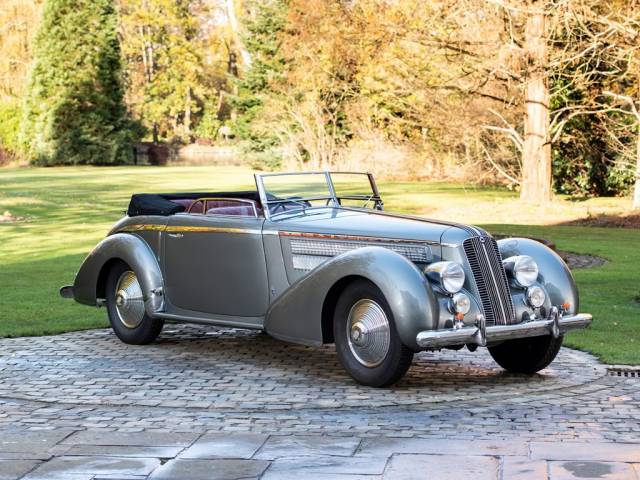
1936 | Lancia Astura "Bocca" Pinin Farina
1936 Lancia Astura Cabriolet Series III 'Tipo Bocca' by Pinin Farina
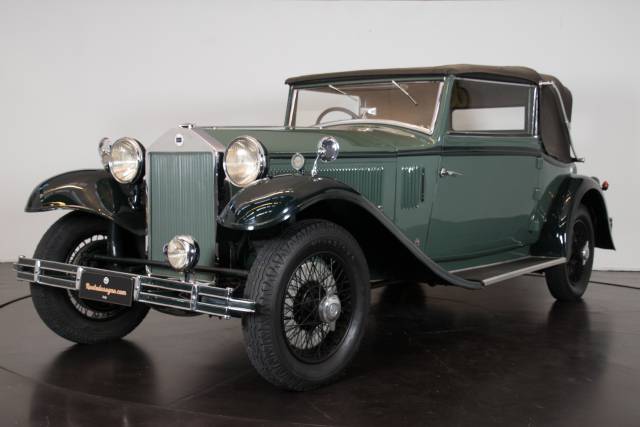
1933 | Lancia Astura

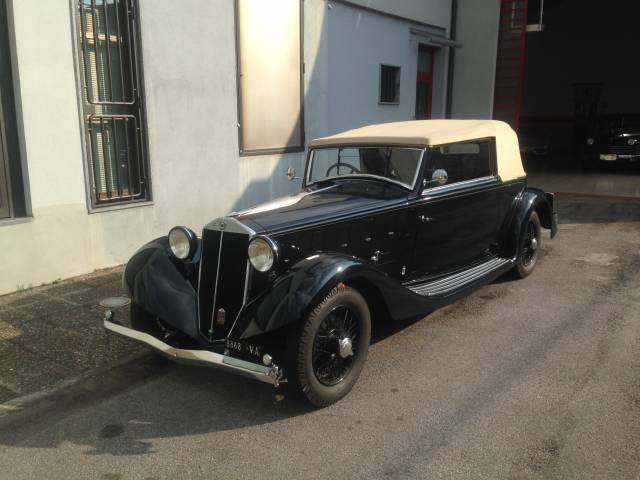
1933 | Lancia Astura
Lancia Astura Cabriolet Pininfarina del 1934
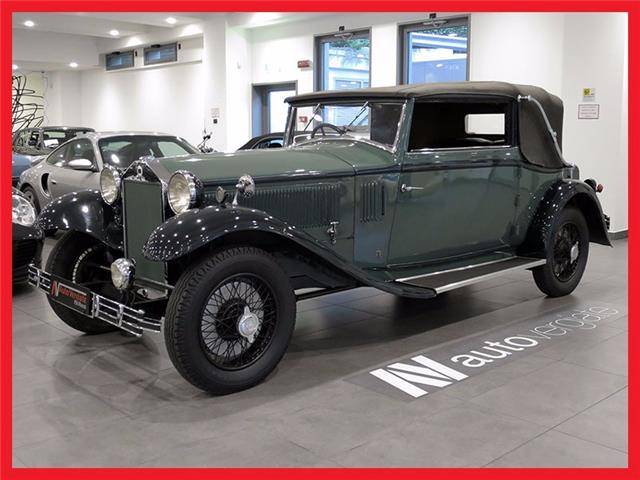
1932 | Lancia Astura
Oldtimer Lancia ASTURA II Serie
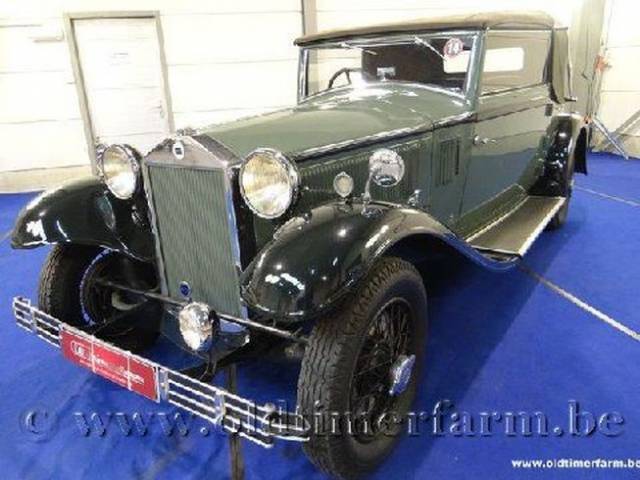
1933 | Lancia Astura
Lancia Astura Cabriolet Green '33

Create search alert
Let yourself be notified as soon as a listing is published that matches your search filters.
Create listing
Do you have a Lancia Astura that you want to sell? Then create a listing now.
Create listingLancia Astura Classic Cars: Prices & Market Values
History of the Lancia Astura
Introduced at the 1931 Paris Motor Show, the Lancia Astura succeeded the Lambda, running alongside the Artena as the marque’s flagship. Designed to cater to a discerning clientele, it offered a new V8 engine and a separate, robust chassis ideal for custom coachwork. Over its production run until 1939, the Astura evolved across four series, frequently commissioned by elite buyers seeking the collaboration of master coachbuilders. High-profile appearances at international automotive exhibitions and awards at Concours d’Élégance cemented the Astura’s standing as a leading example of Italian pre-war automotive artistry.
Model History
The Astura was developed as a more powerful alternative to the Artena, featuring a narrow-angle V8 engine and modern mechanical solutions. Production spanned four distinct series, with the third series offering two wheelbase options and an enlarged, almost three-litre engine. The third series, especially when bodied by firms like Pinin Farina, epitomised the trend of extravagant customisation, with special ‘Tipo Bocca’ bodies constructed for select clients. The Astura's life ended in 1939, making way for post-war innovations in Lancia’s lineup, but it remains the pinnacle of the company’s pre-war engineering and collaborative coachbuilding projects.
Highlights of the Astura Series
The Astura set itself apart with its overhead cam V8 engine, advanced chassis, and the strong involvement of prominent Italian coachbuilders. Especially noteworthy are the Pinin Farina ‘Tipo Bocca’ cabriolets—rare, technologically advanced, and exceptionally elegant. The patented electro-mechanical convertible roof, introduced in 1934 by Pinin Farina and standardised in these models from 1936, was revolutionary in its time. Distinctive design features include an aerodynamic silhouette, waterfall chrome trim, and uniquely shaped wings housing integrated lighting elements. The Astura represents an outstanding partnership between Lancia's innovative engineering and the flair of Italy’s top craftsmen.
Technical Data
Special Editions and Collectible Models
Among all Astura series, the Pinin Farina ‘Tipo Bocca’ Cabriolets from the third series are especially prized. These were built in very limited numbers following a commission by the Bocca brothers, Lancia dealers who persuaded Vincenzo Lancia to support a bolder body style. Designed by Mario Revelli di Beaumont and featuring the advanced electro-mechanical roof, these models stand out for their technical sophistication and distinct aesthetic, making them rare finds within the pre-war Italian luxury segment.
Weak Spots and Common Issues
No model-specific weak spots have been reported in public sources so far. Given the complexity of the Astura’s V8 engine and the bespoke nature of its bodies, careful inspection of mechanical components, electrical systems, and handcrafted coachwork is recommended. Parts availability may be challenging due to the limited production numbers, so restoration and upkeep should be undertaken by specialists familiar with pre-war Lancia engineering.
Engine and Performance, Transmission and Handling
The Astura’s V8 engine—unusual in Lancia’s portfolio—provided smooth, refined power delivery tailored for grand touring. The later third series combined the enlarged engine with improved chassis dynamics, resulting in a car notable for both its comfortable ride and solid road-holding, especially in long-wheelbase configurations. Manual transmissions complemented the powertrain, with handling characteristics praised by period reviewers for stability and composure at higher speeds. - Lancia Astura Serie 3: Dual wheelbase, ~3.0-litre V8.
- ‘Tipo Bocca’ Cabriolet by Pinin Farina: Custom, limited-build luxury convertible, prized for its innovative features and unique engineering.
Interior, Comfort, Exterior and Design
The Astura’s aesthetics are a showcase of 1930s Italian luxury. Pinin Farina’s signature 'Tipo Bocca' models displayed an aerodynamic, flowing silhouette, pronounced waterfall chrome grille, and integrated lighting. Interiors, customisable to buyer tastes, commonly featured plush materials, wood inlays, and art-deco influences. Special factory and coachbuilt versions offered unique paints, textiles and accessories, underscoring the bespoke nature of every Astura. Technical flourishes like the patented convertible roof not only enhanced comfort but set new standards for open-top motoring in this era.
Other features
The Astura was frequently chosen as an exhibition and concours vehicle, winning accolades and demonstrating Lancia’s technical leadership in pre-war Europe. Collaborations between Lancia, Pinin Farina, and designers like Mario Revelli di Beaumont set the stage for subsequent Italian automotive design innovations.
Summary
The Lancia Astura marries sophisticated V8 engineering with Italian craftsmanship, most vividly displayed in rare creations such as the third-series Pinin Farina 'Tipo Bocca' cabriolets. Its technical refinement and coachbuilt artistry make it a reference point for pre-war automotive achievement, attracting lasting interest from collectors interested in innovation, provenance, and elegance in one package.