Lagonda Tricar classic cars for sale
The Lagonda Tricar represents the dawn of British motoring, marking the origin of the Lagonda marque with its innovative three-wheel layout and pioneering engineering from the early 20th century. This scarce model highlights the brand’s entry into automotive history, embodying the spirit of the veteran motoring age.
Zoekresultaten
Op dit moment zijn er geen overeenkomende advertenties voor uw zoekopdracht.
Create search alert
Let yourself be notified as soon as a listing is published that matches your search filters.
Create listing
Do you have a Lagonda Tricar that you want to sell? Then create a listing now.
Create listingLagonda Tricar listing references from Classic Trader
Below you will find listings related to your search that are no longer available on Classic Trader. Use this information to gain insight into availability, value trends, and current pricing for a "Lagonda Tricar" to make a more informed purchasing decision.
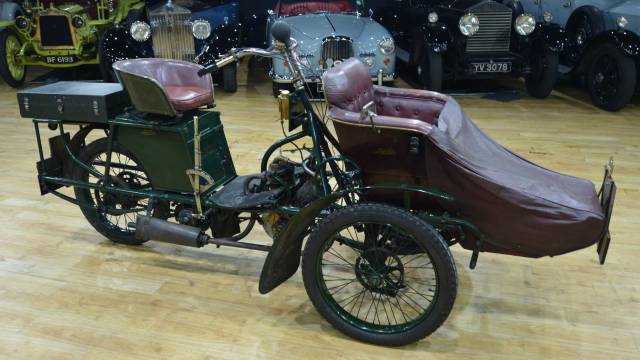
1904 | Lagonda Tricar
-

Create search alert
Let yourself be notified as soon as a listing is published that matches your search filters.
Create listing
Do you have a Lagonda Tricar that you want to sell? Then create a listing now.
Create listingLagonda Tricar Classic Cars: Prices & Market Values
History of the Lagonda Tricar
The Lagonda Tricar, introduced in 1904, is the very first vehicle created by Wilbur Gunn under the Lagonda name. Built in Staines, Middlesex, the Tricar reflects the transition period from horseless carriages to true motor vehicles. As its name suggests, the Tricar features a three-wheel configuration and was aimed at enthusiasts seeking a light, reliable means of motorised personal transport during a time when the British automotive landscape was only just emerging. Early Lagonda Tricars were successful in several reliability trials and competitions, helping the company to carve a name for itself amidst a rapidly growing industry.
Model History of the Lagonda Tricar
The Tricar served as the inaugural vehicle of the Lagonda marque. There was no direct predecessor, though its concept was in line with other early three-wheeled vehicles such as the Morgan Runabout. Production of the Lagonda Tricar was brief, as advances in technology and customer preferences soon shifted to four-wheeled configurations. Successors from Lagonda quickly evolved into more advanced motorcars, establishing the brand's reputation for luxury engineering.
Highlights of the Lagonda Tricar
The Tricar distinguishes itself with its lightweight three-wheel chassis, single-cylinder engine, and chain drive system. The open layout, with a front passenger compartment and rear-mounted powertrain, exemplifies the mechanical experimentation typical of veteran-era designs. With its robust participation in early reliability trials, the Tricar demonstrated the durability that characterised early Lagonda vehicles.
Technical Data of the Lagonda Tricar
Special Editions and Collectible Models
No officially documented special editions of the Lagonda Tricar are known due to its limited production run and the early era of automotive manufacturing in which it was produced.
Weak Spots and Common Issues
Due to the pioneering, handcrafted engineering and the age of the Lagonda Tricar, preservation challenges are considerable. Parts availability is extremely limited as almost every component was custom-made in period, requiring specialist knowledge for restoration and maintenance. Common concerns include chassis corrosion, perishable early tyres, and issues with ignition systems and carburation typical of pre-World War I veteran vehicles.
Engine, Transmission, and Handling
The Tricar’s single-cylinder engine offered modest performance compatible with contemporaries of the early 1900s, focusing on reliability rather than outright speed. The driving experience is defined by a high level of mechanical involvement, direct response from tiller or basic steering wheel control, and a wholly open, wind-in-the-face cockpit—reflecting its veteran character and the pioneering spirit of its era. Given its unique status, the Lagonda Tricar itself is the sole model of note and stands out for offering a direct window into the formative years of British motoring.
Interior, Comfort, Exterior, and Design
The exterior is defined by the open chassis, prominent mudguards, and exposed mechanical components, with seating for two or three depending on configuration. The wooden and metal elements provide an instantly recognisable period look. Interiors are minimalist: often only basic upholstery, wooden floors, and analogue instrumentation. Design was function-led, with practical storage spaces integrated where possible. Custom touches from owner or period coachbuilder sometimes appear, adding further individuality to surviving examples.
Other relevant features
Early Lagonda Tricars occasionally participated in historic re-enactment and veteran car events, and their engineering solutions, while primitive today, highlight the creativity of the brass-era British automotive industry.
Summary
The Lagonda Tricar stands as an authentic relic from the origins of British motoring, notable for its innovation and mechanical simplicity. Its exclusivity today is due to its age, unique layout, and pivotal role in Lagonda’s history, making it a reference point for enthusiasts of pre-war and veteran automobiles.