Jensen Interceptor classic cars for sale
Hand-built in Britain between 1966 and 1976 and featuring striking Italian design combined with massive American V8 power, the Jensen Interceptor delivers uncompromising long-distance comfort and performance. The Interceptor sets itself apart with its steel body, wrap-around rear hatch, and a cabin rich in leather and wood; it stands as the quintessential Grand Tourer for enthusiasts seeking both exclusivity and distinctive engineering.
Search results
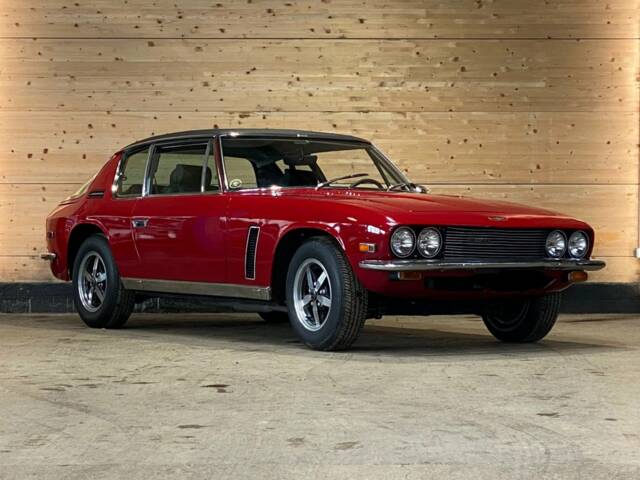
1972 | Jensen Interceptor MK III
Jensen Interceptor | 1972 | Route 66 Auctions - For sale by auction. Estimate 27000 EUR

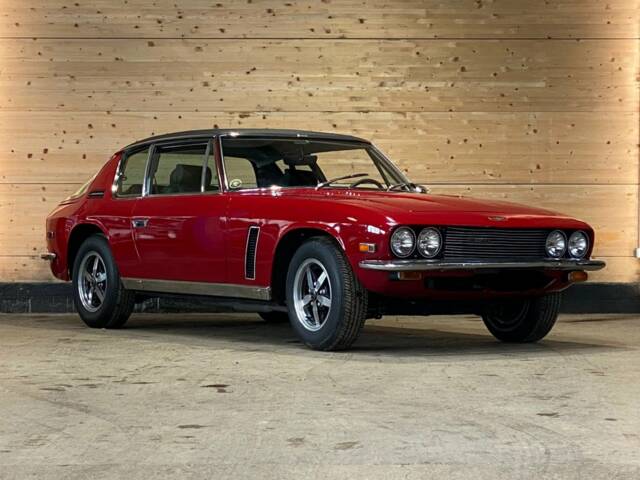
1972 | Jensen Interceptor MK III
Jensen Interceptor | 1972 | Route 66 Auctions - For sale by auction. Estimate 27000 EUR
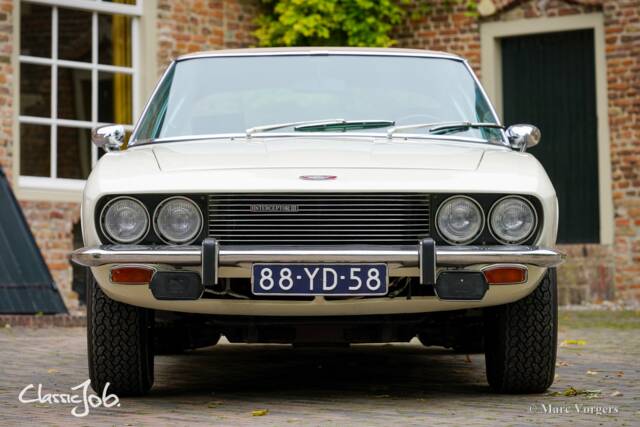
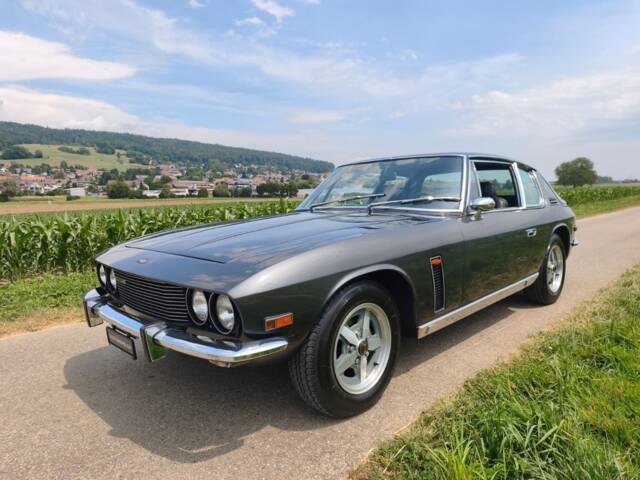
1973 | Jensen Interceptor MK III
Classic with a unique history - Swiss delivery - 45 years in the same ownership

Newsletter
The best Jensen listings, straight to your inbox
Get hand-picked Jensen listings, plus the best of cars, motorbikes, and auctions on Classic Trader — all in one place.
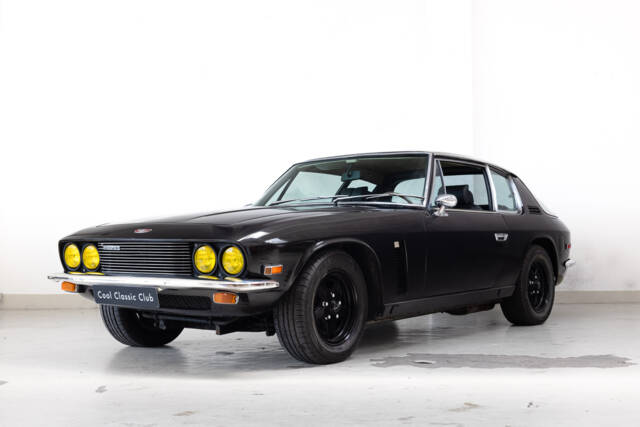
1973 | Jensen Interceptor MK III
- 7.2L V8 - Modern Enhancements -
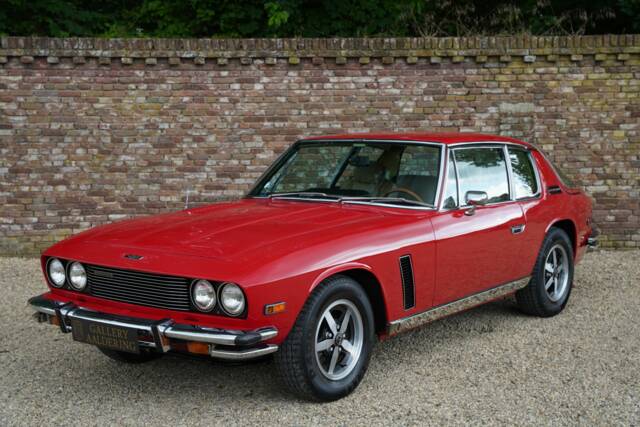
1976 | Jensen Interceptor MK III
Jensen Interceptor III Refurbished condition while retaining originality, Superb driving example, Striking livery in "Flag Red", From the 2211-series, Very well presented, Delivered originally to Canada, One of the last 100 Interceptor III's, Interior has beautiful patina, Specialist maintenance

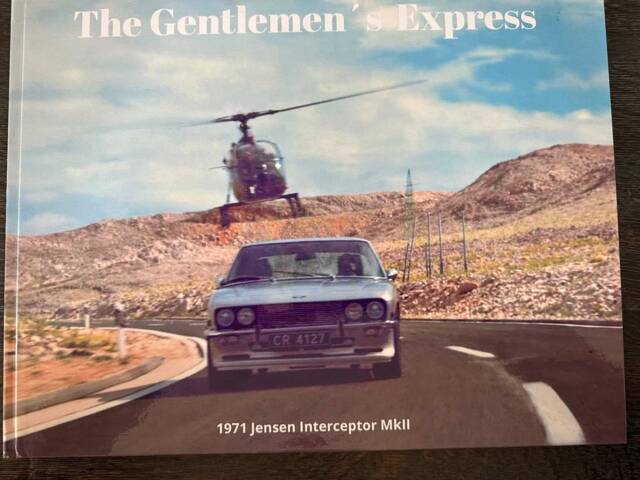
1971 | Jensen Interceptor MK II
Sonstige Sonstige

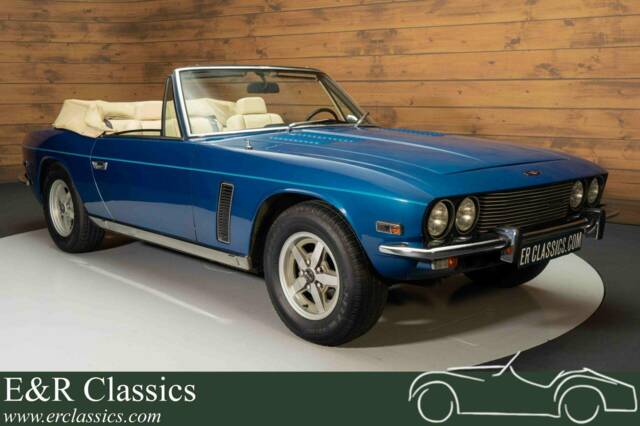
1977 | Jensen Interceptor MK III
Jensen Interceptor MK3 Cabriolet | Gerestaureerd | 1977
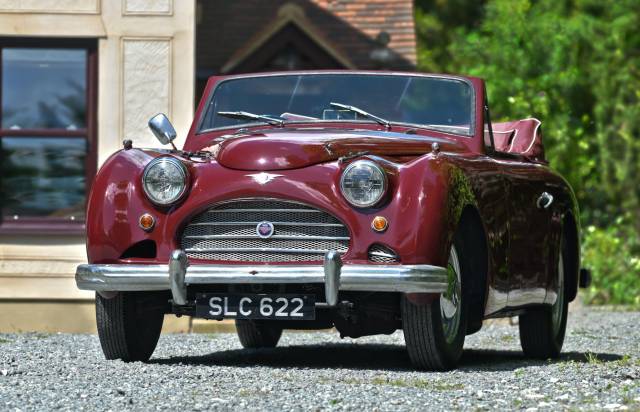

Jensen Interceptor listing references from Classic Trader
Below you will find listings related to your search that are no longer available on Classic Trader. Use this information to gain insight into availability, value trends, and current pricing for a "Jensen Interceptor" to make a more informed purchasing decision.
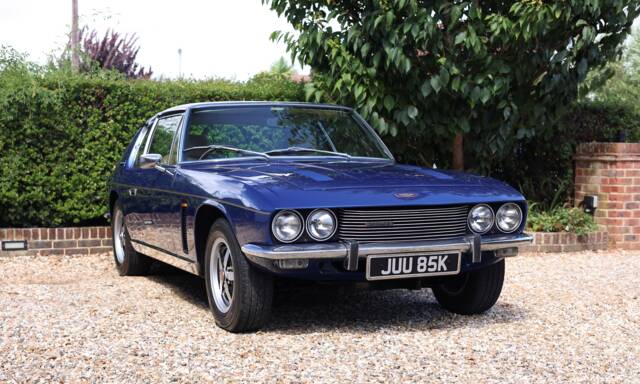
1972 | Jensen Interceptor MK III
1972 Jensen Interceptor Mk. III
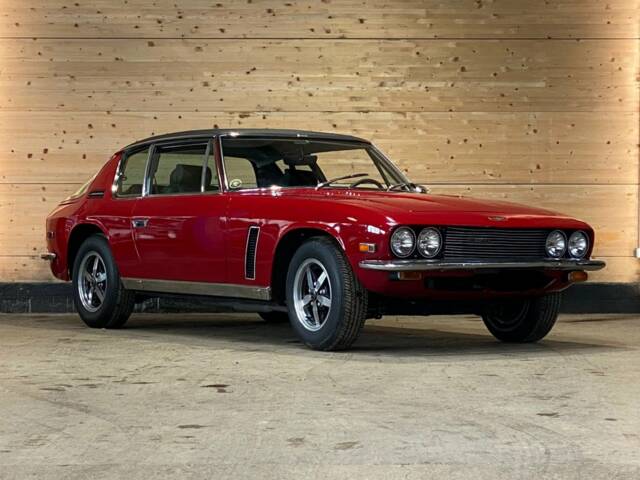
1972 | Jensen Interceptor MK III
Jensen Interceptor | 1972 | Route 66 Auctions - For sale by auction. Estimate 33000 EUR
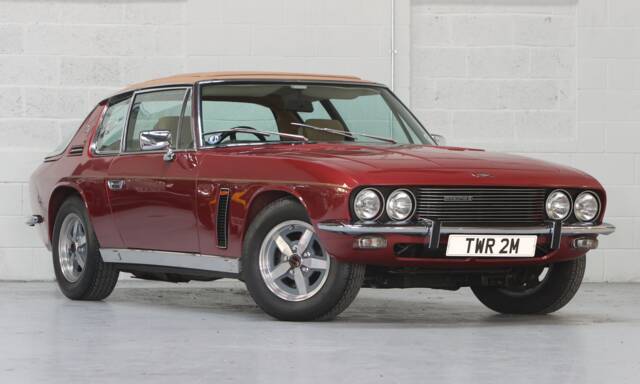
1974 | Jensen Interceptor MK III
1974 Jensen Interceptor Mk. III
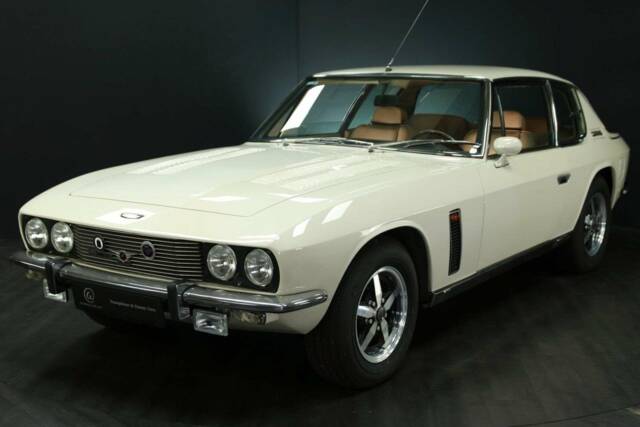
1974 | Jensen Interceptor MK III
Sonstige Marken Sonstige
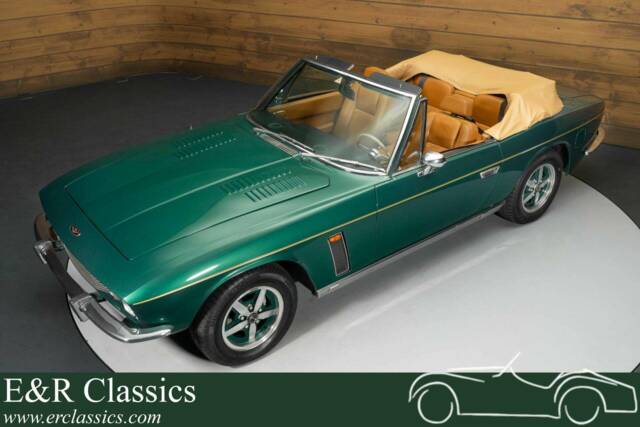
1974 | Jensen Interceptor MK III
Jensen Mk III
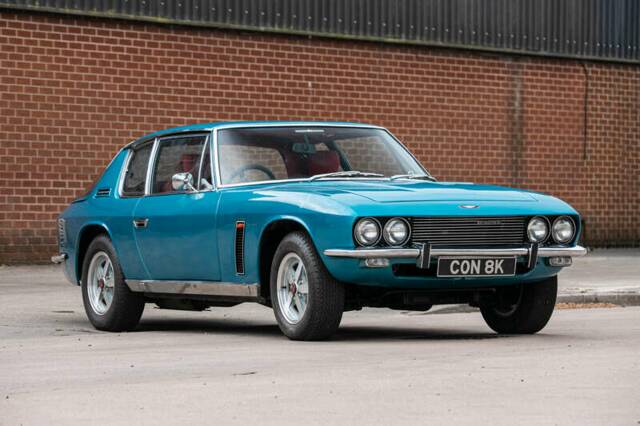
1972 | Jensen Interceptor MK III
1972 Jensen Interceptor III - Ex-John Bonham of Led Zeppelin
Jensen Interceptor Classic Cars: Prices & Market Values
The market value of Jensen Interceptor classic cars is primarily determined by the specific manufacturer code and variant, as well as technical condition, originality and mileage. Additional factors include rarity, history and documentation. A well-maintained, largely original vehicle with low, verifiable mileage and complete history including appraisals and documentation typically achieves significantly higher prices than a comparable vehicle with deferred maintenance, many modifications or unclear provenance.
Jensen Interceptor: Market Prices & Value Trends
Based on sales data from the Classic Trader marketplace, the Jensen Interceptor market in Europe has been broadly stable to slightly firmer over the last five years (2021–January 2026), with most activity centred on MK III cars from the early-to-late 1970s (typically 1972–1977). Recent asking prices cluster in a realistic mid-market band rather than moving in a straight line: most well-presented, road-ready Interceptors tend to sit around €55,000 to €85,000, with occasional higher figures (into the €90,000–€110,000+ bracket) likely reflecting exceptional condition, specification, or restoration quality rather than the norm. UK adverts show a similarly wide spread in £ terms, underlining how strongly condition and history influence value in this category. For today’s buyers, that means the market rewards provenance, documented rebuilds and correct detailing, while projects and cars needing major work trade far lower and should not be used as headline benchmarks. Ongoing interest is supported by the Interceptor’s distinctive grand touring character, Chrysler V8 performance, and limited supply of genuinely sorted examples.
History of the Jensen Interceptor
Jensen launched the Interceptor between 1966 and 1976 in West Bromwich, England. This model marked a departure from Jensen’s previous reliance on glassfibre for body panels; instead, the Interceptor featured a steel bodyshell. The Interceptor name had previously appeared on an earlier Jensen (1950–1957), but the 1966 model was a complete reinvention, initiated after the 'Early Interceptor'. The new car boasted design by Carrozzeria Touring of Milan and early assembly in Italy by Vignale, before production moved to the UK. Jensen positioned the Interceptor in the high-end GT segment, drawing a well-heeled clientele who valued performance and comfort. Through its decade-long run, only about 6,400–6,500 examples of all Interceptor variants left the factory, cementing its exclusivity.
Model Range and Development
The earliest Jensen Interceptor (1950–1957) was based on the Austin A70 and used a four-litre inline-six. Just 88 cars of this generation were built. The modern Interceptor series began in 1966, starting with the Mk I, primarily using a Chrysler 6.3-litre V8 and three-speed Torqueflite automatic transmission. The Mk II, introduced in 1969, brought notable front-end changes, compliance with US interior regulations, and ventilation upgrades. The Mk III followed in 1971, debuting the larger 7.2-litre V8 and detail improvements like air-conditioning as standard and refined trim. Special body styles included the Convertible (from 1974)—limited to about 267 examples—and the exceedingly rare Coupé with just 46 cars made. 1976 saw production end as Jensen succumbs to financial turmoil. Later, the Interceptor S4 (1990–1992) was a brief attempt to revive the brand, with minor production.
Highlights and Distinguishing Features
Steel construction combined with an Italian-styled silhouette designed by Touring make the Interceptor instantly recognisable. The wrap-around glass rear hatch offers both visual drama and usability, while luxurious interiors—rich in leather and burl walnut—define the cabin. Mechanically, American V8s deliver impressive output: up to 385 hp in the SP model, 0–100 km/h in under 7 seconds, and an effortless 200+ km/h top speed. Adjustable Selectaride dampers, all-disc brakes, and power steering round out a sophisticated driving package. Famous owners from Frank Sinatra to Jimi Hendrix underscore its cultural cachet. The Interceptor's supply is dominated by the Mk III, accounting for approximately 70% of listings, and buyer interest mirrors this at around 69%, showing a clear preference for the final, most developed version.
Technical Data
Special Editions and Rare Models
- Interceptor SP (Six Pack): Built from August 1971, the SP was the most powerful Interceptor ever, with a triple-carb 440ci V8 ('Six Pack') delivering up to 385 hp; only a small number produced.
- Convertible (1974–1976): Mk III technology in an open body; production remained under 300 units, making it highly sought after, especially left-hand drive.
- Interceptor Coupé (1975–76): Very rare, total production just 46 cars, all with the Chrysler 440 V8.
- Interceptor S4 (1990–92): Post-original production, 16 units built with modernised tech and minor design tweaks; extremely rare.
Weak Spots and Common Issues
While the Interceptor’s steel body ensures rigidity, rust-prone areas include lower body panels, sills, and subframes, especially if early rust-proofing has deteriorated. Mechanical wear on the aging Chrysler V8s and Torqueflite automatics is predictable, and parts supply is secure thanks to UK specialists, though restoration costs can be significant. Interiors—featuring leather, wood, and electric options—can be costly to refurbish but are repairable thanks to the availability of retrim kits and component specialists. Electrical gremlins occasionally arise from original Lucas components. Originality is prized, but many cars have been updated with modern mechanicals, so buyers should check for sympathetic modifications or past restoration quality.
Engine Performance, Transmission and Handling
With up to 385 hp from the largest 'Six Pack' V8, the Interceptor sprints from 0–100 km/h in about 7 seconds and comfortably exceeds 200 km/h, cementing its reputation as a powerful GT. Rear-wheel drive delivers traditional handling; while the car is heavy, power steering and adjustable suspension provide a comfortable, stable ride over long distances. Early cars used a live rear axle; restomods may feature independent rear suspension. Disc brakes and 'Selectaride' dampers give good stopping and handling for the period, though high speeds demand regular maintenance of suspension and brakes. - Mk III: Favoured for its refined engine, comprehensive equipment, and supply dominance (over 70% of listings).
- SP: Sought for its output and limited production.
- Convertible: Rare open version prized by enthusiasts and collectors.
Exterior, Interior and Design
The Interceptor’s body, penned by Carrozzeria Touring, features its signature wrap-around rear window and aggressive stance. Early cars were built and trimmed by Vignale in Italy, later UK production refined details. The Mk I/II fastback coupés remain the best-known silhouette, while Mk III updates brought alloy wheels, more sophisticated bumpers, and standard air-conditioning. The convertible, with its powered soft top, is especially coveted. Interior layouts offer expansive, leather-upholstered seats for four, classic Smiths instrumentation, walnut veneers, and extensive comfort features including electric windows, central locking, and—latterly—air-conditioning. Extended equipment lists included GKN alloys, improved stereos, and high-grade carpets, setting the car apart from contemporary British rivals.
Other Notable Features
The Interceptor’s reputation as the 'Gentleman’s Express' comes not only from its performance and luxury, but also its status as a cinematic and celebrity favourite—appearing in films such as 'Fast & Furious 6' and in the garages of names like Princess Anne and Tony Curtis. Numerous cars have been restored or sympathetically modernised ('restomods') with newer engines, improved suspension, and updated interiors. Left-hand drive cars, particularly early Mk I and convertibles, are extremely rare (77, 46, and just a handful respectively). A strong owners’ network and specialist spares supply (Martin Robey, Cropredy Bridge) ensure continued support for the marque.
Summary
The Jensen Interceptor embodies a unique blend of British grand touring tradition and American V8 muscle, wrapped in an Italian-designed body. Its rare status—only around 6,500 built—adds to its appeal, with the Mk III standing out for both collector interest and availability. Distinctive for its luxury-focused cabin, dramatic rear hatch, and muscular performance, the Interceptor occupies a singular place in classic motoring history: powerful, extravagant, and deeply individual.