Jaguar XJR classic cars for sale
The Jaguar XJR series stands for uncompromising performance and cutting-edge technology, directly derived from motorsport legends like the XJR-9 Le Mans winner. With exclusive carbon-fibre construction, limited production numbers, and engineering by JaguarSport and Tom Walkinshaw Racing, the XJR line offers a fascinating blend of automotive innovation and British racing tradition.
Suchergebnisse
Zur Zeit sind keine passenden Inserate zu Ihrer Suche veröffentlicht.
Create search alert
Let yourself be notified as soon as a listing is published that matches your search filters.
Create listing
Do you have a Jaguar XJR that you want to sell? Then create a listing now.
Create listingJaguar XJR listing references from Classic Trader
Below you will find listings related to your search that are no longer available on Classic Trader. Use this information to gain insight into availability, value trends, and current pricing for a "Jaguar XJR" to make a more informed purchasing decision.
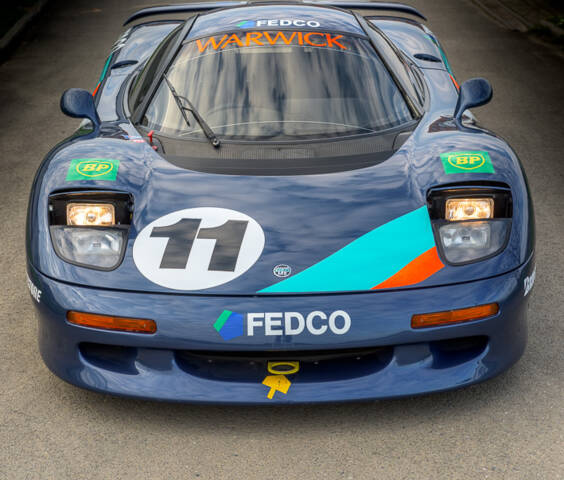
1990 | Jaguar XJR-15
Winner Monaco Street Legal and the only one with 7 Liters engine
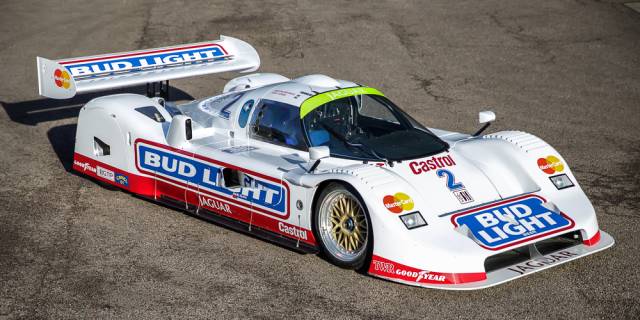
1989 | Jaguar XJR-10
1989 Jaguar Sport XJR10

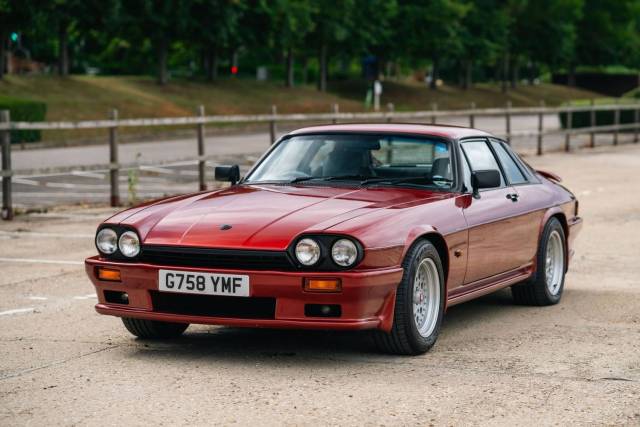
1989 | Jaguar XJR-11
Hyper By Name - Hypercar by Nature
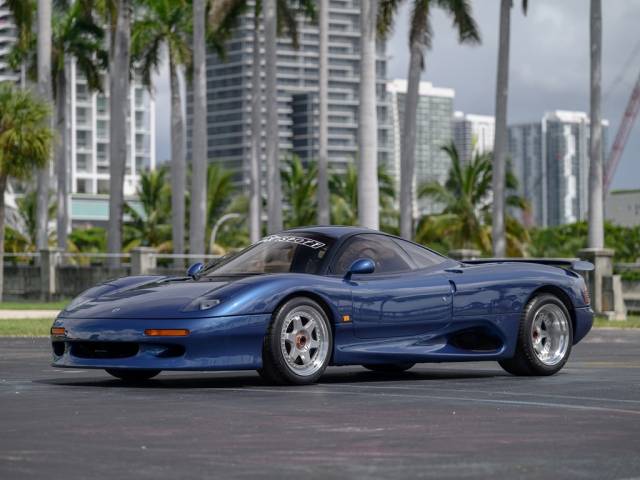
1991 | Jaguar XJR-15
1991 Jaguar XJR-15
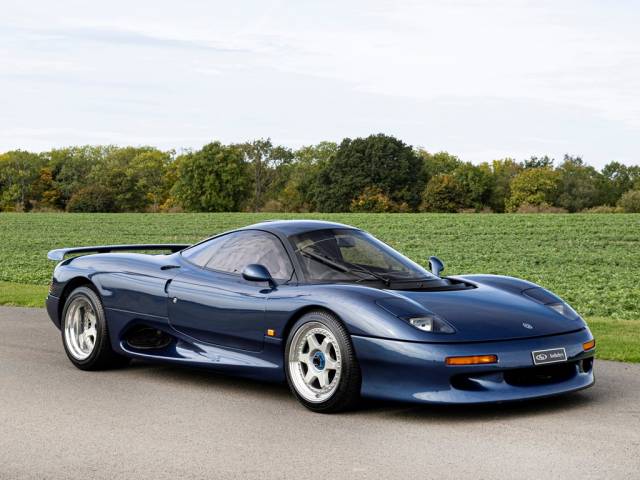
1991 | Jaguar XJR-15
1991 Jaguar XJR-15
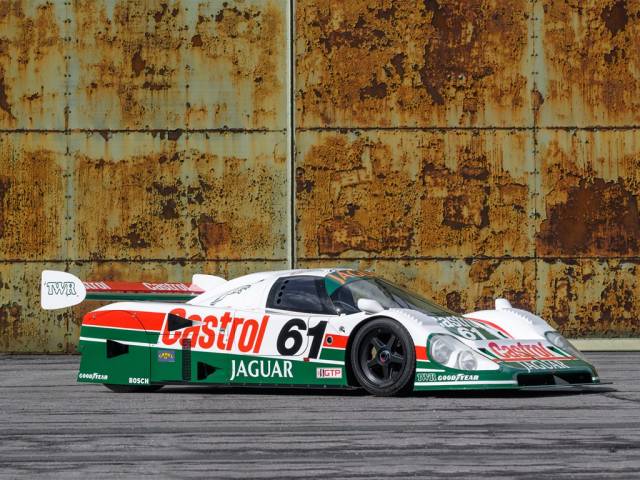
1988 | Jaguar XJR-9
1988 Jaguar XJR-9
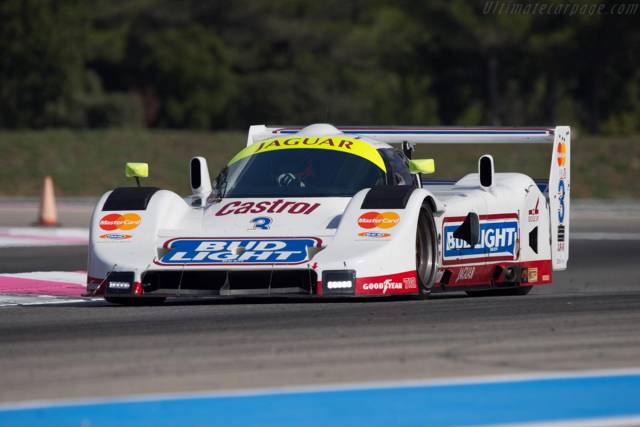
1991 | Jaguar XJR-16
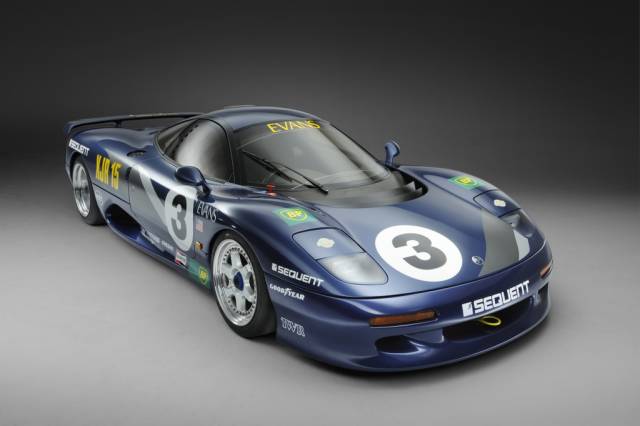
1991 | Jaguar XJR-15
Sport
Create search alert
Let yourself be notified as soon as a listing is published that matches your search filters.
Create listing
Do you have a Jaguar XJR that you want to sell? Then create a listing now.
Create listingJaguar XJR Classic Cars: Prices & Market Values
History of the Jaguar XJR
The Jaguar XJR nameplate has distinguished several significant vehicles in Jaguar’s line-up: from the Group C racing machines that dominated endurance events to high-performance luxury saloons. Most notably, Jaguar’s collaboration with Tom Walkinshaw Racing under the JaguarSport joint venture propelled the birth of the XJR sportscar line in the mid-1980s, aiming for supremacy in the World Sportscar Championship. The legendary XJR-9, which won Le Mans in 1988 and 1990, provided the basis for the road-legal XJR-15, marking the transition of motorsport technology into a select series of road cars.
Model Series History
The lineage started with pure-bred competition machines such as the Jaguar XJR-9, evolving into the XJR-15—a road-going derivative exclusively developed by JaguarSport. Only 50 Jaguar XJR-15s were produced, and just 27 of these were built in street-legal configurations, with the rest reserved for racing. The XJR-15 introduced technologies such as the world’s first full carbon fibre and Kevlar monocoque, predating even more famous supercars. Its central monocoque structure, suspension setup, and engine refinement were heavily influenced by the engineering of the XJR-9.
Highlights & Unique Features
- The XJR-15 stands as the world's first road car featuring a full carbon fibre and Kevlar body and monocoque chassis.
- Road versions employ a highly modified 6.0-litre V12, delivering around 450 bhp and a low kerb weight of ca. 1,043 kg—performance unmatched by contemporaneous supercars.
- Design credentials include Peter Stevens, also famed for the McLaren F1, integrating clear carbon weave finishes and features like see-through engine covers and unique interior carbon trim.
- The XJR-15’s construction used race-derived double wishbone suspension, a bespoke transaxle gearbox, and AP Racing brakes with four-piston callipers.
Technical Data
Special Editions and Collectible Models
The XJR-15 is, by its very nature, a special edition. Only 50 examples were produced between 1990 and 1992—27 of which were street-legal, making it arguably the most exclusive road-going Jaguar of modern times. Each car was hand-built to order. Notably, each XJR-15 features distinct combinations of carbon fibre finish, interior details, and numbered plaques, further enhancing its collectibility.
Weak Spots and Common Issues
While specific data on common faults is scarce due to limited production, buyers should be mindful of the highly specialised construction. Carbon fibre and Kevlar components may be costly to repair or replace. The bespoke JaguarSport powertrain and unique transmission require expert knowledge for maintenance. With race-bred engineering, regular inspection of suspension and brake components is vital. Special attention should be paid to the condition of the monocoque, original OZ racing wheels, and whether all specialised interior components (like built-in headsets and the unusual gearshift) are present and functioning.
Engine, Transmission & Handling
The XJR-15 delivers unfiltered V12 performance with roughly 450 PS channelled through a five-speed transaxle gearbox on road cars (six-speed for race versions). Its lightweight carbon structure, race-developed suspension and AP Racing brakes translate to striking agility and responsiveness. The driving experience is raw, with an intense connection to the machine and its Le Mans heritage. The Nardi steering wheel and direct feedback make the XJR-15 as challenging as it is rewarding to drive—an authentic race car adapted, minimally, for road use. - Jaguar XJR-15 (1990-1992): Road car variant, 6.0-litre V12, 450 PS, 1,043 kg, 50 units built (27 road cars).
- Jaguar XJR-9: Race-prepared, Le Mans-winning predecessor, donor of chassis and engineering ethos.
Interior, Comfort & Design
Authored by Peter Stevens, the XJR-15’s design language is purposeful and honouring of its racing roots. Visually distinct for its see-through carbon fibre skin, streamlined proportions, and central monocoque, it incorporates elements like a transparent engine cover and three-piece OZ Racing wheels. The interior features deep leather racing seats, built-in driver and passenger headsets for in-cabin communication, carbon-trimmed instruments, and a rare shifter position integrated into the sill. Options were extremely limited—each car's sparse, race-inspired cabin is tailored for minimalist luxury, favouring weight reduction over conventional comfort.
Other Notable Features
The XJR-15 benefits from specific endurance racing technology, including inboard brake hardware to reduce unsprung mass and pushrod-actuated front suspension. Each vehicle's provenance is closely tied to the still-young era of carbon technology adoption. Not many classic cars on the market offer the combination of direct Le Mans lineage, exclusivity, and the uncompromising focus on performance over comfort seen with this model.
Summary
The Jaguar XJR series—especially the XJR-15—embodies the transition from endurance racing victory to radical, road-legal engineering. With sole focus on its own category within Jaguar’s classic car scene, it draws unparalleled attention from collectors and connoisseurs alike. Buyers should be aware of the challenges posed by its specialised construction and maintenance, but will be rewarded with chassis and performance capabilities that remain exceptional even by today's standards.