- Car
- Iveco Magirus
- Iveco Magirus 65 (1 offer)
Iveco Magirus 65 Classic Cars for Sale
The Iveco Magirus 65 stands out as a robust and reliable classic utility vehicle, particularly favoured for its resilience in commercial and municipal sectors. Renowned for its durable construction and pragmatic design, this model appeals to enthusiasts and collectors seeking vehicles with authentic working-class character and history.
Search results
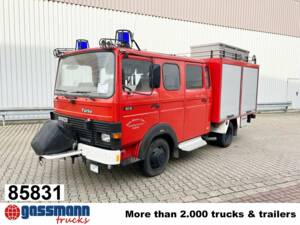
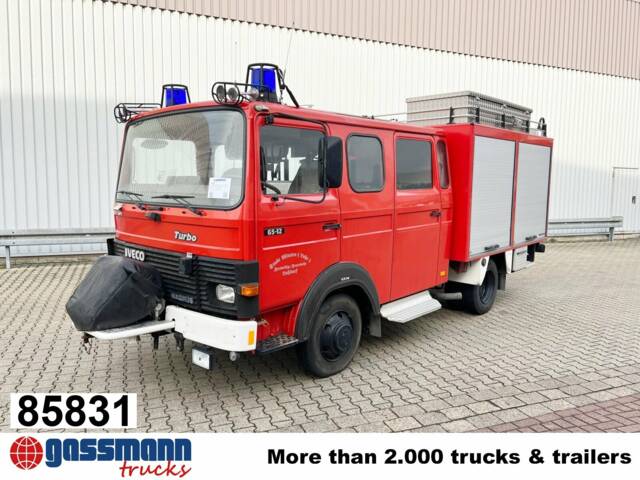
1993 | Iveco Magirus 65-12
65-12 A 4x2 Feuerwehr Doka, LF 8

Iveco Magirus 65 listing references from Classic Trader
Below you will find listings related to your search that are no longer available on Classic Trader. Use this information to gain insight into availability, value trends, and current pricing for a "Iveco Magirus 65" to make a more informed purchasing decision.
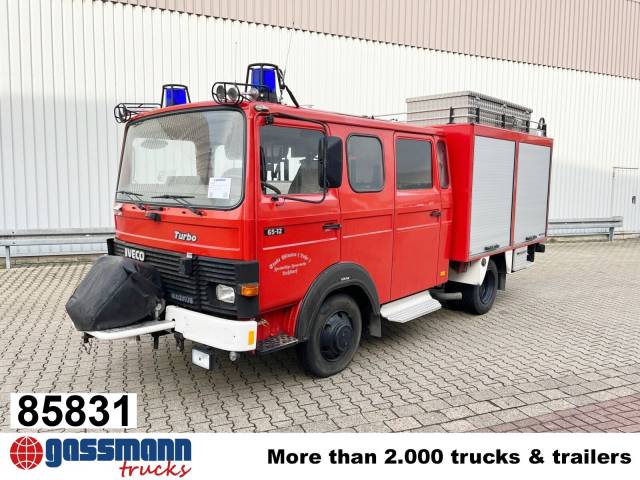
1993 | Iveco Magirus 65-12
65-12 A 4x2 Doka, LF 8
Iveco Magirus 65 Classic Cars: Prices & Market Values
History of the Iveco Magirus 65
Iveco Magirus emerged as a collaboration between the Italian industrial vehicle leader Iveco and the historic German manufacturer Magirus-Deutz. The 65 series played a crucial role from the late 1970s onwards, bridging traditional Magirus-Deutz engineering with new Iveco technologies. Primarily serving as a medium-weight utility truck, the 65 series was commonly used by municipal services, fire departments, and commercial fleets—signifying a transition period in commercial vehicle manufacturing. The truck’s widespread utility reflects the era’s pragmatic design philosophy, blending solid German manufacturing with Italian industrial sensibilities.
Model History of the 65 Series
The 65 series continued the Magirus-Deutz lineage of reliable, air-cooled diesel trucks, adapting to evolving requirements as part of the growing Iveco brand portfolio after the full acquisition by Iveco. Predecessors included earlier Magirus-Deutz light-duty trucks, while the 65 was succeeded by more modern, computer-aided and emissions-compliant Iveco models. The 65 series represents an intersection—an end of the purely Magirus-Deutz era and the start of modular, globally-produced Iveco platforms.
Highlights of the Iveco Magirus 65
Notable for its uncompromising chassis, air-cooled diesel engine heritage, and legendary reliability under heavy use, the 65 series was a mainstay in municipal and commercial fleets. Key technical highlights include its straightforward, service-friendly engineering and compatibility with a wide array of body types—from flatbeds to fire truck conversions. The practical, no-nonsense cockpit design and accessible mechanical layout foster ease of maintenance and robust operation even decades after production.
Technical Data for the Iveco Magirus 65
Special Editions and Collectible Models
No special or limited-edition versions are distinctly documented for the Iveco Magirus 65. Variations were mostly linked to bodywork adaptations—such as ladder trucks, tippers, or box vans—tailored for specific fleet or municipal requirements rather than factory-built collector versions.
Weak Spots and Common Issues
No documented weak spots or recurring technical concerns specific to the Iveco Magirus 65 have been highlighted in the provided data. Nonetheless, buyers should inspect classic utility vehicles for signs of chassis corrosion, neglected maintenance, and wear related to commercial use, as with any truck of similar vintage.
Engine, Performance, Transmission and Handling
The Iveco Magirus 65 traditionally featured robust air-cooled diesel engines matched to manual gearboxes. Engine output prioritised torque for hauling and reliability rather than speed. The unassisted steering, rigid axles, and conventional suspension setup provided a driving experience typical for medium-weight trucks of the era—direct, utilitarian, but physically demanding compared to modern equivalents. These trucks excel in low-speed manoeuvrability and resilience under load, making them a fascinating choice for historic utility events, parades, or preservation in working collections. The prominent configuration within the 65 series is the MK (manufacturer code), accounting for all supply and demand in current classic vehicle listings.
Interior, Comfort, Exterior and Design
The design of the Iveco Magirus 65 reflects the utilitarian ethos of its era. The cab provides basic, functional accommodation for the driver and crew, with hard-wearing plastics, vinyl, and steel surfaces. Exteriors typically feature squared-off lines, prominent wheel arches, and a practical, elevated cab for road visibility and maintenance access. Comfort features are minimal, focusing on durability; typical options included robust seating, simple instrumentation, and hardwearing livery colours dictated by fleet or municipal specification. Special accessories and configurations depended on end use, with firefighting and cargo transport models being especially common.
Other Details
Due to the model’s popularity in municipal service, many examples on today’s market have specialty adaptations (e.g., fire engines, technical support vehicles). This legacy means surviving 65s often come equipped with unique, profession-specific equipment or bodies, making them attractive to collectors with niche interests.
Summary
The Iveco Magirus 65 is a benchmark example of classic European utility vehicles, cherished for its rugged dependability and direct mechanical character. Market data shows the 65 MK as the sole representative in this vehicle class, reflecting its central place in the Iveco Magirus heritage. For collectors and enthusiasts seeking authenticity, practicality, and a direct link to Europe’s commercial vehicle history, the 65 series remains a compelling choice.