- Car
- Iveco Magirus
- Iveco Magirus 60 (4 offers)
Iveco Magirus 60 classic vehicles for sale
The Iveco Magirus 60 represents a robust class of utility vehicles, renowned for their straightforward mechanical construction and suitability for both everyday and specialised applications. Their availability on the classic market is singular: every Magirus 60 offered bears the distinctive MK manufacturer code, making it an unmistakable point of focus among classic commercial vehicles.
Search results
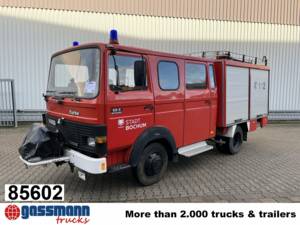
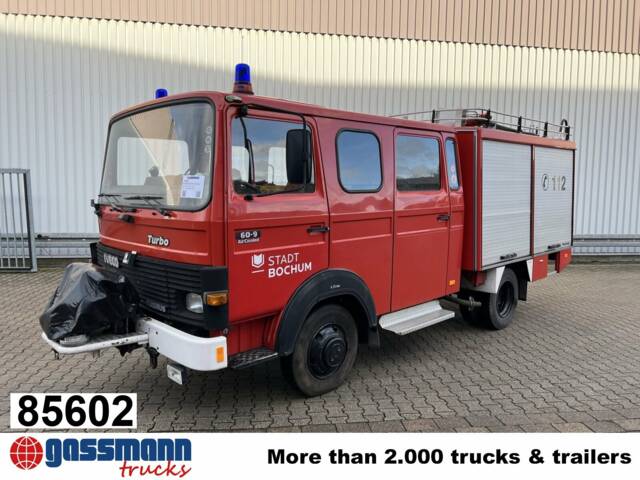
1986 | Iveco Magirus 60-9
60-9 A 4x2 Doka, LF 8, Feuerwehr

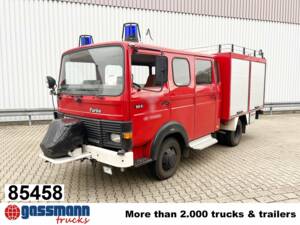
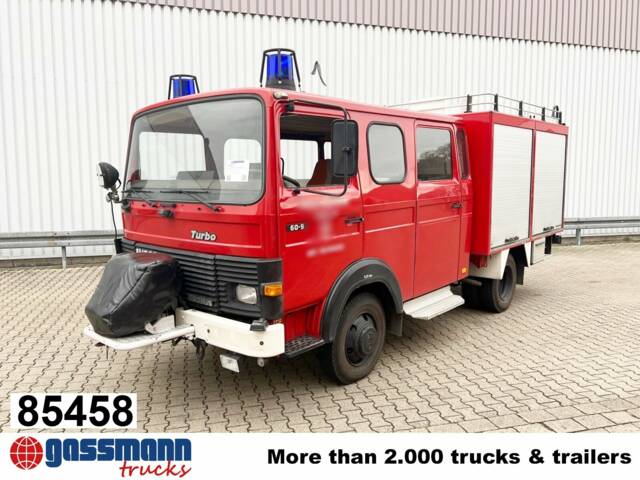
1990 | Iveco Magirus 60-9A
60-9A Doka 4x2, LF8, Feuerwehr
Auctions ending soon

Loading…
Loading…
Loading…
Loading…
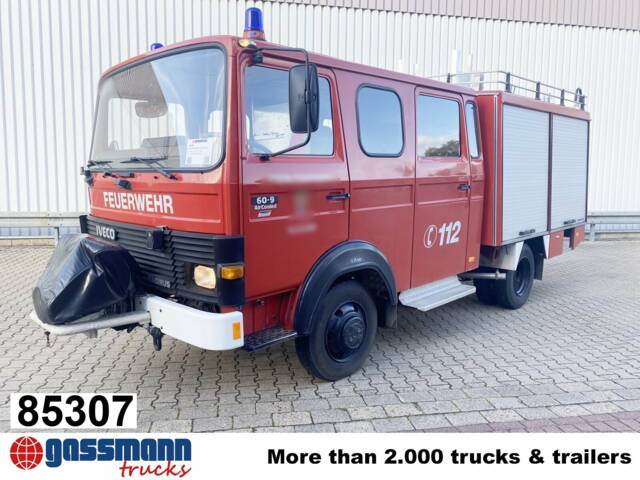
1986 | Iveco Magirus 60-9
60-9 A 4x2 Doka, LF 8, Feuerwehr
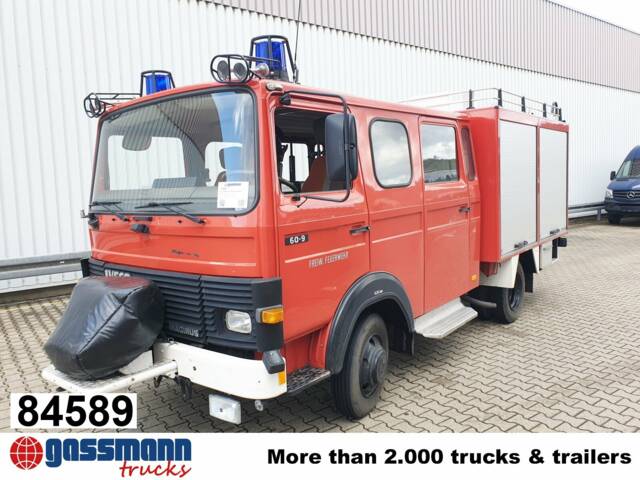
1990 | Iveco Magirus 60-9A
60-9A Doka 4x2, LF8, Feuerwehr
Newsletter
The best Iveco Magirus listings, straight to your inbox
Get hand-picked Iveco Magirus listings, plus the best of cars, motorbikes, and auctions on Classic Trader — all in one place.
Iveco Magirus 60 listing references from Classic Trader
Below you will find listings related to your search that are no longer available on Classic Trader. Use this information to gain insight into availability, value trends, and current pricing for a "Iveco Magirus 60" to make a more informed purchasing decision.
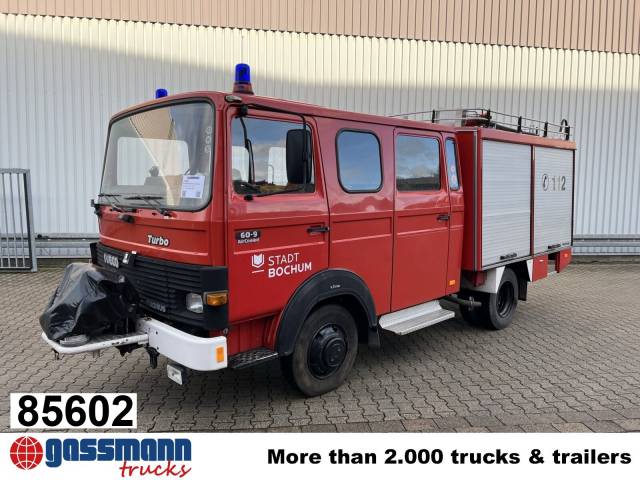
1986 | Iveco Magirus 60-9
60-9 A 4x2 Doka, LF 8
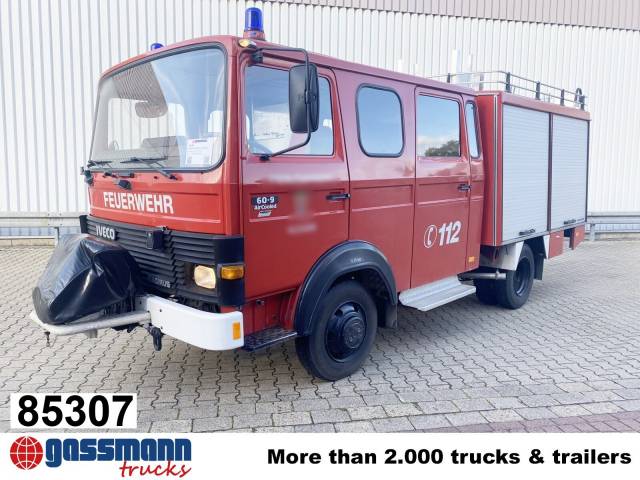
1986 | Iveco Magirus 60-9
60-9 A 4x2 Doka, LF 8
Iveco Magirus 60 Classic Cars: Prices & Market Values
History of the Iveco Magirus 60
Iveco Magirus emerged in the late 1970s as a merger between Italian and German engineering traditions, bringing together Iveco’s resources and Magirus-Deutz's experience in the commercial vehicle sector. The 60 series, developed during an era marked by rapid evolution in heavy vehicle technology, catered to a growing European demand for dependable mid-weight lorries. Its design drew on tried-and-tested solutions, like robust ladder frames and air-cooled diesel engines, making it a familiar sight for decades in municipal fleets, fire brigades, and specialised transport companies.
Development and evolution of the 60 series
The Magirus 60 series replaced earlier Deutz-based lorries, adopting design cues and mechanical elements from both Iveco and Magirus-Deutz predecessors. While the core concept remained consistent—sturdy, easily serviceable cab-over-engine lorries—the series saw gradual technical updates. Later generations integrated improved safety features and emission standards, adapting to stricter European regulations. Ultimately, later Iveco models superseded the 60 series, but their reliability has ensured a notable presence among classic utility vehicles.
Noteworthy features and market statistics
The most distinguishing aspect of the Magirus 60 is its mechanical authenticity—these vehicles are easily recognised by their simple but effective technology. The air-cooled diesel engines, renowned for longevity and minimal electronic dependencies, appeal to mechanics and enthusiasts alike. The 60 series delivered high payload capacities with a straightforward, practical cab design, especially valued in rural and municipal roles.
Technical data
Special editions and rare variants
Information on specific special editions of the Iveco Magirus 60 is limited. However, models adapted for municipal services (notably fire trucks and rescue configurations) and vehicles with bespoke bodywork by specialist coachbuilders are especially sought after by collectors looking for authentic period utility and service vehicles.
Weak points and common issues
As with many commercial vehicles of its era, the 60 series can be prone to chassis corrosion, especially in models subject to repeated exposure to road salt or standing water. Regular checks of the frame and cab mounts are essential. Mechanical issues are relatively rare, thanks to straightforward engineering, but diesel injection systems and worn brake lines may require attention after decades of service. Parts availability remains fair due to the shared components with other Iveco and Magirus-Deutz models.
Engine, transmission and on-road behaviour
The engine characteristics of the Magirus 60 are defined by reliable, air-cooled diesel units mated to robust manual gearboxes. These vehicles excel in torque delivery, essential for heavy loads, and maintain consistent performance in long-running service tasks. The simple suspension and steering layouts give a no-nonsense driving experience, best suited to experienced hands familiar with classic lorries. Their practicality remains attractive for those valuing mechanical simplicity over modern comforts. Among the 60 series, models outfitted for specific duties—such as fire engines and box vans—are preferred due to their preserved originality and ready usability for classic commercial exhibitions and rallies. Each variation offers slightly different load ratings and equipment levels, catering to a variety of practical requirements.
Cab, interior and exterior design, equipment
The cab-over layout of the Magirus 60 gives a clear view and confident driving position, supported by ergonomic controls engineered for work rather than luxury. Materials are utilitarian—durable fabrics, steel dashboards, and a focus on easy access for service work. Many vehicles retain original livery—particularly rescue or municipal schemes—which adds to period authenticity. Factory accessories often include reinforced bumpers, tool storage, and optional heating or lighting equipment tailored to professional users.
Additional features and unique aspects
Some surviving Magirus 60s have been retrofitted for camper conversions or mobile workshops, taking advantage of the vehicle’s generous interior volume and structural strength. Their adaptability is still prized among enthusiasts looking for a reliable platform for creative projects.
Summary
The Iveco Magirus 60 stands out as a thoroughly practical, technically accessible choice among classic commercial vehicles. Its pure mechanical character, robust construction, and clear market focus—supported by the comprehensive Classic Trader listing statistics—make it an essential consideration for connoisseurs of vintage utility vehicles.