Horch P 240 classic cars for sale
The Horch P 240 stands out as an exceptional representation of post-war German engineering, known for its advanced chassis, smooth straight-six engine, and its role as a prestigious state limousine in the mid-20th century.
Search results
Currently, there are no matching listings for your search.
Create search alert
Let yourself be notified as soon as a listing is published that matches your search filters.
Create listing
Do you have a Horch P 240 that you want to sell? Then create a listing now.
Create listingHorch P 240 listing references from Classic Trader
Below you will find listings related to your search that are no longer available on Classic Trader. Use this information to gain insight into availability, value trends, and current pricing for a "Horch P 240" to make a more informed purchasing decision.
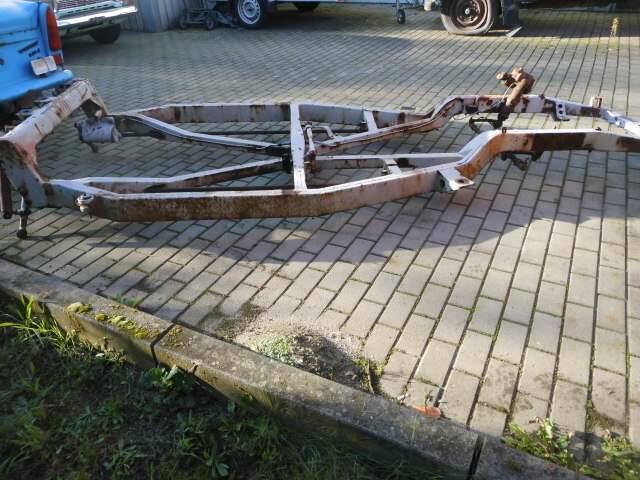
1956 | Horch P 240 Sachsenring
Oldtimer Horch Sachsenring P 240 Rahmen

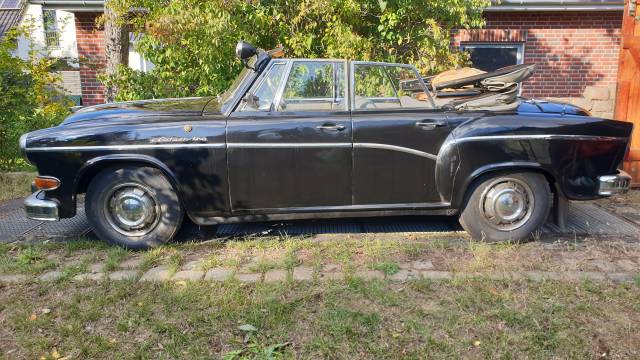
1958 | Horch P 240 Sachsenring
Letztes gebaute 4-türige Sachsenring Cabrio P240 mit der Nr. 5/58
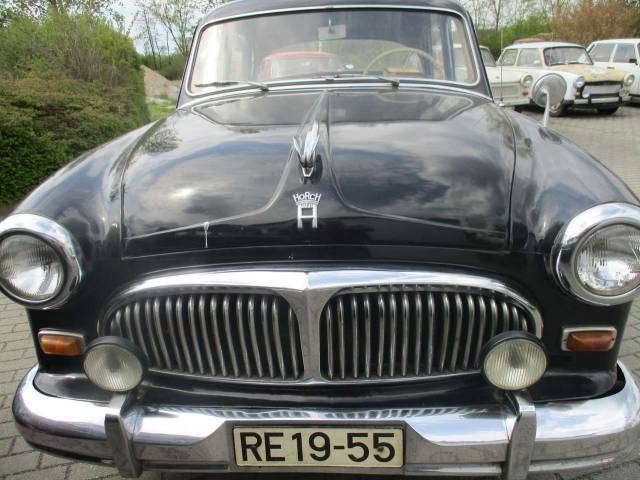
1957 | Horch P 240 Sachsenring
Oldtimer Horch
Create search alert
Let yourself be notified as soon as a listing is published that matches your search filters.
Create listing
Do you have a Horch P 240 that you want to sell? Then create a listing now.
Create listingHorch P 240 Classic Cars: Prices & Market Values
History of the Horch P 240
The Horch P 240 was introduced in the mid-1950s by the VEB Automobilwerk Horch Zwickau, situated in Saxony, East Germany. Its development marked one of the last efforts by the historic Horch brand, which had once been synonymous with high-class automobiles in the pre-war era. The P 240 became well-known as a state and government vehicle, often used in official fleets throughout the Eastern Bloc. Its robust engineering and understated, stately presence reflected the aspirations of East German car manufacturing in a politically divided Europe. The car's production continued until 1959, after which the brand faded and gave way to later models under new badges.
Model History
The P 240 was the direct successor to the pre-war Horch models, including the H3 and 830 series. While bearing the Horch name, the P 240 represented a significant technical evolution with its monocoque body, independent suspension, and modern design cues. When production ended in 1959, the East German luxury car landscape was eventually filled by the Sachsenring P 240, a re-badged version after Horch was phased out, marking the end of traditional Horch-branded cars.
Highlights of the Horch P 240
The Horch P 240 is recognised for its innovative independent suspension and three-litre inline-six engine, providing long-distance comfort and smooth performance, even by today's standards for classic saloons. The car's exclusivity and its period role as an official transport for state dignitaries make it a unique collector’s piece. Additionally, the car’s minimalist yet robust design philosophy demonstrates the technical priorities of 1950s Central European luxury vehicles.
Technical Data
Special Editions and Collectible Models
Some P 240s were produced as state limousines with armoured glass and unique interiors for government use, making these versions especially rare. LWB variants and custom-bodied models for special functions are noted among enthusiasts as collectible standouts.
Weak Spots and Common Issues
Specific technical documentation is scarce, meaning restoration or maintenance projects may require effort sourcing original parts. Potential buyers should pay special attention to the condition of the chassis, as rust in the monocoque structure is hard to repair. Engine maintenance can be complicated by the scarcity of original rebuild kits and specialist knowledge.
Engine and Performance, Transmission and Handling
The P 240 is equipped with a straight-six engine producing around 80–90 PS, mated to a three-speed manual gearbox. The car's independent suspension provides notable comfort and handling stability on varying road surfaces. While not designed for sporty responsiveness, its long-wheelbase and soft suspension make for exceptionally smooth cruising and stately progress. The steering is precise for a vehicle of its era, and the braking system, though consisting of drum brakes, offers reliable stopping power by period standards. The most valued P 240 models are those documented as original state limousines or featuring period-correct restoration. Armoured and LWB versions, owing to their rarity, are especially regarded by collectors who focus on East German automotive history.
Interior, Comfort, Exterior and Design
The design of the P 240 combines classical 1950s German saloon traits with functionalist influences. The exterior features wide chrome accents and a prominent grille. The interior was designed for comfort, with high-quality materials where available, and spacious rear seating worthy of official use. Functional details like adjustable rear seats and window blinds highlight its limousine character. Original models often feature wood trim, leather upholstery, and period radio units. Special orders might include unique paint finishes or bespoke interior layouts tailored to high-ranking users.
Other Noteworthy Features
Some P 240s were equipped with winter packages, including auxiliary heaters, a rare feature for the era. Fleet vehicles occasionally received custom communications equipment. Historical documentation, such as provenance linking the vehicle to state use, can add significant value among connoisseurs.
Summary
The Horch P 240 remains a significant chapter in German automotive history and offers a rare combination of engineering prowess, cultural importance, and collector appeal. Its concentrated presence on the market today illustrates a focused interest among classic car enthusiasts, especially those with an eye for post-war prestige vehicles from Eastern Europe.