Glas 3000 Classic Cars for Sale
The Glas 3000 stands as the flagship of the Bavarian manufacturer's range, featuring a distinctive V8 engine and a body styled in collaboration with renowned Italian design houses. With limited production numbers and a unique place in Germany’s automotive history, the Glas 3000 offers mechanical intrigue and a powerful driving experience. Discover the details behind this rare classic.
Search results
Currently, there are no matching listings for your search.
Create search alert
Let yourself be notified as soon as a listing is published that matches your search filters.
Create listing
Do you have a Glas 3000 that you want to sell? Then create a listing now.
Create listingGlas 3000 listing references from Classic Trader
Below you will find listings related to your search that are no longer available on Classic Trader. Use this information to gain insight into availability, value trends, and current pricing for a "Glas 3000" to make a more informed purchasing decision.
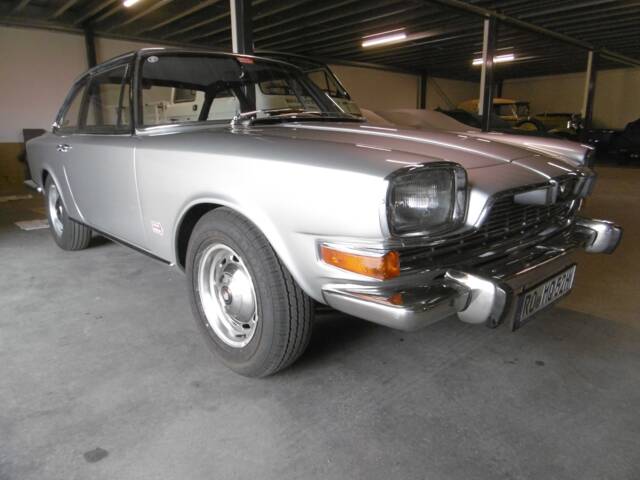
1968 | Glas 3000 V8
Glas 3000 V8

1967 | Glas 3000 V8
Restaurationsobjekt +++ komplett +++ getyourclassic.com
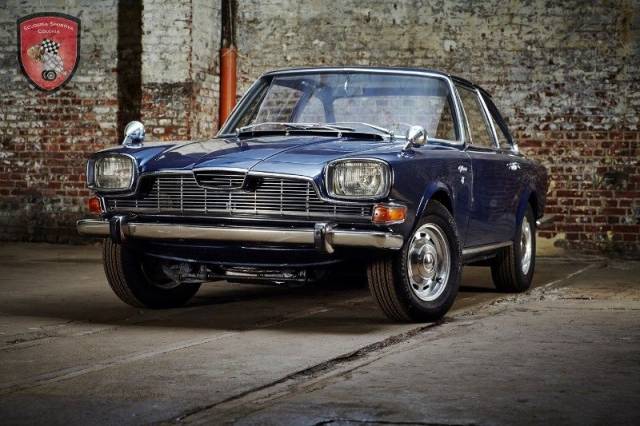
1967 | Glas 3000 V8
Andere Glas V8 3000
Create search alert
Let yourself be notified as soon as a listing is published that matches your search filters.
Create listing
Do you have a Glas 3000 that you want to sell? Then create a listing now.
Create listingGlas 3000 Classic Cars: Prices & Market Values
History of the Glas 3000
Introduced in the late 1960s, the Glas 3000 marked the pinnacle of Hans Glas GmbH’s automotive ambitions. The company, based in Dingolfing, Bavaria, was previously known for microcars and the Goggomobil before breaking into the grand touring segment. The 3000 was developed during a time of rapid industry change and symbolised the company's move towards more luxurious and performance-focused vehicles. The collaboration with Italian designer Pietro Frua resulted in an elegant coupé form, while the engineering team focused on integrating a powerful V8 engine—a significant leap from their earlier, more modest offerings. The 3000's debut, however, coincided with Glas’s acquisition by BMW in 1966, limiting the production and evolution of the model. As a result, the Glas 3000 remains a rare chapter in the post-war German GT narrative.
Model History of the Glas 3000 Series
The Glas 3000 evolved out of the earlier Glas 2600 V8, which itself represented an ambitious move into higher-performance and luxury vehicles. The model history reflects Glas’s transition from small, practical vehicles to upmarket grand tourers. After BMW’s takeover, only a handful of Glas-badged 3000 models were produced before the platform was adapted for BMW’s own line-up, most notably as the BMW 3000 V8. As such, original Glas 3000 examples are notably scarce, produced for only a brief period during the 1967-1968 model years.
Highlights of the Glas 3000
The exceptional feature of the Glas 3000 is its 2.982cc V8 engine, unique among German manufacturers of the era. The model also stands out for its Frua-designed coupé body, offering a refined balance of Italian elegance and German engineering. With a focus on grand touring performance, the Glas 3000 distinguished itself by pairing comfort with spirited driving dynamics. Due to its short production run, the 3000 remains a particularly rare sight, with its engineering roots straddling two major carmakers—Glas and BMW.
Technical Data
Special Editions and Collectible Models
While the majority of Glas 3000s built were in coupé form, there are reports of a handful of convertible prototypes and unique commissions, likely built at Frua or by specialist coachbuilders. These one-off models, if encountered, command significant interest due to their rarity and individual details, including custom interiors or coachwork features departing from the original specification.
Weak Spots and Common Issues
No specific weak spots or known issues are documented for the Glas 3000 in the available sources. As with any low-production GT from the 1960s, buyers should be particularly attentive to bodywork corrosion, the condition of unique trim and interior parts, and the state of the V8 engine's internals, as replacement components can be scarce. Expert mechanical inspection before purchase is strongly recommended.
Engine and Performance, Transmission and Handling
The Glas 3000 delivers smooth power from its V8, offering a blend of strong mid-range torque and charismatic engine note unique among German GTs of its era. The 4-speed manual transmission is robust, though shifts reflect 1960s technology. The independent suspension ensures a composed ride at speed, with long-distance touring in mind. Braking is confident for the period, benefiting from disc brakes at the front.
Popular highlights include the standard Glas 3000 V8 Coupé specification, known for its harmonious power delivery and its role as the last independent Glas design before BMW’s influence. undefined
Interior, Comfort, Exterior and Design
Pietro Frua’s styling for the Glas 3000 achieves a blend of Italian elegance with Teutonic restraint. The long bonnet accommodates the V8, while the cabin is trimmed in high-quality materials for the era—typically leather seats and real wood. Dashboard layouts are logical, with period VDO instrumentation. Exterior colours ranged from subtle silvers and blues to deeper burgundy, often reflecting customer specification. Unique to the Glas 3000 are certain chrome details and Frua’s sculpted rear quarters, distinguishing it from the later BMW-derivatives. Optional features included electric windows, upgraded radios, and, rarely, air-conditioning.
Other Notable Features
Due to the Glas 3000's extremely limited production and the brand’s absorption into BMW, original documentation and spare parts are particularly coveted by owners. Cars with full provenance, original toolkits, or period accessories such as fitted luggage are considered especially valuable by enthusiasts.
Summary
The Glas 3000 occupies a unique place in German car history: it is the only Glas-badged grand tourer with a V8, designed by a celebrated Italian stylist, and produced during a pivotal industry shift. With 100% of Classic Trader's Glas listings relating to the 3000 series, it’s the definitive model for enthusiasts of the marque, combining rarity, technical distinction, and a fascinating backstory linking two significant Bavarian manufacturers.