Glas 1300 Oldtimer kaufen
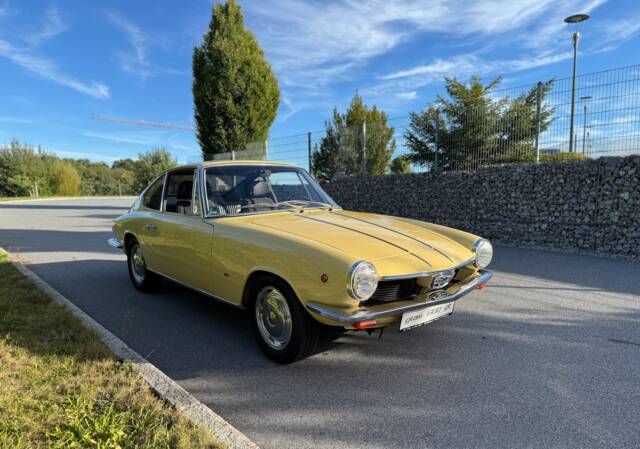
The Glas 1300 GT stands out as a rare coupé blending German engineering with Italian design by Frua. Sporting a lively 1300cc twin-carb engine and classic instrument-laden dashboard, this compact sportscar offers an engaging driving experience rooted in 1960s motoring culture.
Search results
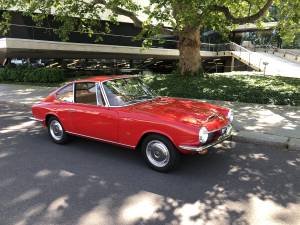
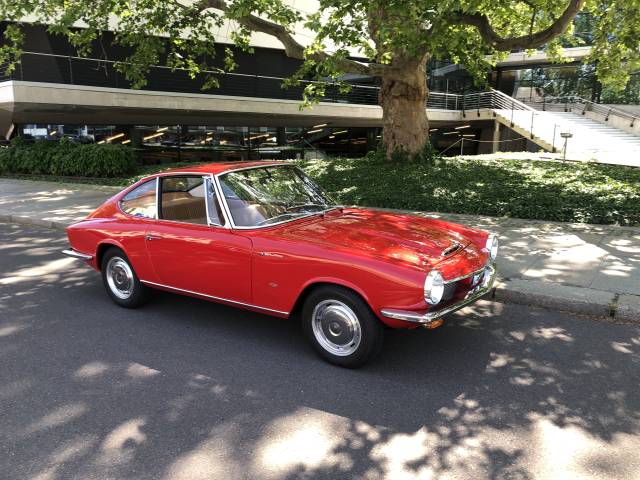
1966 | Glas 1300
TOP ANGEBOT


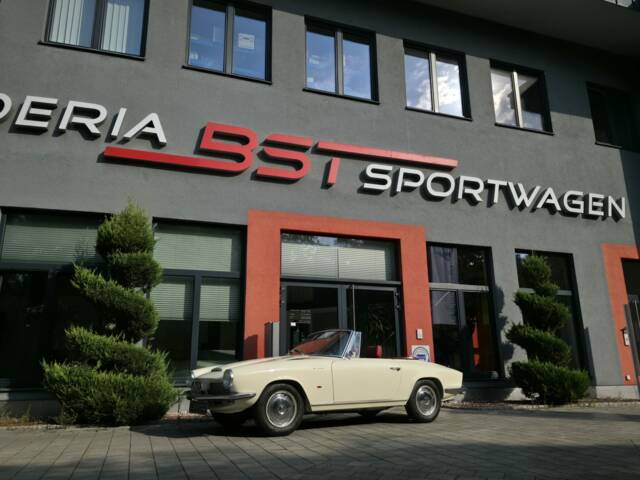
1967 | Glas 1300
Seltenes Fahrzeug aus Privatsammlung
Auctions ending soon

Loading…
Loading…
Loading…
Loading…

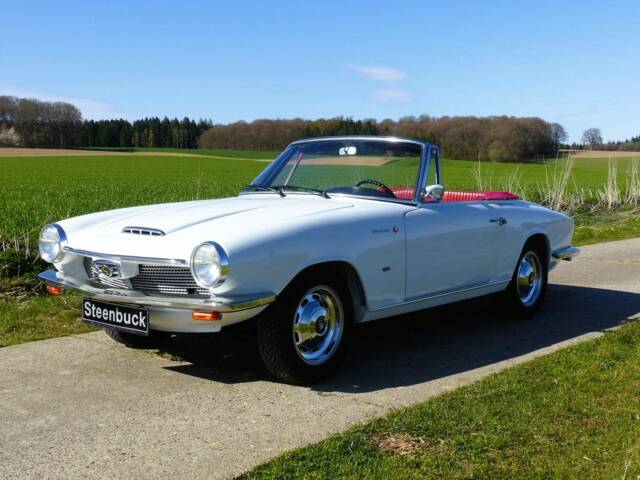
1966 | Glas 1300
A piece of German motoring history, very rare!

Newsletter
The best Glas listings, straight to your inbox
Get hand-picked Glas listings, plus the best of cars, motorbikes, and auctions on Classic Trader — all in one place.
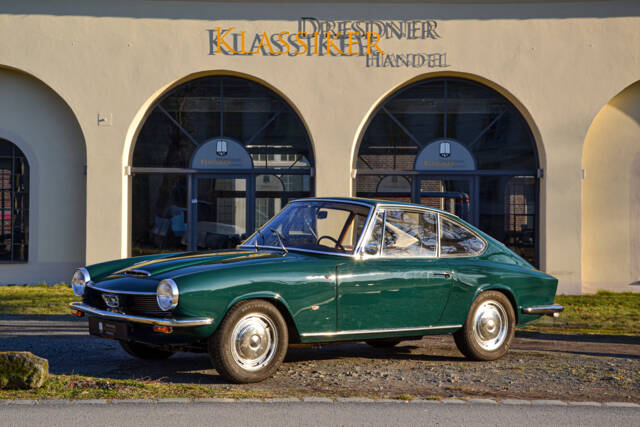
1967 | Glas 1300
Restauriert, Top-Zustand

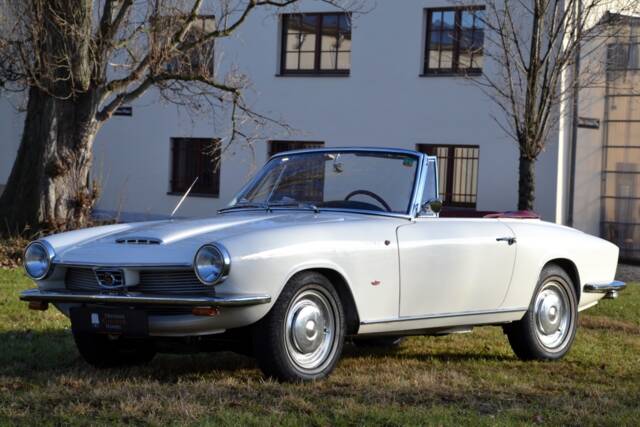
1967 | Glas 1300
Historie, Restauriert, Top-Zustand

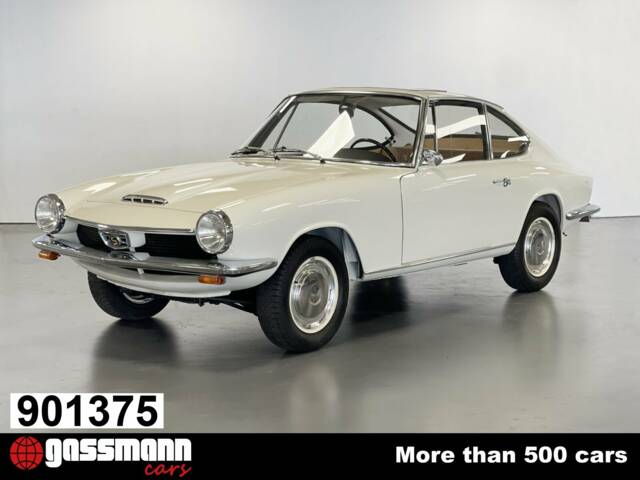
1966 | Glas 1300
GLAS 1300 GT Coupe
Glas 1300 listing references from Classic Trader
Below you will find listings related to your search that are no longer available on Classic Trader. Use this information to gain insight into availability, value trends, and current pricing for a "Glas 1300" to make a more informed purchasing decision.
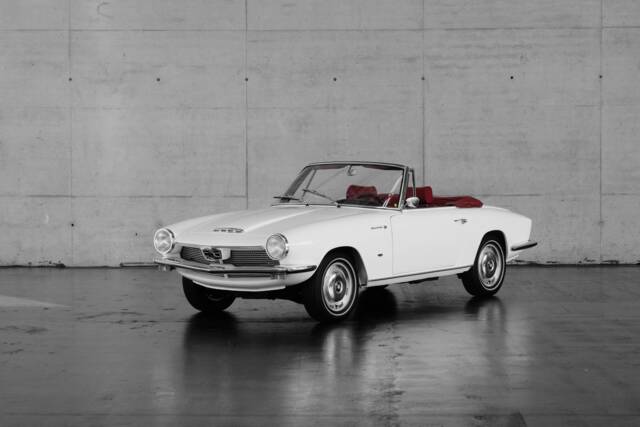
1965 | Glas 1300
1965 Glas 1300 GT Cabriolet. Im Auktionsverkauf. Schätzwert: 40.000 € - 60.000 €. Ohne Mindestpreis!

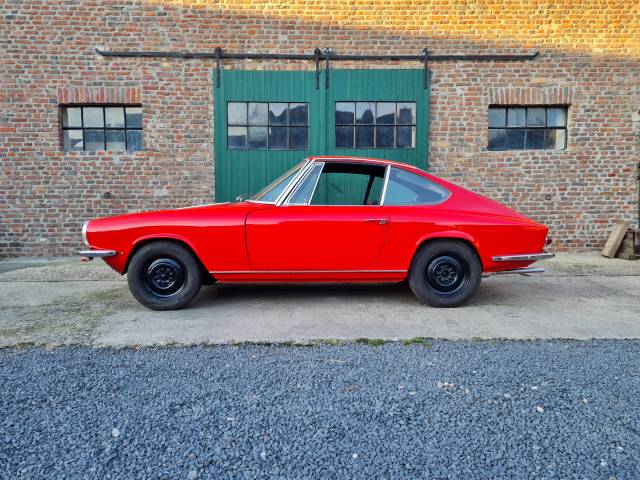
1965 | Glas 1300
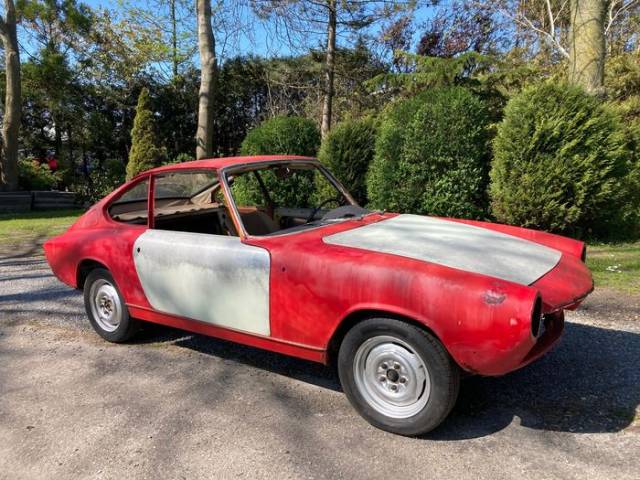
Glas 1300 GT Coupé Restaurationsabbruch
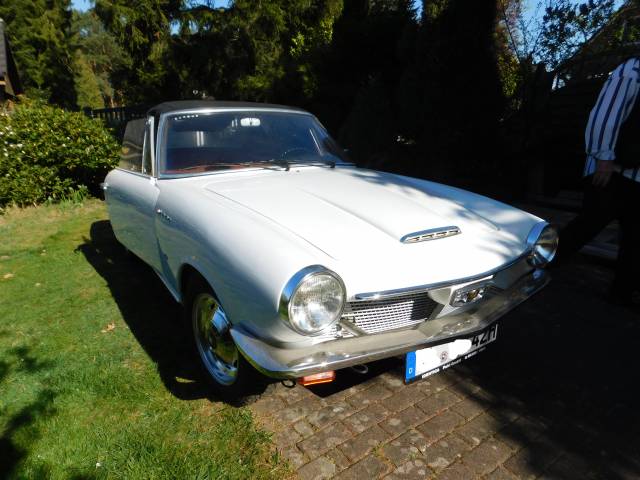
1966 | Glas 1300
Glas GT 1300 Cabriolet
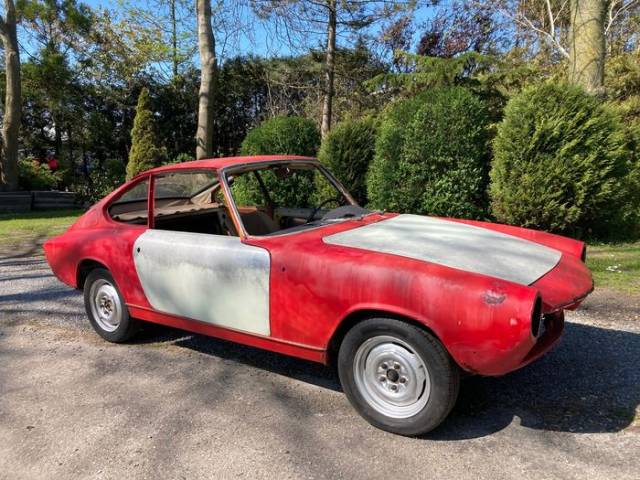
1965 | Glas 1300

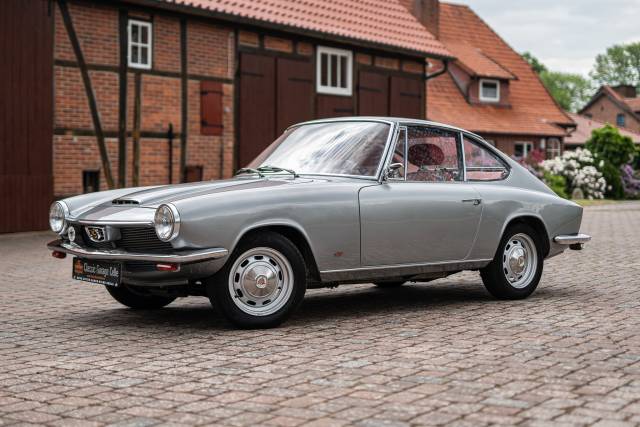
1966 | Glas 1300
Traumhafter GT mit Leder rot
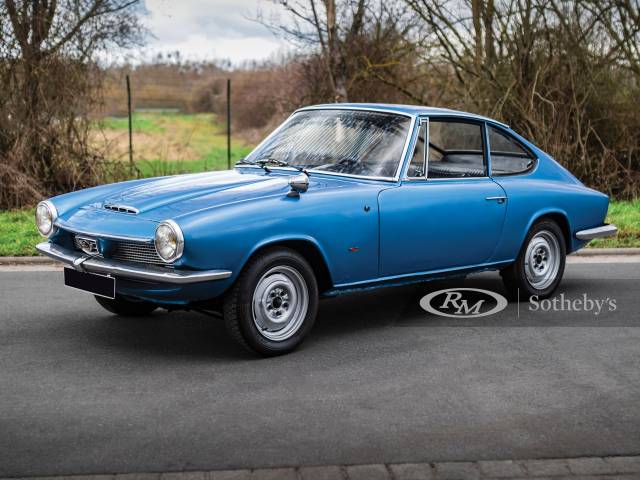
1964 | Glas 1300
Online Only: The European Sale featuring the Petitjean Collection

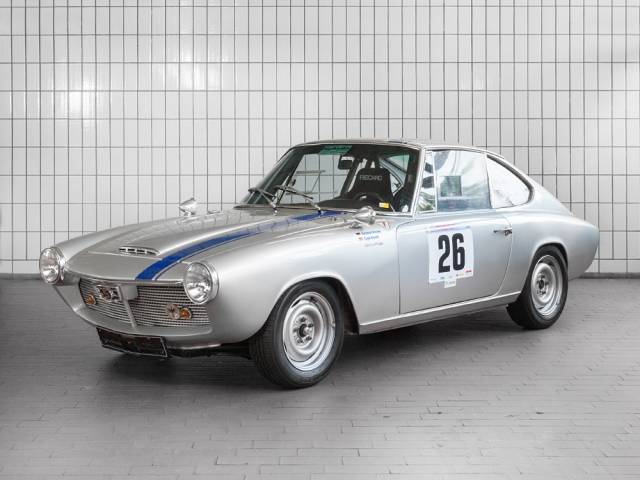
1967 | Glas 1300
Auktion The Ride of a Lifetime: Classic Cars, 24.11.2016, 1230
1965 | Glas 1300
Glas 1300 Classic Cars: Prices & Market Values
History of the Glas 1300 GT
The Glas 1300 GT emerged from the German manufacturer Glas, making its mark in the 1960s as a direct counterpart to Italian sport coupés such as the ASA. With its body designed by renowned Italian stylist Pietro Frua, the 1300 GT seamlessly combined aesthetic flair with solid German engineering. The model gained additional significance when the Glas marque was absorbed by BMW, with production subsequently rebranded as BMW Glas. This period marks the 1300 GT’s unique position bridging two storied automotive lineages.
Model History
The Glas 1300 GT is rooted in Glas’s push into the compact sports coupé segment. No direct predecessor existed—this model was Glas’s effort to compete with continental rivals. After the BMW takeover, the vehicle’s design and ethos lived on briefly under the BMW Glas badge before being replaced as BMW focused on its own model lineup.
Highlights of the Glas 1300 GT
Key distinguishing features include the low-slung Frua-designed coupé body, twin-carburettor 1300cc engine, and comprehensive dashboard instrumentation (tachometer, oil pressure, water temperature, fuel and oil temperature gauges). The 1300 GT is often compared to exclusive Italian projects of its era, yet remains distinct for its German mechanical foundation. The model's exterior regularly showcases authentic period patina, while factory or period-correct seats are popular among enthusiasts for preservation.
Technical Data
Special Editions and Collectible Models
Several 1300 GTs have been carefully restored, sometimes featuring hollow cavity preservation or subtle modifications such as the installation of sports seats in place of originals. Vehicles exhibiting matching numbers and period-correct details are especially sought after by connoisseurs, although true 'limited edition' variants are not formally documented.
Weak Spots and Common Issues
Oil-tightness is a trademark of the model, with engine, gearbox, and axle generally remaining dry. Hohlraumversiegelung (cavity sealing) may be present—an advantage for long-term rust protection. The availability of original seats varies, as sports seats may have been fitted by previous owners. Look out for vehicles offered without essential components such as windscreen, side windows, or passenger seats, often due to ongoing restoration projects. The dashboard and period instruments should be checked for completeness and authenticity.
Engine and Performance, Transmission and Handling
The Glas 1300 GT is built around a responsive 1300cc engine with dual carburettors, lending itself to spirited cornering and dynamic country road performance. Owners praise its agile handling, especially when equipped with wider rims and modern 175 tyres. The car’s rear-wheel drive layout, balanced chassis, and short wheelbase invite enthusiastic driving typical of 1960s sports cars. Among Glas’s output, the 1300 GT stands unparalleled, making it the clear highlight for enthusiasts seeking the marque’s definitive sportscar.
Interior, Comfort, Exterior and Design
With bodywork crafted by Pietro Frua, the 1300 GT delivers unmistakable Italian design cues within a compact German sports coupé. The interior showcases a period dashboard hosting a full suite of analogue instruments essential for spirited motoring. Seat options vary from original comfort seats to later sport seats, reflecting owner preferences across decades. Typical exteriors maintain original badges and the characteristic Glas typenschild under the bonnet. Colour choices and optional accessories reflect the preferences of the first owners and the style of the late 1960s.
Other Notable Features
Restorations are frequent, with preference given to originality and period-correct patina. Some models receive additional cavity protection for improved longevity, and modifications for motorsport use—such as seat swaps—appear in certain examples. The GT can sometimes be purchased in incomplete condition, ideal for restoration enthusiasts.
Summary
The Glas 1300 GT merges Italian design excellence with robust German engineering, offering a concentrated driving experience and a unique position in postwar automotive history. Its focused collector appeal is underscored by high demand and low supply, with each example reflecting the character and heritage of its era.