Ford GT classic cars for sale
The Ford GT stands as Ford’s thoroughbred supercar, built as a tribute to the GT40’s racing triumph at Le Mans in the 1960s. Its distinctive carbon fibre monocoque, extreme aerodynamics, and track-derived technology set the Ford GT apart in automotive history.
Search results


2021 | Ford GT Carbon Series
Ford GT Carbon Series "Limited Edition #192" PRICE EXCL.VAT! Limited edition Carbon Series - Around 50 manufactured,With 1.500 km on the odometer it's in like-new condition, In "Shadow Black" with bare carbon,Ready for the next car-collection, Ordered and delivered new in Europe,"Ford vs Ferrari — But they do have one thing in common: Neither of them can say exactly how many they built"
VAT is reclaimable



2005 | Ford GT
GT1000 Heffner - Official Movie car

Ford GT listing references from Classic Trader
Below you will find listings related to your search that are no longer available on Classic Trader. Use this information to gain insight into availability, value trends, and current pricing for a "Ford GT" to make a more informed purchasing decision.

2006 | Ford GT
Ford GT "Tungsten Grey - Limited edition" Maintained and cared for with punctuality - All recalls have been carried out, "Tungsten Grey" - 541 copies of the 2006 model year GT were produced in this handsome color, A limited edition with all (four) options, Silver painted racing stripes - McIntosh audiophile system - lightweight forged BBS wheels and gray painted brake calipers,Very collectible,
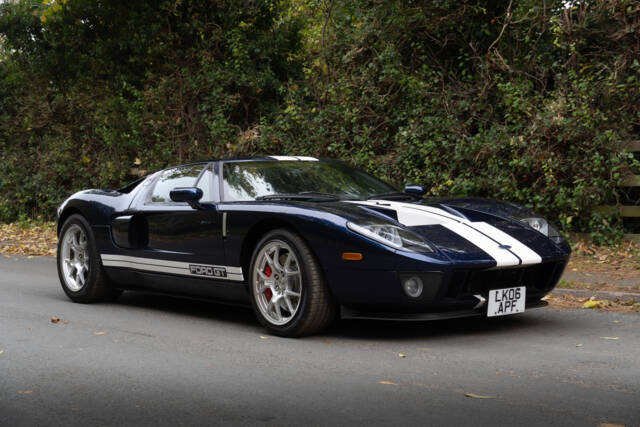
2006 | Ford GT
2006 Ford GT - 1 owner, 5300 miles

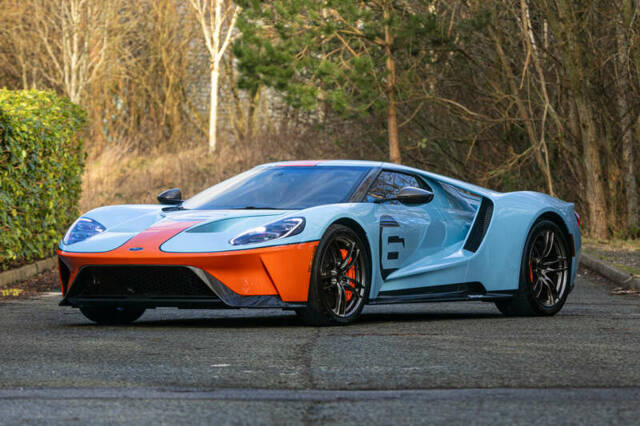
2021 | Ford GT
2021 Ford GT Heritage Edition - One of 50
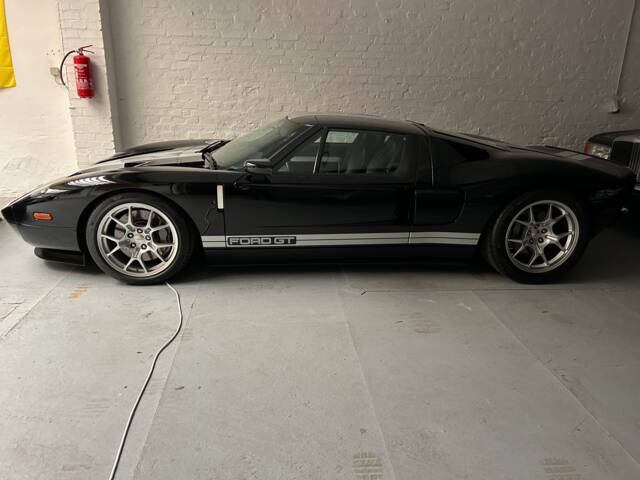
2007 | Ford GT
Nur 4.600 Kilometer / Inspektion neu / Reifen neu / black/black

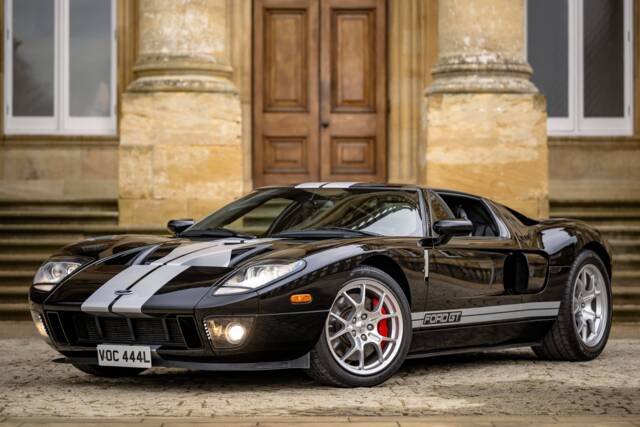
2006 | Ford GT
Proper Supercar from Detroit
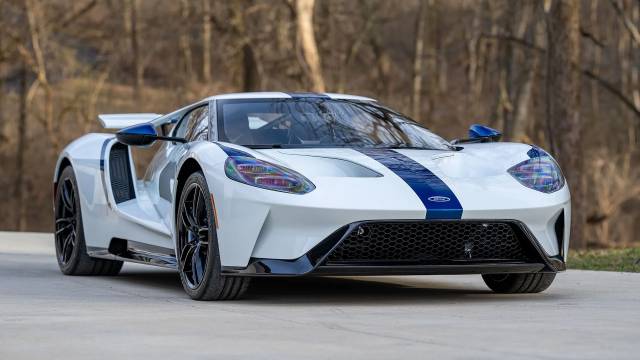
2021 | Ford GT
2021 Ford GT Studio Collection Series

2019 | Ford GT
2019 Ford GT Heritage Edition, OFFERED WITHOUT RESERVE
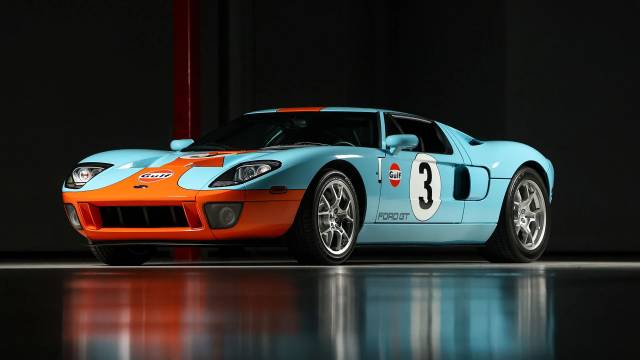
2006 | Ford GT
2006 Ford GT Heritage Edition

2006 | Ford GT
2006 Ford GT Heritage Edition
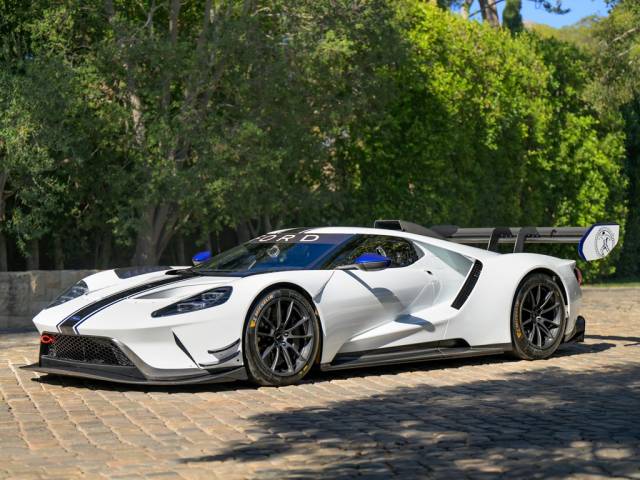
2021 | Ford GT
2021 Ford GT Mk II

2022 | Ford GT Carbon Series
2022 Ford GT Carbon Series

2019 | Ford GT
2019 Ford GT
Ford GT Classic Cars: Prices & Market Values
History of the Ford GT
The Ford GT was conceived as a modern homage to the iconic GT40, the machine that toppled Ferrari's dominance at Le Mans in the late 1960s. The first generation of the GT launched in 2004, rolled out as a part of Ford’s centenary celebration, and ran until 2006. It referenced the original in both its exterior styling and its engineering ethos, employing a 5.4-litre supercharged V8 and a distinctive aluminium chassis. Production exceeded 4000 units.
The second iteration arrived in 2017, featuring a radical move to a carbon-fibre construction and a switch to Ford’s 3.5-litre EcoBoost V6 twin-turbo engine. This generation, engineered in partnership with Multimatic in Canada, pushed the envelope with active aerodynamics and a strictly limited production run, making it even rarer. Every Ford GT, regardless of generation, is strongly tied to the brand’s motorsport heritage and Le Mans victories.
Model history
The Ford GT’s first generation (2004–2006) paid direct tribute to the 1960s GT40, with retro-inspired design cues and a manual gearbox. Production was limited, with just over 4000 cars built, mainly for the US market.
The second generation, debuting in 2017 and running until around 2022, adopted a carbon fibre monocoque, rear-wheel drive, and a 7-speed Getrag dual-clutch transmission. Ford emphasised exclusivity via a rigorous buyer selection process, creating a car tailored to passionate collectors. Special focus was placed on lightweight materials and innovative aerodynamics to keep the Ford GT at the top of the performance ladder.
Special features and highlights
Ford’s GT models consistently break the mould: carbon monocoque construction, trick active aero, and Brembo carbon-ceramic brakes put them in the top tier of high-performance road cars. The adjustable suspension and track-specific versions, such as the GT MK II, push the car’s technical prowess to the limit. Heritage Editions with Gulf livery, as well as bespoke customisation options for the road cars, demonstrate Ford’s attention to historic detail and driver focus.
Certain technical elements, like Akrapovič titanium exhausts, carbon wheels, and F1-inspired steering wheels, show just how far the GT goes in aligning road cars with motorsport engineering.
Technical Data
Special Editions and Collectible Models
Heritage Editions merit particular attention: they pay tribute to specific Le Mans-winning GT40s from 1968/69, typically in Gulf Blue and Orange. The Carbon Series lightens the GT further with bare carbon details. MK II track-only models, limited to just 45 units, up the ante to 700+ PS with FIA-grade safety gear and fixed aero. Roush-tuned versions, Studio Collection, and bespoke colour-stripe packages are highly sought-after. Most special editions were limited, sometimes to as few as 20 or 50 units per variation.
Weak Spots and Common Issues
Early GTs (2004–2006) are based on robust but unique architecture – finding specific parts can be challenging. Supercharged V8s require regular checkups for supercharger belt wear and cooling system integrity. Later carbon fibre models need professional composite repair if damaged. The EcoBoost V6 in second generation GTs received updated pistons and ignition coils post-2020: earlier cars may warrant these upgrades. Brembo carbon-ceramic brakes last well but demand regular inspection. Due to their rarity and complexity, servicing and maintaining a GT should be entrusted to specialists with access to the parts and expertise for these bespoke supercars.
Engine and Performance, Transmission and Handling
The Ford GT, both generations, delivers acceleration and road holding on a par with race-bred machinery. Early models (2004–2006) dispatch 0-100 km/h in around 3.5 s, top out at over 330 km/h, and channel power via a six-speed manual to the rear wheels. The 2017-onward models slash the sprint to nearly 3 seconds, with maximum speed up to 347 km/h thanks to active aero, lightweight construction, and advanced suspension. The Getrag dual-clutch box shifts almost instantaneously, making track work and road driving equally immersive. The steering is precise, seat position is low and focused, and, especially in MK II, the limit is dictated more by driver ability than by the car’s potential. • First generation (2004–2006): 5.4L V8, 550 PS, manual gearbox, aluminium chassis – built for purists. • Second generation (2017–2022): 3.5L V6 twin-turbo, 647–700 PS, DCT, carbon body – advanced aerodynamics, driver-configurable. • GT MK II: track-only, >700 PS, FIA safety, fixed aero. • Heritage Editions: special colour schemes, limited production, historic tie-ins.
Interior, Comfort, Exterior and Design
The Ford GT’s design, led by inspirations from the GT40, is unmistakable – ultra-low stances, flying buttresses, and exposed carbon promise genuine function behind every line. Exteriors often feature Heritage or Stripe liveries and can be specified with carbon or gloss carbon packs. Wheel choices range from carbon fibre to forged alloys.
Inside, everything serves the goal of performance – fixed carbon seats, adjustable pedal box, F1-style steering wheel. Materials are top-end: Alcantara, leather, and exposed carbon dominate, with minimal insulation for weight savings. Optional kit includes McIntosh sound systems, Ford SYNC 3, various climate and comfort options, and custom paint highlights (calipers, stripes, mirror caps). Delivery kits and build documentation are provided with each car.
Other Features
Purchase of a Ford GT, particularly the second generation, was only possible via an application and selection process that emphasised brand loyalty and collector credentials. Each car was delivered with a meticulous suite of documents – build sheets, certificates, colour samples, even carbon-fibre specification boxes.
For MK II and track variants, FIA-sanctioned safety gear like roll cages and fire extinguishers is standard. Owners benefit from a strong support network among specialist garages and enthusiast groups, crucial due to the complexity and rarity of components. Full individualisation programmes, extensive track telemetry, and varied exhaust systems (Akrapovič, Tubi, Heffner Performance) mean every Ford GT can be tailored to its owner’s vision.
Summary
The Ford GT remains one of the most focused, technologically advanced supercars to emerge from an American manufacturer. Every aspect – from carbon fibre construction to Le Mans-proven performance and motorsport-inspired design – is shaped by a drive for racing excellence. Its low production numbers, demanding application process, and extensive documentation package set it apart on the classic car market. For those seeking purpose-built speed and extreme craftsmanship with a genuine motorsport link, the Ford GT has no direct rival.