Ford V8 Classic Cars for Sale
The Ford V8 stands for engineering innovation in the pre-war era, combining affordability with eight-cylinder technology. Produced in countless body variations between 1932 and 1940, the Ford V8 set new standards for everyday usability and became a pillar in automotive history. Its robust 'Flathead' engine, distinctive design changes across the model years, and broad body range make it a versatile choice for enthusiasts. Discover the world of the Ford V8—from early models to sought-after Deluxe editions.
Search results
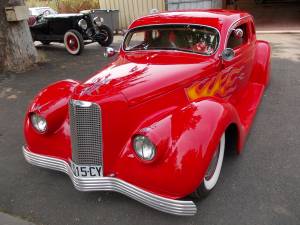
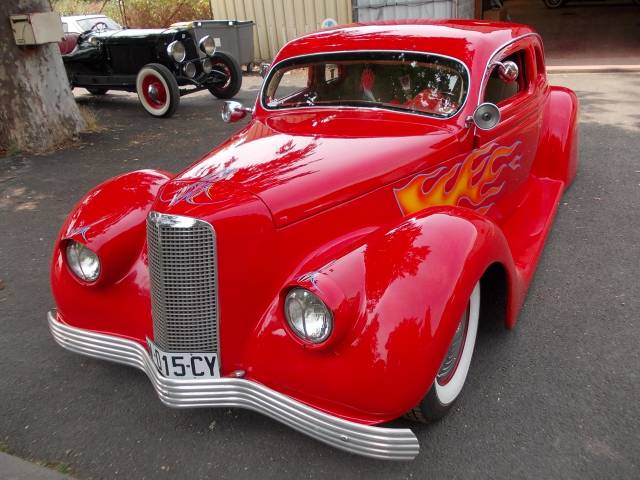
1936 | Ford V8 Coupe 5Window
Hotrod Lowrider

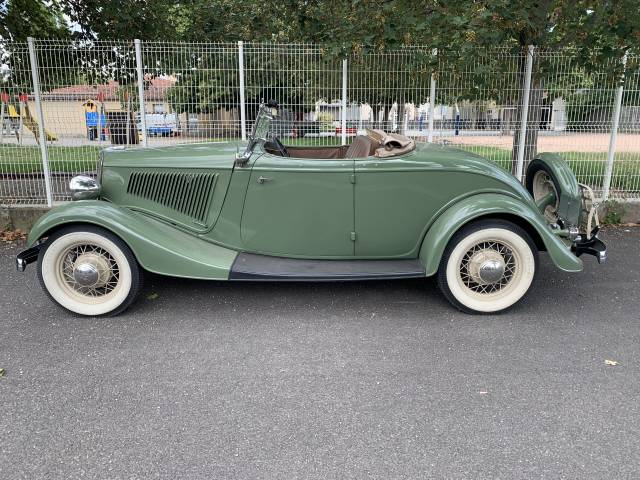
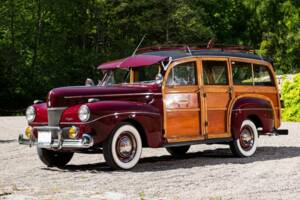
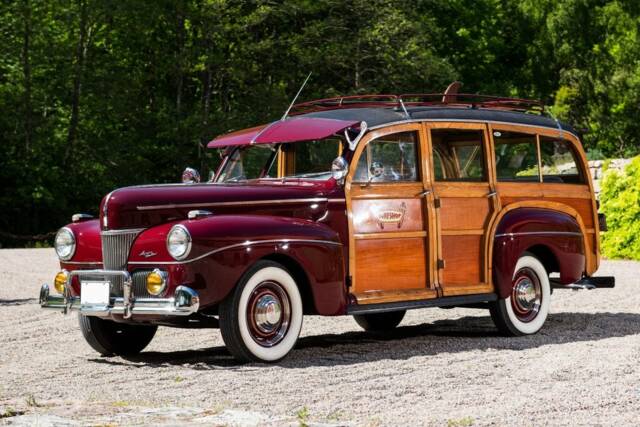
1941 | Ford V8 Woody
Ford Super De Luxe Station Wagon | 1941 | Route 66 Auctions - For sale by auction. Estimate 33000 EUR

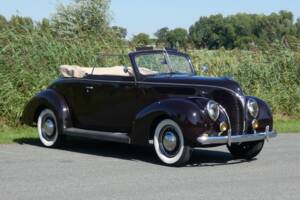
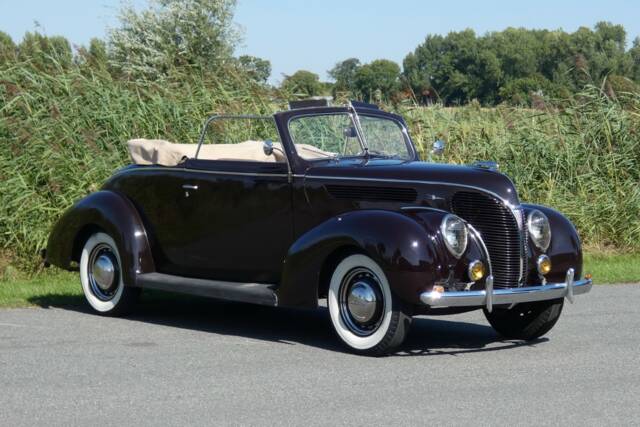
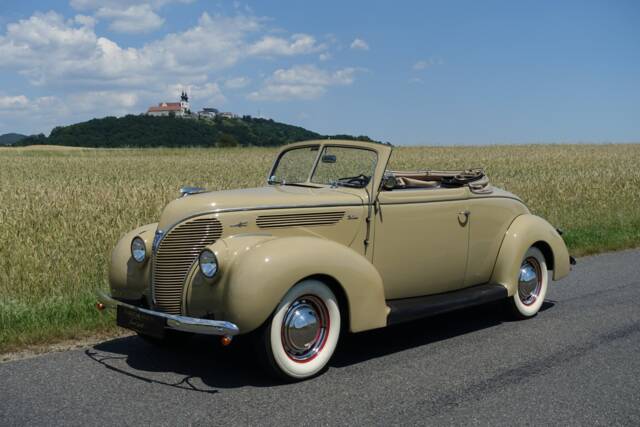
1938 | Ford V8
Rare Club Cabriolet
Newsletter
The best Ford listings, straight to your inbox
Get hand-picked Ford listings, plus the best of cars, motorbikes, and auctions on Classic Trader — all in one place.

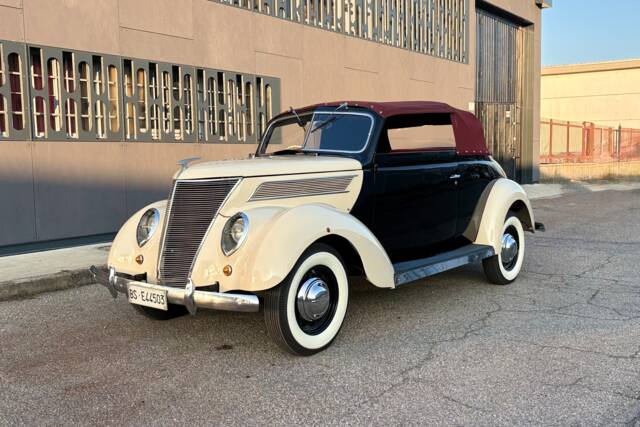
1937 | Ford V8 Club Convertible
Veicolo di interesse storico e collezionistico ASI

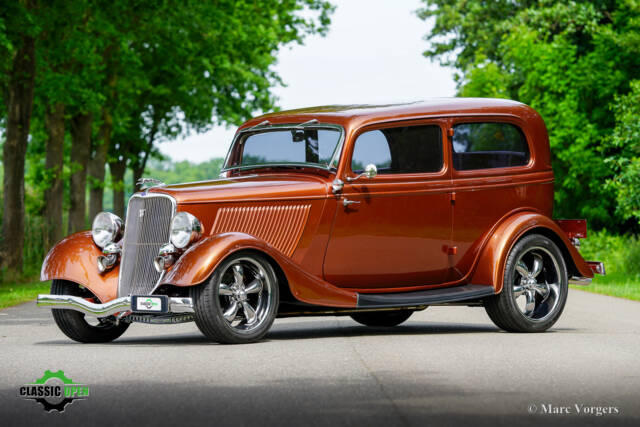
1933 | Ford V8 Hot Rod
Streetrod
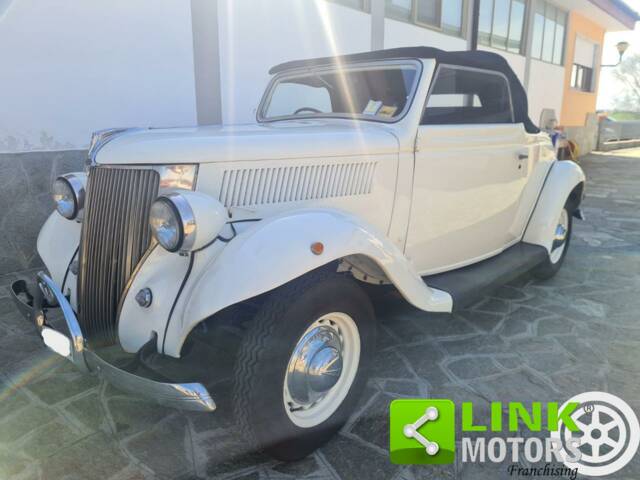
1936 | Ford V8
FORD C 68
Ford V8 listing references from Classic Trader
Below you will find listings related to your search that are no longer available on Classic Trader. Use this information to gain insight into availability, value trends, and current pricing for a "Ford V8" to make a more informed purchasing decision.
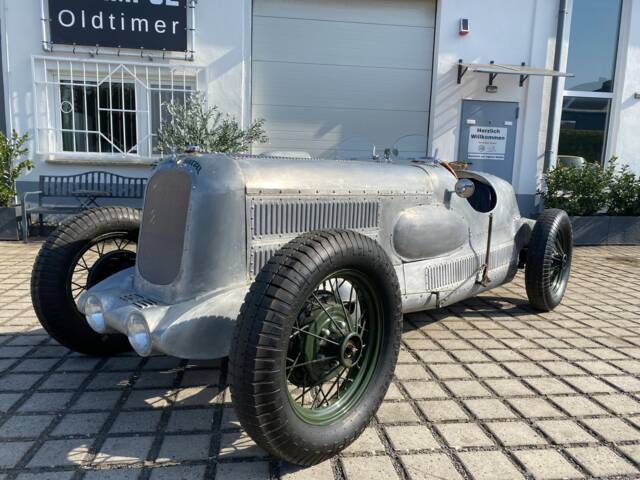
1932 | Ford V8 Modell 18
Handgefertigtes Aluminium-Unikat mit V8 – Fahrmaschine pur

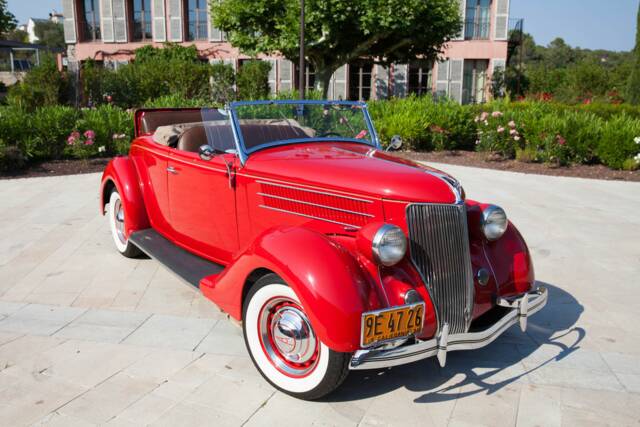
1936 | Ford V8
Ford V8 Deluxe Roadster | 1936 | Route 66 Auctions - For sale by auction. Estimate 38500 EUR
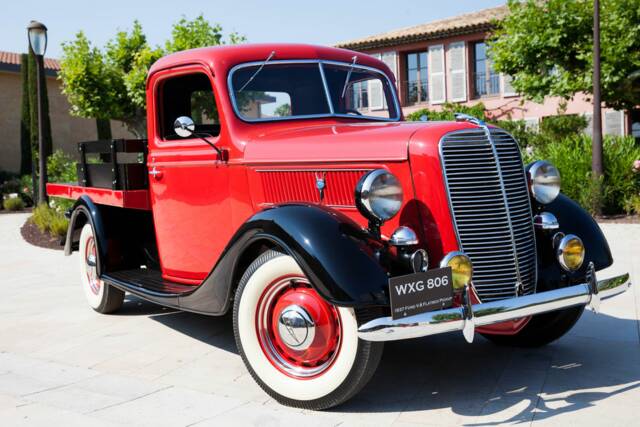
1937 | Ford V8-51
Ford V8 Pickup | 1937 | Route 66 Auctions - For sale by auction. Estimate 39500 EUR
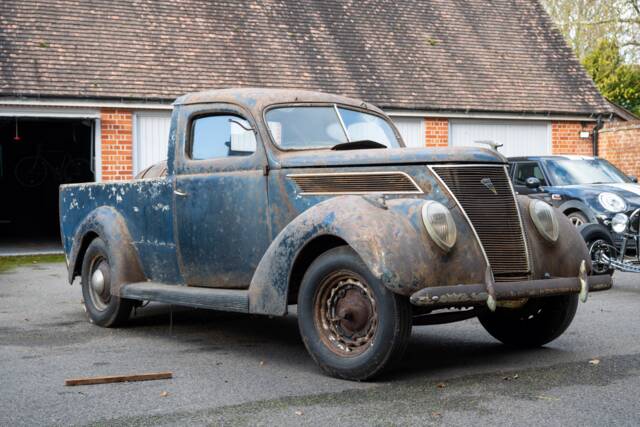
1937 | Ford V8
1937 Ford Model V8-78 Pick-up – Umgebautes Einzelstück für den landwirtschaftlichen Einsatz

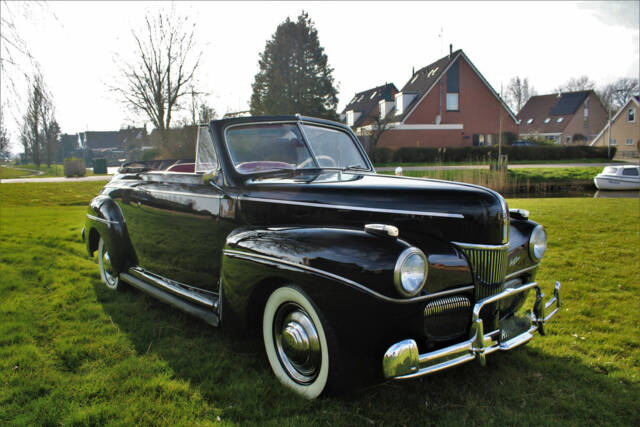
1941 | Ford V8 Model 46 Pick Up
Ford V8 Cabriolet Super Deluxe | 1941 - For sale by auction. Estimate 42450 EUR
Ford V8 Classic Cars: Prices & Market Values
The market value of Ford V8 classic cars is primarily determined by the specific manufacturer code and variant, as well as technical condition, originality and mileage. Additional factors include rarity, history and documentation. A well-maintained, largely original vehicle with low, verifiable mileage and complete history including appraisals and documentation typically achieves significantly higher prices than a comparable vehicle with deferred maintenance, many modifications or unclear provenance.
Ford V8: Market Prices & Value Trends
Based on Classic Trader marketplace sales data from March 2021 to January 2026, the Ford V8 (notably early flathead-era cars from 1932–1940, plus occasional pick-ups and hot rods) shows a broadly stable market with a firm upper end. Over this period, most asking prices cluster in the mid-market rather than moving steadily up or down, suggesting demand is consistent for usable, correctly presented examples. A realistic working price band for the category is typically around £25,000 to £65,000, with standard Model 18/48 cars, coupés and pick-ups often transacting in the £25,000–£45,000 region depending on originality and restoration quality. Higher figures, frequently £70,000+, tend to be linked to more specialist builds such as Hot Rods/Street Rods or particularly desirable specifications, and should not be treated as the norm. Most data points are European (notably the Netherlands, Germany, Italy and France), indicating an active continental market where provenance, period-correct engineering and body style are key drivers of value.
History of the Ford V8
The Ford V8, introduced in 1932 under Henry Ford’s leadership, marked a major shift in the mainstream car market by making V8 power accessible to a wide public. Prior to the Ford V8, vehicles with eight-cylinder engines were reserved primarily for luxury brands. Ford changed this narrative by producing the V8 in high volume at a price point competitive with four- and six-cylinder competitors. The first V8 engine, known as the 'Flathead,' had 221 cubic inches of displacement (about 3.6 litres) and delivered around 65 bhp. Over time, the power output increased with engine improvements. Ford offered 14 body styles—ranging from Roadsters and Sedans to Station Wagons and Cabriolets—making the V8 attractive to a broad buyer segment. The V8 engine sat in a double-drop chassis with X-member, enabling stability and robust road holding. The V8’s history is intertwined with the evolution of mass production, technical progress, and car culture: it powered everything from family cars to race winners like the Monte Carlo Rally in 1936.
Model History and Evolution
The lineage begins with the 1932 Model 18, featuring the new V8 engine set in the familiar Model B body. The Model 40 succeeded it in 1933, introducing the streamlined design influence—longer wheelbases, and new fenders and bonnets. The following Model 48 of 1935 added rounded bodies and an integrated boot. The 1936 Model 68 offered mild body tweaks and improved dynamic performance, with one even taking top honours in Monte Carlo. Major design revisions appeared in 1937 with the Model 74 and Model 78—angled grilles and headlamps integrated into the front wings. The French market saw unique models like the Matford Alsace V8, while international production meant body and specification differences across countries. The line concluded in 1940, with the Ford Standard taking over.
Highlights and Features of the Ford V8 Series
The Ford V8 combined solid mechanicals with progressive design changes. Early examples were famous for wire wheels, later shifting to pressed steel 'Spider Wheels'. The range featured both open and closed frames—sedans, cabriolets, wood-bodied 'Woodies', and deluxe buses. Innovations included the move from cable brakes to hydraulics from 1939, and the option for Columbia two-speed rear axles. Extensive extras and accessories—radio, banjo steering wheel, wind wings, and whitewall tyres—defined certain editions. Throughout its nine-year production, Ford V8s became a favourite for hot rod and custom modifications, with many cars seeing engine swaps, disc brake conversions, and comfort upgrades. Notably, 26.3% of Ford classic car listings are Ford V8s, signalling high supply, while demand is even greater with 45.7% of interested buyers looking at these models, outperforming all other classic Ford series in interest and availability.
Technical Data – Ford V8
Special Editions and Collectible Models
Special versions include deluxe body trims, rare open models like the 1935/36 Deluxe Roadster, collector-preferred Woodies (station wagons with wooden panels), and competition or custom variants. The Matford Alsace V8, exclusive to France, and deluxe trim lines with upgraded upholstery, chrome accents, and two-tone paint schemes mark out rare and collectible examples. Motorsport-tuned V8s with performance carburettors or Columbia two-speed axles are also sought after.
Engine and Performance, Transmission and Handling
Ford V8s are known for their robust powertrains—early models with 3.6-litre V8 'Flathead', producing 65–90 bhp depending on the year. These engines are durable, offer good torque at low rpm, and are very serviceable. Manual transmissions (three-speed) were standard, with improved synchronisation in later years. The driving experience balances stable long-distance cruising with lively acceleration for its era. Typical for rear-drive cars of the 1930s, steering is direct but can be heavy at rest. Suspension uses leaf springs all round; later, upgrades such as hydraulic brakes deliver improved stopping power compared to the earliest cable-brake systems. Many Ford V8s in the classic scene are modified with period tuning parts—multiple carburettors, performance cylinder heads, or overdrive axles—enhancing road usability. - Model 78: High supply (19.3%) and sustained demand; known for design progression and reliability.
- Model 68: Noted for Monte Carlo Rally success; robust supply (13.2%).
- Model 18: The archetype, historic value, strong enthusiast following.
- Deluxe Roadster and Woodie: Sought after for design and rarity.
Interior, Comfort, Exterior and Design
Ford V8 interiors ranged from austere to comfortably appointed, with period features like banjo steering wheels, period radio, and window cranks. Materials included cloth, leather, or vinyl, with original patterns often preserved or sympathetically restored. Colour options stretched from utilitarian black to deep blues, reds, and greens—US models often with pinstriping. Exterior changes followed the shifting tastes of the 1930s—from the upright early grilles of the Model 18 to the streamlined shapes and sloped grilles of the Model 78 and French Matford. Standard features evolved over time: running boards, split rear windows, wire or steel wheels, and diversity in body configurations. Accessories such as fog lamps, sun visors, and heater units were often dealer-fitted. Deluxe versions stood out with chrome details, richer upholstery, and dual-tone paintwork.
Other Features & Details
Ford V8s are widely present in the historic motorsport and classic event scene, frequently seen at rallies and exhibitions. Vehicles are well-supported by clubs and international specialist parts suppliers (including for European and CKD models). Many V8s have certified historic status, with matching numbers valued by collectors, while others serve as bases for hot rod and custom builds. Documentation from chassis numbers provides authenticity and provenance. The aftermarket community offers extensive support for upgrades, replacement parts, and period-correct accessories.
Summary
The Ford V8 embodies technical advancement, mechanical robustness, and diverse design innovation in pre-war automotive engineering. From its accessible V8 engine and wide range of body types to ongoing popularity in the collector scene, the Ford V8 secures its role as a mainstay in classic motoring. Supported by strong supply and a highly engaged enthusiast community, it is a leading figure among vintage Fords—be it as a meticulously restored original, a motorsport conversion, or a period custom.