Ford Focus classic cars for sale
The Ford Focus has defined the European compact class since 1998, offering a unique mix of innovations, precise chassis tuning and diverse model variants. From economical hatchbacks to the performance-bred RS and ST versions, the model series holds enormous interest for enthusiasts seeking everyday practicality and motorsport genes in one package.
Search results
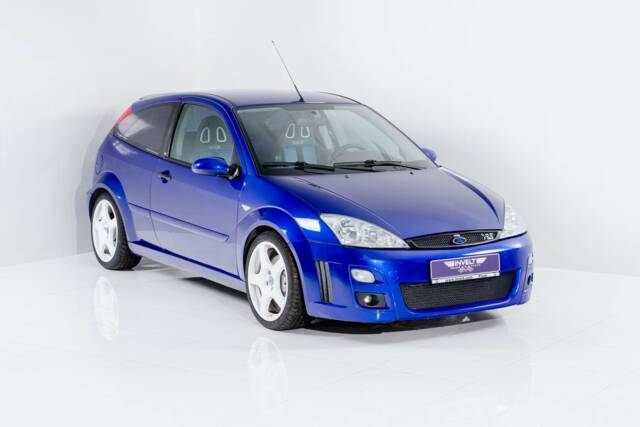

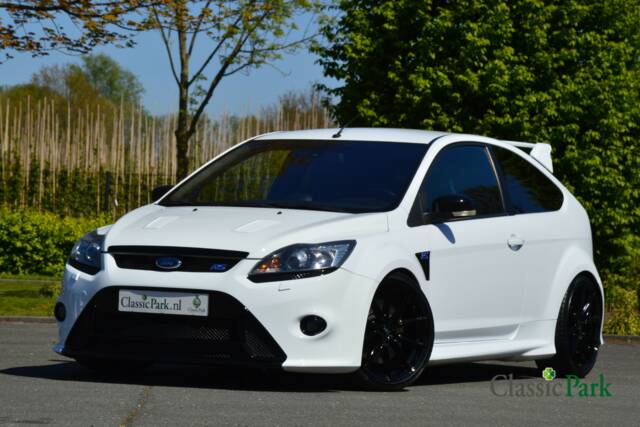
2009 | Ford Focus RS
Ford Focus RS

Auctions ending soon

Loading…
Loading…
Loading…
Loading…
Ford Focus listing references from Classic Trader
Below you will find listings related to your search that are no longer available on Classic Trader. Use this information to gain insight into availability, value trends, and current pricing for a "Ford Focus" to make a more informed purchasing decision.
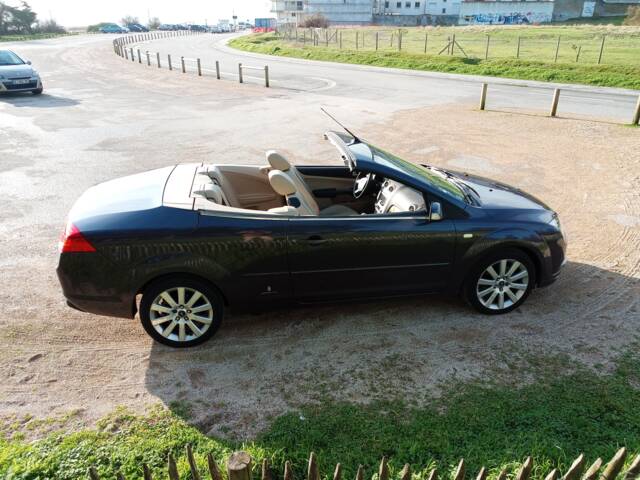
2008 | Ford Focus CC 2.0
Coupé Cabriolet PininFarina 2 litres essence

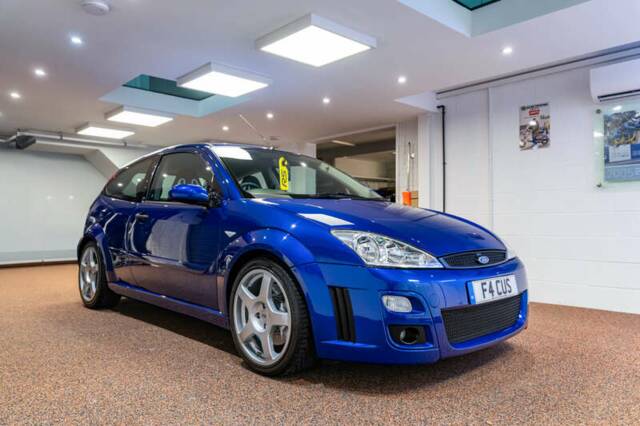
2002 | Ford Focus RS
2002 Ford Focus RS Mk1 - 4,000 Miles

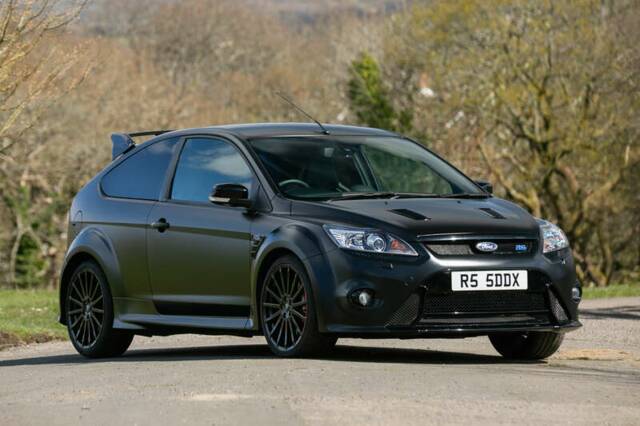
2010 | Ford Focus RS500
2010 Ford Focus RS500 #125 - 4,458 Miles
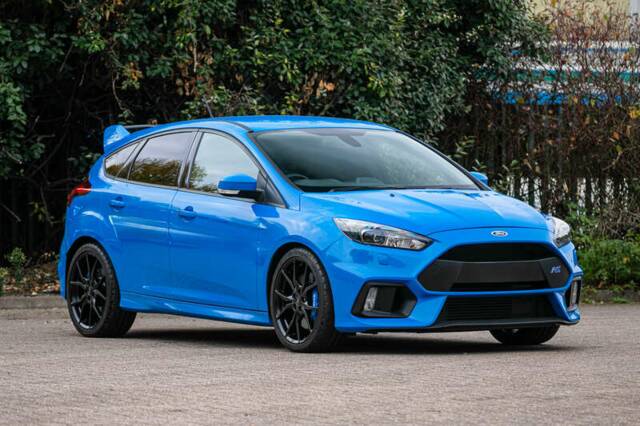
2018 | Ford Focus RS
2018 Ford Focus RS Mk3 - 2,700 Miles *
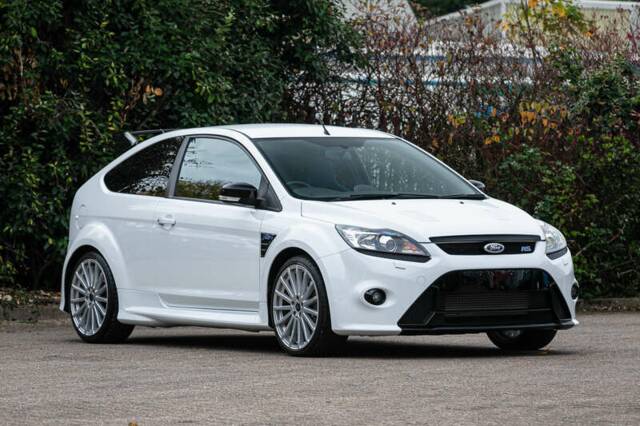
2010 | Ford Focus RS
2010 Ford Focus RS Mk2 - 2,436 Miles
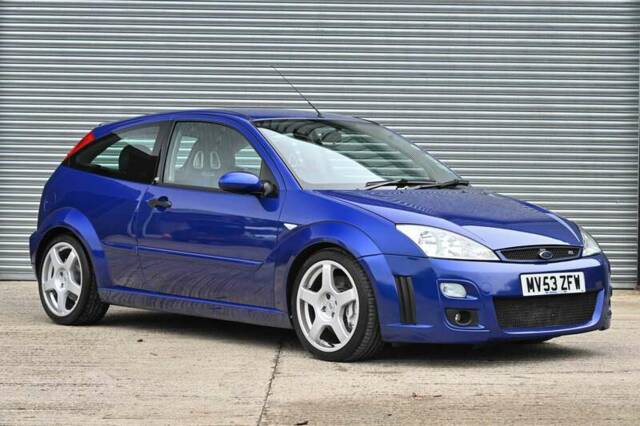
2003 | Ford Focus RS
2003 Ford Focus RS Mk1
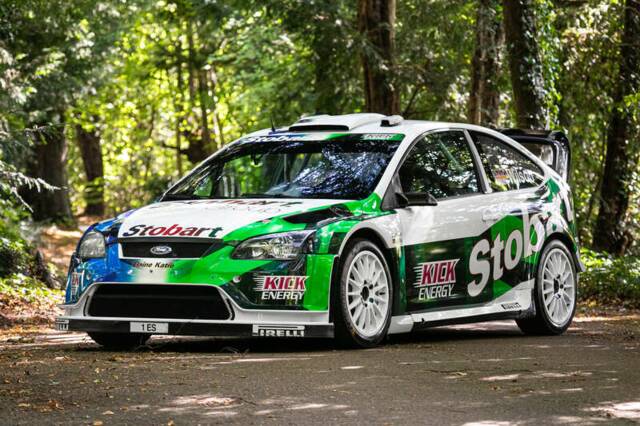
2007 | Ford Focus RS WRC
2007 Ford Focus Mk2 WRC - ex-Wilson, Galli, Solberg and Rossi
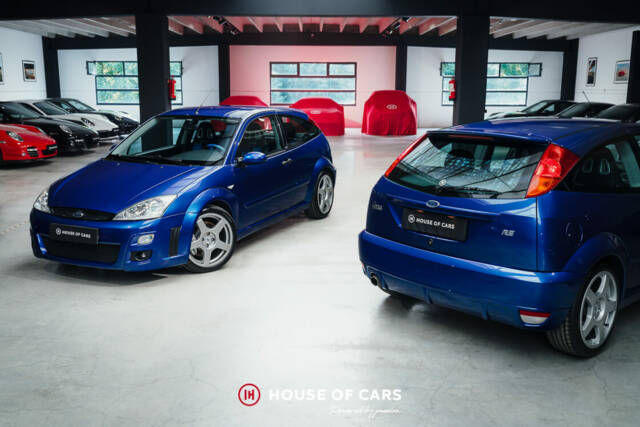
2003 | Ford Focus RS
MK1 N°2.649 - COLLECTOR ITEM !

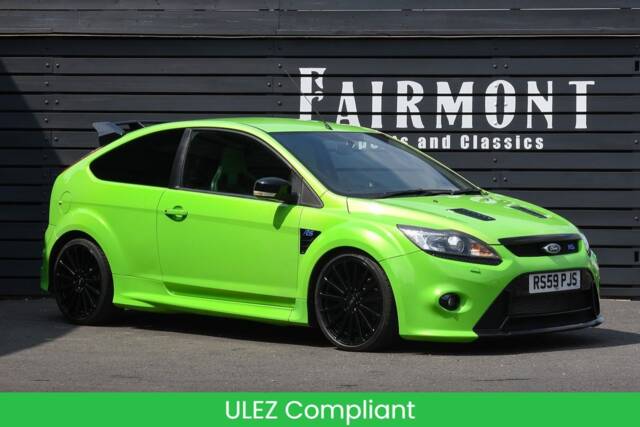
2009 | Ford Focus RS
Ford Focus Classic Cars: Prices & Market Values
Introduction and history of the Ford Focus
Unveiled in 1998 as the successor to the ageing Escort, the Ford Focus was born from Ford’s drive to unify global development strategies. Developed primarily by Ford of Europe’s German and British engineering teams, the Focus set new handling and safety standards in the compact segment right from the start. Ford's 2000 globalisation plan meant that Europe, America, and various global markets received nearly identical vehicles for the first time. Over four generations produced up to 2025, the Focus built a reputation for agility, safety equipment and design innovation. In 2025, Ford ceased production, marking the end of an era for this influential compact car.
Model history
The Focus traces its roots to the Escort, but over its lifespan has evolved through four core generations.
- Mk1 (1998–2004): Introduced the New Edge design, remarkable multi-link rear suspension, and strong safety credentials. RS and ST170 performance derivatives followed.
- Mk2 (2004–2011): Offered larger bodies, further improved suspension and dynamics, plus high-power ST and RS models with turbocharged engines.
- Mk3 (2011–2018): Advanced driver assistance, increased comfort, EcoBoost downsized engines, and ever more sophisticated infotainment.
- Mk4 (2018–2025): Premium tech, enhanced connectivity and final high-performance variants like the RS Mk3 and special editions. The Focus inherited Ford’s rallying spirit through close ties with M-Sport, especially visible in iconic RS and limited-run versions.
Highlights of the Ford Focus
The Focus set standards with its agile handling, especially with the introduction of the multi-link rear suspension in the Mk1. Notable features across generations include sport-tuned versions with Recaro seating, unique alloy wheels, hybrid aluminium design elements and advanced infotainment such as SYNC2/3. Safety equipment (e.g., ISOFIX, ABS, multiple airbags) was generous for its class. Modern variants offered adaptive front lighting, heated seats, and advanced driver assistance systems. The RS and ST models deliver serious performance, thanks to advanced engines and mechanical limited-slip differentials.
Technical data
Special editions and collectible models
Key special editions have played a central role in Focus history:
- Focus RS500: Only 500 built, Matte Panther Black finish, upgraded turbocharged engine to 346 PS, Mountune upgrades, bespoke badging, exclusive interior touches.
- Heritage Edition (RS Mk3): Just 50 built, Deep Orange paint, Quaife limited-slip differential, Mountune kit boosting to 370 PS.
- Red Edition (RS Mk3): 300 units, red paint with black roof, Quaife diff, sporty details and possible Mountune upgrades. These and other limited runs (e.g., ST170, ST225) are especially sought after for their exclusivity and performance lineage rooted in Ford's rally involvement.
Weak Spots and Common Issues
While the summary does not mention critical recurring weak spots, general attention should be paid to typical Focus issues such as rear suspension wear (especially Mk1 and Mk2), electrical niggles with older infotainment units, and standard checks for age-related corrosion on early models. Turbocharged variants (ST, RS) can demand more regular servicing for turbo, clutch, and driveshafts. Regular inspection of timing belts and proper maintenance following manufacturer intervals is strongly advised for reliability.
Engine and Performance, Transmission and Handling
The Focus built its reputation on lively dynamics. Multi-link rear suspension brought outstanding balance and composure, distinguishing it in its class. The RS Mk3 (350–375 PS), ST225 (225 PS) and ST170 (170 PS) combine powerful turbo engines, quick manual gearboxes, and sophisticated limited-slip differentials for precise traction. Even regular models benefit from well-weighted steering and agile handling traits. Weight varies by trim, impacting acceleration and fuel economy (6–8 l/100km for most). Watch for model-specific drivetrain details: RS had AWD, while most were FWD. - Focus RS Mk3: 350–375 PS, 0–100 km/h in 4.7 s, AWD, drifting mode, advanced chassis electronics.
- ST225: 2.5L 5-cylinder Turbo, 225 PS, celebrated for engine note and daily usability.
- ST170: naturally aspirated, 170 PS, valued for balance and analogue driving feel.
Interior, Comfort, Exterior and Design
Ford invested consistently in contemporary styling and comfort features. The New Edge design language of the Mk1 was controversial but stood out. Interiors ranged from utilitarian cloth on base models to Recaro sports seats and aluminium trims on ST/RS. Special models (RS, Red/Heritage Editions) added unique painted finishes, contrast stitching, carbon or brushed aluminium inserts and limited-edition plaques. Practical features include heated mirrors, electric windows, modular seating, climate control and enhanced audio (Sony MP3, ICE 6006E/N). Later generations introduced touchscreens, keyless entry, adaptive lighting, and privacy glass. Early models offered bold colours like Imperial Blue, later ones featured sophisticated metallic paints and two-tone roof options.
Other relevant features
The Focus range is notable for its variety in body styles: hatchback (3/5-door), saloon, and estate. Advanced features such as Isofix, rear camera, parking sensors and driver information systems appeared in later series. A wide range of dealer and factory accessories (branded floor mats, navigation systems, alarm systems, protection packages) remains available, boosting customization for classic Focus fans.
Summary
The Ford Focus remains a benchmark in the compact segment, known for its dynamic handling, varied model range and deep motorsport pedigree. With high demand for early and performance variants, comprehensive safety and comfort features as standard, as well as a choice of collectible limited editions, the Focus series gives car enthusiasts and collectors countless options to find a model suiting their preferences and aspirations.