Ford FK Classic Cars for Sale
The Ford FK series is a rare German-built classic utility vehicle, highly sought-after for its practical design and versatility. Especially popular among collectors and enthusiasts, the FK is recognised as a distinct alternative to more common light commercial vehicles from the 1950s and 1960s. With flexible configurations and robust engineering, it stands out in the vintage vehicle market.
Search results
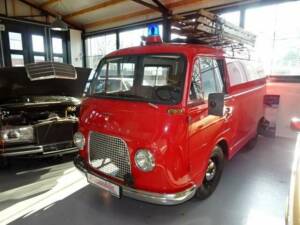
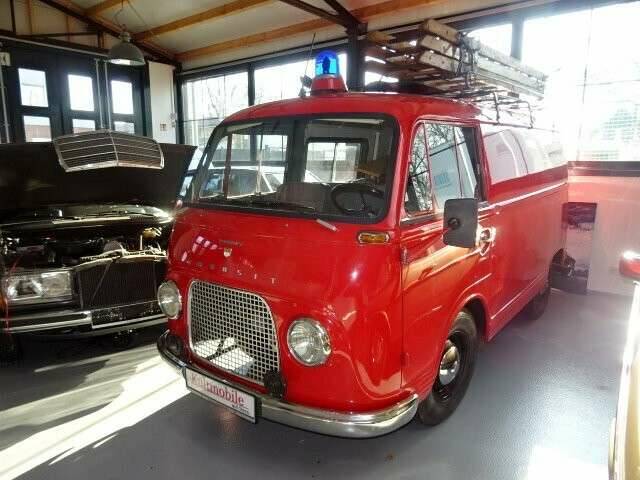
1965 | Ford Taunus Transit 1000
Ford Transit

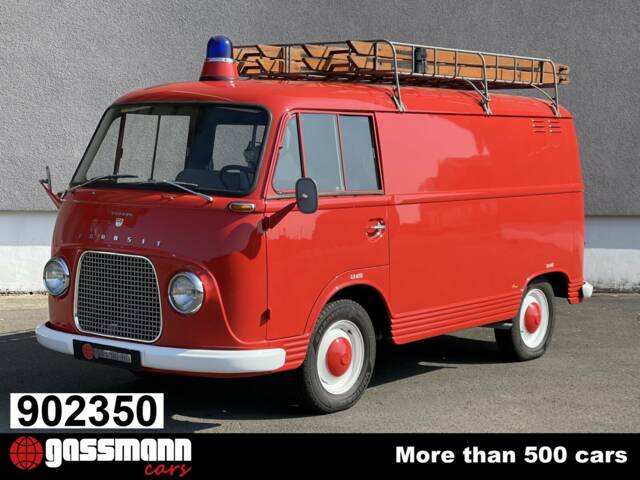
1964 | Ford Taunus Transit 1250
Taunus Transit 1250 Feuerwehr
Auctions ending soon

Loading…
Loading…
Loading…
Loading…
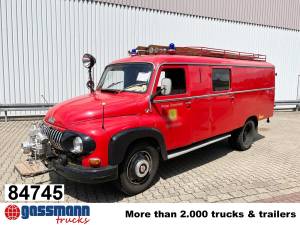
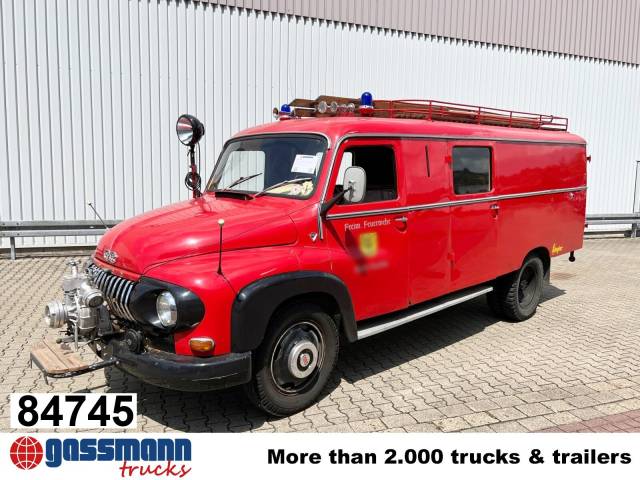
1960 | Ford FK 2500
FK 2500 4x2 LF8 Feuerwehr
Ford FK listing references from Classic Trader
Below you will find listings related to your search that are no longer available on Classic Trader. Use this information to gain insight into availability, value trends, and current pricing for a "Ford FK" to make a more informed purchasing decision.
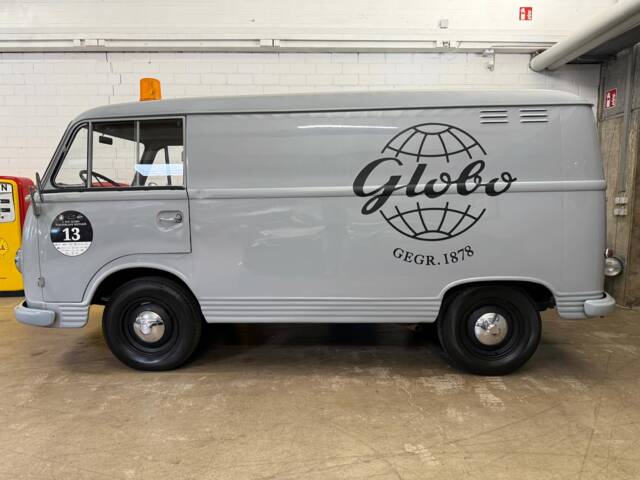
1965 | Ford Taunus Transit 1250
Ford Transit
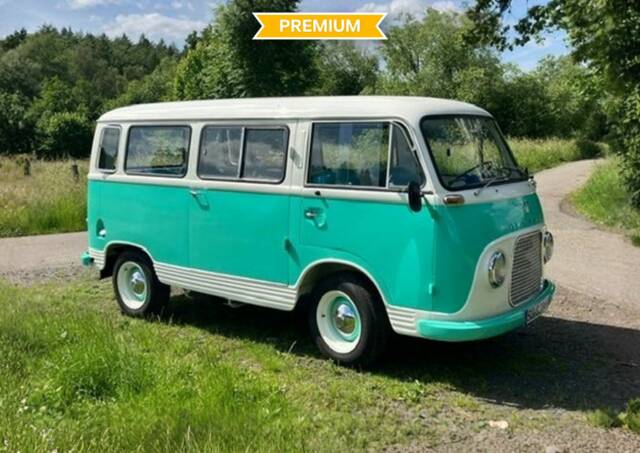
1962 | Ford Taunus Transit 1250
Ford FK 1250 Taunus Transit | 1962 | Route 66 Auctions - For sale by auction. Estimate 16500 EUR

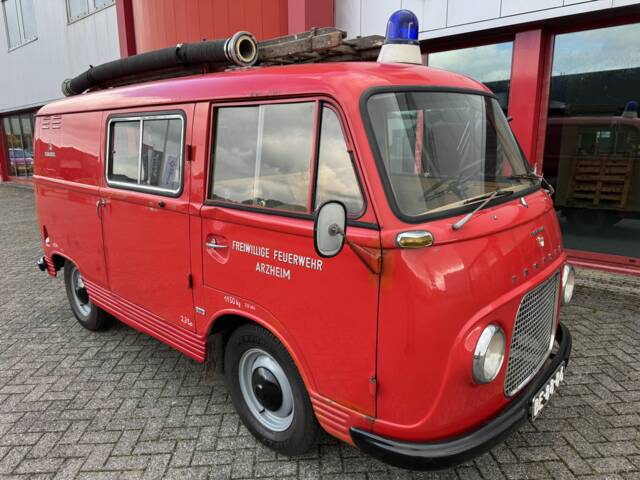
1964 | Ford Taunus Transit
Ford Taunus Transit | 1964 | Route 66 Auctions - For sale by auction. Estimate 5500 EUR
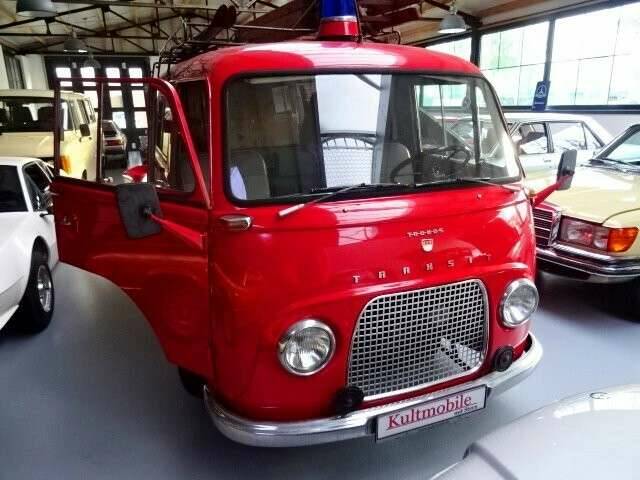
1965 | Ford Taunus Transit 1250
Ford Transit Taunus FK 1250
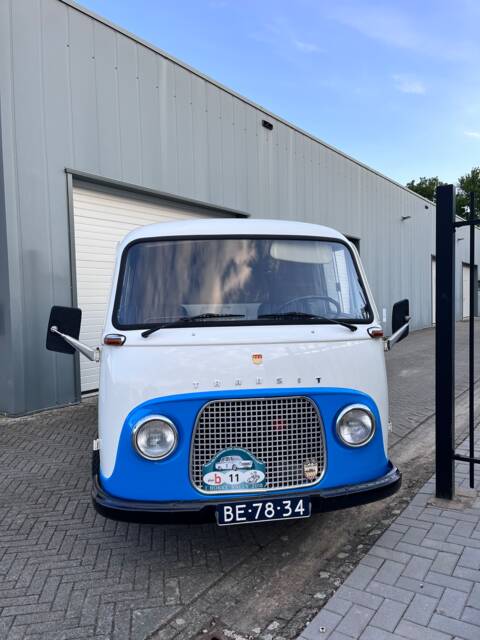
1963 | Ford Taunus Transit 1250
Te koop aangeboden
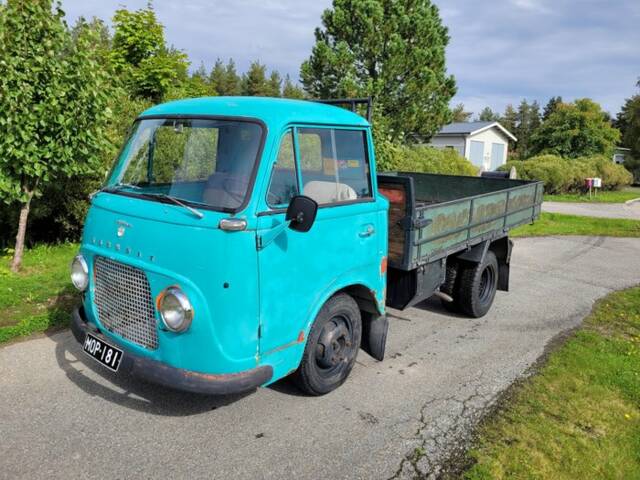
1961 | Ford Taunus Transit 1000
Ford - Taunus Transit - 1961
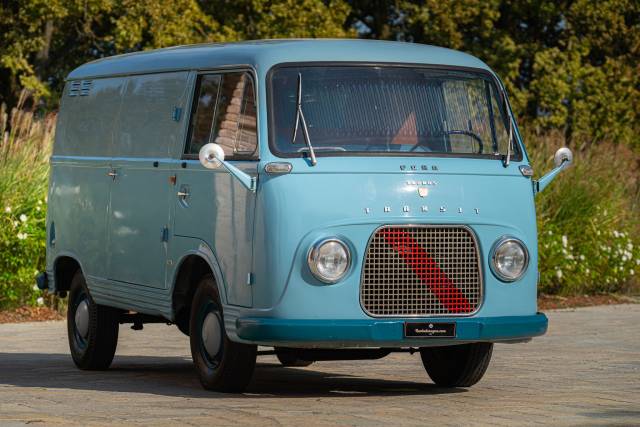
1963 | Ford Taunus Transit 1000

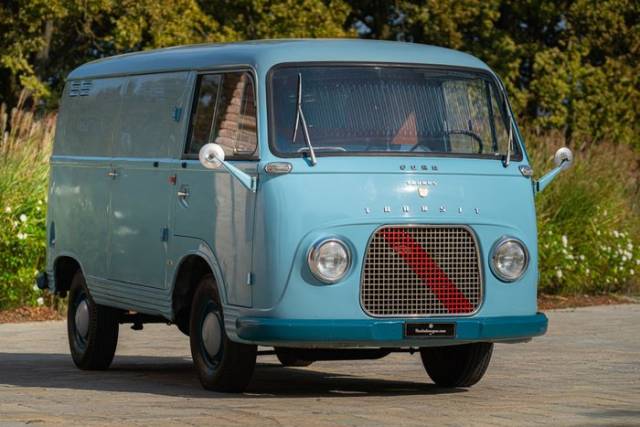
1963 | Ford Taunus Transit 1000
Ford - Taunus Transit - 1963
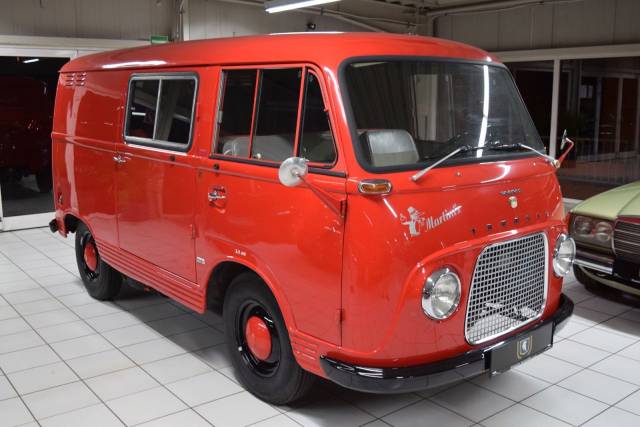
1965 | Ford Taunus Transit
Transit/H-Zul/WGA/Restauriert
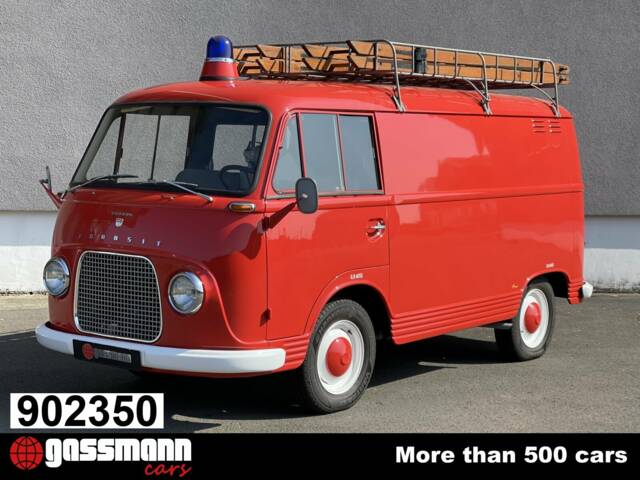
1964 | Ford Taunus Transit
Taunus Transit 1250 Feuerlöschfahrzeug
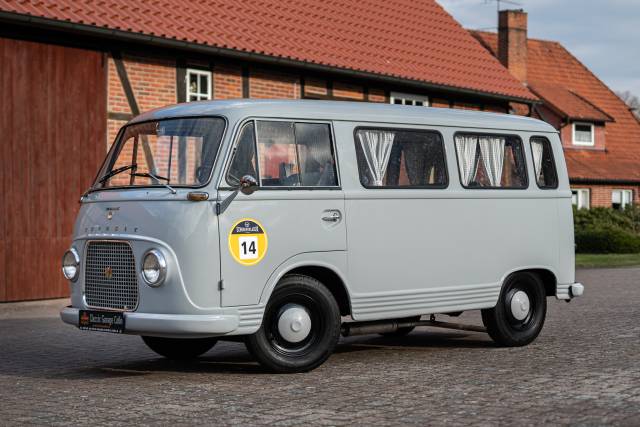
1965 | Ford Taunus Transit 1000
Sehr seltener Fensterbus
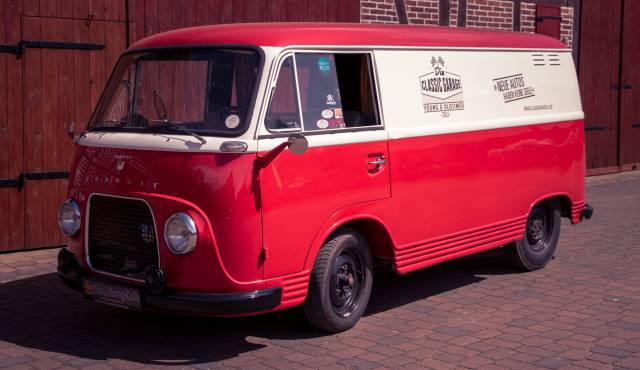
1965 | Ford FK 1250
Ex-Feuerwehr, erst 50000 KM
Ford FK Classic Cars: Prices & Market Values
History of the Ford FK
The Ford FK, short for 'Ford Köln', marked Ford Germany’s strategic move into the medium-duty commercial vehicle sector. Produced from 1951 to 1961 at the Cologne plant, the FK replaced earlier Rhein and Ruhr models after a competitor registered those names. The FK's production window ended as Ford’s German operations shifted away from heavier trucks, moving focus to lighter utility vehicles and bringing in models from the British Ford range. The FK’s role as a workhorse for businesses and services, such as fire brigades and rescue teams, cemented its reputation for utility and adaptability in Germany’s post-war industrial renaissance.
Model History
The FK model line included the FK 1250, also known as the Taunus Transit, built between 1953 and 1965 in Cologne-Niehl. Successor to earlier heavier trucks, the FK line overlapped with the period when European transport demand was rapidly modernising. Predecessors carried the Rhein and Ruhr designations. The FK series itself set the foundation for Ford's later involvement in practical, van-like utility designs, and after its discontinuation, Ford Germany largely left the medium-duty segment.
Unique Features and Highlights
The FK series features a spacious, flat load area with a volume of up to 5 cubic metres, rear fixed window, and large rear hatch that facilitated easy loading. As the engine sits up front—unlike the VW T1—maintenance and accessibility are notably straightforward. The FK was widely used by rescue services and fire departments, making variants like fire engines and pump vehicles especially interesting to collectors. Many original and new spare parts remain available, simplifying both authentic restoration and creative conversions.
Technical Data
Special Editions and Notable Variants
Notable FK variants include original fire trucks and rescue pump vehicles, frequently encountered in preserved or restored condition. Particularly sought-after are those vehicles that have retained their complete period-specific firefighting or emergency equipment. Numerous camper conversions exist, featuring practical elements such as refrigerators, gas cookers, sinks, bespoke cabinetry, Velour upholstery, and upgraded electrical hookups, tailored to retro camping enthusiasts.
Weak Spots and Common Issues
No specific weak spots have been reported. Buyers should, as with any classic commercial vehicle, assess for typical issues such as corrosion in load-bearing bodywork and frame components, especially on vehicles previously used in commercial or emergency service operations. The ongoing availability of spare parts helps reduce restoration complexity.
Engine, Transmission and Handling
Powered by a robust 1.5-litre engine, the FK delivers dependable performance for its class, with output suited to both urban and suburban duties. The front-mounted engine ensures straightforward mechanical access, and the FK’s simple drivetrain makes driving and maintaining the vehicle manageable for enthusiasts of vintage utility vehicles. Handling reflects its era—a balance between stability and workhorse usability, with ample refresh airflow and practical load access via large rear doors. Popular FK versions include vehicles fitted out for firefighting and rescue duties as well as bespoke camper conversions (including installations like fridges, cooktops, and 230V systems). These variants demonstrate the FK’s adaptability and enduring appeal among collectors looking for both originality and custom utility.
Interior, Comfort, Exterior and Design
The Ford FK’s cabin features practical, straightforward controls and sturdy materials, engineered for durability under commercial workloads. Restored models frequently showcase new Velour seat upholsteries, cork flooring, and creative camper cabinetry—testament to the adaptability of the FK’s spacious interior. Exteriors typically retain the classic industrial look, with prominently flat cargo platforms, fixed rear windows, large loading hatches, and removable or modular storage solutions. Original accessories and special order items—like side gas compartments or enhanced roof venting—remain highly valued among enthusiasts.
Other Notable Details
Many FK units on the market have histories as emergency service or commercial fleet vehicles, and their provenance is often well documented. The flexibility of the load area and adaptable expansion options make the FK highly suited both for period-correct restoration and for creative modern repurposing.
Summary
The Ford FK, built in Cologne, exemplifies German post-war commercial vehicle engineering. With a practical front-engine layout, versatile load space, and broad scope for utilitarian or leisure conversions, it remains a singular choice for vintage vehicle collectors and hobbyists. Its presence in the current market is marked by high availability and sustained interest among Ford classic vehicle fans.