Ford E-Series classic cars for sale
The Ford E-Series, known for its robust engineering and flexibility, ranges from the early 1960s compact vans to spacious full-size models with powerful V8 options. Adapted frequently for commercial, family, and recreational uses, these vans provide a wealth of configuration and conversion possibilities for classic vehicle enthusiasts.
Search results
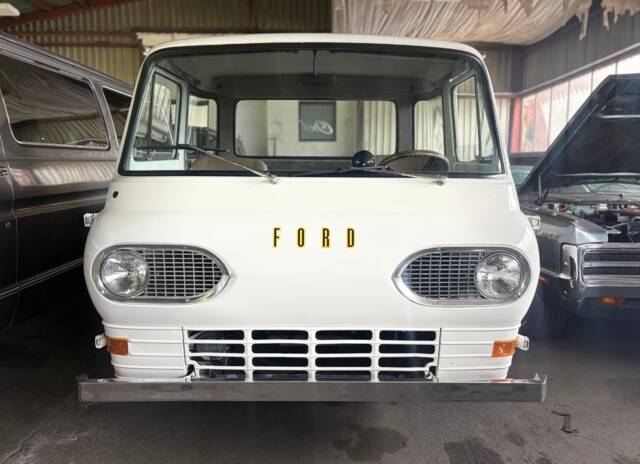
1964 | Ford Econoline
Ford Econoline V8!!

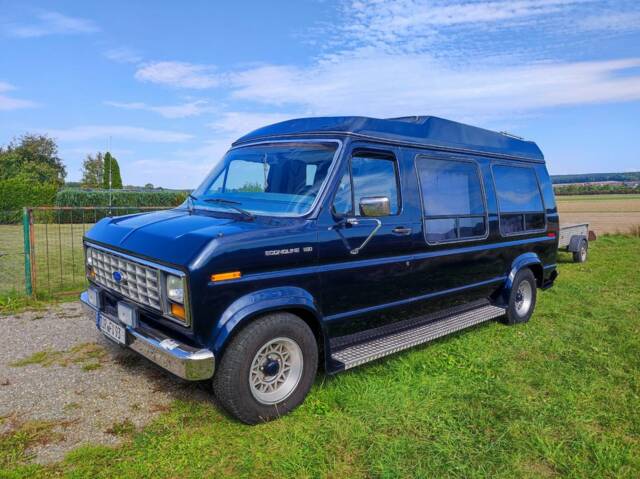
1988 | Ford Econoline E 150
Ford Econoline E-150 | 1988 | Route 66 Auctions - For sale by auction. Estimate 5400 EUR

Auctions ending soon

Loading…
Loading…
Loading…
Loading…
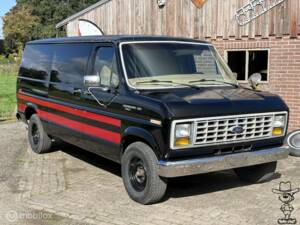
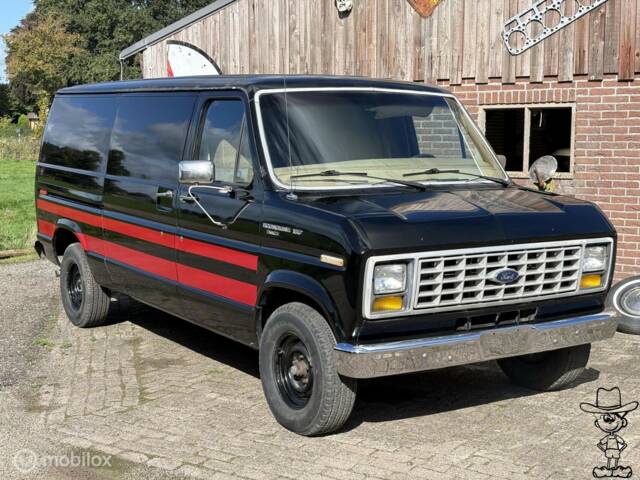
1985 | Ford Econoline E 150
Ford USA econoline 5.0 cargo van
VAT is reclaimable
Ford E-Series listing references from Classic Trader
Below you will find listings related to your search that are no longer available on Classic Trader. Use this information to gain insight into availability, value trends, and current pricing for a "Ford E-Series" to make a more informed purchasing decision.
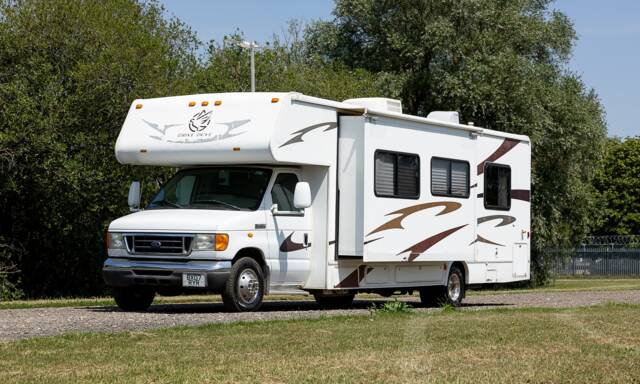
2007 | Ford E-450 Forest River Sunseeker
2007 Ford Motorhome

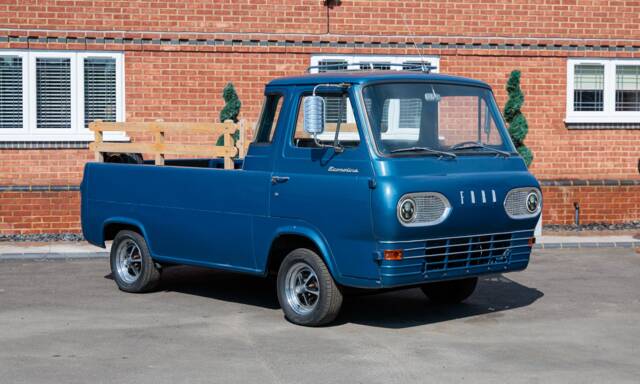
1967 | Ford Econoline
1967 Ford Econoline Pick-up
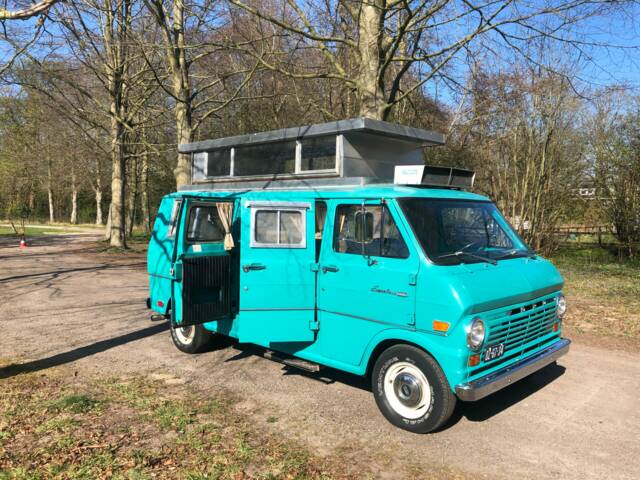
1969 | Ford Econoline E 302
Ford Econoline Camper Van | 1969 - For sale by auction. Estimate 30950 EUR
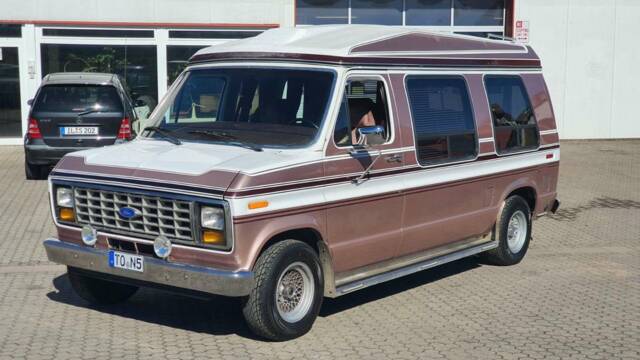
1991 | Ford Econoline E 150
Ford Econoline E150 Campervan Grand Systems LPG TÜV

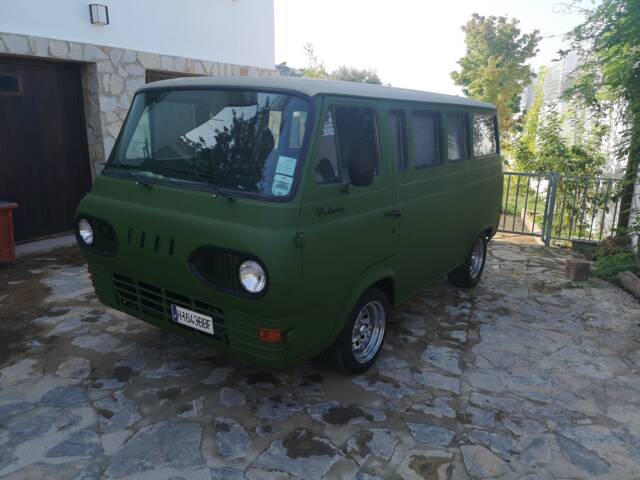
1965 | Ford Econoline

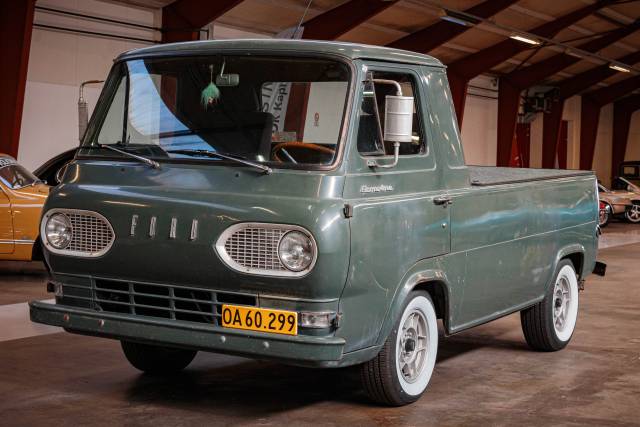
1962 | Ford Econoline
Interesting history

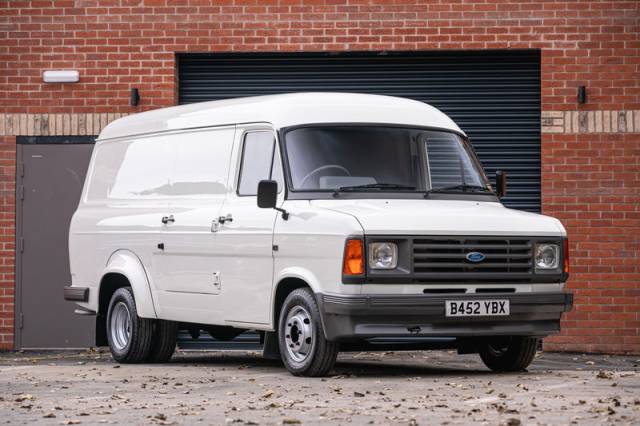
1984 | Ford Econoline E 150
1984 Ford MK2 Transit Twin Wheel LWB Custom Van
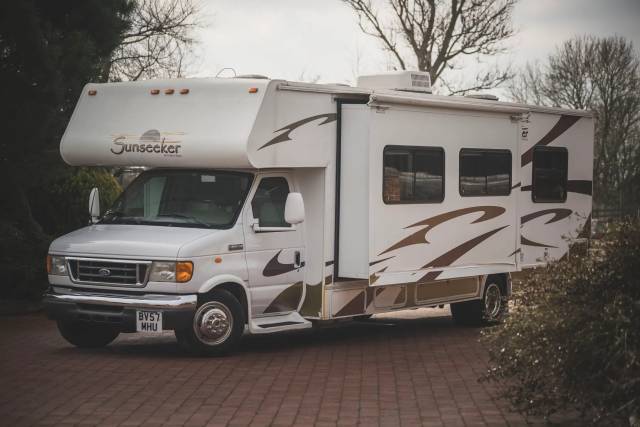
2007 | Ford E-450 Forest River Sunseeker
Super Duty - Perfect for Goodwood
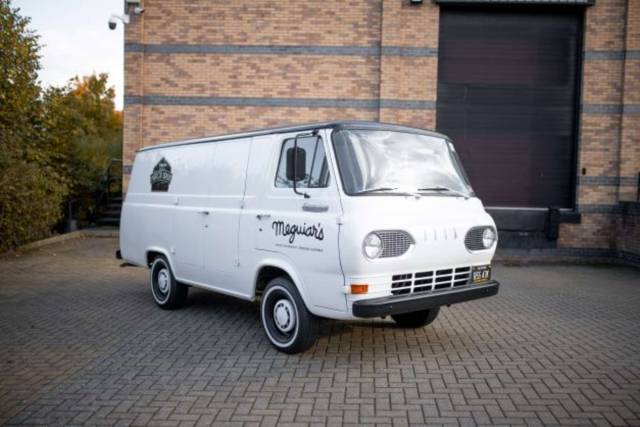
1966 | Ford Econoline
1966 Ford Econoline Van
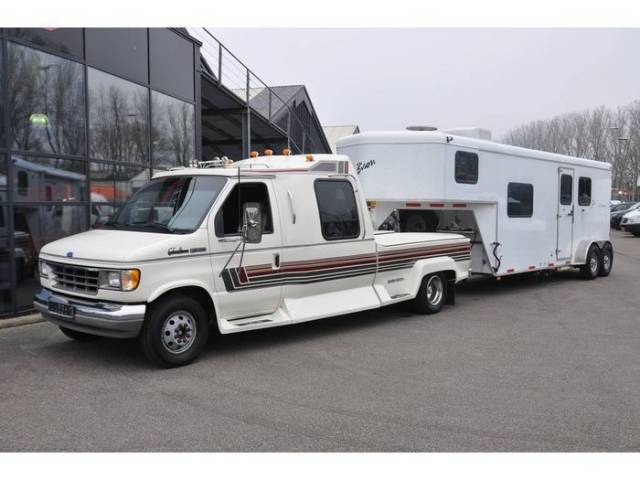
1997 | Ford Econoline E 350
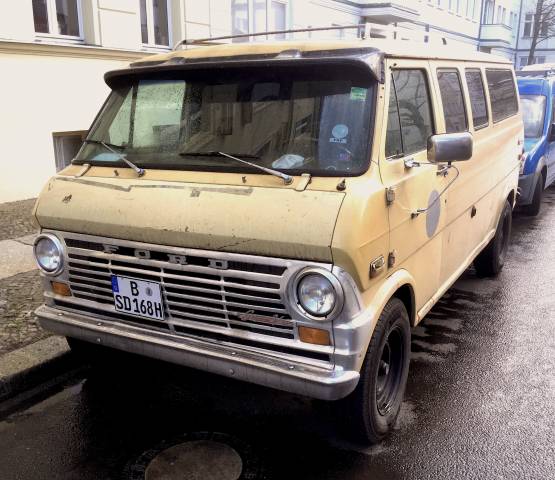
1973 | Ford Econoline E 300
Oldtimer Club Wagon
Ford E-Series Classic Cars: Prices & Market Values
History of the Ford E-Series
The Ford E-Series—initially branded as Econoline and Club Wagon—began its journey in 1961 as a compact van, offering a new concept in utility vehicles for the American market. Inspired by European vans like the VW Bus and Ford Transit, the first generation featured a forward-control layout with the engine mounted behind the front axle, utilising a robust inline-six engine ranging from 2.4 to 3.9 litres. As demand evolved, Ford transitioned the E-Series into the full-size van category with the second generation (1968–1974), shifting the engine forward and introducing V8s to meet American tastes for power and payload. From 1975 onwards, the third generation saw Ford expand further, with longer bonnets, optional all-wheel drive, and design features like the incorporation of the Ford Blue Oval in 1983. These changes reflected changing customer needs, with more versatile body styles and specialised versions—including cutaway chassis for custom builds. The E-Series built a reputation as a foundation for commercial fleets, camper conversions, and family transport throughout the decades, cementing its role in the US van landscape.
Model History
The E-Series story starts as a compact van designed in the early 1960s to replace the F-Series panel van. Early models—Econoline and Club Wagon—served both goods and passenger transport. In 1968, the second generation adopted a full-size van format, matching the growing American demand and enabling larger V8 engine options. From 1975, the third generation was notable for its introduction of four-wheel drive and structural reinforcements, with updates such as facelifts in 1979 and 1983 altering the front end and adding the Ford Blue Oval badge. A fourth generation continued the legacy, but notable in the model's history was the short-lived Carousel project, planned in the mid-1970s but dropped due to funding constraints. Over several decades, the E-Series evolved through commercial, passenger, and custom iterations, often adapted into campers, ambulances, and even off-roaders.
Highlights and Features
The Ford E-Series stands out for its wide model variety—ranging from basic cargo vans to fully kitted multi-seat passenger vehicles. Popular variants in Europe are rare, often imported for hobbyist or specialist purposes. Key technical variants include inline six-cylinder and V8 engines, rear or all-wheel drive (using heavy-duty Dana axles in 4x4 models), and both manual and automatic gearboxes. The reinforced steel frame made the van particularly suitable for heavy-duty use, while features like drum brakes, original and custom paint finishes, and extensive accessory options—from fog lamps to aftermarket dashboard gauges—set it apart from European competitors. The E-Series saw strong supply for the 3rd series, making up 27.8% of E-Series supply, and the first three series each show relatively balanced representation in the classic car market. Demand data shows that the first (43.1%) and second series (36%) are particularly sought-after among buyers, confirming strong interest in early models.
Technical Data
Special Editions and Collectible Models
Notable are the factory and aftermarket-converted campers, as well as the rare all-wheel-drive "Quadravan" variants based on reinforced frames and heavy-duty axles. Though there was an ambitious plan for a "Carousel" luxury variant in the mid-1970s, it was never serialised. Custom paint jobs and unique interior conversions (wood panelling, full camper fit-outs) created distinctive vehicles particularly valued by collectors and travel enthusiasts.
Weak Spots and Common Issues
No model-specific weak spots or frequent issues are documented in the current information. Like any classic vehicle, condition varies widely by usage, prior modifications, and maintenance, so it is strongly recommended to assess rust protection, drivetrain wear, and authenticity of special conversions during inspection.
Engine and Performance, Transmission and Handling
The E-Series offered a wide spectrum of engine choices, tuned for American performance and durability. Early six-cylinder units provided reliable torque for commercial users, while later V8s and sporadic V10s (in newer classics) delivered substantial power for towing and conversion needs. The E-Series' heavy-duty chassis gave a stable, if industrial, ride; all-wheel drive versions—fitted with Pathfinder's modifications—gave the van unexpected off-road capability. Drum brakes and power steering were common, and gearboxes ranged from 3-speed manuals to automatics, offering suitable options for both utility and leisure. Handling is typical for a large American van of its era: prioritising comfort and space. - E-Series 3rd Generation: Most seen in classic ads; robust design, good aftermarket support.
- E-300 & E-302: Known for their V8 performance and adaptability for conversion projects.
- Quadravan all-wheel drive: Sought after by off-road and travel enthusiasts.
- Club Wagon: Popular for passenger and camper conversions.
Interior, Comfort, Exterior and Design
The Ford E-Series was built foremost for practicality but offered a surprising degree of customisation—factory multi-tone paint schemes, dealer or user-upgraded interiors (wood, special textiles, camper layouts), and accessory options such as folding rear benches and extra instrumentation. Foundation vehicles featured simple, durable dashboards, but aftermarket uprating was common for classic campers and tourers. Doors and access points were designed for functionality (e.g., large tailgates, sliding side doors), while reinforced frames and high-roof variants supported camper builds. Classic E-Series models are instantly recognisable by their protracted bonnet and bold, upright grille—a look that shifted subtly with each generation, especially visible in the 1979 and 1983 front redesigns.
Other Features
E-Series vans are frequently found with history-rich customisations—camping fit-outs, specialist commercial conversions, or rare 4x4 upgrades. Authentic paperwork may show a confusing variety of type designations due to imports, registered configurations, or adaptation for special purposes such as high-payload classic LKW status.
Summary
The Ford E-Series stands out in the classic van landscape with its spectrum of robust, adaptable platforms—spanning early 1960s compact forms to powerful full-size, multi-purpose vans. Strong supply and demand for the earlier generations in the classic car market confirm ongoing interest. Whether as rugged commercial vehicles, family haulers, or adventure-oriented campers, classic E-Series vans represent the peak of American van engineering flexibility.