Dodge Coronet Classic Cars for Sale
The Dodge Coronet, spanning seven generations from 1949 to 1976, is a reference point for American full-size and later intermediate models. Available in configurations ranging from understated sedans to fire-breathing muscle cars like the Super Bee, the Coronet continues to attract classic car enthusiasts with its varied history, broad engine range and distinctive American styling.
Search results
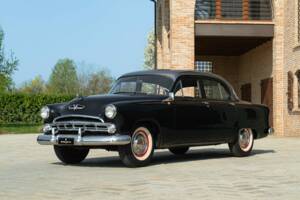
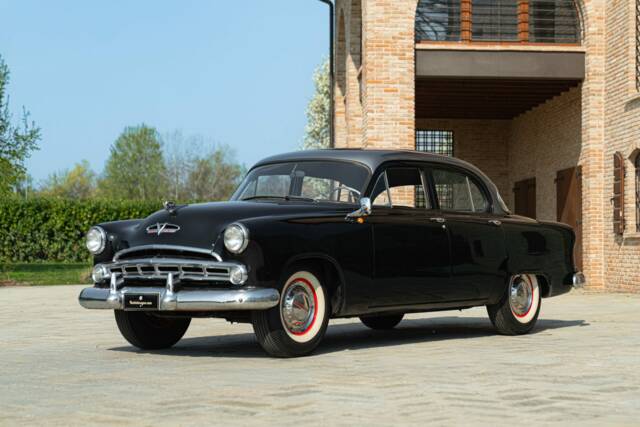
1953 | Dodge Coronet "Red Ram"
Dodge V-EIGHT

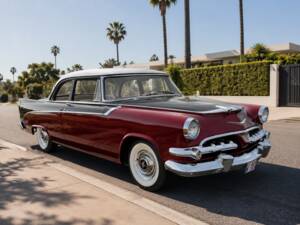
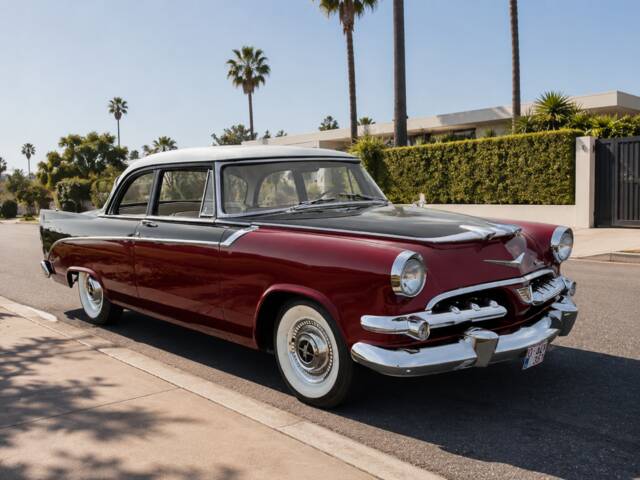
1956 | Dodge Coronet
Dodge Coronet | 1956 | Route 66 Auctions - For sale by auction. Estimate 13800 EUR

Dodge Coronet listing references from Classic Trader
Below you will find listings related to your search that are no longer available on Classic Trader. Use this information to gain insight into availability, value trends, and current pricing for a "Dodge Coronet" to make a more informed purchasing decision.
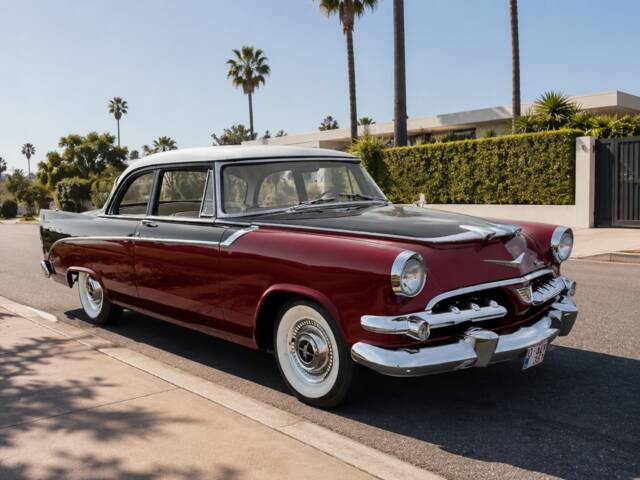
1956 | Dodge Coronet
Dodge Coronet | 1956 | Route 66 Auctions - For sale by auction. Estimate 13500 EUR
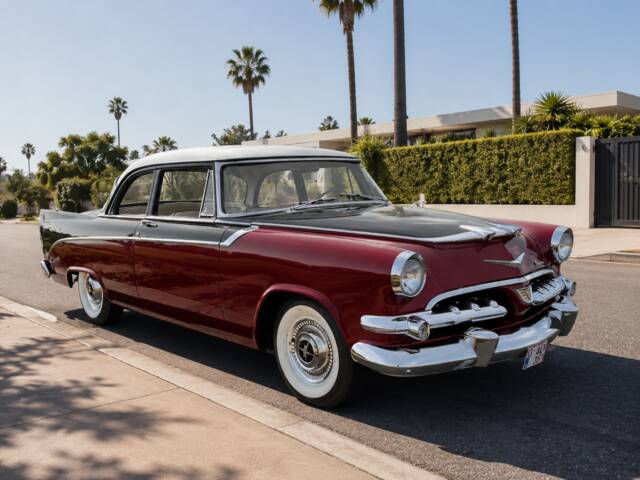
1956 | Dodge Coronet Suburban
Dodge Coronet | 1956 | Route 66 Auctions - For sale by auction. Estimate 13500 EUR
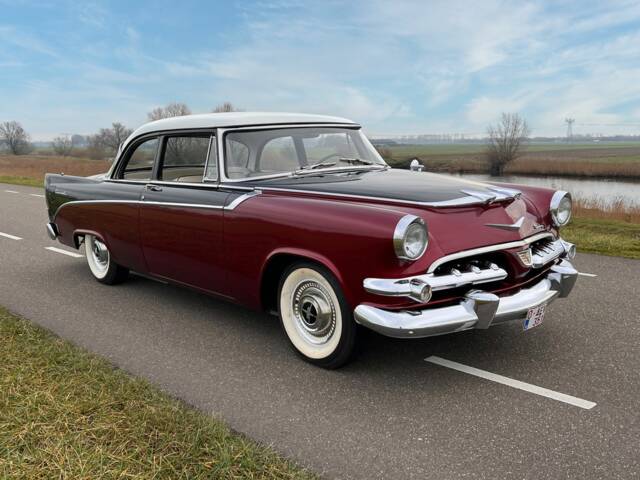
1956 | Dodge Coronet Suburban
Dodge Coronet | 1956 | Route 66 Auctions - For sale by auction. Estimate 16500 EUR
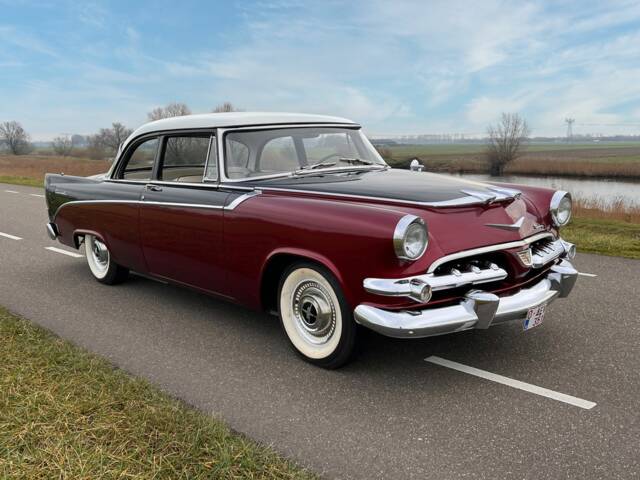
1956 | Dodge Coronet Lancer
Dodge Coronet | 1956 | Route 66 Auctions - For sale by auction. Estimate 17500 EUR
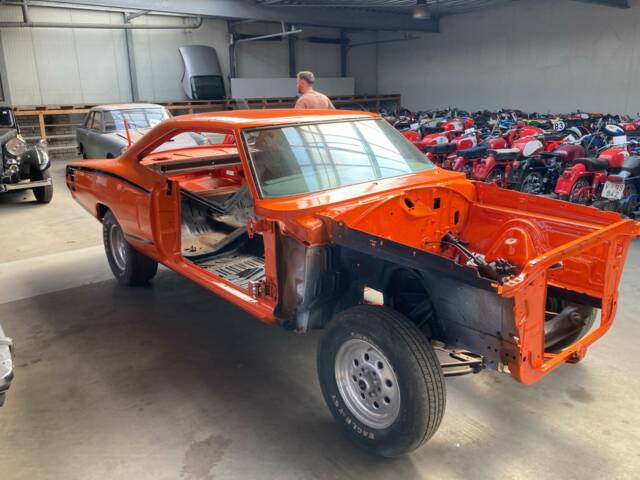
1970 | Dodge Coronet Super Bee
Dodge-Superbee
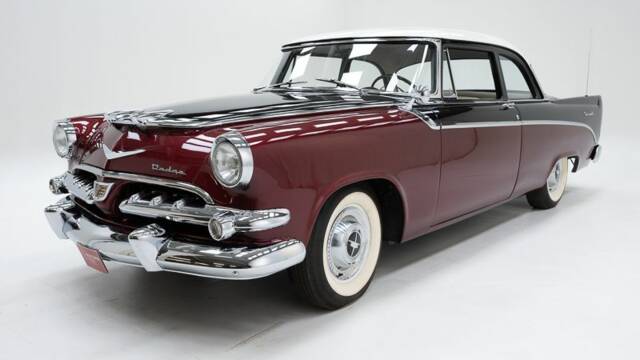
1956 | Dodge Coronet Suburban
1956 Dodge Coronet 2-doors Sedan '56

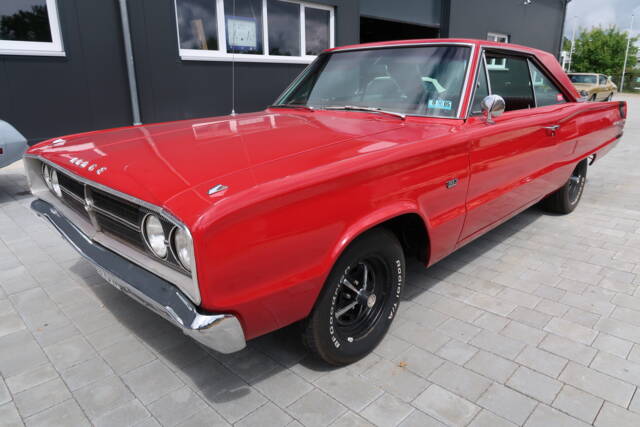
1967 | Dodge Coronet 500 Coupé
Motor & Getriebe revidiert

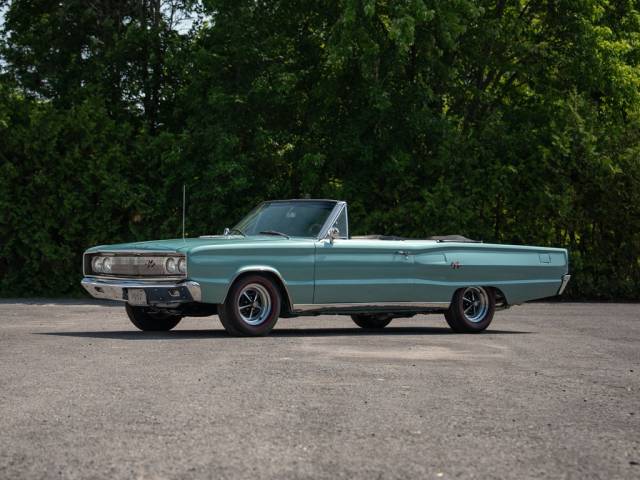
1967 | Dodge Coronet
1967 Dodge Coronet R/T Convertible

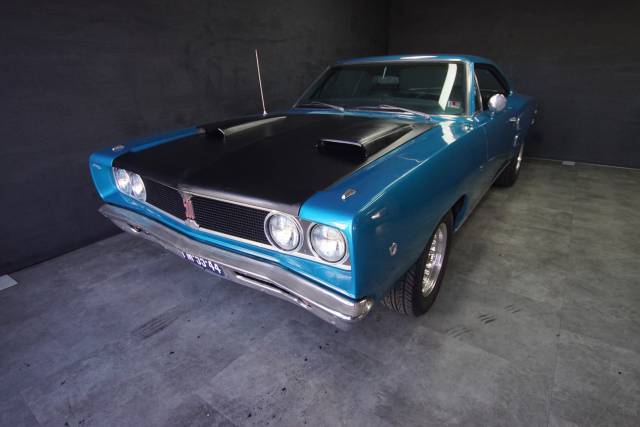
1968 | Dodge Coronet 500 Coupé
Dodge CORONET 500 HARDTOP
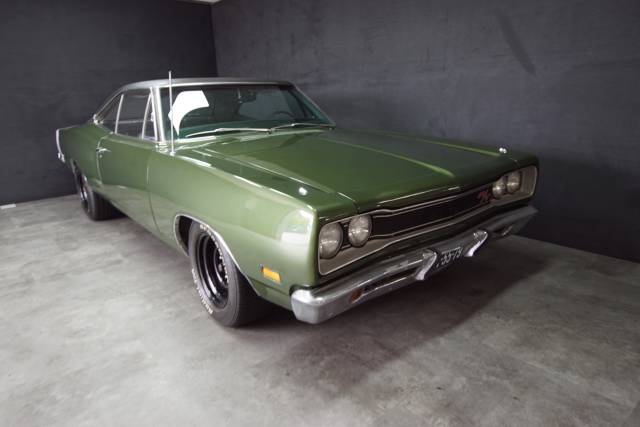
1969 | Dodge Coronet 500 Coupé
Dodge CORONET 500 HARDTOP
Dodge Coronet Classic Cars: Prices & Market Values
History of the Dodge Coronet
Introduced in 1949, the Dodge Coronet was originally positioned as Dodge's top luxury offering, equipped with a 3.8-litre straight-six engine. The first model years showcased a variety of bodystyles, including saloon, Pullman (accommodating up to eight), estate and coupe. In 1955, the Coronet was repositioned as the entry-level Dodge and received more powerful engines, corresponding to market demand. By 1958, it underwent further updates, with a notable restyle and increased equipment. The model continued evolving, with significant bodyshell and equipment changes in 1968, eventually narrowing its bodystyles to saloon and estate by 1971, due partly to the rise of the Charger as the coupe of choice. The Coronet name was ultimately retired in 1977, with the Monaco and Diplomat serving as its successors. Over nearly three decades, Coronet reflected the evolution of postwar American car manufacturing, adapting to the shifting demands of buyers in both luxury and performance sectors.
Model History
The Dodge Coronet's production divides into distinct eras. From 1949 to 1959, it started as a full-size model with various body configurations and increasingly powerful straight-six and V8 options. Production was temporarily halted after 1959. The Coronet returned in 1965 as an intermediate-sized model built on the Polara chassis, with bodystyles including hardtop, saloon, estate, convertible and coupe. This period also saw the launch of high-performance models such as the Super Bee and R/T, powered by engines up to 7.2 litres (440 ci) and 426 Hemi. By 1971, the Coronet range focused exclusively on saloon and estate versions, incorporating updates such as improved cabin soundproofing and stylistic facelifts before ending production in 1976. Its successor was officially branded as the Monaco, with the Diplomat name living on in select export markets.
Highlights of the Dodge Coronet
The breadth of available variants and engines made the Coronet particularly interesting. Early models stood out with their three-speed automatics and capacious interiors. The 1950s versions set standards in mid-century American style, while from 1965, the high-powered performance range brought the Coronet into muscle car territory. The Super Bee was a sports model of note, with its 383 Magnum engine and up to 335 horsepower. Restorations often focus on authenticity, though performance upgrades like Mopar racing suspension or aftermarket exhausts (MagnaFlow, FlowMaster) are common. Both US and European versions exist, and a variety of trim levels, colours, and interiors ensures individuality. Financing options are available for certain classic Coronet examples.
Technical Data
Special Editions and Collectible Models
The Coronet Super Bee is the best-known performance special, produced between 1968 and 1971, featuring tuned V8s and bold graphics. The rare 426 Hemi and 440 Magnum versions are especially prized by muscle car aficionados. Earlier Pullman-limousines and export versions such as the Colombia-market Diplomat also represent unique chapters in Coronet history. High-spec Royal trims and fleet-oriented variants existed as well.
Engine, Performance and Handling
Performance varied from smooth, reliable six-cylinders to fire-breathing V8 monsters. The Coronet’s handling, typical of American cars of the era, favours comfort over sharpness, but the performance models (especially Super Bee and R/T) delivered surprising straight-line speed. Most Coronet models use rear-wheel-drive layouts and relatively soft suspension, with racing models offering stiffer Mopar competition setups and upgraded brakes. Manual and automatic gearboxes both have their respective followings; automatics are robust, but the four-speed manual is preferred by performance purists. 1. Dodge Coronet Super Bee 383 Magnum: 6.3-litre V8, 335 hp, muscular appearance, available as coupe and convertible 2. Coronet R/T 440: 7.2-litre V8, TorqueFlite auto or 4-speed manual, renowned for straight-line speed 3. Early 1950s Coronet Club Coupe: classic American design, 3.8-litre straight-six, collector’s choice for original styling 4. 1967-1968 Coronet 500: balance of comfort and performance, multiple engine options, recognisable 'coke-bottle' contours
Interior, Comfort, Exterior and Design
Coronets evolved from classic post-war lines to aggressive '60s muscle shapes. Early interiors offer bench seating with either cloth or durable leather, finished in period-correct hues of green, grey, or black. Notable accessories include optional AM/FM radios, electric windows (from the mid-50s), and vinyldachs. Muscle models gained sportier trim, special graphics, and bold exterior colours often associated with Mopar muscle cars. Door configurations and materials depended on trim and year, while Pullman and estate variants emphasised spaciousness. Factory options included original-fit or bespoke interiors, period racing upgrades, and distinct US/EU-market elements.
Other Features
Depending on year and market, certain Coronet models featured unique export specifications (e.g. the Colombian Diplomat). The model's adaptability also means you'll encounter both tastefully restored classics and heavily modified drag or circuit racers. Some classic car finance schemes accept Coronets, appealing to buyers looking to preserve or enhance these American classics.
Summary
The Dodge Coronet offers one of the broadest spectrums in American classic car history, bridging the gap from stately postwar cruisers to thunderous late-'60s muscle cars. Extensive variety in engines, body styles and specifications means there is a Coronet for nearly every type of enthusiast. With significant market presence (74% supply and 60% demand share for Dodge), and a dedicated following for special editions (notably the Super Bee and R/T), the Coronet remains a defining piece of Dodge heritage.