DKW F12 classic cars for sale
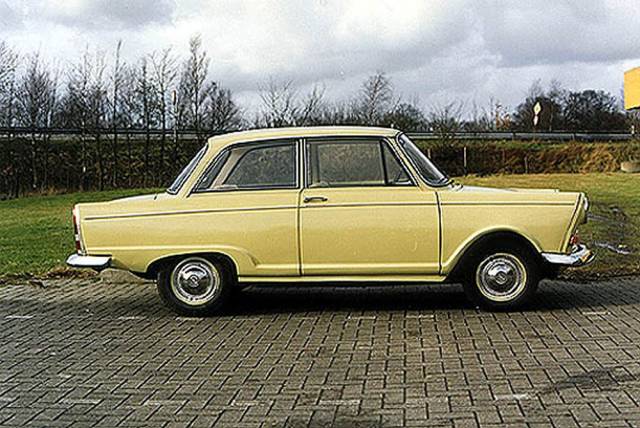
The DKW F12, produced by Auto Union from 1963 to 1965, represents the last chapter of DKW’s two-stroke era. This compact saloon is renowned for its front-wheel-drive layout, surprising interior space, and robust three-cylinder engine. The model is celebrated among enthusiasts for its technical quirks and collectible Roadster variant.
Search results
Currently, there are no matching listings for your search.
Create search alert
Let yourself be notified as soon as a listing is published that matches your search filters.
DKW F12 listing references from Classic Trader
Below you will find listings related to your search that are no longer available on Classic Trader. Use this information to gain insight into availability, value trends, and current pricing for a "DKW F12" to make a more informed purchasing decision.
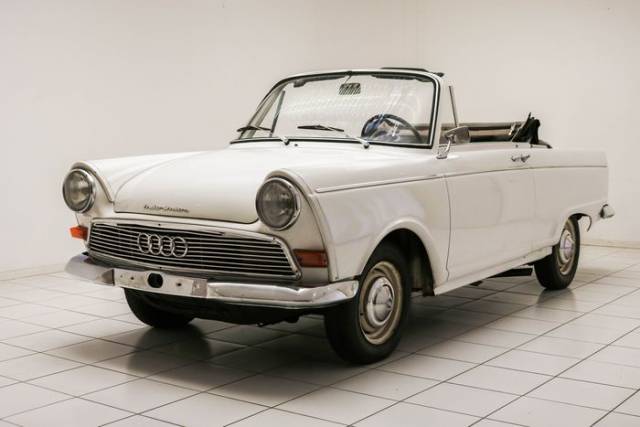
1964 | DKW F12 Roadster
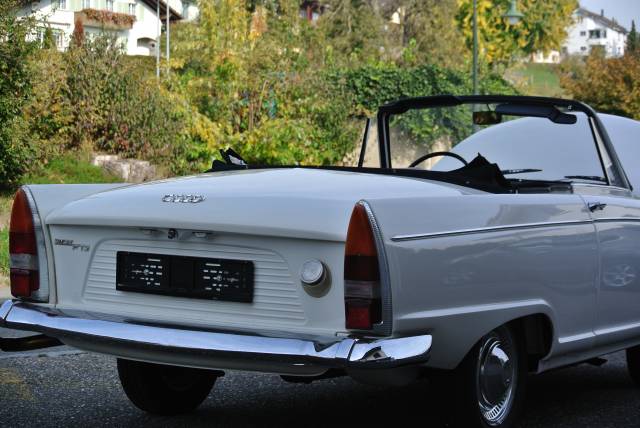
1965 | DKW F12
DKW F 12 Roadster

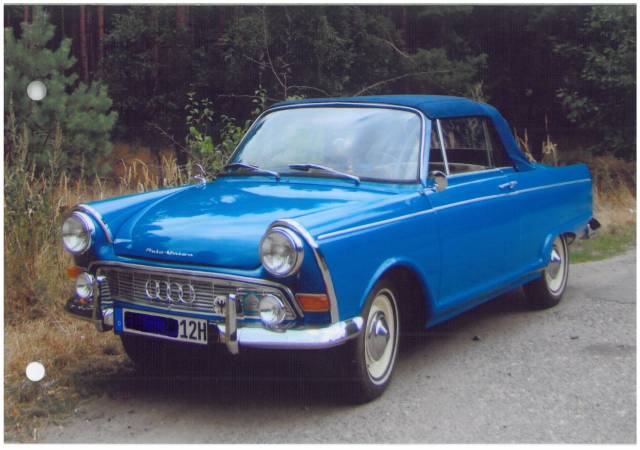
1964 | DKW F12 Roadster
Auto Union, built in 1964, fully restored

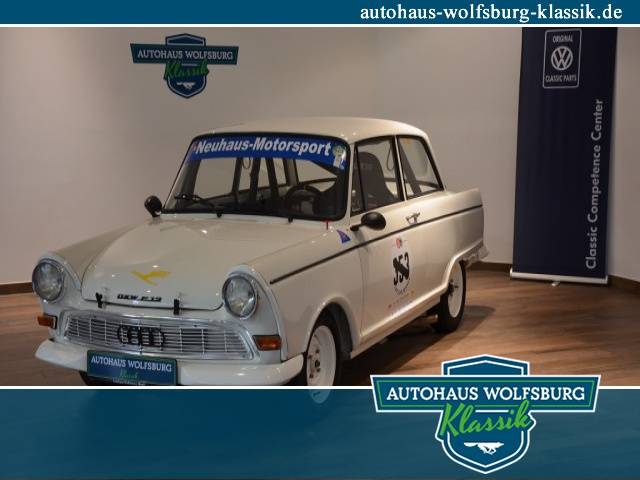
1965 | DKW F12
DKW F12 / 65 Rennwagen nach Anhang K
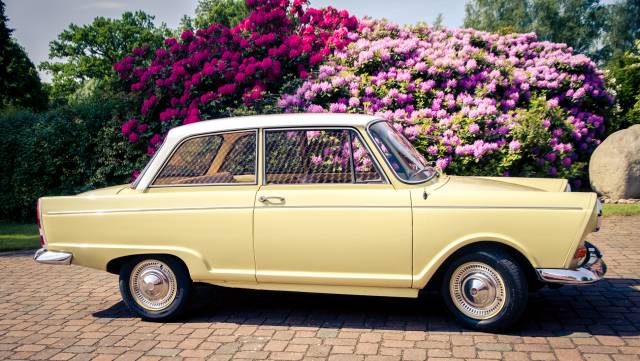
1963 | DKW F12
2. Hd, Scheckheft, orig. 43300 KM, Pappbrief, einmaliger Zustand
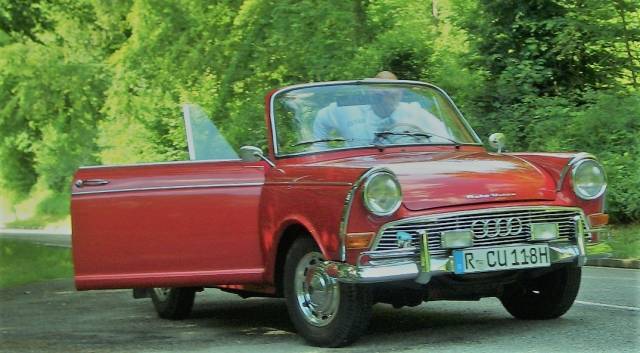
1964 | DKW F12 Roadster
Seltenes rotes Kleinod....... (lt KBA ca 30-50 Stück)
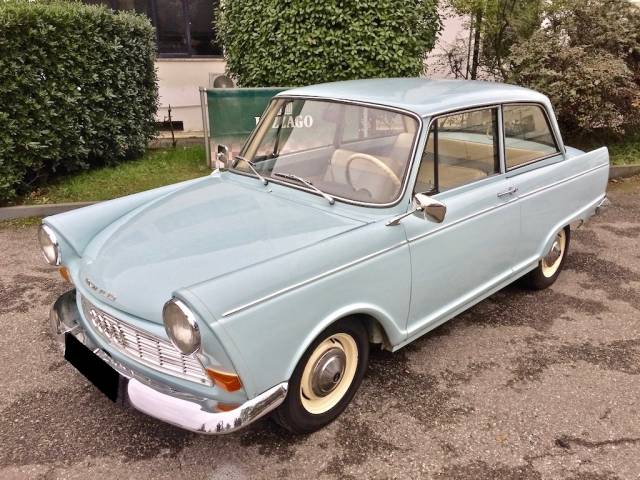
1964 | DKW F12
1963 | DKW F12
Schöner DKW F 12
Create search alert
Let yourself be notified as soon as a listing is published that matches your search filters.
DKW F12 Classic Cars: Prices & Market Values
History of the DKW F12
The DKW F12 entered the market in January 1963, a product of the prestigious German manufacturer Auto Union—an automotive conglomerate that originated from the union of DKW, Audi, Horch, and Wanderer in 1932. The company’s four-ring emblem endures today as Audi’s badge. After World War II, Daimler-Benz acquired Auto Union in 1958, introducing models like the DKW Junior, a direct predecessor of the F12. The F12 itself was developed as a clear evolution: its design responded to market trends with a larger cabin and upgraded features. In 1964, Volkswagen took over Auto Union, marking the end of DKW’s era of two-stroke engines. By 1965, production of the F12 concluded, paving the way for Audi’s modern four-stroke models.
Model History
The F12’s development follows a clear lineage: initially presented in 1957 as the DKW 600, evolving into the DKW 750 (Junior) in 1959, before officially becoming the F12 in 1963. The F12 inherited and refined the basic platform of the Junior but featured lengthened chassis dimensions, improved body rigidity, and better-appointed interiors. The F12 series was available only as a two-door, with both a saloon version and, from 1964, a striking F12 Roadster. The last direct successor, the DKW F102, signalled the brand's transition from two-stroke Tech to more modern, efficient four-stroke engines with the subsequent Audi models.
Highlights and Unique Features
Distinctive for its time, the F12 sported an enlarged panoramic windscreen, larger rear screen, and lengthened chassis compared to its predecessor. For practicality, it featured a rapid-responding heater—a sought-after update over air-cooled competitors. The car’s automatic fresh-oil pump equipped to its advanced three-cylinder, 889 cc two-stroke engine was another innovation, eliminating the need to manually mix fuel and oil. The F12 also introduced front disc brakes in its class, a robust heating system with integrated blower, and optional stylish two-tone paintwork. In the interior, details like the high-mounted ashtray and original upholstery fabric remain standout features for aficionados.
Technical Data
Special Editions and Collectible Models
The F12 Roadster, produced between 1964 and 1965 by Stuttgart-based Baur coachbuilders, stands out as the rarest F12 variant. Unlike the saloon, the Roadster had a 2+2 seating arrangement, a powerful 45 PS version of the three-cylinder engine, and was the first F12 with a series freewheel transmission. A unique one-off with hardtop was also built, making certain roadsters valuable rarities.
Engine and Performance, Transmission and Handling
The hallmark of the F12 is its free-revving 889 cc three-cylinder, two-stroke engine, which initially produced 40 PS and was later upgraded to 45 PS. This setup granted lively acceleration for the class, with a top speed pegged at 125 km/h. The car was equipped with a four-speed, fully synchronised gearbox, and the final roadster iteration introduced a freewheel mechanism that eliminated the jerkiness associated with engine braking. The addition of an anti-roll bar up front, longer wheelbase, and wider tracks helped improve stability, while the independent front suspension with double wishbones and rear live axle with torsion bars delivered a compliant ride and decent handling compared to period rivals. The F12 was also commended for fast cabin heating—an appreciated trait during cold seasons. However, typical for two-stroke DKWs, its fuel consumption was higher than most rivals. Particular attention is owed to the F12 Roadster; with its improved engine, sportier dynamics, and low production volume, it’s often highlighted in the F12 range. The F12 Saloon with the 45 PS engine from the final year is also noteworthy for its mechanical updates.
Interior, Comfort, Exterior and Design
The F12 blended German practicality with contemporary 1960s flair: higher rooflines and enlarged glass surfaces increased visibility and interior headroom. Tailfins and an elongated grille reflected American design influences, while the two-tone paint options added visual appeal. Inside, original fabric seat upholstery and details like the high-placed ashtray on the dashboard are characteristic. Special editions featured additional chrome trim and eye-catching headlamp surrounds. The F12 Roadster received exclusive attention at Baur, including bespoke components and the optional hardtop. Accessories were varied—from period radios to stylish wheel covers and additional instrumentation—making each car subtly unique.
Summary
For collectors of 1960s front-wheel-drive small cars, the DKW F12 epitomises German two-stroke technology and design innovation at the close of DKW’s history. Its technical solutions—such as the fresh-oil pump, front disc brakes, and responsive heating—marked significant progress for the era, while rare editions like the F12 Roadster add further allure. Its 100% share in supply and demand statistics underlines the F12’s unique standing among DKW vehicles on the classic car market.