DKW Meisterklasse Classic Cars for Sale
The DKW Meisterklasse, introduced in post-war West Germany as the F89 and F89 Universal, symbolises the reemergence of Auto Union in the automotive world. Recognised for its innovative front-wheel-drive concept, two-cylinder two-stroke engine, and unique combination of pre-war DKW engineering with modern steel bodywork, the Meisterklasse offered practical saloon and estate versions, sometimes even with distinctive wood elements.
Search results
Currently, there are no matching listings for your search.
Create search alert
Let yourself be notified as soon as a listing is published that matches your search filters.
Create listing
Do you have a DKW Meisterklasse that you want to sell? Then create a listing now.
Create listingDKW Meisterklasse listing references from Classic Trader
Below you will find listings related to your search that are no longer available on Classic Trader. Use this information to gain insight into availability, value trends, and current pricing for a "DKW Meisterklasse" to make a more informed purchasing decision.
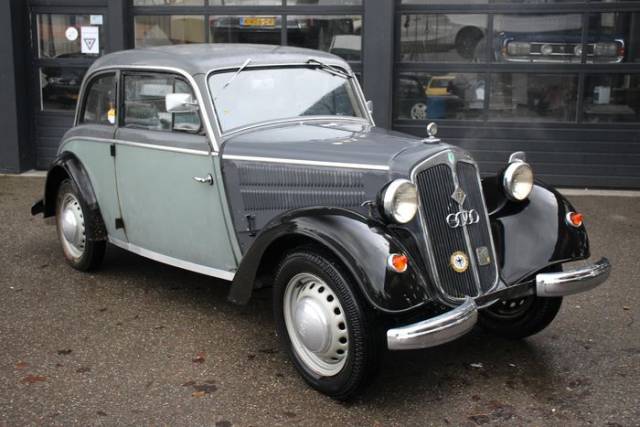
1954 | DKW Meisterklasse

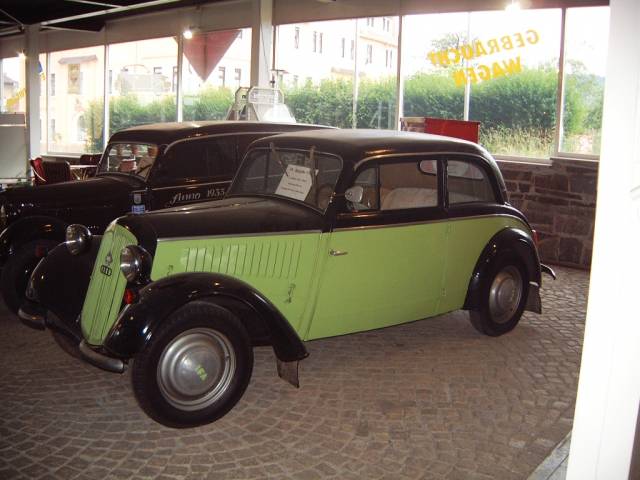
1953 | DKW Meisterklasse

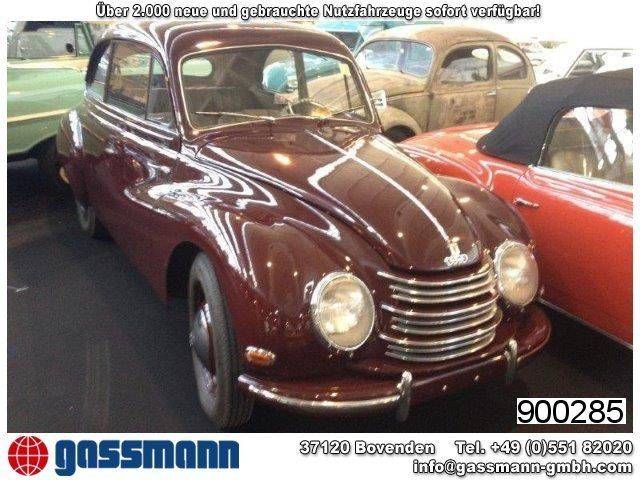
1951 | DKW Meisterklasse
DKW F89 Meisterklasse
Create search alert
Let yourself be notified as soon as a listing is published that matches your search filters.
Create listing
Do you have a DKW Meisterklasse that you want to sell? Then create a listing now.
Create listingDKW Meisterklasse Classic Cars: Prices & Market Values
History of the DKW Meisterklasse
The DKW Meisterklasse marked the rebirth of Auto Union in West Germany after the Second World War. The original headquarters in Chemnitz were lost after the Soviet occupation, prompting former Auto Union employees to re-establish the company in Ingolstadt. The Meisterklasse, internally known as the F89, debuted in 1950 as Auto Union's first car produced in Düsseldorf. Its engineering was a clever fusion: the chassis and mechanics derived from the 1939 DKW F8, while the streamlined steel body was designed for the DKW F9, a model whose full production had been stopped by the outbreak of the war. The F89 reflected the priorities of early post-war motoring – affordability, reliability, and resourcefulness.
Model Range and Development
The DKW Meisterklasse family grew quickly: the F89 saloon (Limousine) and F89 Universal (estate, also called 'Woody' in some configurations) addressed both private and commercial needs. Production for the F89 saloon and estate ran from 1950 until 1954, with a total of 59,475 saloons and 6,415 estates made. From 1955, the model line evolved with successors such as the DKW 3=6 and later the DKW 1000 S, as Auto Union continuously updated its small car range. In the DDR, the Zwickau factory produced a close twin to the F9, with over 40,000 units built until 1956, differing primarily in engine and grille details.
Highlights and Specific Features
The DKW Meisterklasse F89 established itself with a robust two-cylinder two-stroke engine delivering 23 hp, matched to front-wheel drive, a rarity in its segment at the time. The steel bodywork, sometimes complemented by wood on estate ('Woody') versions, and a streamlined shape gave the car a low drag coefficient of 0.34. Its functionality made it popular for trades, such as bakeries, due to its practical estate design and reliable engineering.
Technical Data
Special Editions and Collectibles
Certain F89 Universal models were built with a wood-steel combination, referred to as 'Woody', which today are particularly rare due to their more fragile construction and practical nature. Original examples with their period registration documents are especially sought by enthusiasts, as these details confirm authenticity and provenance.
Weak Spots and Common Issues
No specific weak spots are reported for the DKW Meisterklasse in the provided information. Given its two-stroke engine, regular maintenance such as decarbonisation and attention to the lubrication system are essential. For wood-bodied 'Universal' models, preservation of structural integrity is key, as wood sections can suffer from humidity and pest damage if not correctly cared for.
Engine and Performance, Transmission and Handling
The DKW Meisterklasse F89's two-stroke engine, paired with a three-speed manual gearbox, set standards in early 1950s compact cars. With front-wheel drive, the car delivered stable traction, especially on challenging road surfaces, giving it practical everyday usability in both saloon and estate forms. The modest 23 hp output kept performance leisurely, suiting the era's expectations but providing the honest mechanical feedback appreciated by classic car enthusiasts. - F89 Saloon ('Limousine'): The essence of practical post-war motoring, with notable demand among collectors for its steel body and period features.
- F89 Universal ('Woody'): Especially favoured for its versatility and unique wood/steel construction, dominating current search interest and recognised for its distinctive appearance.
Interior, Comfort, Exterior and Design
The Meisterklasse's design blends pre-war roots with post-war resourcefulness: the exterior boasts the streamlined contours first developed for the F9, while interiors are typically spartan yet thoughtfully arranged, utilising materials available in early 1950s Germany. Estate versions offer a flexible cargo area, and 'Woody' editions stand out visually with their timber panelling. Optional extras were minimal; accessories focused on usefulness, such as roof racks or period heater units. The dashboard design and seating prioritised rugged durability over comfort, echoing the practical focus of the time.
Other Noteworthy Features
Numerous Meisterklasse vehicles were put to work as light utility cars, especially in commercial trades like bakery delivery, thanks to their sturdy cargo capacity. The availability of original registration documents boosts the value and collectability of surviving cars.
Summary
The DKW Meisterklasse F89 encapsulates the ingenuity and practicality of early 1950s West German car-making. Its unique engineering mix, accessible maintenance, and historical narrative make it a notable classic for those interested in automotive heritage, especially in estate variants, which currently dominate buyer interest in the market.