Datsun Cherry classic cars for sale
The Datsun Cherry marks a milestone as Nissan's first front-wheel-drive compact and soon became synonymous with nimble handling and reliable engineering. This rare model, often seen with distinctive hatchback bodywork and small-displacement engines, is now a seldom-sighted piece of automotive history.
Search results
Currently, there are no matching listings for your search.
Create search alert
Let yourself be notified as soon as a listing is published that matches your search filters.
Create listing
Do you have a Datsun Cherry that you want to sell? Then create a listing now.
Create listingDatsun Cherry listing references from Classic Trader
Below you will find listings related to your search that are no longer available on Classic Trader. Use this information to gain insight into availability, value trends, and current pricing for a "Datsun Cherry" to make a more informed purchasing decision.
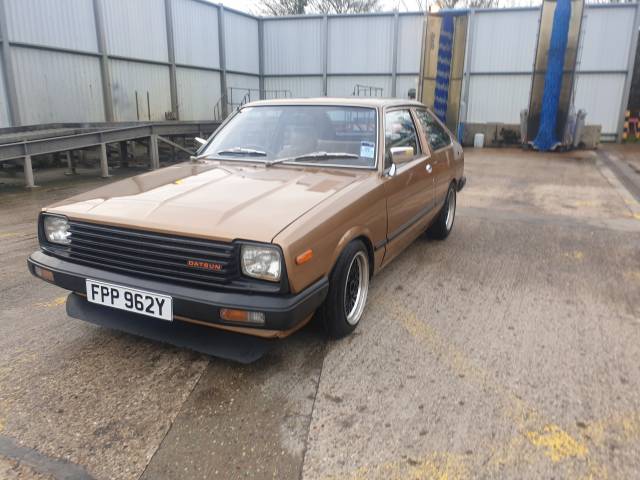
1982 | Datsun Cherry 1.3
Rare Datsun Cherry N10
Create search alert
Let yourself be notified as soon as a listing is published that matches your search filters.
Create listing
Do you have a Datsun Cherry that you want to sell? Then create a listing now.
Create listingDatsun Cherry Classic Cars: Prices & Market Values
History of the Datsun Cherry
Introduced in the early 1970s, the Datsun Cherry (later Nissan Cherry) established Nissan in the front-wheel-drive subcompact segment. Designed for urban environments, it prioritised efficiency and maneuverability at a time when compact cars were gaining traction in Europe and Japan. The Cherry was pivotal in launching Nissan’s FF (front engine, front-wheel drive) supermini programme, marking a significant shift from rear-wheel drive layouts common in earlier Datsun vehicles.
Model History of the Cherry Series
Across its generations, the Cherry evolved from its N10 hatchback origins—featuring the recognisable sloping tailgate—to more angular and modern iterations. Early Cherrys were powered by a modest 1.0L engine, with later options including upgraded 1.3L units (notably the E13-engine from the later N13 series). Mechanical upgrades such as coilover conversions on the front axle and sportier wheel setups (including period-correct Impul split rims) are not uncommon today. Successor models continued the front-wheel-drive tradition under the Nissan badge, cementing its place in Nissan's expanding European range.
Highlights and Special Features
The Datsun Cherry sets itself apart with its compact packaging, practical hatchback design, and the pioneering front-wheel-drive layout that enhanced both interior space and driving agility. Its adaptability for modifications—like engine swaps, suspension tweaks, and custom wheel options—attracts enthusiasts seeking to personalise these rare survivors. Notably, extensive corrosion protection options, such as underseal treatments, are often found on surviving examples due to age-related rust issues.
Technical Data
Special Editions and Collectible Models
Despite not being marketed with numerous official special editions, individual Cherrys stand out due to period accessories like Impul split wheels or unique paint finishes resulting from past repairs. These one-off characteristics, particularly in unrestored survivors, contribute to the individuality of each remaining vehicle.
Weak Spots and Common Issues
Datsun Cherry examples are prone to corrosion, especially around doors, wings, exterior mirrors, and decorative trims. Chrome strips and door seals can degrade over time and require sourcing or custom restoration. Evidence of past repairs—including repainted off-side wings or quarter panels—are frequent due to age-related bodywork attention. Underbody treatment is highly recommended for long-term conservation, and ongoing attention to MOT/TÜV intervals is essential for roadworthiness.
Engine and Performance, Transmission and Handling
The initial 1.0L engine prioritises fuel economy and reliability; however, period upgrades with the 1.3L E13 engine are sometimes encountered, offering more spirited trajectories, especially when paired with a well-sorted gearbox. The front-wheel-drive layout—unusual for its era—contributes to predictable handling and maximises interior space. Modifications such as adjustable coilover suspension at the front further sharpen handling dynamics in modified vehicles. - N10 Hatchback: Original compact silhouette with practical hatch access and characteristic Cherry design.
- Cherry N13 (E13 Engine): Offers improved power and refinement, prized by enthusiasts for the blend of agility and robust performance.
Interior, Comfort, Exterior and Design
Cherry interiors reflect 1970s-1980s Japanese minimalism with straightforward dashboards, low-slung seats, and robust vinyl upholstery. Period special editions or personalised examples sometimes feature rare steering wheels or bespoke seat covers. On the outside, trim levels are marked by brightwork on bumpers and side strips, though ageing chrome often requires refurbishment. Body colours may vary due to resprays following typical corrosion repairs; some examples showcase unique paint combinations, especially on repaired panels. Accessories such as period mud flaps or aftermarket alloys (like Impul split wheels) add an additional custom touch.
Other Notable Features
Parts availability for body trim and unique Cherry elements can be challenging, but many common maintenance items are still available through specialist suppliers. Enthusiasts occasionally retrofit newer Nissan components, particularly in the suspension or braking systems, to enhance usability or preserve originality where possible.
Summary
The Datsun Cherry’s status as Nissan's first front-wheel-drive subcompact makes it an important vehicle for collectors seeking something outside the mainstream. With distinctive hatchback proportions, proven reliability, and clear opportunities for careful preservation or discrete modifications, the Cherry remains a fascinating chapter in Nissan’s history. Due to low market supply and their rare appearance at classic events, Cherrys appeal to buyers who seek uniqueness as well as technical engagement.