Datsun 2000 classic cars for sale
The Datsun 2000 nameplate covered distinctly different models, notably the celebrated Datsun Sports roadster and the Nissan Cedric export sedans. Each offered its own blend of engineering and Japanese approach to style, forming the top-of-the-line options for Datsun during their eras.
Search results
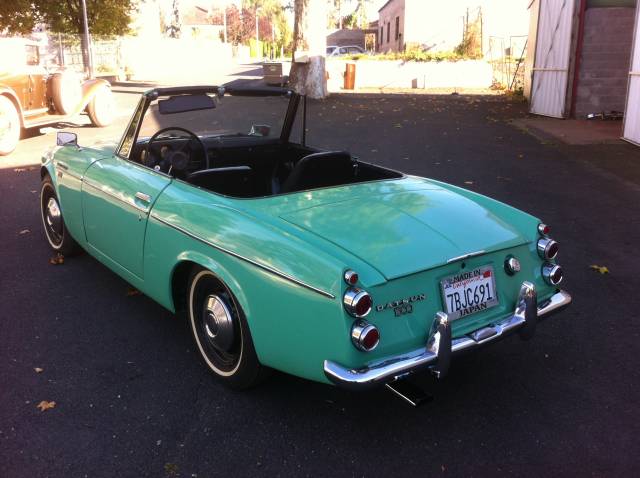
1968 | Datsun 2000 Deluxe
Datsun Fairlady 1968

Datsun 2000 listing references from Classic Trader
Below you will find listings related to your search that are no longer available on Classic Trader. Use this information to gain insight into availability, value trends, and current pricing for a "Datsun 2000" to make a more informed purchasing decision.
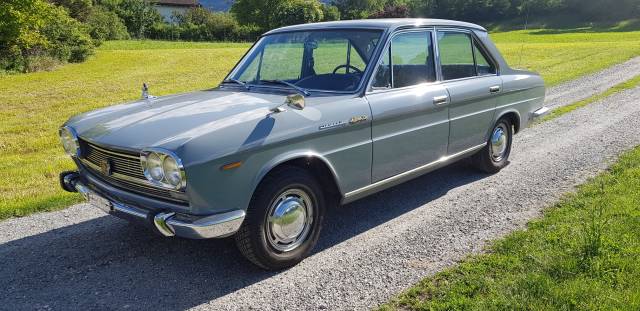
1967 | Datsun 2000 Deluxe
Veteranenstatus

Datsun 2000 Classic Cars: Prices & Market Values
History of the Datsun 2000
The designation “Datsun 2000” was used across two main vehicle lines in export markets: the Datsun Sports roadster (also known as Fairlady in Japan) and select versions of the Nissan Cedric. Both aimed to position Nissan's Datsun brand at the upper edge of their respective market segments during the 1960s and 70s. The Datsun Sports 2000 (SR311) became renowned after its launch in 1967 for its high-revving 2.0-litre engine and competitive presence in SCCA racing. The Cedric 2000, meanwhile, was targeted more toward comfortable high-mileage motoring in sedan form, appealing to buyers seeking refinement and reliability. In both cases, the Datsun 2000 badge marked significant engineering ambition for Nissan's international profile at the time.
Model History
The Datsun Sports Series ultimately evolved from small-displacement British-inspired roadsters of the late 1950s to the technologically advanced 2000 model of the late 1960s, which defined the end of the open two-seater Datsun era before the arrival of the 240Z. The Cedric line similarly saw the 2000 variant act as a transitional model, bridging conservative earlier saloons with later, more luxurious Nissan offerings in global export markets. Both heritage lines shared the '2000' moniker as their range-topping variant at the time.
Highlights of the Datsun 2000 Series
The Datsun 2000 Sports was recognised for offering a robust 2.0-litre inline four-cylinder engine with an overhead camshaft configuration, a five-speed manual transmission, and sporting suspension set-up—technologies less common among affordable Japanese sports cars then. The Cedric 2000 brought inline-six refinement and upscale features to the Datsun sedan lineup. Distinctive traits included lively engine response, a light and agile chassis in the Sports version, and strong reliability in the Cedric.
Technical Data
Special Editions and Collectible Models
Early-production Datsun Sports 2000s with competition package (special camshaft, dual Mikuni carburettors, uprated suspension) command heightened interest. The 'SRL311' variant—built for the American market between 1967–1970—stands out for its racing heritage and limited production numbers, especially the rare low-windshield 1967 models.
Weak Spots and Common Issues
As with most classic Japanese cars, corrosion in body panels and undercarriage is a top concern, particularly for Sports roadsters. Parts for Cedric sedans may be scarce outside specialist sources. Mechanical issues are typically straightforward and are well supported by classic Datsun communities, but attention should be paid to electrical components, weather seals, and differential wear in high-mileage examples.
Engine and Performance, Transmission and Handling
The Sports 2000 offers strong acceleration by 1960s standards, with period 0–100 km/h times under 10 seconds thanks to a lively, high-revving four-cylinder. The Sports chassis is noted for its direct steering and low curb weight, resulting in responsive handling. Five-speed transmission models are particularly sought after for highway usability. Cedric 2000 sedans provide less sportiness but more comfort, smooth operation, and a relaxed cruising experience. - Datsun Sports 2000 (SR311) with Competition Package: 2.0-litre, ~145 PS, 5-speed manual, short windshield 1967 model especially rare.
- Nissan Cedric 2000: Inline-six, export sedan, focus on comfort and durability.
Interior, Comfort, Exterior and Design
The Sports 2000 displays classic British roadster proportions: long bonnet, short rear deck, low windshield; available in vivid red, silver, or white paint finishes, with minimalist chrome accents and signature silver striping. Interiors are driver-centric—simple gauges, bucket seats, and optional padded dashboards. Cedric 2000 sedans are marked by squared-off formal styling, bench or bucket seating, and more restrained use of chrome. Accessory options included tonneau covers, upgraded radios, and period-correct alloy wheels for roadsters.
Other features
Both model lines benefitted from parts interchangeability across Nissan’s international range, making the Datsun 2000 a popular platform for personalisation and restoration projects in enthusiast communities. Authenticity of trim and engine specifications is particularly prized among collectors.
Summary
The Datsun 2000 badge connects two very distinct vehicles in the marque’s history: the agile, sporting roadster and the refined export sedan. Both reflect late-1960s Japanese engineering ambitions and provide unique value to collectors: the Sports 2000 for its performance and competition pedigree, the Cedric 2000 for its quality and comfort in a period saloon. Their shared rarity and specialist appeal ensure the Datsun 2000 remains a distinctive and attractive offering for classic car buyers looking for uniquely Japanese classics with dedicated followings.