Datsun 720 Classic Cars for Sale
The Datsun 720 represents a significant chapter in the history of Japanese pickups, blending robust engineering with practical design. Built from 1980 to 1986, the 720 was offered in a variety of body and drivetrain configurations, including the renowned King Cab and versions with four-wheel drive. Its technical evolution and distinct model variations highlight its role in the global market, particularly as Datsun transitioned into the Nissan brand.
Resultados de la búsqueda
Actualmente no hay anuncios que coincidan con su búsqueda.
Create search alert
Let yourself be notified as soon as a listing is published that matches your search filters.
Create listing
Do you have a Datsun 720 that you want to sell? Then create a listing now.
Create listingDatsun 720 listing references from Classic Trader
Below you will find listings related to your search that are no longer available on Classic Trader. Use this information to gain insight into availability, value trends, and current pricing for a "Datsun 720" to make a more informed purchasing decision.
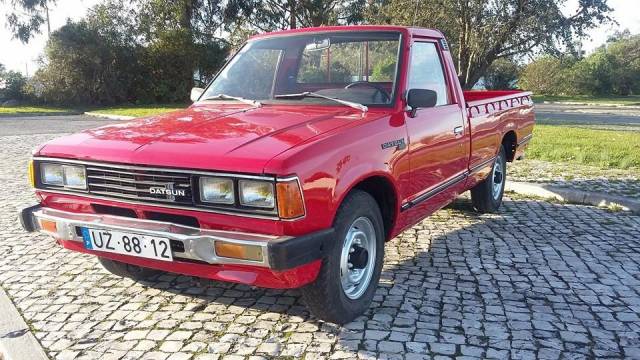
1981 | Datsun 720 Sport Truck
Datsun 200 Pick Up
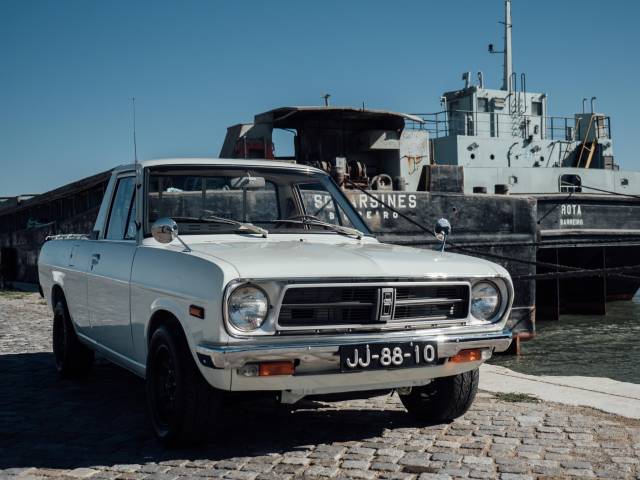
1984 | Datsun 720 Sport Truck
THIS ONE IS SUCH A COOL, RELIABLE AND INEXPENSIVE CAR!
Create search alert
Let yourself be notified as soon as a listing is published that matches your search filters.
Create listing
Do you have a Datsun 720 that you want to sell? Then create a listing now.
Create listingDatsun 720 Classic Cars: Prices & Market Values
History of the Datsun 720
Introduced in 1980 as the successor to the acclaimed Datsun 620, the 720 series consolidated Datsun’s reputation for tough and adaptable pickups. Early production was shared between Japan and Nissan's Smyrna, Tennessee factory, ensuring a supply for both domestic and export markets. The 720 was especially notable for its diverse configurations: standard cabs, King Cabs with extended interiors, multiple bed lengths, and in some markets, four-door double cabs. The model was actively updated throughout its lifecycle—with the 1983 redesign bringing refined body lines and updated interior layouts. In North America, unique elements such as larger grilles and bumpers differentiated US-built models. In 1984, the Datsun brand transitioned to Nissan, mirroring changes in corporate strategy and branding.
Model History
The 720’s predecessor was the Datsun 620, produced from 1972 to 1979. While the 620 had made inroads in international pickup markets, the 720 expanded the range with a wider selection of configurations and technical advancements. With the introduction of the Nissan D21 in Europe in 1986—the so-called 'Hardbody'—the 720 was phased out in these markets, though production for Asia and Africa continued until 1997.
Highlights of the Datsun 720
The Datsun 720 stood apart thanks to its versatility—buyers could choose from different engines, drivetrain options including four-wheel drive, and a variety of commercial and utility configurations. The King Cab variant was popular for its extra interior space, while certain regions benefited from a diesel engine option or a four-door cab. Mid-cycle changes saw the pickup adopt new styling elements and improved ergonomics. After 1983, Nissan shifted branding from Datsun, reflecting a broader company transition.
Technical Data
Special Editions and Collectible Models
Export markets, especially the USA, saw unique versions such as the four-door variant, the commercial-focussed Bushmaster, the deluxe 720 DX, and the sport-oriented 720 ST. These special models introduced variations in trim, mechanicals, and equipment to suit regional requirements and customer preferences.
Weak Spots and Common Issues
No explicit weak spots are documented in the provided sources. As always with vehicles of this age and use case, rust in load-bearing panels and wear in drivetrain or suspension components should be carefully assessed during inspection, especially for pickups exposed to heavy work or harsh climates.
Engine, Transmission and Handling
The Datsun 720 provided a balance between utility and everyday reliability. The wide array of engines, from the early L20B to later Z-series petrols and diesels, offered both torque and economy suitable for workhorse demands. With options for rear-wheel and four-wheel drive, it performed well in various environments, from urban construction to rural agriculture. The introduction of the King Cab and extended wheelbases also improved load-carrying abilities and ride comfort. - King Cab: Extra interior space, suited for driver comfort on long hauls.
- Four-door double cab: Specific to certain markets, addressed both work and family transport requirements.
- Bushmaster/Deluxe/DX/ST (export special editions): Offered unique trim or purpose-driven equipment combinations.
Interior, Comfort, Exterior and Design
The Datsun 720 incorporated utilitarian yet thoughtful features, including different cab sizes and bed lengths to meet diverse commercial needs. Post-1983 updates rounded out previously angular dashboard lines and added ergonomic improvements. U.S.-built models could be recognised by their wider front grilles and distinctive bumpers. Popular accessories included tie-down hooks, vented bonnets, and upgraded lighting packages, especially on late-series or export editions.
Other Relevant Features
In some export markets, the Datsun 720 was available as a four-door utility, functioning not only as a pickup but also as a family transporter or general commercial vehicle—a rare versatility in its class during the early 1980s.
Summary
The Datsun 720 stands out as a robust and adaptable Japanese pickup, bridging the transition from Datsun to Nissan. It was developed during a period of significant advancement in engine technology and pickup versatility. Multiple variants, evolving design language, and a broad acceptance across markets underscore the 720’s lasting importance for classic car and utility enthusiasts.