Datsun 510 classic cars for sale
The Datsun 510 offers remarkable engineering from late 1960s to early 1970s, balancing versatility and reliability. Known for its mechanical simplicity and robust construction, this model stands out for easy maintenance and agile driving. Often found in well-preserved condition with limited wear reflecting age, the 510 remains a desirable choice for fans of Japanese classics.
Resultados de la búsqueda
Actualmente no hay anuncios que coincidan con su búsqueda.
Create search alert
Let yourself be notified as soon as a listing is published that matches your search filters.
Create listing
Do you have a Datsun 510 that you want to sell? Then create a listing now.
Create listingDatsun 510 listing references from Classic Trader
Below you will find listings related to your search that are no longer available on Classic Trader. Use this information to gain insight into availability, value trends, and current pricing for a "Datsun 510" to make a more informed purchasing decision.
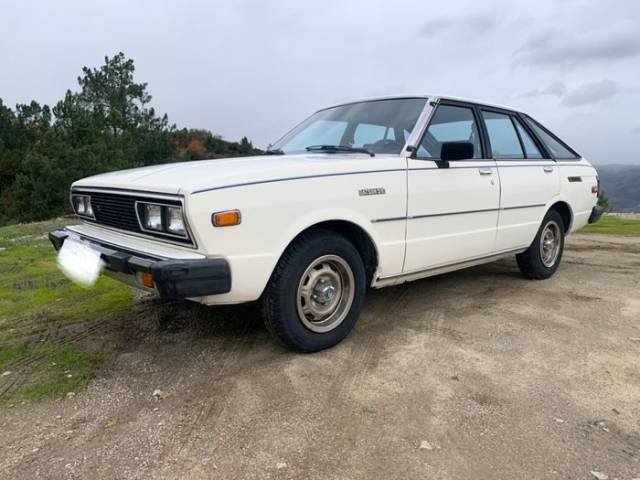
1980 | Datsun 510
Datsun - 510 - 1980
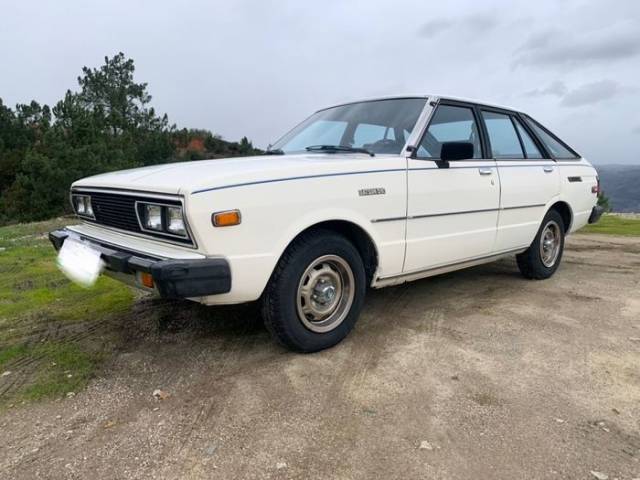
1980 | Datsun 510
Create search alert
Let yourself be notified as soon as a listing is published that matches your search filters.
Create listing
Do you have a Datsun 510 that you want to sell? Then create a listing now.
Create listingDatsun 510 Classic Cars: Prices & Market Values
History of the Datsun 510
The Datsun 510 was first introduced in 1968 as part of the Bluebird series and remained in production until 1973. Developed to appeal to international markets, it was sold with a variety of names globally, including the Datsun Bluebird and, depending on engine displacement, as the Datsun 1300/1400/1500/1600/1800. Its straightforward, boxy design concealed advanced mechanical details for the era, setting new standards for Japanese family saloons. The model played a key role in establishing Datsun’s reputation for reliability and affordable innovation, especially in the competitive North American market.
Model history
The Datsun 510 replaced earlier Bluebird models and laid the groundwork for future Datsun family saloons in the 1970s. Over the years, it underwent incremental changes, but stayed true to its vanilla engineering philosophy: independent suspension, rear-wheel drive, and modest yet robust L-series engines. After production ceased in 1973, further evolutions of the Bluebird continued the technological lineage, but none matched the global recognition and adaptability of the 510.
Highlights of the Datsun 510
Distinct for introducing fully independent rear suspension in an affordable compact, the 510 delivered predictably neutral handling rare at this price point in its era. It became popular not only as a durable daily driver, but also found success in amateur motorsport and rallying circles. The simple engine bay allowed for straightforward modifications and upgrades.
Technical data
Special Editions and Collectible Models
Globally, the 510 was sometimes sold with trim packages tailored to local tastes, but distinctive limited editions were rare. The real appeal lies in certain markets’ sportier models—particularly those equipped for local rally and touring races, with stronger engines or special suspension setups. These trim levels, often difficult to source today, significantly amplify the car’s appeal among Japanese classic specialists.
Weak Spots and Common Issues
Potential buyers should take note of age-related wear consistent with classics manufactured around 1980. Common points of attention include body rust (especially on sills, fenders, and floor pans), tired suspension bushings, and possible electrical corrosion or intermittent faults with age. Many surviving 510s remain mechanically functional, but buyers should check for completeness of parts and originality, especially as vehicles may be sold without a battery or with previous modifications.
Engine and Performance, Transmission and Handling
The hallmark of the Datsun 510 was its lightweight chassis paired with lively yet uncomplicated four-cylinder engines. The rear-wheel drive platform with independent rear suspension gave the car an agile, controlled feeling on twisting roads. Engines—particularly the 1.6L and, where available, the L20B 2.0L—were prized for their reliability and offered enough power for enthusiastic driving, further reinforced by wide parts availability and easy tuning potential. - Datsun 510 L20B: Known for its reliable 2.0L inline-four, the L20B model is sought after for enhanced performance and resilience.
- Datsun 510 1600: Featuring the peppy 1.6L engine, widespread in international versions, valued for balanced power and mechanical simplicity.
Interior, Comfort, Exterior and design
The aesthetic concept of the Datsun 510 revolved around straight lines, upright glasshouse, and a focus on function—resulting in easy sight lines and minimal blind spots. Interiors were spare and robust, preferring enduring vinyl and basic instruments to high-end finishes. Optional features could include unique colours or period correct alloy wheels, depending on market, while the signature front grille design aided quick visual identification for enthusiasts. The spartan, upright external appearance accentuated its motorsport potential, a subtle nod to its roots in rally and touring car events.
Other relevant features
Ownership transfer and registration should be handled at point of sale, as per usual regulations. Vehicles may be offered without a battery and can exhibit minor wear, both typical for unrestored examples. Due to simple mechanics, spare part support via enthusiast circles and aftermarket suppliers remains excellent, further easing the maintenance of these classics.
Summary
The Datsun 510, a mainstay in the classic Japanese car scene, combines robust engineering with enduring appeal. Easy to maintain and still widely supported by both original and new parts suppliers, it remains a favourite for hands-on hobbyists and classic saloon enthusiasts seeking a straightforward entry into classic car ownership.