Daihatsu Charade classic cars for sale
The Daihatsu Charade, manufactured in Japan from 1977 to 2000, stands out in the supermini class with its lightweight build, responsive turbocharged engines, and distinctive late-80s Japanese styling. Especially models from 1987 on, with the G100/G102 code, blend dynamic driving with rare small car charm, appealing to enthusiasts who appreciate authentic period details and a direct road feel.
Search results
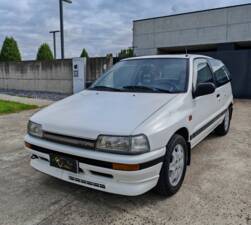
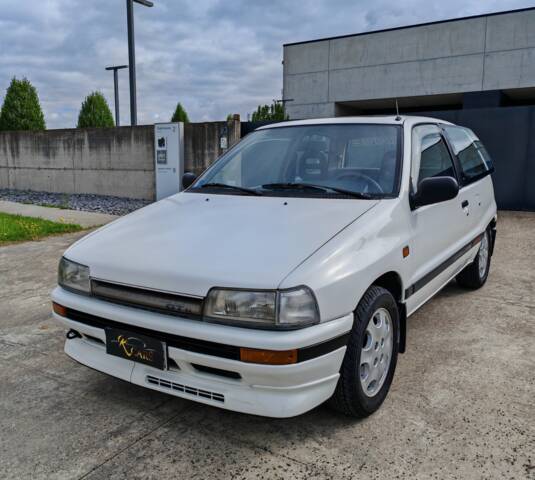

Daihatsu Charade listing references from Classic Trader
Below you will find listings related to your search that are no longer available on Classic Trader. Use this information to gain insight into availability, value trends, and current pricing for a "Daihatsu Charade" to make a more informed purchasing decision.
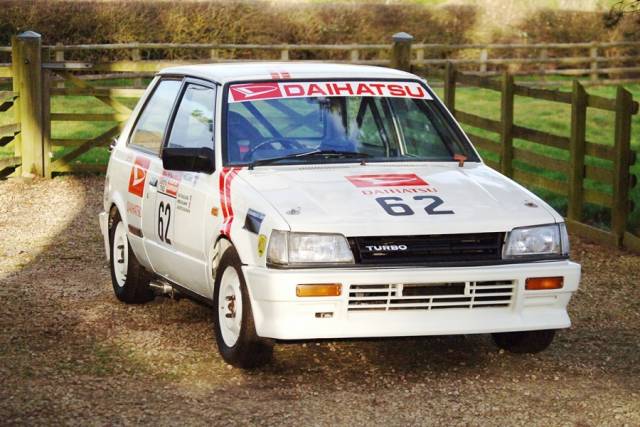
1985 | Daihatsu Charade Turbo
Race Retro Sale 2020 – February 21 - 22; Estimate; No Reserve

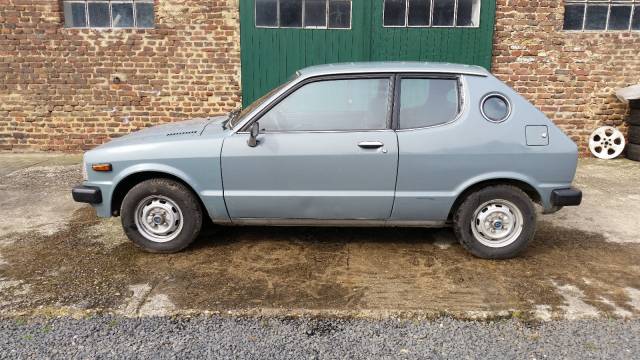
1983 | Daihatsu Charade
Daihatsu Charade Coupé G10 Bullauge Runabout Opera Window

Daihatsu Charade Classic Cars: Prices & Market Values
History of the Daihatsu Charade
Daihatsu launched the Charade in 1977 as a successor to the Consorte, targeting buyers interested in a vehicle larger than the typical kei car but still very compact. It occupied the 'supermini' segment—a class just above kei cars—characterised by nimble handling and practical dimensions, and set itself apart from larger Toyota derivatives. The Charade introduced innovative features over its production run, including lightweight construction and a focus on urban agility. By the time the G100/G102 series appeared in 1987, the Charade had firmly established itself as a distinctive player in the small car market, especially in Europe and Asia, and became known for combining Japanese reliability with engaging driving dynamics. It was produced until 2000, and remained a rare sight outside Japan, adding to its unique appeal among collectors.
Model History
The Charade succeeded the Daihatsu Consorte but did not share its Toyota platform, highlighting Daihatsu's independent engineering approach. The G100 and G102 series, released from 1987, are the focus for many classic car enthusiasts due to their lightweight design (approx. 800 kg), refined suspension, and the introduction of turbocharged petrol engines—a rarity in the segment. Interior details like digital clocks and 80s-inspired dashboards reinforce its period character. Daihatsu's withdrawal from many European markets further contributed to the Charade's low numbers and regional scarcity.
Highlights of the Daihatsu Charade
The late-1980s Charade is recognised for its compact body, hot hatch characteristics, and vibrant, driver-centric chassis setup. Enthusiasts value its original trim, absence of factory tuning, and the tactile feedback available even at lower speeds. Features such as the turbocharged petrol engine, small exterior footprint, and the authentic Japanese 1980s design elements, including signature seating and dashboard layout, give every drive a period-correct feel.
Technical data
Special Editions and Collectible Models
Some versions of the Charade, particularly limited-edition hot hatch variants with unique colour schemes or special trim (where available), are sought after by collectors. The turbocharged models, known for their lively performance, stand out as the most collectible within the G100/G102 range.
Weak Spots and Common Issues
Due to the lack of supplied specifics, no known widespread weak spots have been documented for this generation of Charade. Many original examples retain their reliability, though as with any Japanese car from the era, buyers should carefully check for rust, especially in European climates, and pay attention to the condition of turbo components and 1980s interior materials, which may have aged.
Engine, Performance, Transmission and Handling
The Charade G100/G102 is categorised as a 'hot hatch' thanks to its turbocharged petrol engine and featherweight build. The combination delivers energetic acceleration, nimble cornering, and direct road feedback, even without significant power by modern standards. Drivers report a high level of driving enjoyment at all speeds due to the car's engineered simplicity. Daihatsu's compact, transversely mounted engines and straightforward manual transmissions contribute to an engaging experience for keen drivers. • Charade G100/G102 Turbo – approx. 800 kg, turbocharged, driver-focused, no elaborate factory tuning, preserving a raw, accessible hot hatch feel.
Interior, Comfort, Exterior and Design
The late-80s Daihatsu Charade sports compact, low-slung proportions typical of Japanese hatchbacks of its era, with sharp angles and clean lines. The interior features period-accurate materials—patterned cloth seats, robust plastics, simple controls—and occasional digital clocks, reflecting the design trends prevalent at the time. While comfort takes a back seat to feedback and simplicity, the model offers practical seating for four and usable boot space, aligning with its city car heritage. Accessories and special equipment were limited, underlining Daihatsu's focus on straightforward utility and mechanical honesty.
Other Features
Daihatsu's presence in Europe was historically supported by a network of dedicated workshops, though these have largely disappeared, which can make sourcing original parts and expertise increasingly challenging. Rarity on the road today adds to the Charade's status as a distinctive find among small Japanese classics.
Summary
The Daihatsu Charade from the G100/G102 generation combines a lively, turbocharged driving character with a practical, urban-friendly platform and genuine 1980s Japanese styling. With virtually all surviving listings for this generation coming from the 1987-onwards G100/G102 series, and a well-balanced mix of driving enjoyment and reliability, the Charade remains an unusual but rewarding choice for classic supermini enthusiasts.