Citroën Rosalie classic cars for sale
The Citroën Rosalie range, available from 1932 to 1938, is best known for its variety of body styles, robust mechanical reliability, and the transition it marked in Citroën’s development. Standout models like the 8CV offered French innovation with practical appeal, while its racing pedigree at Montlhéry cemented its reputation among pre-war automobilia. Explore available Rosalies and experience a pivotal chapter of Citroën history.
Search results
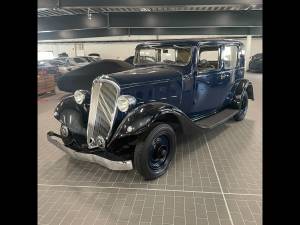
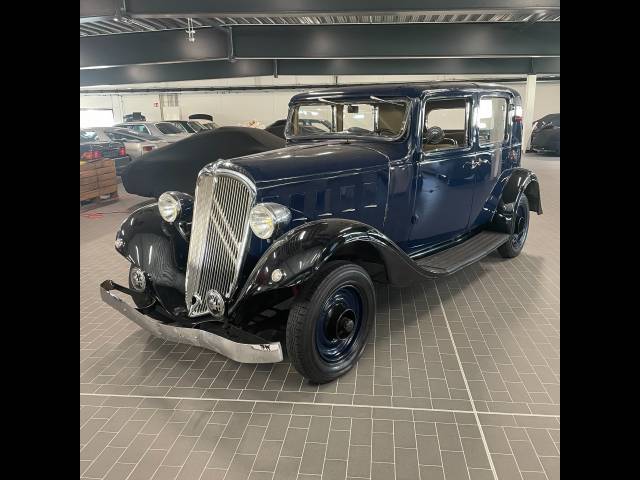
1936 | Citroën Rosalie 8 CV
Fahrfähig, Alter entsprechende Gebrauchsspuren

Citroën Rosalie listing references from Classic Trader
Below you will find listings related to your search that are no longer available on Classic Trader. Use this information to gain insight into availability, value trends, and current pricing for a "Citroën Rosalie" to make a more informed purchasing decision.
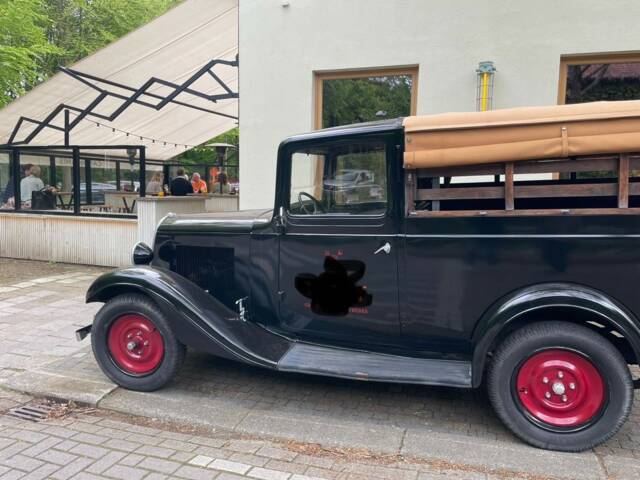
1930 | Citroën Rosalie 10 CV Boulangère
Mooie reclame wagen eyecatcher

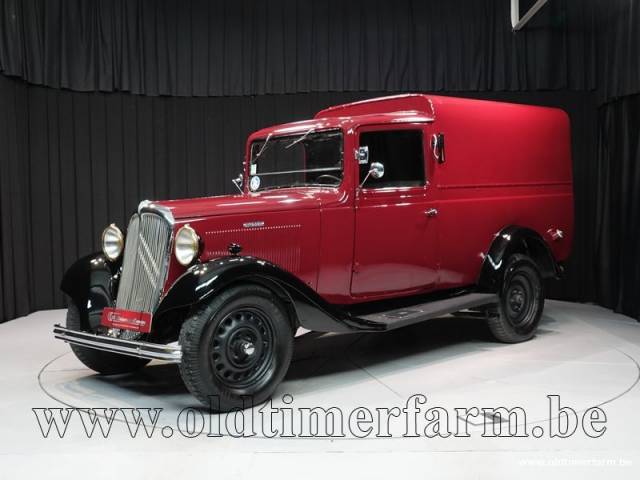
1937 | Citroën Rosalie 8 CV
1937 Citroën Rosalie fourgon 850 KG '37
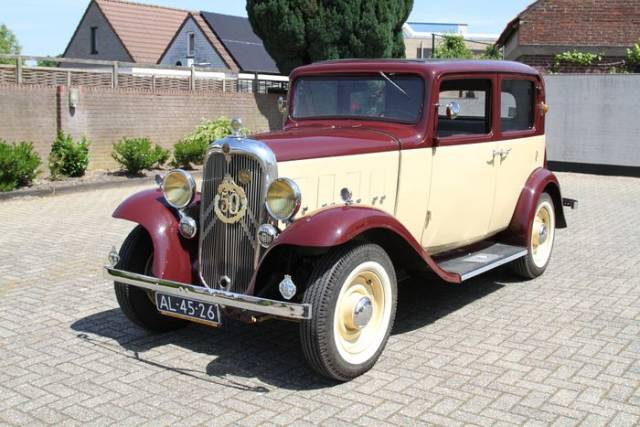
1932 | Citroën Rosalie 8 CV

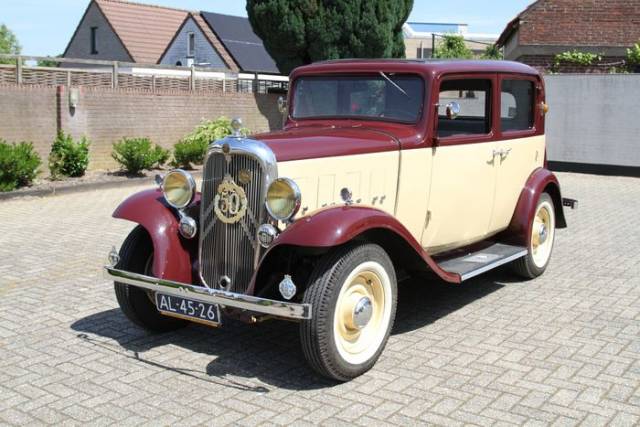
1932 | Citroën Rosalie 8 CV
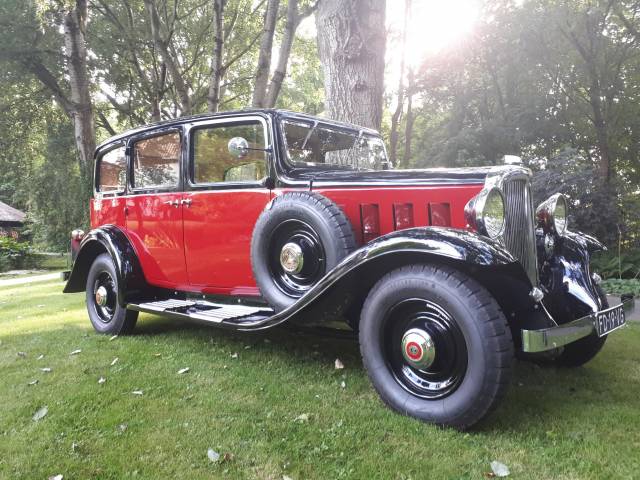
1933 | Citroën 10 A
Citroën Rosalie 10A Familiale De Ville
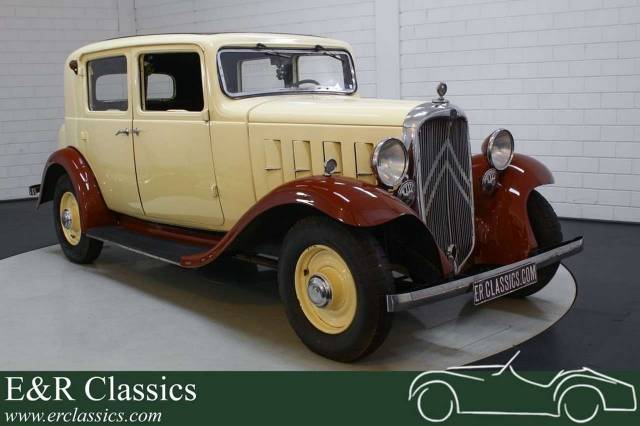
1933 | Citroën 10 A
Citroen A10 Rosalie | Gerestaureerd | Goede staat | 1933
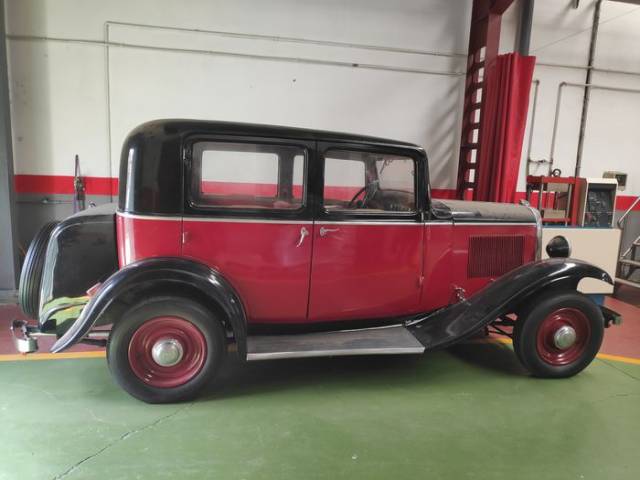
1933 | Citroën Rosalie 8 CV
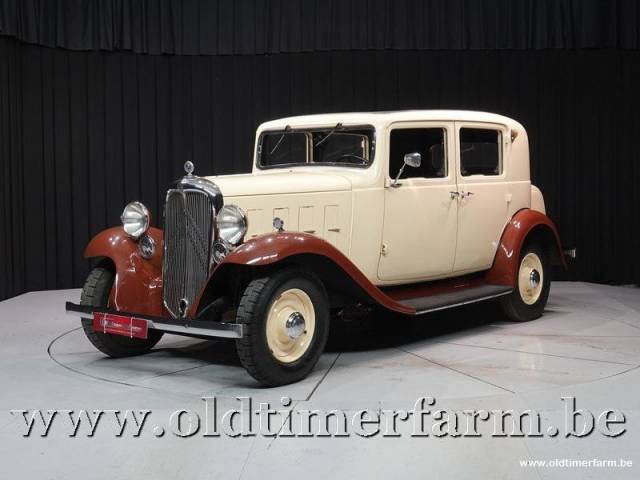
1933 | Citroën Rosalie 8 CV
1933 Citroën Rosalie '33
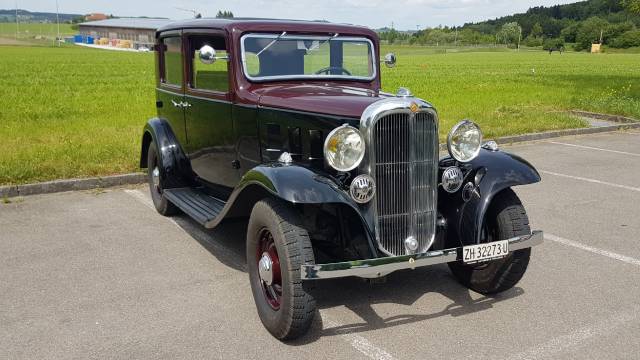
1933 | Citroën Rosalie 8 CV
Sehr gut restauriertes,gepflegtes Auto,mit dem gewissen etwas

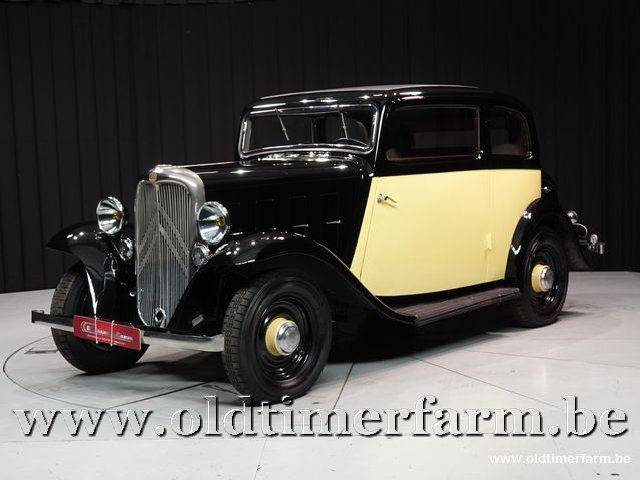
1934 | Citroën Rosalie 8 CV
1934 Citroën Rosalie Coach 8A Manessius '34
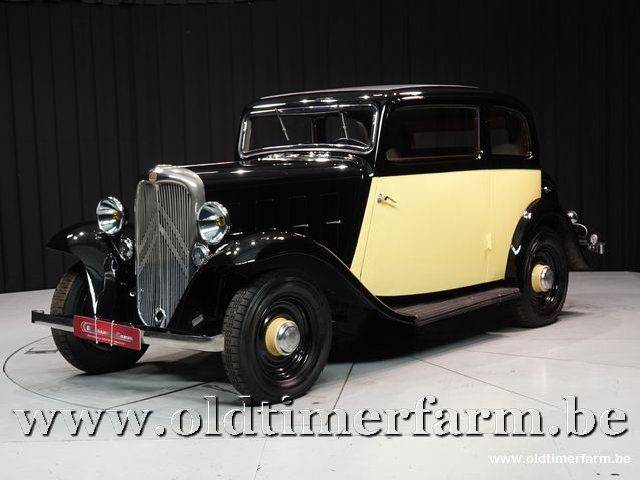
1934 | Citroën Rosalie 8 CV
1934 Citroën Rosalie Coach 8A Manessius '34
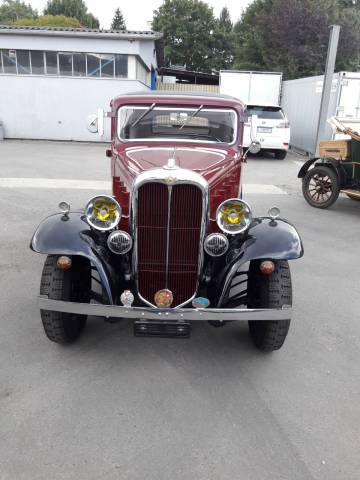
1933 | Citroën Rosalie 10 CV
Top restaurierte Rosalie
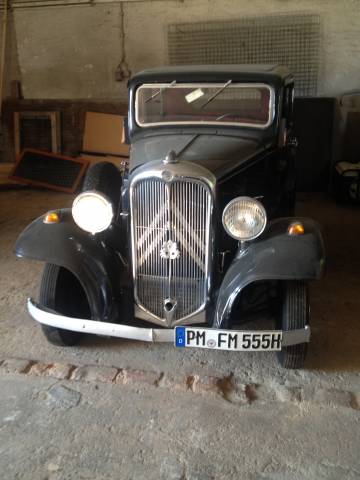
1934 | Citroën Rosalie 8 CV
Citroën Rosalie Classic Cars: Prices & Market Values
History of the Citroën Rosalie
The Citroën Rosalie was first conceived as a lightweight racing car and quickly earned its place in automotive history with a string of record-breaking runs at the Montlhéry circuit. Launched in 1932 as the successor to the C4 and C6, the Rosalie became the core of Citroën’s offering until 1938. The model brought assembly line production to the French market, introducing an effective blend of affordability and reliability during a time of economic challenge for the company. The Rosalie’s lineage intersects with the pivotal shift when Citroën transitioned from focusing on mass-market vehicles to more upmarket offerings, reflecting changes in automotive design and consumer expectations during the 1930s.
Model History of the Citroën Rosalie
The Rosalie was offered in three main configurations: the 8CV, 10CV, and 15CV. The 8CV featured a 1.45-litre four-cylinder engine. The 10CV, with a 1.77-litre unit, was notably larger and available in both standard and Légère (lightweight) versions. The flagship 15CV employed a 2.65-litre six-cylinder, providing greater length and power. In 1934, Citroën updated the Rosalie range with new models (7UA and 11UA), now powered by the advanced Traction Avant engines repurposed for rear-wheel drive, designated as 'MI' (Moteur Inversé). The model series ended in 1938 when the revolutionary Traction Avant took over.
Highlights of the Citroën Rosalie
Variety clearly defined the Rosalie, with a broad spectrum of available body styles: from convertibles and sporty two-seaters to utilitarian pickups. Citroën’s forward-thinking assembly-line production enabled the Rosalie to be offered at a competitive price. Bowing to market flexibility, Citroën introduced the 1,766cc diesel option in 1933, a notable technical evolution for the period. The Rosalie’s Montlhéry exploits showcased its mechanical strength and advanced engineering.
Technical Data
Special Editions and Collectible Models
The Légère (‘lightweight’) versions of the 10CV and 15CV are particularly distinguished for their sportier performance and reduced mass. Additionally, the NH ('nouvel habillage') models introduced in 1934 featured improved chassis technology like double wishbone suspension, setting them apart within the series.
Engine and Performance, Transmission and Handling
Mechanically, all Rosalies featured a 3-speed gearbox channeling power to the rear axle. The compact 8CV delivered modest but reliable performance, reaching up to 90 km/h. The 10CV Légère sharpened handling and acceleration, while the 15CV’s six-cylinder engine brought faster cruising and up to 120 km/h top speed. In terms of real-world usability, these cars are widely regarded as robust and straightforward to maintain—common features such as greasing points (Schmiernippel) cater to hands-on upkeep. Their track record in period racing also underpins their sturdy dynamics. Popular models include the 8CV for its accessibility and numbers, while the 10CV Légère is favoured for the balance of size and liveliness. The 15CV stands out for those seeking maximum displacement and period performance.
Interior, Comfort, Exterior and Design
The Rosalie’s design was versatile, offering bodies ranging from refined cabriolets to sedans and practical pickups. Noteworthy are the special-order coachworks and elaborate upholstery choices, appealing to a higher-end clientele during the 1930s. Features such as easily serviced lubrication points (grease nipples) and a focus on passenger comfort made the series particularly user-friendly for its time. Accessories and customisation played a significant role, including the availability of various chassis and coachbuilder collaborations. Certain Rosalies came with accent colours, extra instrumentation, or unique material finishes for the French and export markets.
Other notable features
Documentation often included detailed chassis and engine numbers, making these vehicles attractive from a provenance standpoint. In specific regions, notably the Netherlands, some Rosalies qualify for exemptions from regular technical inspections due to their age.
Summary
The Citroën Rosalie series stands out for its technical diversity, racing credentials, and adaptability in both function and form. Its dominance in listings and buyer interest—particularly the 8CV—reflects continued enthusiasm for the model today. Whether for weekend outings, historical collections, or specialised events, the Rosalie offers a compelling window into pre-war French automotive culture.