Citroën Méhari classic cars for sale
The Citroën Méhari is a truly unique classic: a lightweight open utility car with a corrosion-free plastic body, minimalist interior, and undeniable charm. Based on Citroën 2CV and Dyane technology, it combines French practicality with a free-spirited approach to motoring, appealing to both collectors and adventurers.
Search results
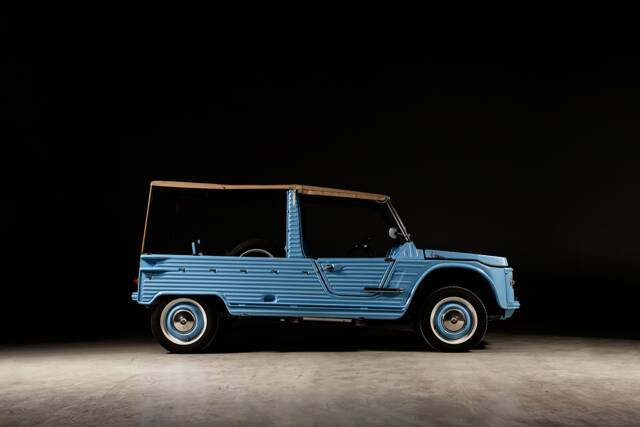

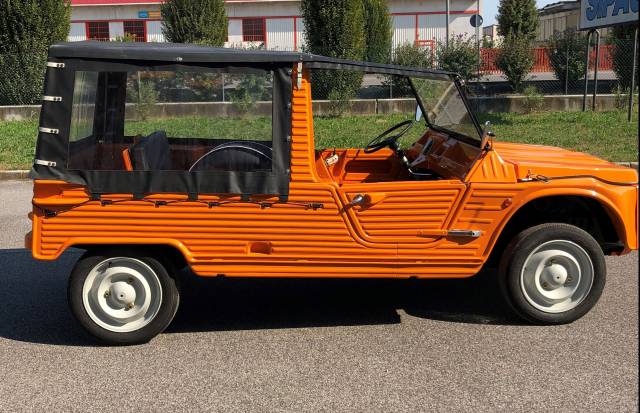
1970 | Citroën Méhari
Mehari prima serie

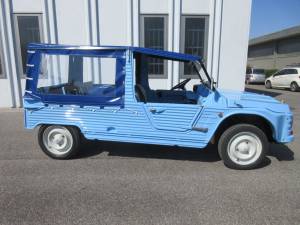
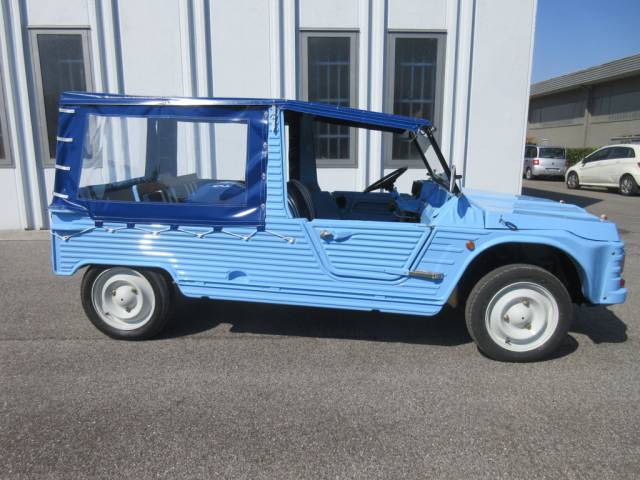
1979 | Citroën Méhari
Mehari blu eski
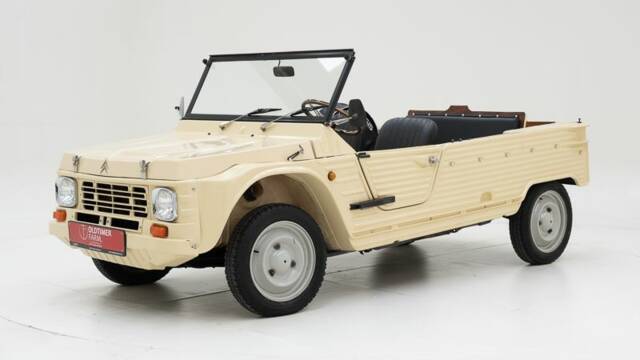
1980 | Citroën Méhari
1980 Citroen Mehari '80

Newsletter
The best Citroën listings, straight to your inbox
Get hand-picked Citroën listings, plus the best of cars, motorbikes, and auctions on Classic Trader — all in one place.
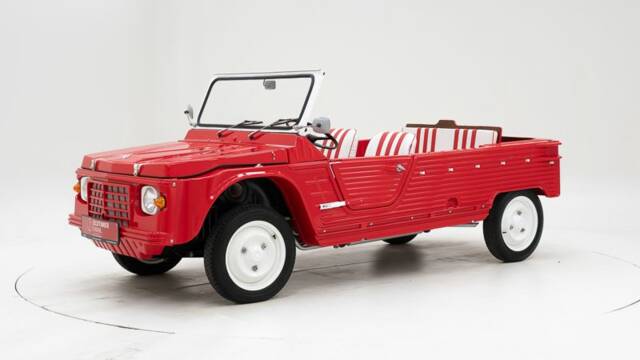
1970 | Citroën Méhari
1970 Citroen Mehari '70
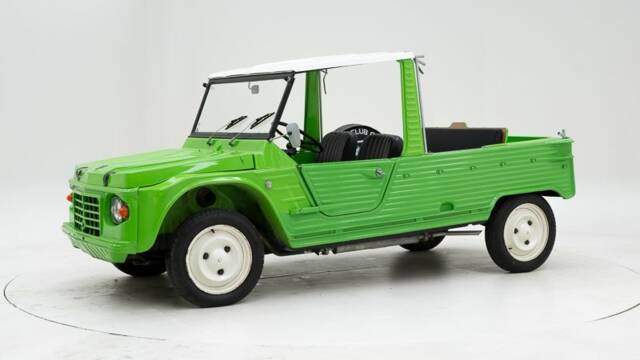
1975 | Citroën Méhari
1975 Citroen Mehari '75
Citroën Méhari listing references from Classic Trader
Below you will find listings related to your search that are no longer available on Classic Trader. Use this information to gain insight into availability, value trends, and current pricing for a "Citroën Méhari" to make a more informed purchasing decision.
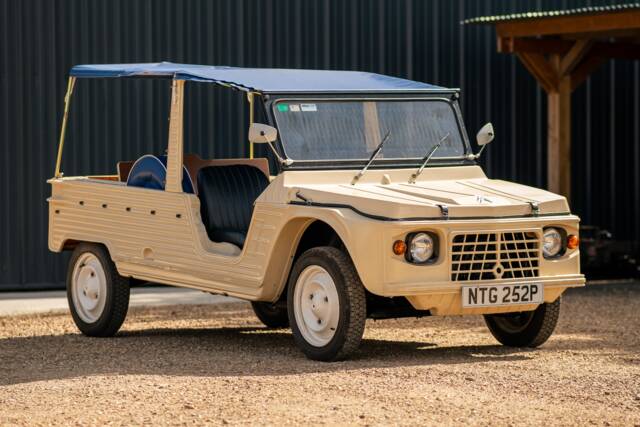
1975 | Citroën Méhari
1975 Citroen Mehari For Sale

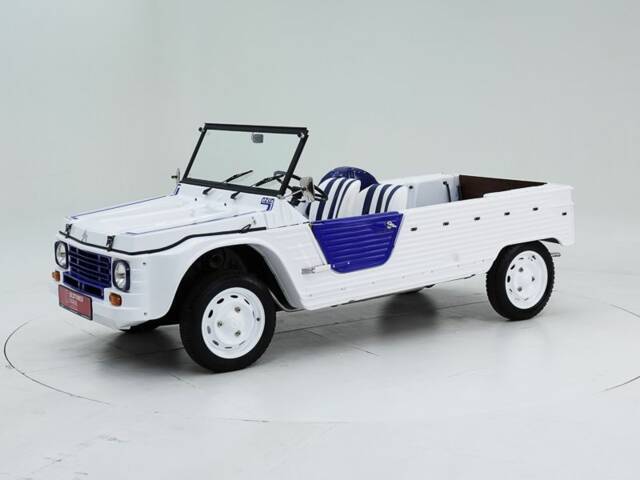
1972 | Citroën Méhari
1972 Citroen Mehari '72
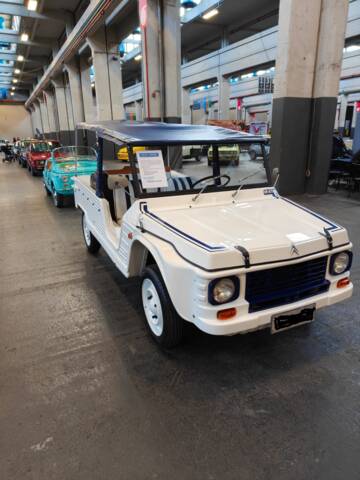
1986 | Citroën Méhari
Bianco e azzurro
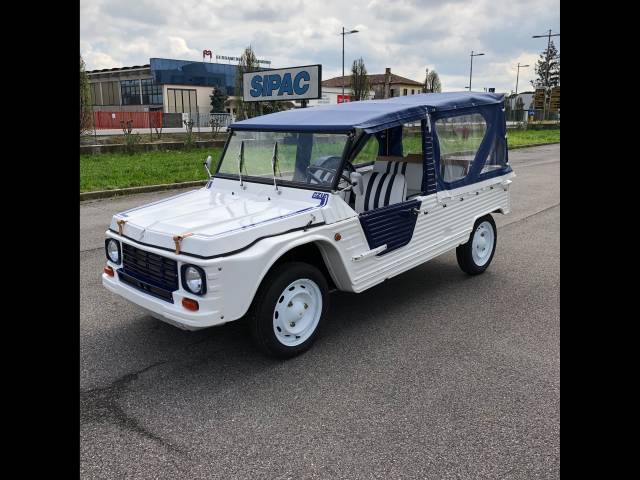
1984 | Citroën Méhari
Mehari Azur
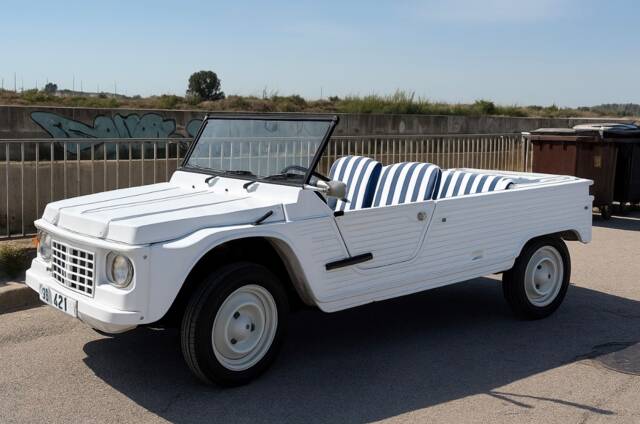
1970 | Citroën Méhari
Mehari recontruido a nuevo
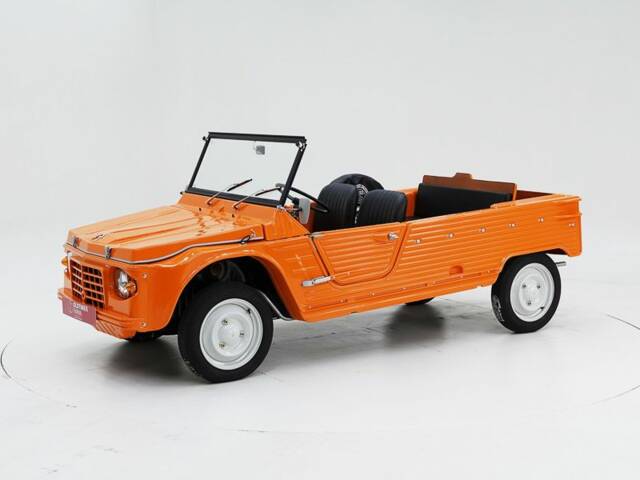
1974 | Citroën Méhari
1974 Citroen Mehari '74
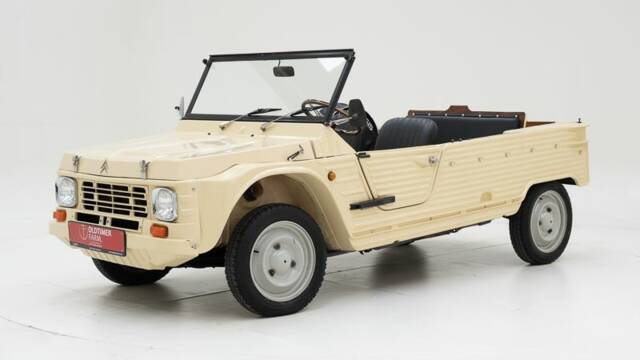
1980 | Citroën Méhari
1980 Citroen Mehari '80
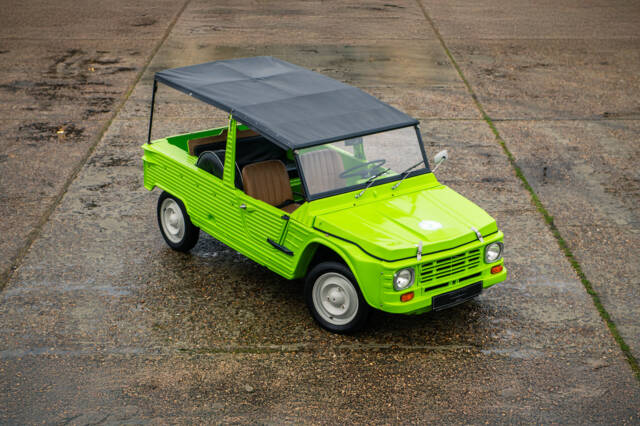
1979 | Citroën Méhari
Desirable 4-seat configuration | In Belgian possession for over 37 years | In immaculate condition
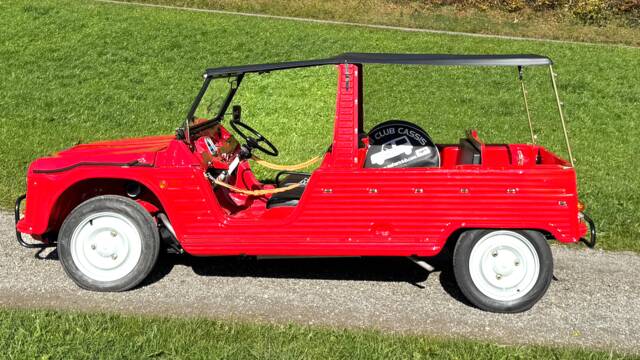
1970 | Citroën Méhari
Citroën Méhari 1. Serie (1970). Schätzpreis CHF 25'000 bis CHF 30'000

Citroën Méhari Classic Cars: Prices & Market Values
The market value of Citroën Méhari classic cars is primarily determined by technical condition, originality and mileage, as well as rarity, history and documentation. A well-maintained, largely original vehicle with low, verifiable mileage and complete history including appraisals and documentation typically achieves significantly higher prices than a comparable vehicle with deferred maintenance, many modifications or unclear provenance.
Citroën Méhari: Market Prices & Value Trends
Based on sales data from the Classic Trader marketplace, the Citroën Méhari market in Europe has remained broadly stable with a mild upward bias over the period from January 2021 to January 2026. Most asking prices cluster in the mid-market rather than at the extremes, suggesting consistent demand for usable, well-presented cars from the 1970s and early 1980s. Across the dataset, realistic current values for the Méhari typically sit at around €14,500 to €30,000, with many examples changing hands (or being advertised) in the €17,000–€25,000 band depending on restoration quality, originality and whether the ABS body and chassis show evidence of proper refurbishment. Very low-priced cars (around €7,000–€12,000) appear occasionally and are more likely to reflect projects or poorer condition, while high outliers above €40,000–€50,000 are rare and should be treated cautiously as specialist or exceptionally restored examples. Belgian, Dutch and Italian adverts dominate the data, highlighting strong regional liquidity; for buyers, this points to a balanced market where good cars sell steadily, and for sellers, condition and documentation remain the main drivers of price.
History of the Citroën Méhari
The story of the Citroën Méhari began in 1968 at the height of social upheaval in France. Its creator, Roland de la Poype, envisioned a lightweight, adaptable vehicle using ABS plastic for the body—a pioneering solution that meant zero rust issues and reduced weight. The Méhari’s name, inspired by a fast North African racing camel, reflected its multi-terrain ambitions. Originally conceived as a car for leisure and utility, it was based on the tried-and-tested mechanical platform of the Citroën Dyane and 2CV, famous for their reliability and go-anywhere abilities. Production continued until 1987, with over 144,000 units built. Whether transporting surfboards to the Atlantic coast or delivering supplies in rural France, the Méhari became a familiar sight on beaches, farms, and even film sets, including the famous Saint-Tropez police comedies.
Model History of the Méhari
Conceived initially as an open, basic leisure car, the Méhari evolved over the years but always remained faithful to its original formula. Mechanically, the foundation stayed the same, sharing running gear with the Citroën 2CV and Dyane: a 602 cc flat-twin boxer engine, sturdy chassis, and superb long-travel suspension. In 1979, Citroën introduced a four-wheel-drive (4x4) version, expanding its off-road credentials. Special trim options and colour editions followed throughout its life. The Méhari had no direct predecessor, but prototypes like the Baby-Brousse and Africa’s 2CV 'jeep' laid the groundwork. The car’s rare 4x4 variants, as well as its memorable presence in the French and Irish military, marked later years, ending with the last production in 1987. No direct successor was built by Citroën.
Highlights of the Citroën Méhari
An extremely light, rust-free ABS plastic body is the Méhari’s calling card—no other car of its era could offer the same. The fully removable roof and doors, plus fold-down windscreen, made for pure open-air motoring. Its platform’s soft, forgiving suspension—borrowed from the 2CV—gave comfort far beyond expectations for a utility vehicle. With high load capacity for its weight, it doubled as both beach car and light commercial pickup. Unique, vibrant colours—such as 'Vert Tibesti', 'Kirghiz Orange', and the white-blue 'Azur' special—set Méhari owners apart. The interior is ultra-basic but practical: washable, weatherproof, and resistant to the elements. Early cars had only chain closures in place of doors, emphasising lightness and adaptability.
Technical Data
Special Editions and Collectible Models
The Méhari’s production run included several distinctive special models. The 'Azur' edition (roughly 700 units) is particularly recognised, painted in white with blue accents and popular for its coastal association. Rarer still are the 4x4 versions, of which around 1,213 units were built, fitted with the more powerful Citroën Visa four-cylinder engine. Numerous regional editions and colour-coded runs exist, each attractive due to limited numbers and their ties to specific events or uses, such as army, firefighting, or medical support (notably in rallies like Paris-Dakar).
Weak Spots and Common Issues
The Méhari’s mechanical foundation—shared with the 2CV—means excellent spare parts availability and straightforward service. Plastic body panels do not rust but can crack after impact or prolonged UV exposure. Chassis corrosion (where the plastic meets the metal frame) is the biggest issue on unrestored cars, so checking the frame for rot is crucial. Electrical systems are basic but may need updating; switches and wiring can suffer from age and moisture ingress. Early drum brakes require regular adjustment. Convertible soft tops can be fiddly and may leak; ensure all fastenings and rubber seals are present and in good shape. Original seats and rear benches are often replaced—authenticity is important for collectors.
Engine and Performance, Transmission and Handling
On the road, the Méhari is defined by its lack of weight and unique suspension, offering surprisingly smooth progress over rough ground or sand. The 602cc flat-twin produces moderate power—acceleration is modest and top speed is limited (105 km/h typical). Handling is reassuring on loose or slippery surfaces, with excellent traction and articulation thanks to the 2CV-derived suspension. The four-wheel-drive version adds serious off-road ability. Gearshifts are via a classic dash-mounted lever, and the steering is light. Safety and driver aids are minimal by design, placing authenticity and a certain driving purity at the fore. Noteworthy models include the early, ultra-basic Méharis (chain doors), the rare 4x4 versions, and special colour editions. Army-used variants, especially those restored with original equipment, stand out for their robustness and collectability.
Interior, Comfort, Exterior and Design
Design responsibility fell to Roland de la Poype, who applied ABS plastic technology innovatively. The result: bold shapes and vivid colours, far removed from traditional cars. Special features include fold-down windscreens, easily removable roof frames, drainable interiors, and an overall spartan yet practical layout. Noteworthy are the 'Azur' and bright orange/yellow editions, but buyers find a wealth of hues on the market. Accessories like removable rear benches, roof racks, fabric doors, and simple seat covers differentiate individual Méharis. The dashboard is basic, with only essential readouts; the focus is durability against the elements, not luxury. Many surviving cars have customized features added by owners—period luggage racks, wind deflectors, or surfboard mounts are common.
Other Information
Throughout its life the Méhari saw service not just as a leisure car but in roles as diverse as ambulance, Dakar support vehicle, and police car in French films. Its wash-down interior, minimal electronics, and unique presence have nurtured a thriving enthusiast culture, especially along the Atlantic and Mediterranean coasts. Modern support for maintenance and restoration is excellent, with new chassis and body panels available from specialists. Clubs and reunions are held regularly across France, Italy, and Spain.
Summary
The Citroën Méhari offers something unmatched in the world of classic motoring: a blend of simplicity, adaptability, and sheer personality. From its practical plastic body to its celebrated handling on sand and loose ground, the Méhari remains a symbol of freedom and fun for classic car fans. Extensive parts support, wide club backing, and a dedicated following ensure these French originals continue to thrive, from city streets to sun-drenched coastlines.