Cadillac V-12 classic cars for sale
The Cadillac V-12 stands as a testament to American luxury engineering from the 1930s, bridging the gap between Cadillac’s V-8 and V-16 models with technical advancements and a wide array of bespoke bodies. Discover these rare, historically significant vehicles, often with prestigious Fleetwood coachwork and refined design details, that continue to intrigue collectors and classic car lovers today.
Search results
Currently, there are no matching listings for your search.
Create search alert
Let yourself be notified as soon as a listing is published that matches your search filters.
Create listing
Do you have a Cadillac V-12 that you want to sell? Then create a listing now.
Create listingCadillac V-12 listing references from Classic Trader
Below you will find listings related to your search that are no longer available on Classic Trader. Use this information to gain insight into availability, value trends, and current pricing for a "Cadillac V-12" to make a more informed purchasing decision.
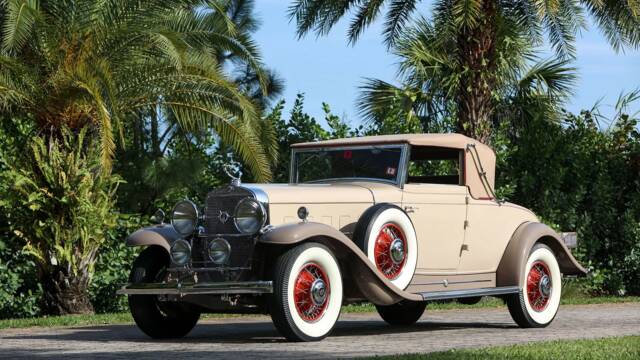
1931 | Cadillac V-12
1931 Cadillac V-12 Fleetwood Convertible Coupe

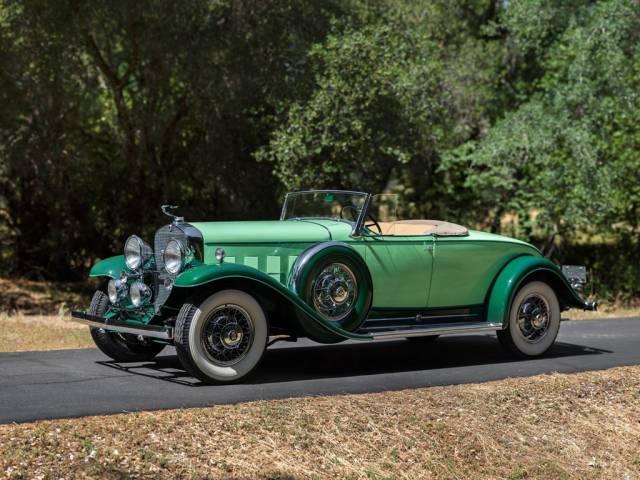
1931 | Cadillac V-12
1931 Cadillac 370-A V-12 Roadster by Fleetwood
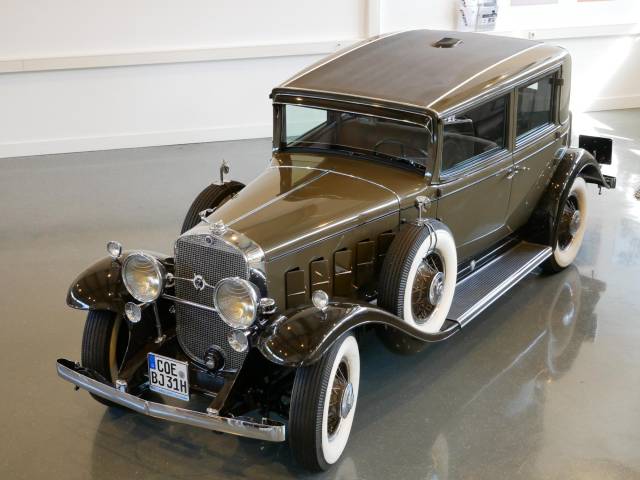
1931 | Cadillac V-12
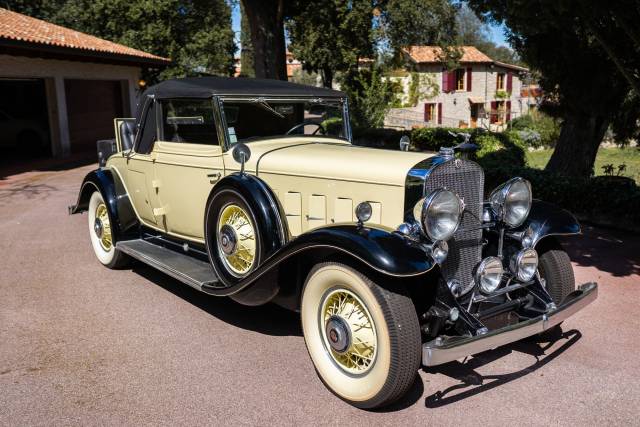
1931 | Cadillac V-12

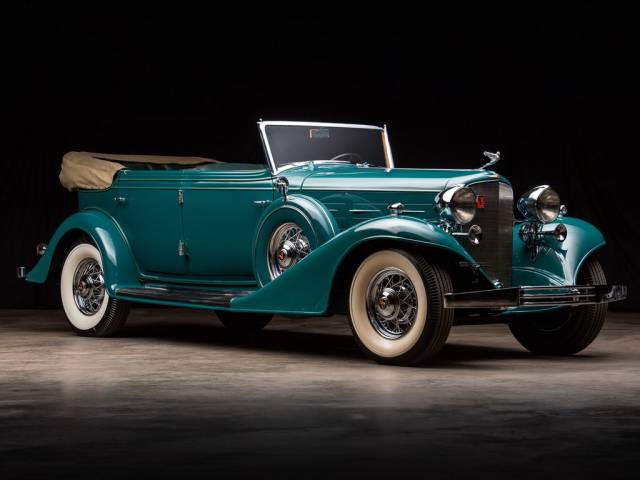
1933 | Cadillac V-12
1933 Cadillac V-12 All-Weather Phaeton by Fisher
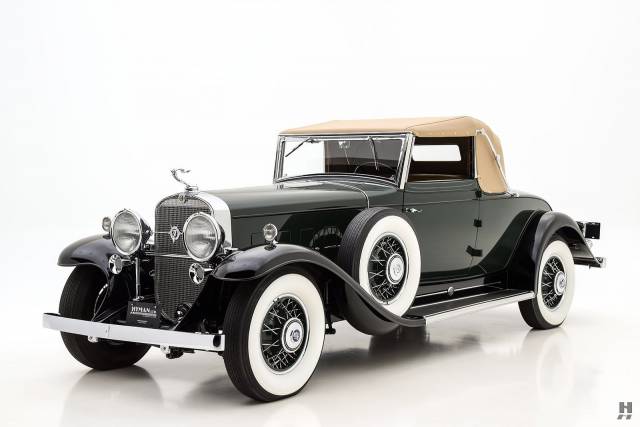
1931 | Cadillac V-12
Cadillac V12
Create search alert
Let yourself be notified as soon as a listing is published that matches your search filters.
Create listing
Do you have a Cadillac V-12 that you want to sell? Then create a listing now.
Create listingCadillac V-12 Classic Cars: Prices & Market Values
History of the Cadillac V-12
Introduced in 1930 during a turbulent economic time, the Cadillac V-12 was Cadillac’s first—and still its only—series-produced V-12 automobile. Positioned between the marque’s V-8 and flagship V-16 lines, the V-12 was constructed to merge technical sophistication with the allure of luxury motoring. Built until 1937, a total of 10,903 units were manufactured in seven years, with the greatest output in the inaugural year. Buyers could choose from various body styles from Fisher and Fleetwood, the latter quickly becoming synonymous with luxury. Despite the Great Depression, the V-12 managed considerable success and is often viewed as an important symbol of American pre-war engineering and prestige.
Model Series History
The Cadillac V-12 filled the gap between the standard V-8 and the ultra-exclusive V-16. Launched under the Series 370 designation, the V-12 shared much of its architecture and key engineering features—such as the 45-degree cylinder angle—with the V-16, but offered a more accessible yet still supremely refined driving experience. Multiple model variants were available from 1930 to 1937, with successors and predecessors closely intertwined with Cadillac’s evolving luxury line-up. Successive seasons saw evolving coachwork, technical upgrades, and changing customer preferences, yet the V-12 consistently maintained its unique place in Cadillac’s hierarchy.
Highlights and Unique Features
The Cadillac V-12 was celebrated for its advanced engineering and breadth of customisation. It used a 368 cubic inch (6.0-litre) V-12 engine producing 135 horsepower and 285 lb-ft of torque—remarkably close to the flagship V-16. Buyers could choose from up to 12 Fisher and 10 unique Fleetwood body styles in 1930-31 alone, ranging from elegant convertibles to formal limousines. Interior choices included richly appointed leather benches (often red or black), distinctive 'engine-turned' dash finishes, and the use of premium woods. Rumble seats ('Mother-in-Law seats'), external spare wheels, goddess mascots, and Cadillac’s famed Pilot-Ray driving lamps were all badges of sophistication. The Fleetwood badge especially denotes a highly desirable example. As shown by Classic Trader’s database, 100% of Cadillac listings for the Series 370 model series are V-12s, reflecting both exclusivity and collector focus. Demand as measured by listing views stands at the same 100%, underlining strong and consistent interest in these unique pre-war American luxury vehicles.
Technical Data
Special Editions and Collectible Models
Within the Cadillac V-12 line, Fleetwood-bodied vehicles are highly prized for their luxury finishes and build quality. Unique body types like the Roadster and Convertible Coupe command special attention, as do the models with factory accessories such as dual side-mount spares, the Pilot-Ray lamp setup, and intricate wood-trim interiors. The 1931 V-12 Roadster used as Pace Car for the Indianapolis 500 also adds collectible cachet for this configuration.
Engine, Performance, Transmission and Handling
The 368 cubic inch V-12 engine was regarded as a technical standout of its age, offering refinement and robust torque delivery. Its output of 135 hp and significant torque allowed for effortless progress and smooth acceleration up to a top speed of around 80 mph. The synchromesh three-speed manual gearbox was advanced for its day, allowing easier shifting compared to previous Cadillac transmissions. Chassis engineering provided excellent ride comfort, typical of American high-end cars of the period, with suspension and steering calibrated for long-distance luxury touring rather than fast cornering. The car’s close technical relationship with the V-16 is evident in both mechanicals and driving feel. Notable variants include the Convertible Coupe (noted for its stylish lines and open-air drive), the formal Limousine, and the Roadster. The numbers-matching motors and original Fleetwood coachwork are key features for discerning collectors.
Interior, Comfort, Exterior and Design
The Cadillac V-12 is an object lesson in 1930s luxury design: sweeping bodywork, accentuated by features like goddess radiator mascots and whitewall tyres. Distinctive design touches include chromed wire wheels, rear luggage racks, the characteristic 'Flying Lady' mascot, instrument panels in 'engine-turned' metal, and dashboards with fine wood inlays. Interiors commonly feature adjustable leather benches and two-tone colour schemes, with most surviving examples respecting their original palette. Optional accessories included Rumble Seats, unique golf bag compartments, and Pilot-Ray lights. Fleetwood coachwork vehicles are especially noted for their fit, premium materials, and elegant bespoke layouts.
Other Relevant Aspects
Cadillac’s V-12 models often featured right-hand drive in their home market, with left-hand drive rarer and usually reserved for exported examples. The Fleetwood coachbuilder name became effectively a sub-brand for Cadillac’s top-tier specifications during this period. Despite being rooted in the Depression era, the V-12 succeeded as a status symbol for industrialists, celebrities, and those seeking the most advanced engineering available to private motorists.
Summary
Cadillac’s V-12 models encapsulate the peak of pre-war American luxury innovation with advanced engineering, a wealth of bespoke and customisable features, and craftsmanship from Fleetwood and Fisher. With strong visibility in market listings and sustained demand according to Classic Trader’s statistics, the V-12 continues to attract those seeking a true piece of American automotive history distinguished by exclusive bodywork, technical prowess, and period-specific luxury.