Bugatti Type 43 classic cars for sale
The Bugatti Type 43 blends grand prix technology with rare craftsmanship: built from 1927, around 160 examples brought racing technology to the road. Powered by a supercharged 2.3-litre straight-eight and regularly exceeding 160 km/h, these roadsters remain benchmarks in performance and exclusivity.
Résultats de la recherche
À l'heure actuelle, il n'y a pas d'annonces correspondant à votre recherche.
Create search alert
Let yourself be notified as soon as a listing is published that matches your search filters.
Create listing
Do you have a Bugatti Type 43 that you want to sell? Then create a listing now.
Create listingBugatti Type 43 listing references from Classic Trader
Below you will find listings related to your search that are no longer available on Classic Trader. Use this information to gain insight into availability, value trends, and current pricing for a "Bugatti Type 43" to make a more informed purchasing decision.
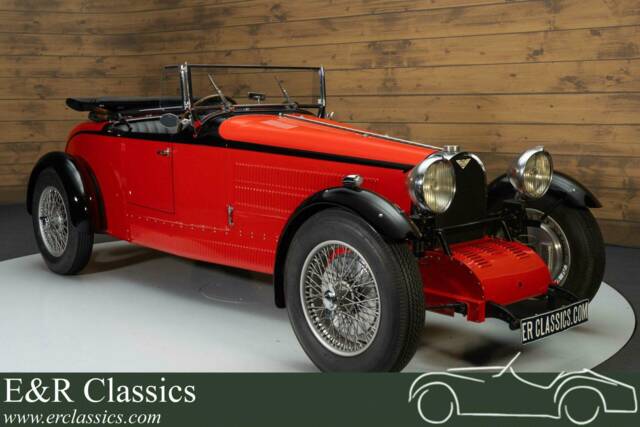
1976 | Bugatti Type 43 A
Bugatti Type 43 A Replica Cabriolet

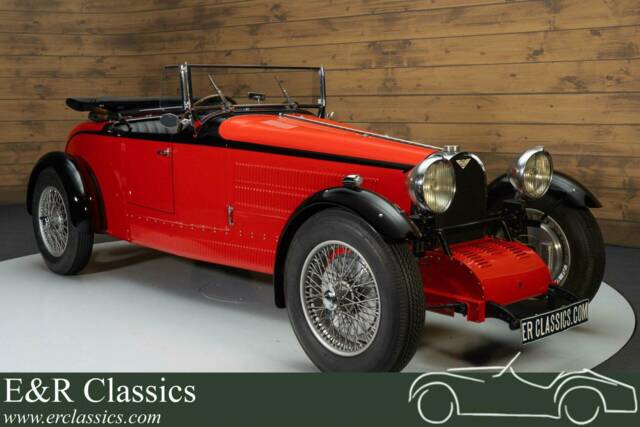
1976 | Bugatti Type 43 A
Bugatti Type 43 A Replica Cabriolet
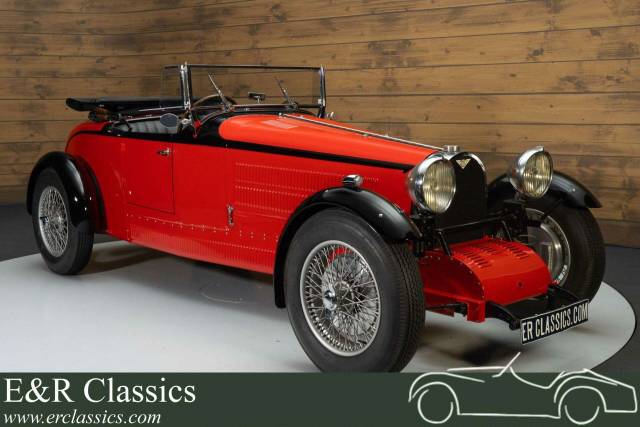
1976 | Bugatti Type 43 A
Bugatti 43A replica Cabriolet
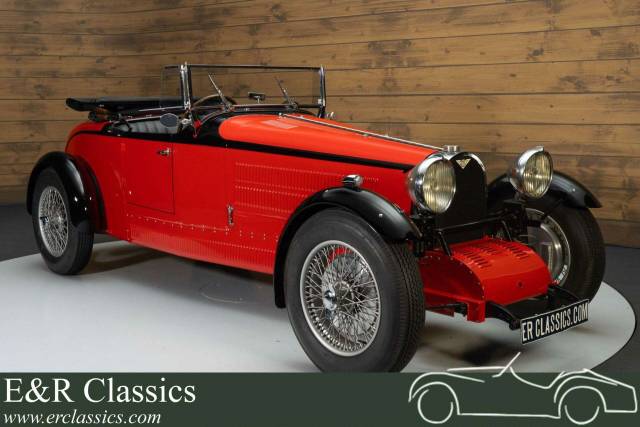
1976 | Bugatti Type 43 A
Bugatti Type 43A Replica Cabriolet
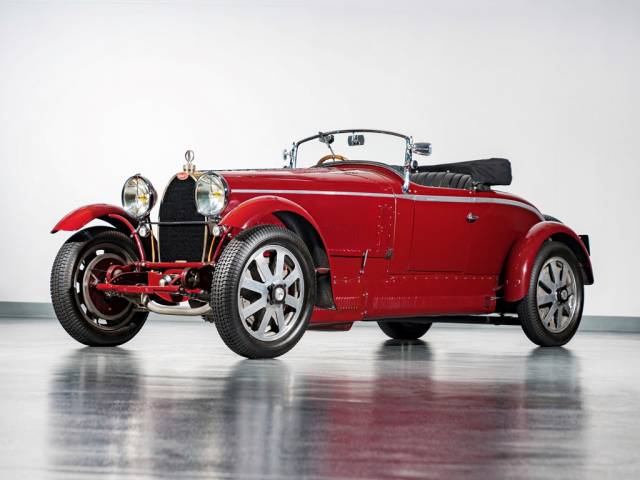
1928 | Bugatti Type 43 A
1928 Bugatti Type 43 Roadster by Lavocat et Marsaud

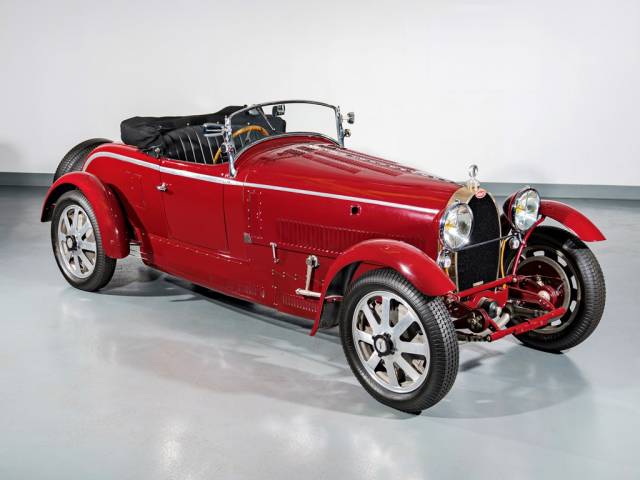
1928 | Bugatti Type 43 A
1928 Bugatti Type 43A Roadster by Lavocat et Marsaud
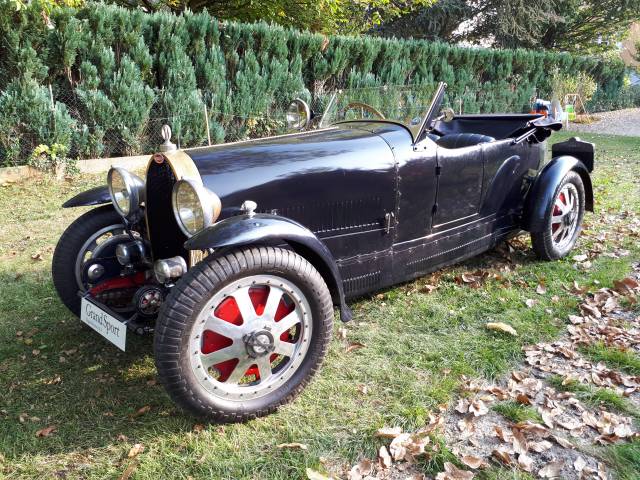
1930 | Bugatti Type 43
BUGATTI TYPE 43 GRAND SPORT

Create search alert
Let yourself be notified as soon as a listing is published that matches your search filters.
Create listing
Do you have a Bugatti Type 43 that you want to sell? Then create a listing now.
Create listingBugatti Type 43 Classic Cars: Prices & Market Values
History of the Bugatti Type 43
Following in the footsteps of the successful Bugatti Type 35 race car, the Bugatti Type 43 was presented in 1927 as the street-legal interpretation of Bugatti’s grand prix engineering. It drew directly from its racing predecessor, with the eight-cylinder, overhead-cam engine and advanced lightweight construction. Only around 160 Type 43 models were built, reflecting Bugatti's focus on performance and individuality during the interwar period. The Type 43 made a mark not only on the road, but also in motorsport, winning acclaim in rallies and hill climbs thanks to its impressive acceleration and reliability.
Model History
The Type 43’s genesis can be traced to the early 1920s with the introduction of Bugatti’s eight-cylinder line, which began with the Type 30 in 1922. Building on this base, the Type 38, 40, 44, and 49 showcased Bugatti’s evolving engineering. The Type 43, however, set itself apart by adapting the grand prix-proven engine of the Type 35 and lengthening the wheelbase for improved road use and comfort. While the Type 43 did not have a direct predecessor that matched its unique blend of racing roots and touring capability, it bridged the gap between competition machines and luxury vehicles. Its engineering influenced subsequent Bugatti models, most notably the Type 44 and 49.
Highlights of the Bugatti Type 43
- Road-ready version of the Type 35 Grand Prix car, reflecting direct motorsport pedigree.
- 2.3-litre, supercharged straight-eight (OHC) engine – rarely found in road cars of the era.
- Capable of exceeding 100 mph (160 km/h), a remarkable feat for a production vehicle in the 1920s.
- Variety of authentic body styles: mostly Grand Sport and Roadster bodies, often with cycle-style mudguards.
- Distinctive features like the Jaeger-instrumented dashboard, shining aluminium bonnet and fenders, rumble seat, and wooden dashboard facings.
- FIA Historic Technical Passport possible if high originality is verified.
Technical Data
Special Editions and Collectible Models
No officially designated special editions exist; each Type 43 was unique thanks to the coachwork by various renowned builders such as Lavocat et Marsaud. Cars outfitted with original Grand Sport or rare Roadster bodies are particularly valued, and those with demonstrably original specifications may be eligible for a FIA Historic Technical Passport.
Weak Spots and Common Issues
No specific weak spots are documented in the current sources. However, potential buyers should pay attention to the originality of the body and drivetrain, and thoroughly inspect the Jaeger instruments and electrical wiring, as period components can be sensitive to age and past restorations. Checking aluminium bodywork for corrosion or non-original repairs is essential. Documentation confirming the car’s originality often affects vehicle value and eligibility for FIA historic documentation.
Engine and Performance, Transmission and Handling
The Type 43 is powered by a supercharged 2.3-litre straight-eight engine, delivering remarkable acceleration and top speeds above 160 km/h. The car’s performance is further enhanced by a four-speed manual gearbox, precision steering, and a suspension setup derived from racing practice. The extended wheelbase compared to the Type 35 improves straight-line stability and comfort on longer drives. These technical attributes make the Type 43 both agile in rallies and reliable in competitive events. The model’s chassis tuning provides a distinctive combination of feedback and composure, making it popular in historic rally circuits. The Grand Sport and Roadster variants, especially those bodied by Lavocat et Marsaud, stand out for their historical accuracy and are sought after for vintage racing and rally events.
Interior, Comfort, Exterior and Design
The Type 43 blends functional grand prix elements with period luxury: the dashboard features Jaeger instrumentation, surrounded by polished hardwood. The car’s distinctive visual signature includes cycle-fenders, step plates, and a rumble seat. Materials such as aluminium for the bonnet and front wings illustrate Bugatti’s obsession with weight-saving and performance. Coachwork was entrusted to specialists, resulting in variations in exterior styling, trim, and comfort details. Accessories often included a fold-down windscreen, fixed rim wheels, and optional rear seating, solidifying the Type 43’s status as a tailor-made performance machine.
Other relevant features
Vehicles confirmed to be highly original and unmodified may be awarded a FIA Historic Technical Passport, an important certification for participants in historic racing and international classic car events.
Summary
The Bugatti Type 43 offers a direct connection to 1920s racing innovation, paired with grand touring capability. Its supercharged eight-cylinder engine, advanced technical specification, and diversity of authentic coachwork continue to fascinate enthusiasts. With only around 160 made and high demand from both collectors and motorsports fans, the Type 43 remains a reference point for pre-war performance and exclusivity.