BMW 600 classic cars for sale
The BMW 600, produced from 1957 to 1959, was BMW’s bold step into the four-seater city car segment, combining the microcar lineage of the Isetta with added practicality. As a rare survivor of its era, the BMW 600 stands out for its space-efficient design, characteristic front-opening door, and technical innovations like independent suspension and a reliable two-cylinder boxer engine.
Search results
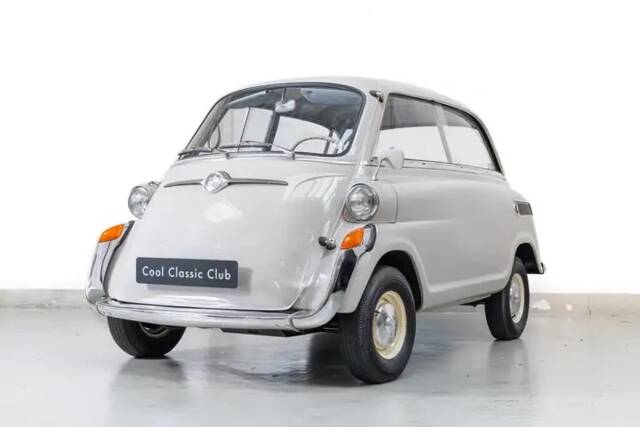
1959 | BMW 600
Matching Numbers - Nut & Bolt Restored

BMW 600 listing references from Classic Trader
Below you will find listings related to your search that are no longer available on Classic Trader. Use this information to gain insight into availability, value trends, and current pricing for a "BMW 600" to make a more informed purchasing decision.
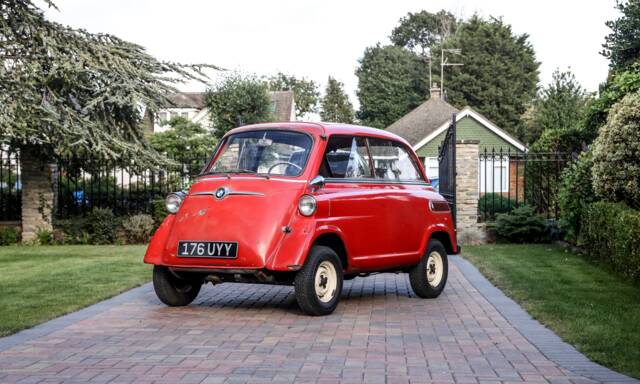
1958 | BMW 600
1958 BMW Isetta 600 (4-wheel)

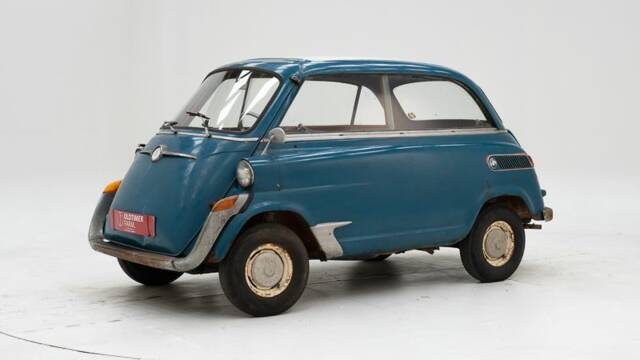
1959 | BMW 600
1959 BMW 600 '59

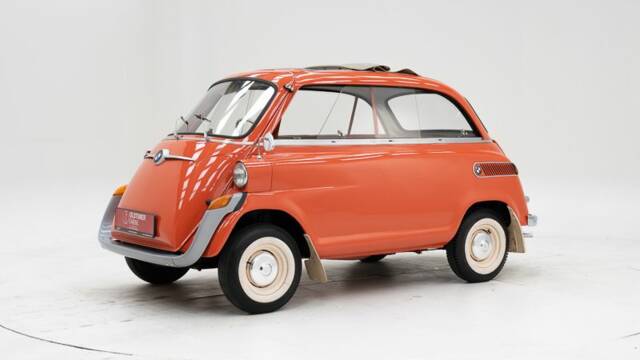
1958 | BMW 600
1958 BMW 600 '58
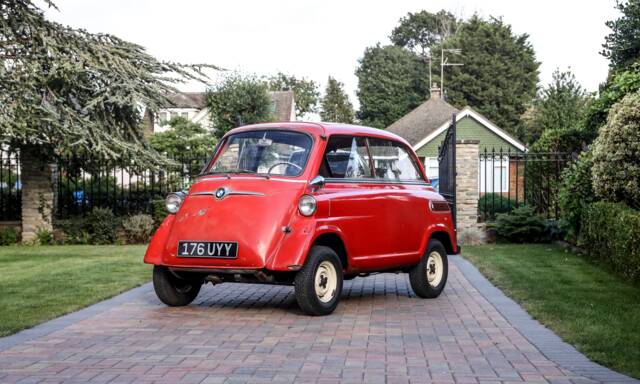
1958 | BMW 600
1958 BMW Isetta 600 (4-wheel)
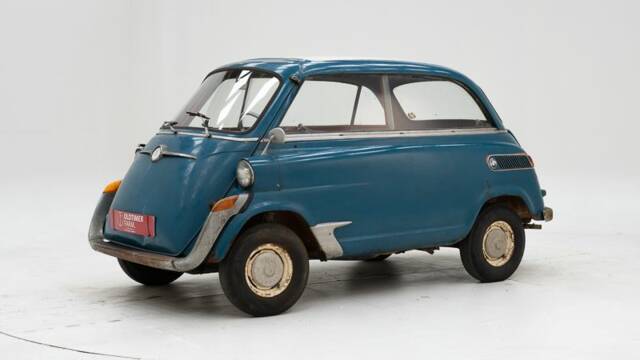
1959 | BMW 600
1959 BMW 600 '59
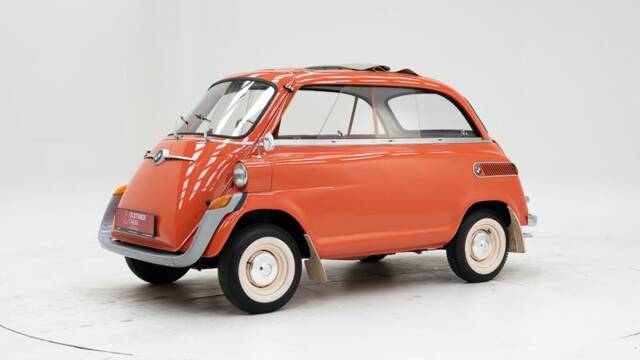
1958 | BMW 600
1958 BMW 600 '58
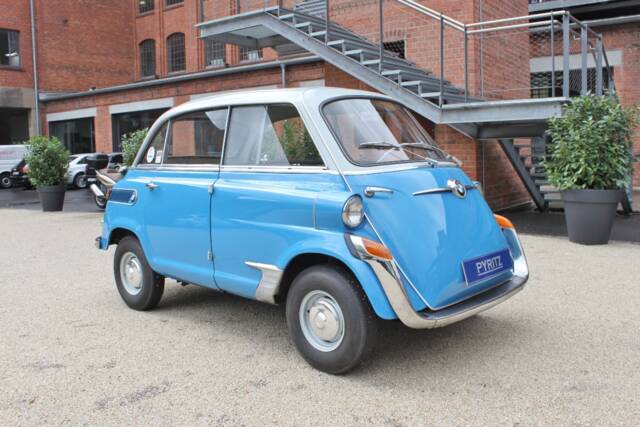
1959 | BMW 600

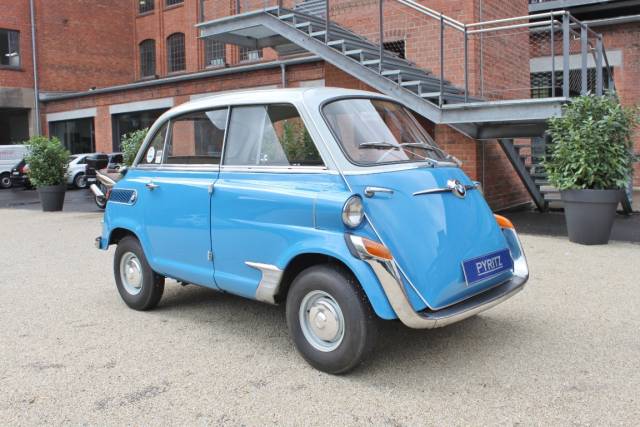
1958 | BMW 600
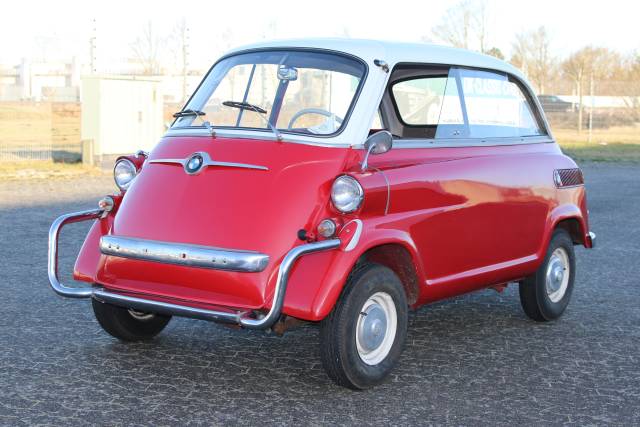
1958 | BMW 600

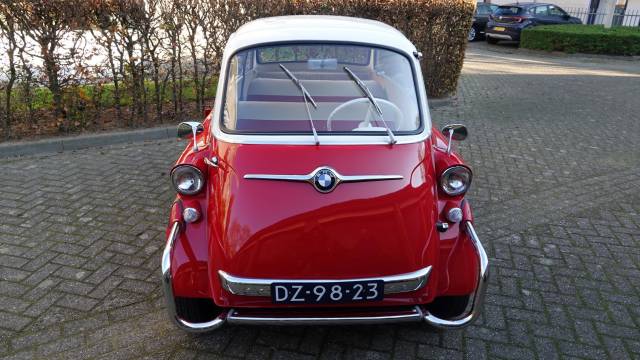
1958 | BMW 600
US version
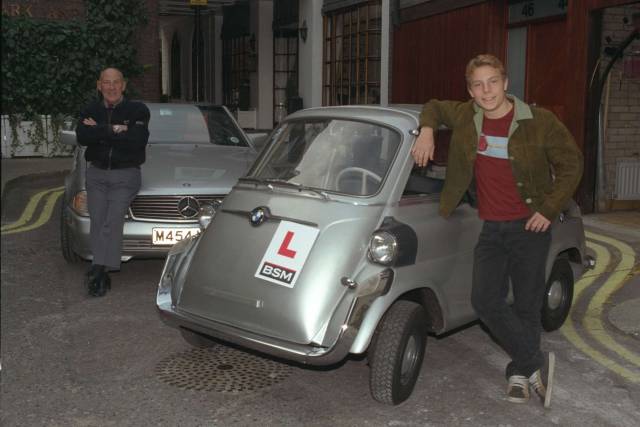
1957 | BMW 600
1957 BMW Isetta 600 (700) Ex-Sir Stirling Moss OBE
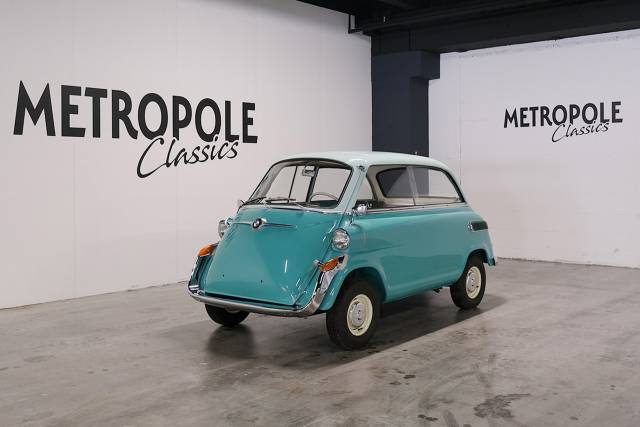
1958 | BMW 600
BMW 600 M0328
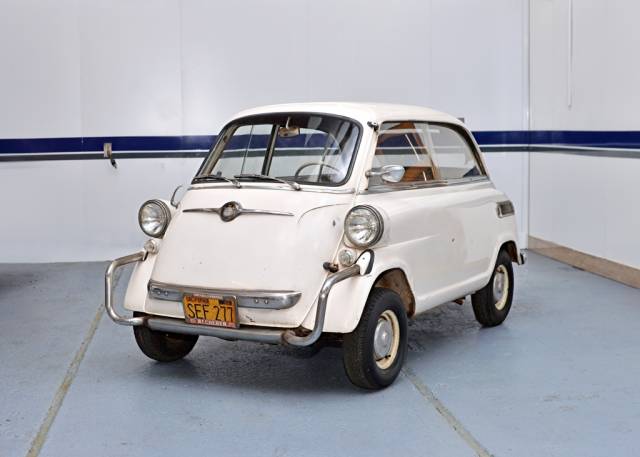
1958 | BMW 600
BMW Isetta 600
BMW 600 Classic Cars: Prices & Market Values
History of the BMW 600
In the mid-1950s, BMW found itself needing to bridge the gap between its successful but tiny Isetta bubble car and the larger models in its range. The answer was the BMW 600, introduced in mid-1957 as their first postwar attempt at a four-seater economy vehicle. It was engineered on a stretched and reinforced Isetta platform, offering considerable extra space while retaining the signature front-hinged door. The model featured important advances: a new semi-trailing arm rear suspension and a perimeter frame for stability, both marking a technical leap for small cars at that time. Despite over 34,800 units built by the end of production in November 1959, the 600 struggled to gain ground in a market dominated by established competitors like the Volkswagen Beetle. Yet its role as the precursor to the much more successful BMW 700 proved vital; the 600’s innovative approach helped set the course for BMW’s postwar small car development.
Model History: Predecessors and Successors
The BMW 600 was directly based on the BMW Isetta two-seater but went further with its enlarged chassis, dedicated rear side door, and expanded interior. Its immediate successor, the BMW 700, benefited enormously from the design and lessons of the 600, moving towards a monocoque body and improved dynamic qualities. The 600 therefore represents not just an offshoot of the Isetta but an essential evolutionary step toward BMW’s later compact cars, bridging the microcar era with the company's future line-up.
Special Features and Highlights
A standout among microcars, the BMW 600 boasted a unique combination of features. The front access door, inherited from the Isetta, gave way to improved practicality with a side door for rear passengers. At just 2.9 metres in length but seating four, the 600 was a space-efficiency marvel. Under the rear sat a robust 582cc two-cylinder boxer engine derived from BMW’s motorcycles, coupled to a fully synchronised four-speed manual gearbox and rear-wheel drive—a technical package rarely found in this segment at the time. All four wheels benefited from coil spring independent suspension and, notably, the rear featured a differential, making driving smoother and safer. These attributes made the BMW 600 an attractive, family-orientated option in its day.
Technical Data
Special Editions and Collectible Models
There were no officially designated special editions of the BMW 600 during its short production run. However, vehicles that have survived in original condition, especially those with rare colour schemes or early series features, are sometimes regarded among enthusiasts as especially valuable due to the low survival rate and the model’s historical significance for BMW.
Weak Spots and Common Issues
Due to information limitations, specific typical weaknesses are not detailed here. However, given the BMW 600’s light construction and typical use as an economy vehicle, buyers should pay close attention to rust on the perimeter frame, mechanical wear in the rear suspension, and the integrity of the front door locking mechanism. Engine parts, drawn from BMW motorcycles, are generally durable but require regular inspection and maintenance, especially after decades of service. Always check for originality and well-documented restoration work given the rarity of surviving examples.
Engine and Performance, Transmission and Handling
Equipped with a 582cc two-cylinder boxer engine in the rear, the BMW 600 delivers modest, reliable performance, achieving a top speed of just over 100 km/h. Acceleration was secondary to economy and ease of operation, but the four-speed manual gearbox, enhanced by a differential, makes city driving more effortless than many microcars of the period. The combination of independent coil-sprung suspension and the car’s lightweight construction result in nimble handling. Despite its period limitations, the 600 provided a comfortable ride for four, a rare trait among its microcar contemporaries. The BMW 600 Typ 111 is the only version represented in the supply and demand statistics—this model accounts for all (100%) BMW 600 interest on the market.
Interior, Comfort, Exterior and Design
The BMW 600’s design balances economy and period-style charm. The car’s most characteristic feature is the large, front-hinged door, allowing easy entry for the driver and front passenger; a side door on the right facilitates access to the rear seats. The oval silhouette, high roofline, and chrome accents (such as wheel trims and bumpers) are hallmarks of late-1950s German city cars. The interior was functional, with seating for four and minimal luggage space provided by a shelf behind the bench. Materials were practical rather than luxurious, but the car offered a surprisingly roomy feel for its dimensions. Notably, the asymmetrical low beam headlamps were a quirky technical highlight. Altogether, the 600’s design communicates BMW’s transitional approach from microcar toward more versatile family vehicles.
Other relevant features
With a short two-year production run and just 34,813 units built, the BMW 600 is increasingly difficult to find in original condition. Many examples were heavily used and scrapped in subsequent decades. Vehicles that remain are highly prized by brand collectors, and attention to authentic restoration is critical for preserving value and historical interest. The 600’s role as a representative of 1950s microcar culture and as an evolutionary step for BMW’s later compact cars secures its status among dedicated enthusiasts.
Summary
The BMW 600, engineered and built between 1957 and 1959, stands as a landmark in BMW’s journey from postwar microcars to family transporters. Its unique combination of microcar practicality, engineering innovations, and four-seat accommodation makes it a true period piece and technical curiosity. Surviving models are few—a direct result of its utilitarian past and brief production span—but their place in BMW history and small-car evolution is undeniable.