BMW 326 Classic Cars for Sale
The BMW 326, launched in 1936, was BMW’s pioneering four-door sedan and set new benchmarks in engineering and comfort. With innovations such as hydraulic brakes, advanced suspension and a straight-six engine, the 326 was produced until 1941 and remains an essential part of any classic BMW lineage.
Search results
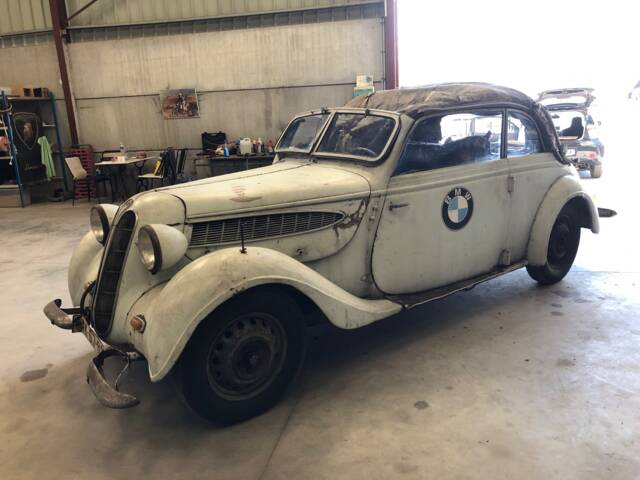
1939 | BMW 326
BMW 326 cabriolet 2 portes

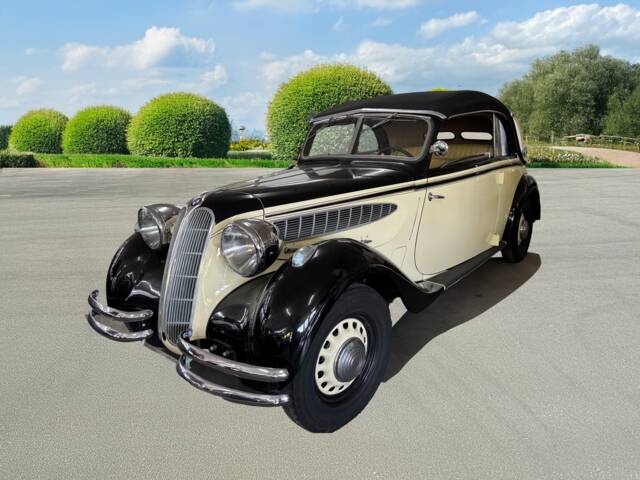
1937 | BMW 326
Voll restaurierter 326

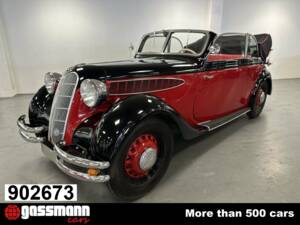
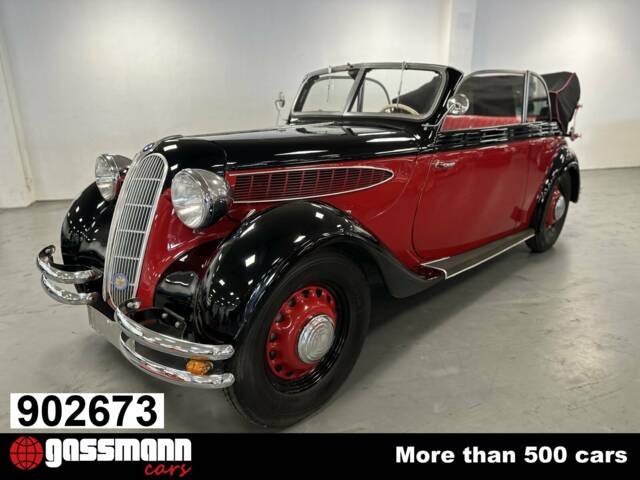
1937 | BMW 326
326 2.0L Cabriolet - mehrfach verfügbar!

BMW 326 listing references from Classic Trader
Below you will find listings related to your search that are no longer available on Classic Trader. Use this information to gain insight into availability, value trends, and current pricing for a "BMW 326" to make a more informed purchasing decision.
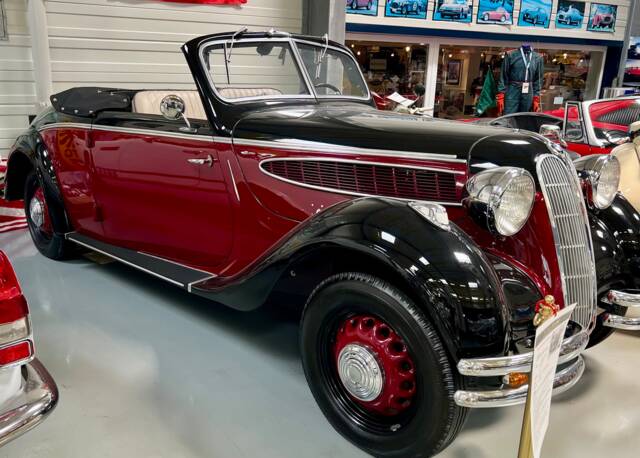
1937 | BMW 326
Cabriolet by Gläser - only 2 examples known
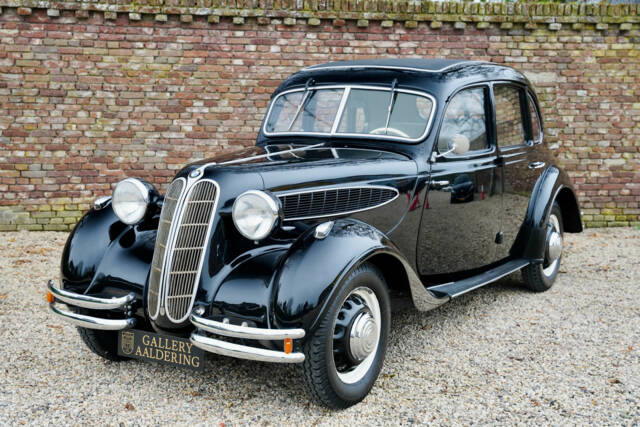
1937 | BMW 326 Erdmann & Rossi
BMW 326 "BMW's first four-door model" PRICE REDUCTION! Restored and overhauled by previous owners, Certified by BMW with official certificate, Restoration documented in photographs, Beautifully preserved historical documentation, Delivered new in 1937 to Herr Glöckler in Frankfurt-Germany, Accompanied by original BMW brochures, From an esteemed private collection

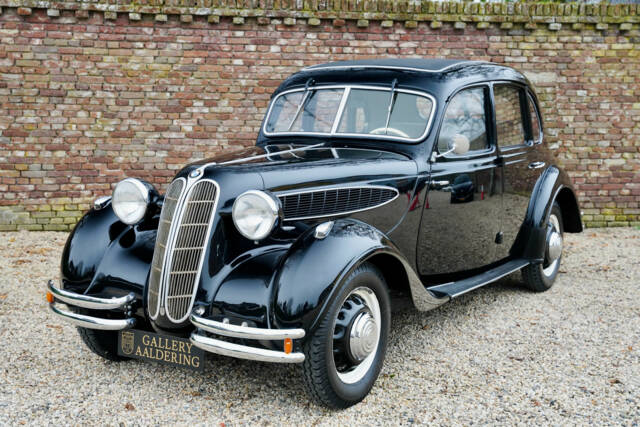
1937 | BMW 326
BMW 326 "BMW's first four-door model" Restored and overhauled by previous owners, Certified by BMW with official certificate, Restoration documented in photographs, Beautifully preserved historical documentation, Delivered new in 1937 to Herr Glöckler in Frankfurt-Germany, Accompanied by original BMW brochures, From an esteemed private collection
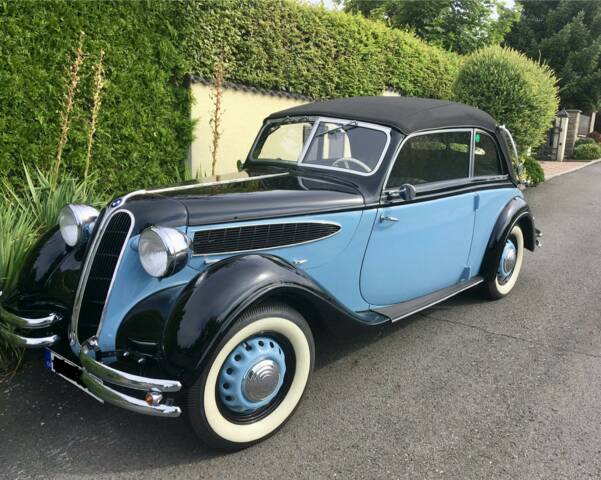
1939 | BMW 326
fachgerecht restauriert, Zertifikat von BMW München

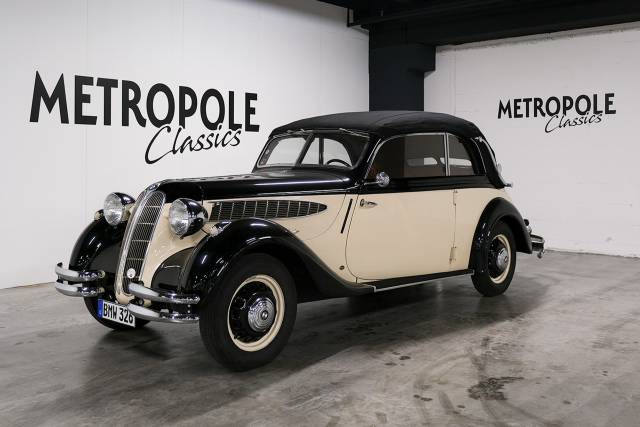
1937 | BMW 326
BMW 326 Cabriolet. 1937. M0315 - S0317
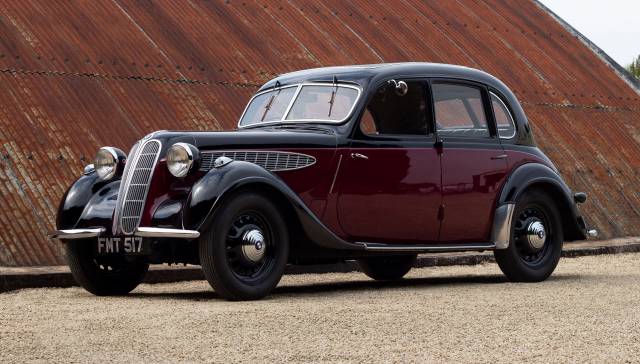
1937 | BMW 326

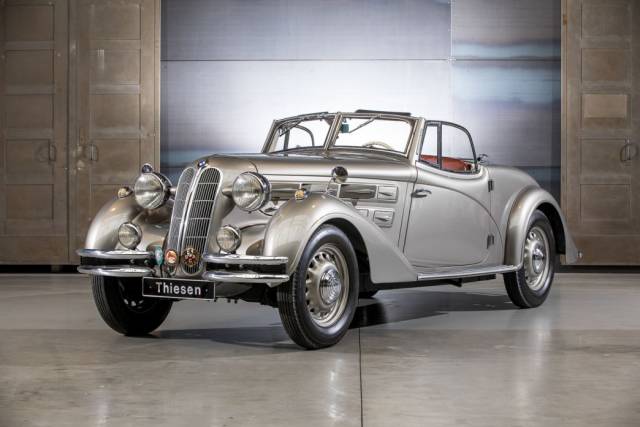
1937 | BMW 326 Erdmann & Rossi
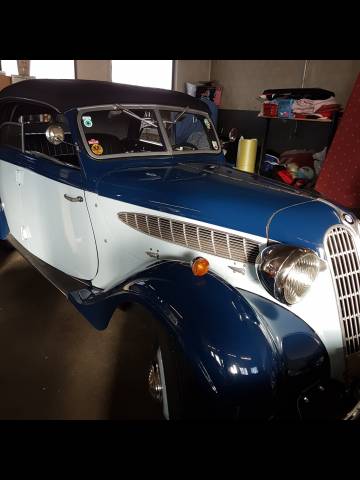
1937 | BMW 326 Autenrieth
Extra schönes gepflegtes restauriertes 4 türiges Cabriolet
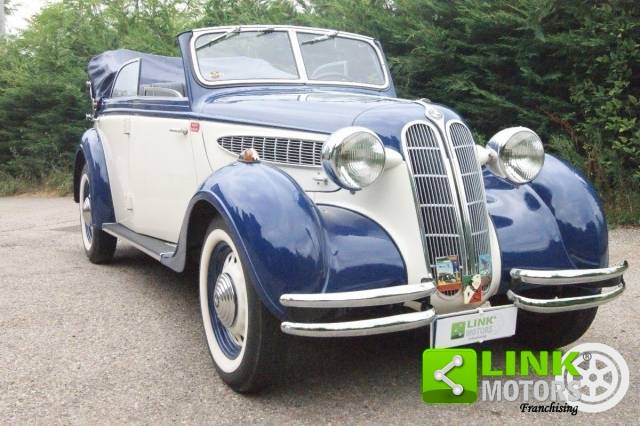
1938 | BMW 326
BMW 326 "AUTENRIETH" CABRIOLET 4 DOORS

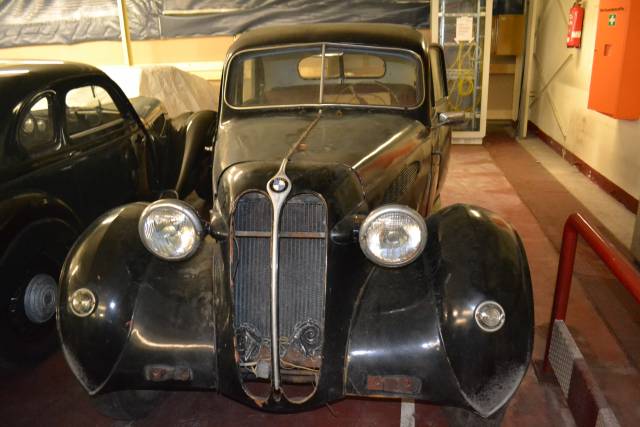
1940 | BMW 326
Seltenheit
BMW 326 Classic Cars: Prices & Market Values
History of the BMW 326
The BMW 326 made its debut at the 1936 Berlin Motor Show and quickly distinguished itself as BMW’s first ever four-door saloon. Designed by Fritz Fiedler and styled by Peter Schimanowski, it marked a decisive shift in BMW’s engineering ambitions, introducing a roomy, comfortable sedan into a range previously dominated by smaller, sportier vehicles. The 326’s production ran until 1941, with just under 16,000 units leaving the Eisenach plant. After the war, the design briefly resurfaced under Soviet control before evolving into the BMW 340. The influence of the 326 lived on as it provided the technical basis for later models such as the 320, 321, 327, and 335.
Model History
The BMW 326 represented an entirely new direction for BMW, being its first vehicle purposely designed as a four-door sedan. Its immediate mechanical descendants included the 320, 321, 327, and 335—each building on the 326’s chassis and engineering solutions. The model was replaced after the war era by the BMW 501, produced in Munich, which continued the legacy of luxurious sedans. As a technological foundation, the 326’s innovations trickled down and influenced BMW’s approach to postwar saloons.
Highlights of the BMW 326
- First BMW with four doors and a focus on aerodynamics
- Innovative torsion bar rear suspension, inspired by the Citroën Traction Avant
- First use of hydraulic brakes in a BMW
- Designed by Fritz Fiedler, with bodywork by Peter Schimanowski
- Produced as a saloon and both two- and four-door cabriolet
- Distinctive features such as covered rear spare wheel, elegant chromed finishes, and a stylish cabin with classic instruments
- Nearly 16,000 units built, a significant figure for this segment in the period
Technical Data
Special Editions and Collectible Models
The BMW 326 was available in several body styles: the classic four-door saloon, and rare two-door and four-door cabriolet variants. These convertible versions, produced in lower numbers, are particularly sought after by enthusiasts today due to their rarity and elegant construction. Special trim lines with unique paint and upholstery options were also offered.
Weak Spots and Common Issues
Contemporary sources do not highlight specific technical chronic issues for the BMW 326. However, due to its age, prospective buyers should pay careful attention to the condition of the torsion bar suspension, hydraulic brake system, and bodywork. Parts availability for certain unique components, especially cabriolet fittings and original interior elements, can be challenging. Rust in the chassis and closed body panels is a principal area to inspect.
Engine and Performance, Transmission and Handling
The 1.971-litre straight-six offered robust performance by the standards of the late 1930s. With 50 PS and a top speed of 115 km/h, the BMW 326 was suitable for both city use and extended journeys. The advanced suspension, combining independent front wheels and torsion bar-sprung rear axle, delivered a comfortable, predictable ride, while the hydraulic brakes provided efficient stopping power—a rarity in its class at the time. The four-speed manual transmission with freewheeling in lower gears gave additional driving flexibility. Four-door saloon variants are most commonly encountered and reflect the main production focus, while the cabriolets—especially the two-door—stand out for their scarcity and increased collector appeal.
Interior, Comfort, Exterior, and Design
The 326 was a leap forward in comfort for BMW, with a spacious, well-finished cabin featuring elegant chromed trim, authentic period instrumentation, and classic steering wheel. Special materials, such as period-style cloth upholstery and high-grade accents, accentuate the premium feel. The exterior was styled with aerodynamics in mind, evidenced by the integrated spare wheel cover and refined curves. Cabrios featured robust folding roof mechanisms and luxurious interior finishing. Available accessories included additional chrome details and period-correct radios, further personalising the experience.
Other Features
After WWII, surviving BMW 326s formed the engineering foundation for the BMW 340, produced under Soviet authority. This postwar continuation shows the design’s intrinsic value and adaptability, even in drastically changed circumstances.
Summary
The BMW 326 stands out as a milestone in BMW’s pre-war lineup, introducing new manufacturing standards and a fresh design ethos. Its engineering advancements, range of body styles, and postwar legacy make it a central figure in classic BMW collecting—offering a unique blend of mechanical sophistication and historical depth.