BMW 315 classic cars for sale
The BMW 315, produced between 1934 and 1937, established a decisive step in BMW’s technical evolution by introducing a 1.5-litre six-cylinder engine. Available as saloon, convertible, and the racing-focused 315/1 Roadster, this model combined advanced engine technology for its time with a design that formed the basis for later BMWs. Its blend of performance, engineering quirks, and historical racing pedigree make it stand out among pre-war BMW classics.
Search results
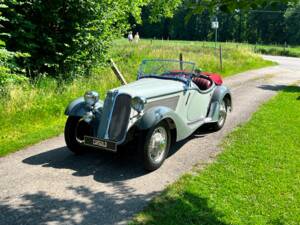
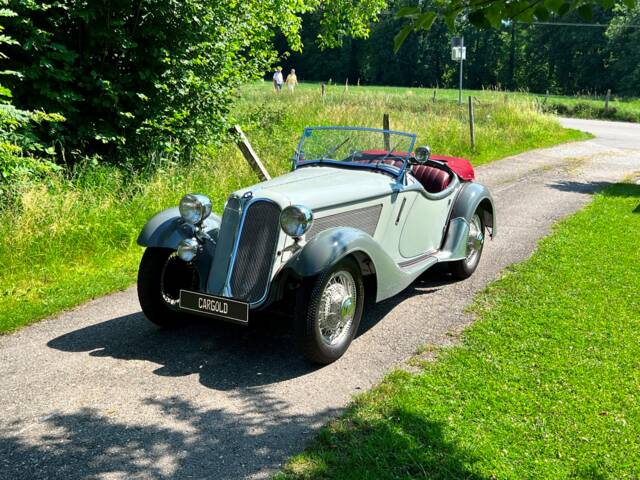
1934 | BMW 315/1 Sport
BMW Certificate/ Matching Numbers Engine!

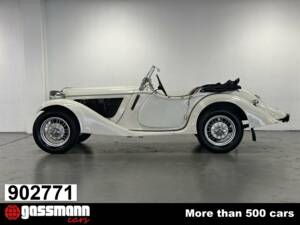
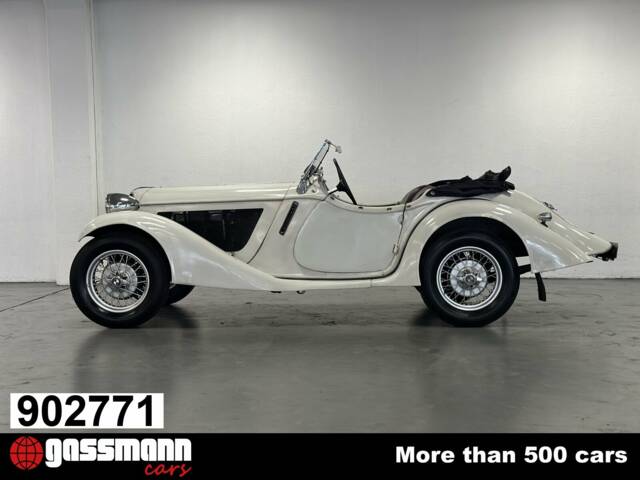
1934 | BMW 315/1 Sport
315/1 Roadster - 1 von 230
BMW 315 listing references from Classic Trader
Below you will find listings related to your search that are no longer available on Classic Trader. Use this information to gain insight into availability, value trends, and current pricing for a "BMW 315" to make a more informed purchasing decision.
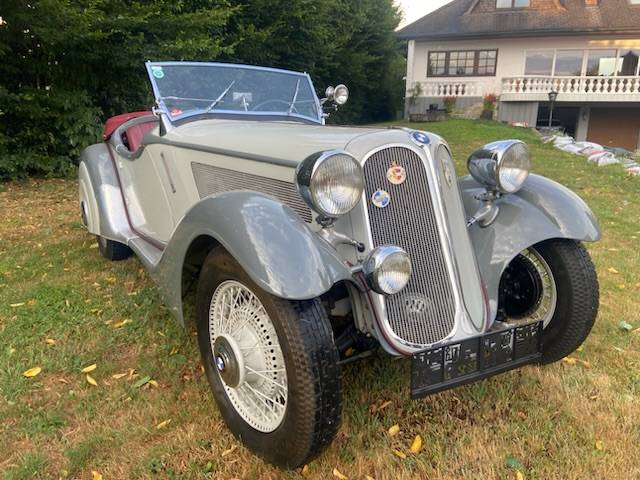
1934 | BMW 315/1 Sport
Original car

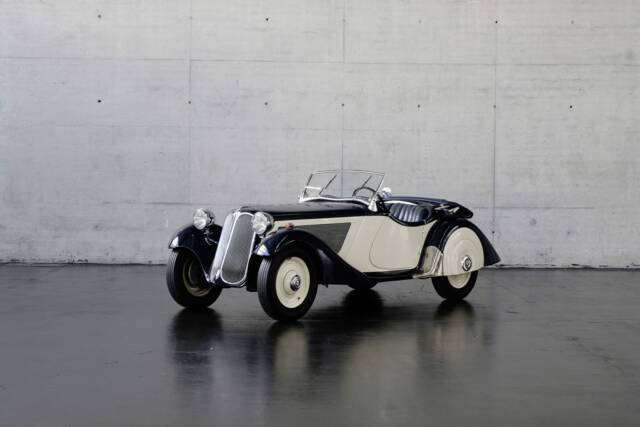
1935 | BMW 315/1 Sport
1935 BMW 315/1 Sport-Zweisitzer. Im Auktionsverkauf. Schätzwert: 110.000 € - 150.000 €.
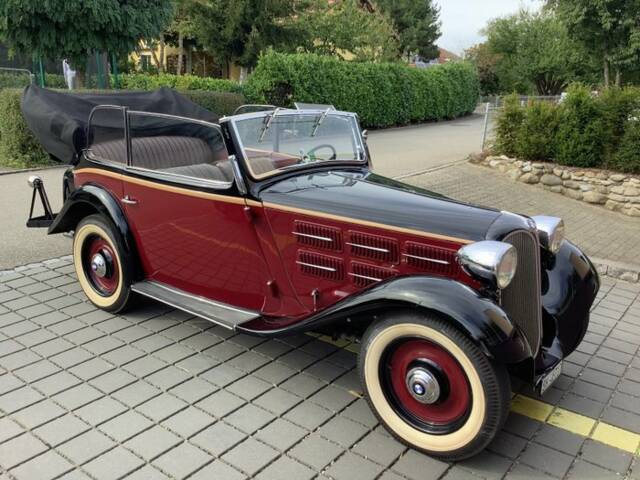
1934 | BMW 315/1 Sport
BMW - 315 Cabriolet - 1934

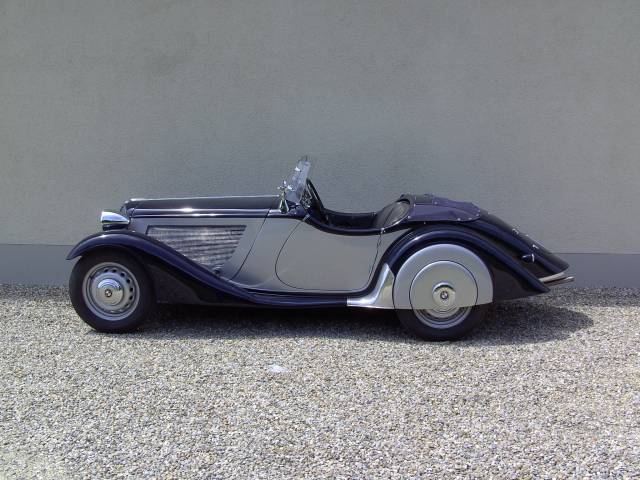
1935 | BMW 315/1 Sport
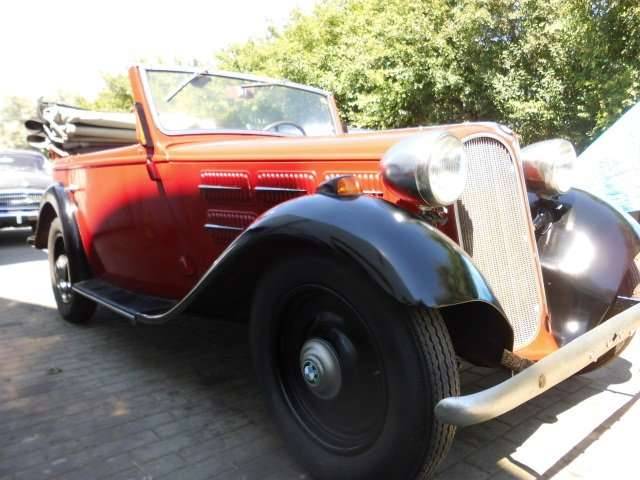
1934 | BMW 315
BMW 315 Cabrio
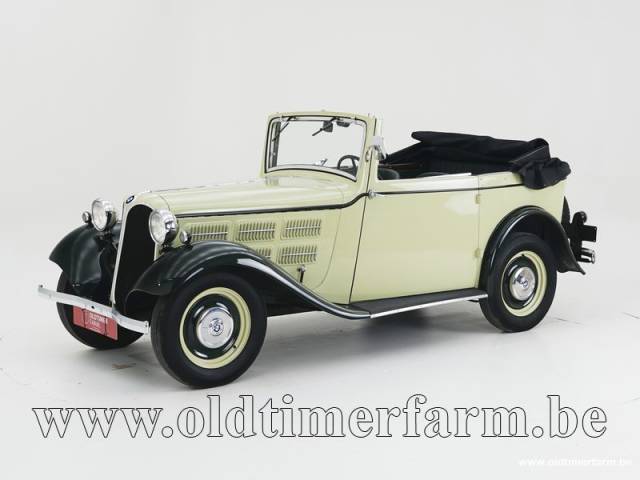
1934 | BMW 315
1934 BMW 315 Cabriolet '34

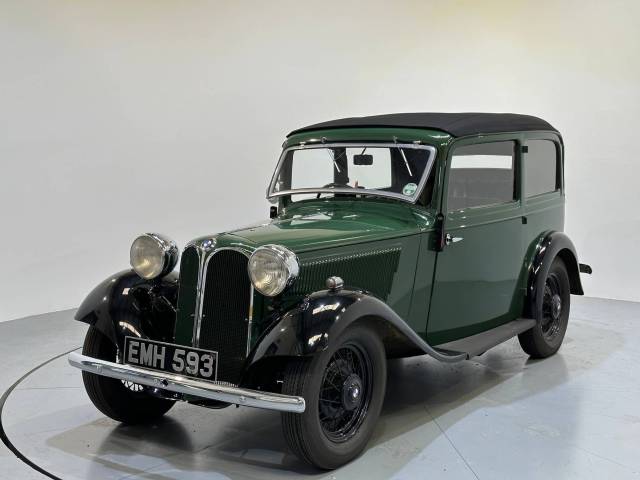
1936 | BMW 315
Rare Body - Ready to Use and Enjoy

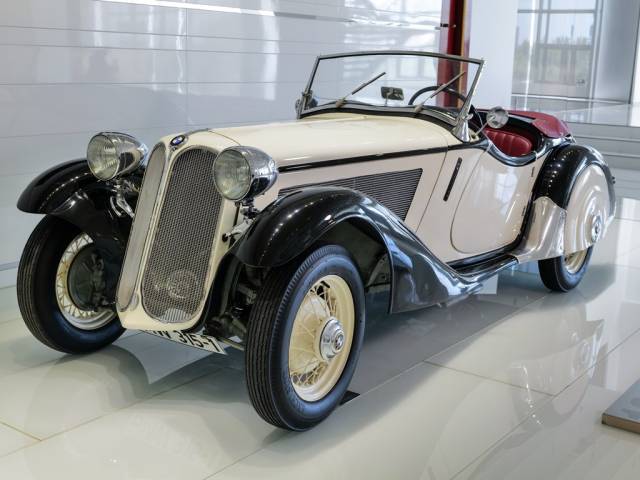
1934 | BMW 315/1 Sport
1934 BMW 315/1 Roadster

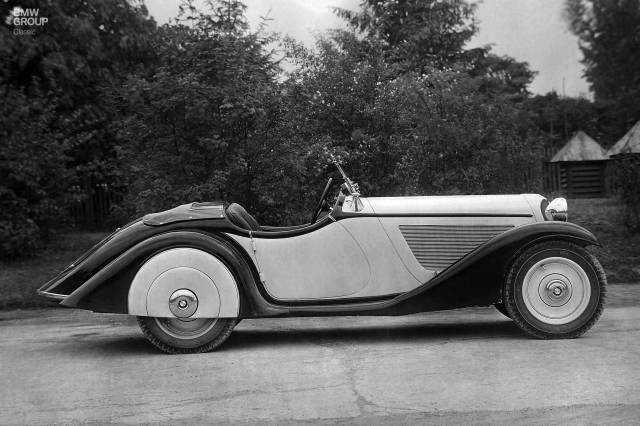
1935 | BMW 315/1 Sport
Frazer Nash
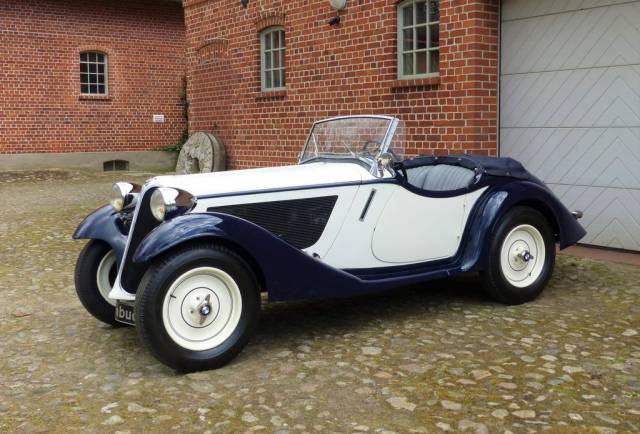
1935 | BMW 315/1 Sport
Beautiful prewar roadster
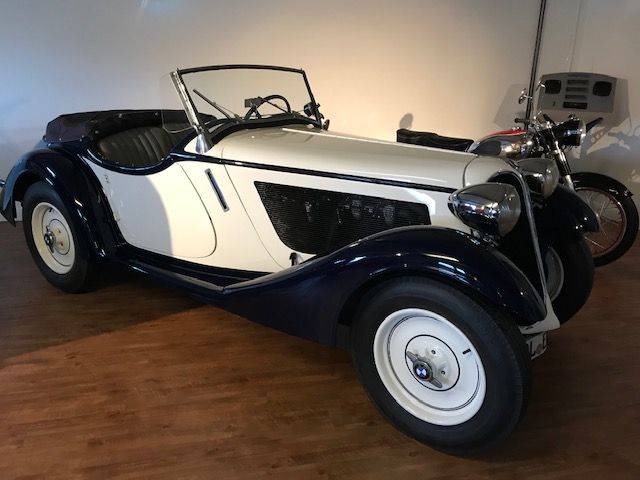
1934 | BMW 315/1 Sport
1936 | BMW 315/1 Sport
-
BMW 315 Classic Cars: Prices & Market Values
History of the BMW 315
Launched as the 1.5-litre successor to the BMW 303, the BMW 315 underlined the brand’s commitment to expanding technical horizons. Arriving on the market in 1934, it utilised the basic layout of its predecessor but featured mechanical refinements and a more powerful six-cylinder engine. The newly designed pre-assembled crankshaft meant that the intercylinder distances in the engine block were not uniform—a rare trait in automotive engineering. The result was an increase in both output and durability. Alongside the standard saloon, BMW built a range of body styles including convertibles and cabriolets. The platform’s flexibility allowed it to be shared with subsequent models such as the 319, cementing BMW’s modular design approach in the 1930s.
Model History of the BMW 315
The BMW 315 succeeded the 303 and shared its basic six-cylinder engine, which was uprated in displacement and power. Production began in 1934 and continued until 1937. In this period, under 10,000 BMW 315s were manufactured, comprising mostly two-door saloons and a range of open-top derivatives. The 315 was followed by the 319, which offered an enlarged 1.9-litre engine for even more performance and comfort. The BMW 315 laid the groundwork for future BMW models by combining innovative engineering with a clear design identity, carried further by its successors.
Highlights and Special Features of the BMW 315
BMW’s 315 distinguished itself with its technical sophistication—a 1.5-litre straight-six engine producing up to 40 PS, a fully pre-assembled crankshaft, and the adoption of BMW’s kidney-shaped grille. It was the first BMW to exceed 100 km/h, a milestone for the brand in the 1930s. The 315/1 Roadster expanded the brand’s motorsport credentials, focused on lightweight construction and performance, dominating German racing events in its day.
Technical Data of the BMW 315
Special Editions and Collectible Models
A particularly rare special edition is the BMW 315/1 Roadster. Only 102 units left the factory, each intended for competitive racing. With three Solex carburettors and lighter, streamlined bodywork, the 315/1 delivered up to 40 PS and was capable of reaching 120 km/h. Unique design elements included a more rearward seating position and covered rear wheels to minimise drag, reflecting its sporting intent and making it a standout collectible among pre-war BMWs.
Engine, Performance, Transmission and Handling
The BMW 315 was a significant advancement over previous BMW models in terms of engine technology and dynamics. The 1.5-litre six-cylinder engine, with a power rating of 34 to 40 PS depending on the variant, enabled the model to breach the 100 km/h barrier. The 315/1 Roadster variant, featuring higher compression and reduced weight, could reach 120 km/h, establishing it as a favourite for amateur motorsport clubs in Germany of its time. Standard 315s were equipped with a manual gearbox, transmitting power to the rear wheels for classic BMW driving dynamics. The chassis setup delivered a balance between comfort and nimble, responsive cornering for a pre-war car. - BMW 315 Saloon: Classic two-door model, popular for its versatility and comfort.
- BMW 315/1 Roadster: Lightweight, fitted with triple carburetor setup, aimed at motorsport, extremely rare (102 produced).
Interior, Comfort, Exterior and Design
The design of the BMW 315 married functional engineering with aesthetic ambition. Typical for BMWs of this era, the vehicle displayed the brand’s hallmark kidney grille, introduced a year earlier on the 303. The 315’s body was available in a variety of forms, including traditional two-door saloon, convertible, cabriolet, and the 315/1 Roadster. The latter was especially notable for its aerodynamic lines, covered rear wheels, and a cabin layout with seats placed further back, enhancing the dynamic character. Early models offered robust, high-quality materials for the dashboard and trim. Accessories such as wire-spoke wheels and leather upholstery were available for certain variants. The harmonious balance of proportions and practical details were widely complimented in period automotive reviews.
Summary
The BMW 315 exemplifies technical prowess and design clarity in early BMW production. Combining a responsive six-cylinder engine, innovative chassis design, and versatile body styles, it helped establish the DNA that would define BMW for decades. The rarer 315/1 Roadster, associated with motorsport success in the 1930s, highlights the breadth of the 315 lineup. Today, the BMW 315, especially as a 315/1, is a tangible example of pre-war German engineering ingenuity.