- Car
- Aston Martin
- Aston Martin International (1 offer)
Aston Martin International Classic Cars for Sale
The Aston Martin International, produced from 1929 to 1931, stands as a highlight of British pre-war engineering, particularly recognised among connoisseurs for its rare blend of competition pedigree, innovative chassis, and unmistakable period design. Available in roadster and saloon versions, with extremely limited numbers, this model offers a unique window into the motorsport roots of the Aston Martin brand.
Search results
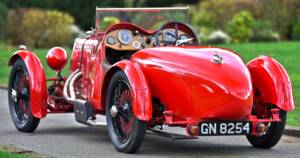


Aston Martin International listing references from Classic Trader
Below you will find listings related to your search that are no longer available on Classic Trader. Use this information to gain insight into availability, value trends, and current pricing for a "Aston Martin International" to make a more informed purchasing decision.
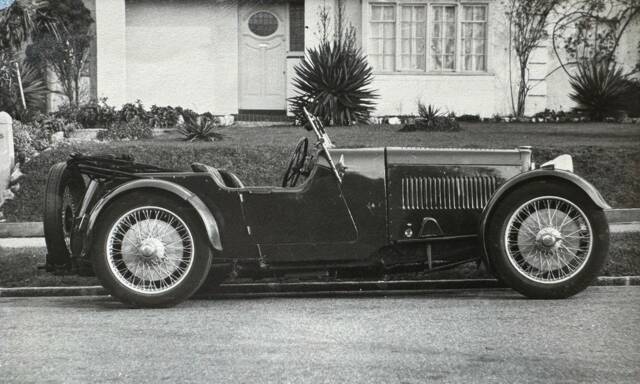
1930 | Aston Martin International
1930 Aston Martin 2/4 International Open Bodied Sports 'Barn Find'
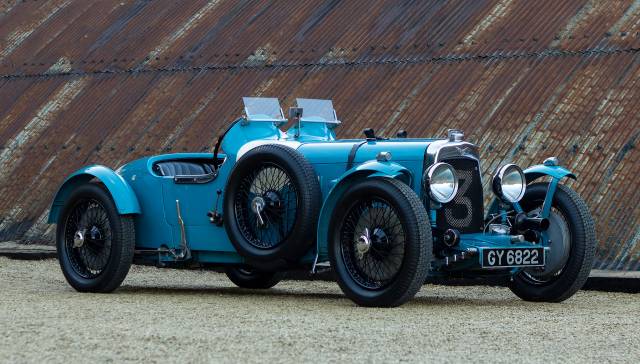
1931 | Aston Martin International
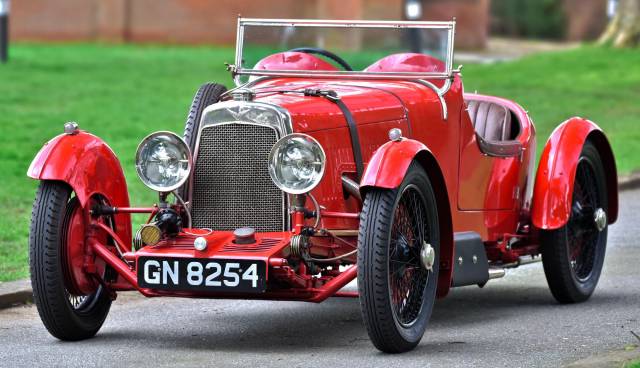
1931 | Aston Martin International
1 1/2 litre, Le Mans
Aston Martin International Classic Cars: Prices & Market Values
Aston Martin International: Origins and Historical Context
Unveiled during the golden era between the world wars, the Aston Martin International traces its lineage to Bamford & Martin’s early vision of motorsport success. The company, founded in 1913 by mechanic Robert Bamford and racing driver Lionel Martin, quickly moved from selling Singer cars to ambitious competition builds. After World War I interrupted operations, new financial backing and the persistent drive of Aston Martin led to breakthrough models throughout the 1920s. In this dynamic period, the International was born—first shown at the 1929 London Motor Show, it signalled a decisive turn towards combining road-going usability with sports prowess. The chassis derived from the 1928 LM model, already recognised for its racing record. The International helped shape Aston Martin’s lasting reputation for building sporting cars with genuine competition DNA.
Model History: Evolutions and Variants of the International
The Aston Martin International took its primary technical cues from the competition-ready LM series, featuring a 1.5-litre four-cylinder engine and advanced dry-sump lubrication. Initially, it could be had as a two- or three-seater roadster or a saloon, meeting the demands of both racers and sporting motorists. Throughout its short production run, the body style and details were tailored for motorsport adaptation, including purpose-built fenders and brake supports. As the collaboration between Aston Martin and Bertelli developed, the International Coupé variant was introduced with a shortened body for improved agility. 1931 saw the arrival of the International Le Mans—a two-seater version intended explicitly for endurance racing. This model would become particularly known owing to feedback from personalities of the period, like Jimmy Nervo, prompting improvements such as additional boot space for practical long-distance use. The transition from the International to the specialised Le Mans series marked a pivotal change in Aston Martin’s approach to sports car design.
Highlights of the Aston Martin International
Distinctive features of the International include its dry-sump-lubricated 1.5-litre engine and sporting chassis, built not just for looks but for competitive use. Notable period references highlight racing red exteriors paired with brown leather interiors, giving the car its recognisably vintage character. Fewer than a handful of Le Mans models were ever built—making authentic, well-documented examples exceptionally hard to find today. The International was often registered for events like the Mille Miglia and is regarded as having matched the speed of contemporaries such as the sporty Bentleys. Its debut at the 1931 Olympia Motor Show cemented its status as a visually and technically arresting pre-war sports car.
Technical Data
Special Editions and Collectible Models
The International Le Mans version, introduced in 1931 and limited to approximately seven units, stands apart for its dedicated two-seat design and enhanced long-distance racing suitability. These cars were tailored based on driver feedback, like improved luggage capacity, and were often registered for prestigious events such as Mille Miglia. Detailed provenance and original features are key highlights for each surviving example.
Engine and Performance, Transmission and Handling
The International’s 1.5-litre engine, paired with a lightweight chassis, offered remarkable agility and speed for the late 1920s and early 1930s. Documents and period drivers describe the model as capable of keeping pace with the era’s renowned sporting Bentleys, making it a preferred choice for long-distance and endurance racing. The dry-sump lubrication improved reliability during sustained high-speed runs. Steering precision and suspension were calibrated for competitive events, while transmission choices allowed for flexibility in both racing and everyday touring. - International Le Mans (notable for limited build run, enhanced long-distance configuration)
- Coupé variant (shortened body providing increased agility for closed-circuit racing)
- Standard roadster and saloon (versatile three-seat and two-seat versions for both competitive and road use)
Interior, Comfort, Exterior and Design
Bodywork was distinctly bespoke, often worked in collaboration with Bertelli and featuring shorter wheelbases or aerodynamic tweaks depending on intended use. Racing red exteriors, period-correct fenders, and brown leather upholstery distinguished the most sought-after examples. Cabin layouts combined sporting utility with tailored vintage elegance—documentation testifies to period-correct detailing in seats, dials, and body fixtures. Models delivered for events such as Le Mans and Mille Miglia were sometimes equipped with special luggage arrangements or adapted bodywork. Accessories and unique coachwork are crucial for authentication and historic value.
Other Relevant Features
The International’s eligibility for prestigious events such as the Mille Miglia elevates its historic and practical significance. Extensive documentation is often available, chronicling competition history, previous ownership, and technical authenticity—vital for collectors and vintage racers alike.
Summary
Produced between 1929 and 1931, the Aston Martin International sits at the intersection of British sporting tradition and competitive innovation. Exceptionally rare, highly documented, and possessing direct motorsport lineage, it exemplifies Aston Martin’s serious engagement with pre-war endurance racing. Rarity, performance, bespoke craftsmanship, and proven event eligibility make the International a distinct highlight in the history of British sports cars.