- Car
- Aston Martin
- Aston Martin 2 Litre (1 offer)
Aston Martin 2 Litre Classic Cars for Sale
The Aston Martin 2 Litre delivers an early snapshot of British motorsport ambition, blending competition-proven engineering with period-specific design. Produced initially for racing, these cars echo the transition of Aston Martin under Bert Bertelli’s technical leadership, and showcase the origins of the marque’s signature features. Discover original and converted variants, often accompanied by exceptional documented histories.
Search results
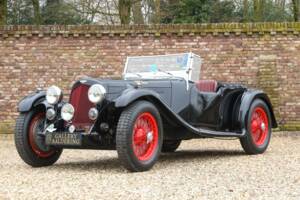
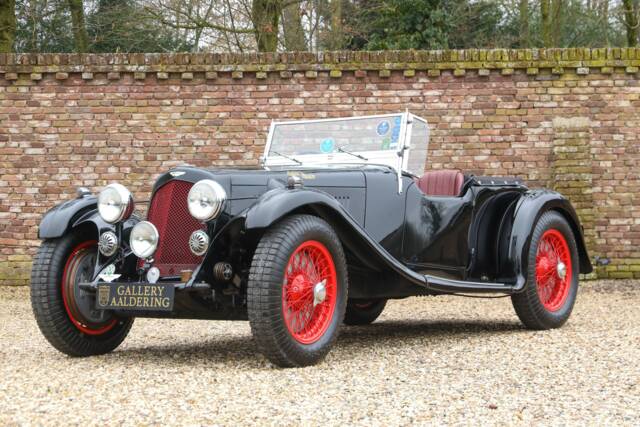
1937 | Aston Martin 2 Litre Speed Model
Aston Martin 2 Litre Speed Model "Still carrying Bertelli's coachwork" Registered for Mille Miglia 2026, This is 1 of 23 chassis build for Le Mans 24h 1936, Never restored but preserved - "Still carrying Bertelli's coachwork", Experience in various 1000 Miglia races since 2018 - Accepted into the MM Registro, Offered with comprehensive history file, Refurbished and maintained by renowned specialists,

Aston Martin 2 Litre Classic Cars: Prices & Market Values
History of the Aston Martin 2 Litre
The Aston Martin 2 Litre traces its roots to the late 1920s, a defining period for the company. After Bamford & Martin Ltd. was taken over by Augustus "Bert" Bertelli in 1926, the focus shifted towards motorsport success and technical innovation. The LM-series cars—including the pivotal LM1, which debuted at the 1928 24 Hours of Le Mans—represented Aston Martin's dedication to international racing credibility. Building on the platform of earlier 1.5-litre competition cars, the 2 Litre models benefited from Bertelli’s advanced approach to chassis dynamics and drivetrain engineering. Their historical usage in renowned reliability trials such as Land’s End, Exeter, and Edinburgh further cemented their standing among period motorsport entries.
Model History
The model evolution started with the LM1, Aston Martin’s first competition vehicle, followed by subsequent LM-series cars that retained a consistent focus on lightweight design and technical advancement. Predecessors used 1.5-litre dry sump engines, which were progressively upgraded, including retrofitting with 2-litre powerplants. Vehicle versatility was a hallmark of the series, with several chassis built for pure competition but later adapted with body modifications—such as conversion to 2/4-seater arrangements—for broader usability. This lineage forged the technical and conceptual groundwork for subsequent post-war Aston Martin sports cars.
Highlights and Features
The 2 Litre models stood at the crossroads of racing purpose and early road car usability. Advanced features at the time included dry sump lubrication, lightweight construction, and a chassis tailored for both the circuit and challenging cross-country events. Notably, the Egyptian-inspired falcon wing insignia made its first appearance here, setting a lasting mark on Aston Martin branding. Many vehicles from this era retain detailed period history, often accompanied by thorough documentation and photographic records.
In terms of market dynamics, 100% of the currently offered and viewed Aston Martin listings in this classic segment relate to the 2 Litre, indicating an exceptionally singular focus within this make and model group.
Technical Data
Special Editions and Collectible Models
Noteworthy are the LM-series cars (LM1 and subsequent variants), each representing bespoke builds for named endurance races. Many have individual racing histories tied to major events like Le Mans, Lands End, Exeter, and Edinburgh. Period modifications—such as motor swaps to 2-litre engines or conversion to different seating configurations—are historically significant and highly documented.
Engine and Performance, Transmission and Handling
Initially engineered for competitive reliability trials and 24-hour racing, the 2 Litre offers direct steering, robust drivetrain design, and a suspension package optimised for endurance. The dry sump system and chassis tuning provided advantages on rough or variable surfaces. Retrofitted 2-litre engines increased power output while retaining the original racing pedigree. Despite vintage charm, handling remains authentic to pre-war sportscar dynamics—mechanically communicative, requiring driver intuition, and rewarding precise input. - LM1: First competition model, introduced at Le Mans 1928.
- Upgraded 2-litre variants: Notable for increased displacement and improved performance while maintaining period-correct engineering specifications.
Interior, Comfort, Exterior and Design
Early 2 Litre Aston Martins exhibit an uncompromising racer aesthetic—spartan cabins focused on weight reduction, durable and simple materials, and instrument layouts optimised for legibility during trials. Exteriors are function-first, prioritising airflow and modularity. The falcon winged badge first appeared on this series, later becoming an integral part of Aston Martin’s identity. Custom coachwork and conversion between seating arrangements were common, reflecting both the needs of competition entrants and the growing interest in all-purpose sports cars.
Other Relevant Features
Many surviving examples come with extensive period documentation and provenance, frequently enriched by period photographs and event histories. The Feltham Works, Aston Martin’s facility at the time, played a continuing role in development and aftersales modification, highlighting the brand’s dedication to ongoing vehicle evolution.
Summary
The Aston Martin 2 Litre represents a pivotal chapter in the brand’s motorsport and engineering history, blending advanced technical development with distinctive design elements. All known current classic market listings for Aston Martin focus exclusively on this model, underscoring its unique status. Classic car enthusiasts will find a compelling combination of well-documented history, technical ingenuity, and pure driving engagement in the 2 Litre series.