- Car
- Arnolt-Bristol (2 offers)
Arnolt-Bristol Classic Cars for Sale
The Arnolt-Bristol unites British engineering, Italian design, and American entrepreneurial spirit in a unique road and race car. With only around 130 produced and even fewer surviving, this model offers rare technology, a compelling racing pedigree, and distinctive Bertone styling.
Search results


1954 | Arnolt-Bristol The Bolide
Arnold Bristol Bolide roadster S0013 - M1235

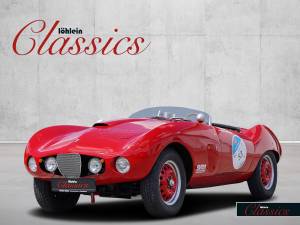
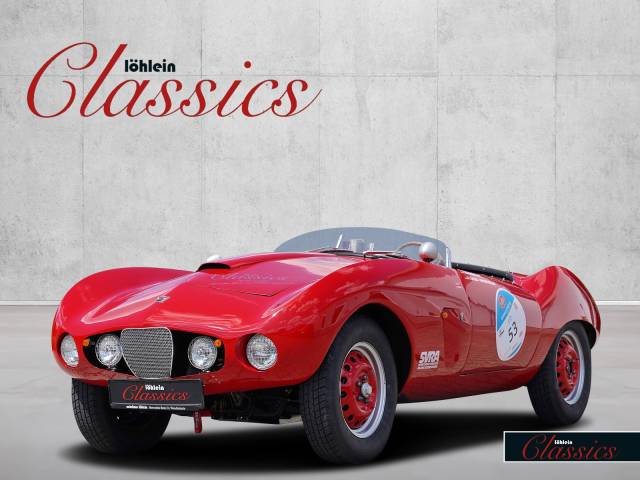
1955 | Arnolt-Bristol The Bolide
Baunummer 5 von 130 gebauten Fahrzeugen, mit Stassenzulassung!

Arnolt-Bristol listing references from Classic Trader
Below you will find listings related to your search that are no longer available on Classic Trader. Use this information to gain insight into availability, value trends, and current pricing for a "Arnolt-Bristol" to make a more informed purchasing decision.
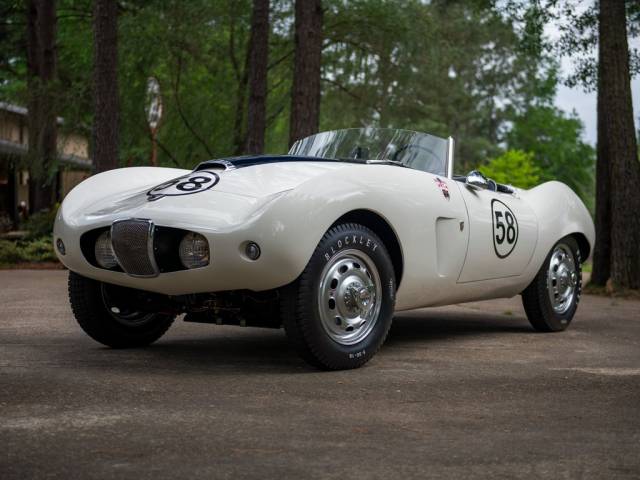
1954 | Arnolt-Bristol The Bolide
1954 Arnolt-Bristol Bolide Works Roadster by Bertone

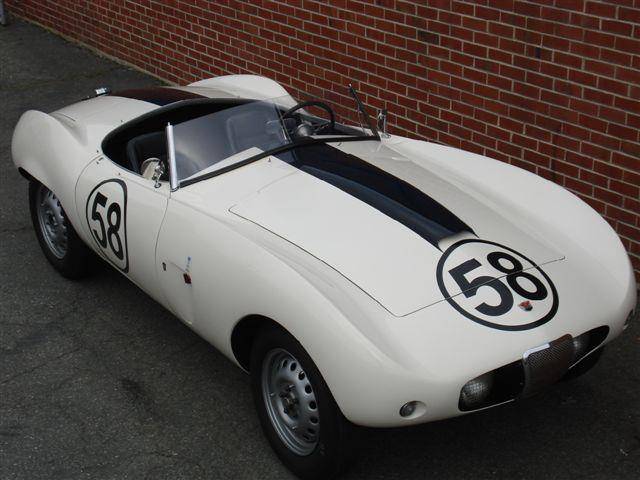
1954 | Arnolt-Bristol The Bolide
History of the Arnolt-Bristol
Stanley H. Arnolt II, a Chicago industrialist and importer of British cars, was the driving force behind the Arnolt-Bristol. After being inspired by Bertone’s craftsmanship during a 1952 visit to Italy, he collaborated with Bertone and Bristol to create a new sports car. The car combined the Bristol 404 chassis with a Franco Scaglione-designed body, crafted in Turin. Final assembly took place in Indiana. Only about 130 units saw production between 1954 and roughly 1963, with a number lost to a warehouse fire in Chicago. The cars were rare from the start, with prices in the mid-1950s ranging from $3,995 to $5,995 depending on version. The Arnolt-Bristol enjoyed competitive success in American endurance racing, notably class wins at Sebring and participation at Le Mans, but the project ended after the death of works driver Bob Goldich at Le Mans 1955. Today, around 90 examples are reported to survive, many seen at historic motorsport events and concours.
Model Series Overview
Four main variants make up the Arnolt-Bristol series: the Competition (stripped racer), the Bolide (with extra equipment), the Bolide Deluxe (side windows, folding top, and refined interior), and the rare Coupé (only six built, featuring pop-up headlights). The vehicle was based on the Bristol 404 chassis and powered by a straight-six engine derived from the prewar BMW 328. Virtually all cars shared the same mechanical underpinnings, but each hand-built example displays subtle differences due to Bertone’s artisanal manufacturing process.
Notable Features and Market Data
The Arnolt-Bristol distinguishes itself as a true European-American hybrid: Bertone’s curves, Bristol’s mechanical integrity, and US-driven initiative. The aluminium and steel body was individually tailored, giving each example unique details. The cars’ motorsport record is proven, with Sebring class wins (1955, 1956, and 1960) and significant participation in major events such as the Mille Miglia and Le Mans. Exclusivity is assured—according to supply statistics, Arnolt-Bristol makes up 100% of listings and demand for the marque on Classic Trader, reflecting its only model and unparalleled rarity.
Technical Data
Special Editions and Rare Variants
The Arnolt-Bristol Coupé stands as the rarest variant, with only six finished. Special attention also goes to two lightweight aluminium-bodied show cars built for exhibitions. Each version—from the barebones Competition to the luxuriously appointed Deluxe—brought unique features, such as bespoke Connolly leather interiors in higher trims and a choice of colours and options when new.
Engine, Transmission, and Handling
A two-litre, inline-six of Bristol origin (rooted in the BMW 328 engine) powers every Arnolt-Bristol, delivering strong linear acceleration and a characterful powerband. The hemispheric combustion chamber and inclined valves mark out the advanced engineering, though the engine uses pushrods rather than overhead cams. Combined with lightweight bodywork and the Bristol chassis’ superb balance, handling is responsive and communicative—crucial for racing use. The manual four-speed and drum brakes are robust, though braking performance reflects period technology. The cars’ motorsport record—occupation in Sebring, Le Mans, and the Mille Miglia—validates their credentials on track. - Arnolt-Bristol Competition: Stripped for motorsport, minimal trim
- Arnolt-Bristol Bolide: More comfort and road trim
- Arnolt-Bristol Bolide Deluxe: Connolly leather, side glass, soft top
- Arnolt-Bristol Coupé: Six made, with hardtop and pop-up lights
Interior, Comfort, Exterior, and Design
Designed by Franco Scaglione at Bertone, the Arnolt-Bristol’s body features pronounced, flowing curves, minimal overhangs, and classic sports-cab proportions. Coachbuilding meant each car had individual body quirks. Some cars sported bespoke paint choices or rare special touches; Deluxe models offered Connolly leather interiors and higher trim fidelity. The Coupé variant added sophistication with pop-up headlights and a closed roof. Accessories and special equipment varied by owner specification, commonly including unique interior detailing and color-matched elements. The Arnolt-Bristol badge—a red-winged Pegasus within a large ‘A’—visually underscores the car’s international pedigree.
Other Notable Features
Each Arnolt-Bristol, as a hand-built car, shows minor differences and bespoke elements added at delivery or during later life. Due to their motorsport focus, many cars feature modifications for racing or endurance use, and some retain original period features from events like Sebring or Mille Miglia. Surviving cars often carry rich histories and documentation from these exploits.
Summary
The Arnolt-Bristol combines British mechanical reliability, Italian design refinement, and road-racing credentials, all brought together by S.H. Arnolt’s vision. Rarity, authentic hand-craftsmanship, and a well-documented motorsport past ensure the Arnolt-Bristol’s lasting fascination among collectors and historic race enthusiasts alike.