Triumph TR 7 Classic Cars for Sale
The Triumph TR7 stands out with its distinct wedge-shaped design and pop-up headlights, offering both coupe and convertible bodies, rear-wheel drive, and a robust four-cylinder engine—making it a favourite among British sports car enthusiasts and restoration fans.
Search results
Currently, there are no matching listings for your search.
Create search alert
Let yourself be notified as soon as a listing is published that matches your search filters.
Create listing
Do you have a Triumph TR 7 that you want to sell? Then create a listing now.
Create listingTriumph TR 7 listing references from Classic Trader
Below you will find listings related to your search that are no longer available on Classic Trader. Use this information to gain insight into availability, value trends, and current pricing for a "Triumph TR 7" to make a more informed purchasing decision.
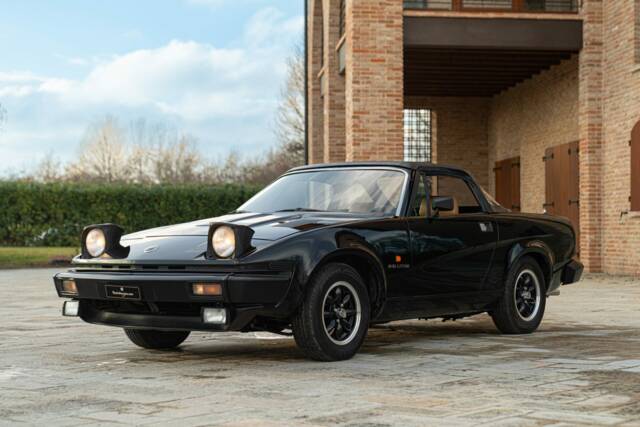
1981 | Triumph TR 7 Europa
Triumph TR7

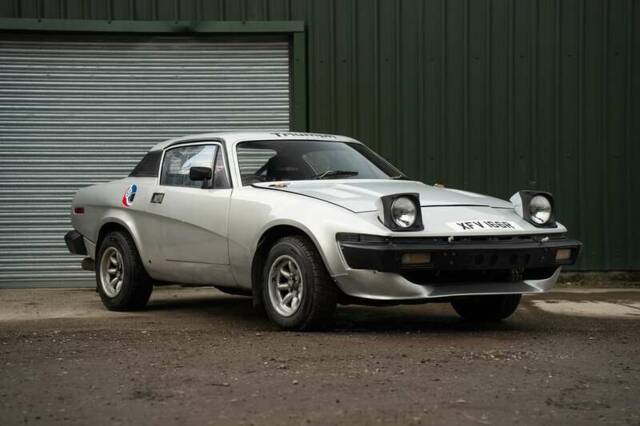
1977 | Triumph TR 7 Europa
1977 Triumph TR7 V8 - Works Shell

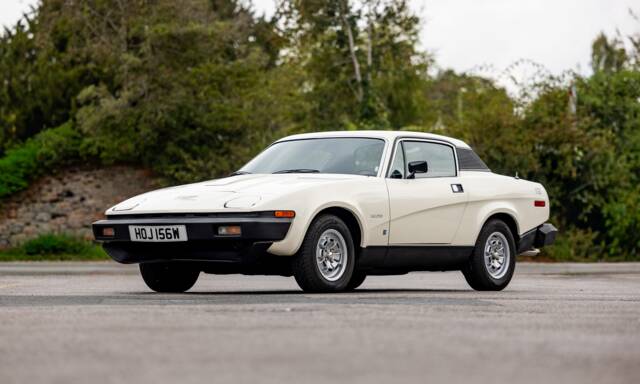
1981 | Triumph TR 7 Europa
1981 Triumph TR7 V8 Development Car
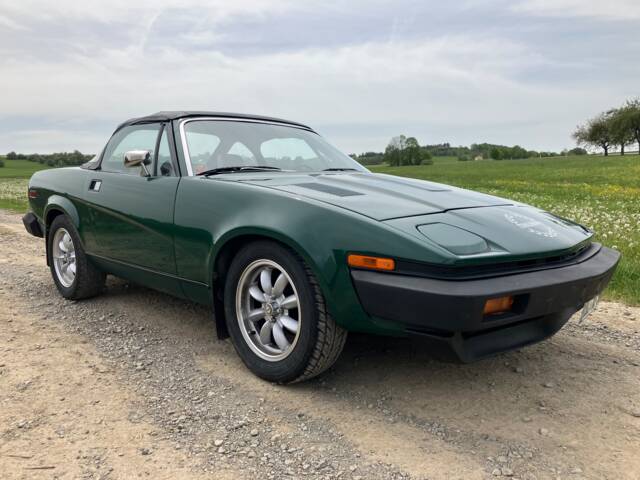
1979 | Triumph TR 7 USA
TR7, mit Liebe und Sachverstand restauriert

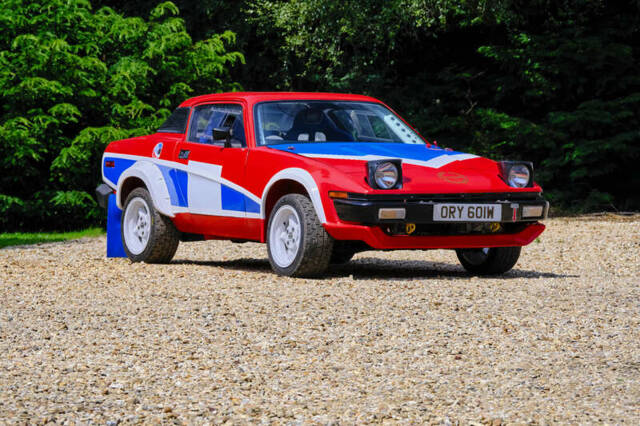
1981 | Triumph TR 7 Europa
1981 Triumph TR7 V8 Rally Car
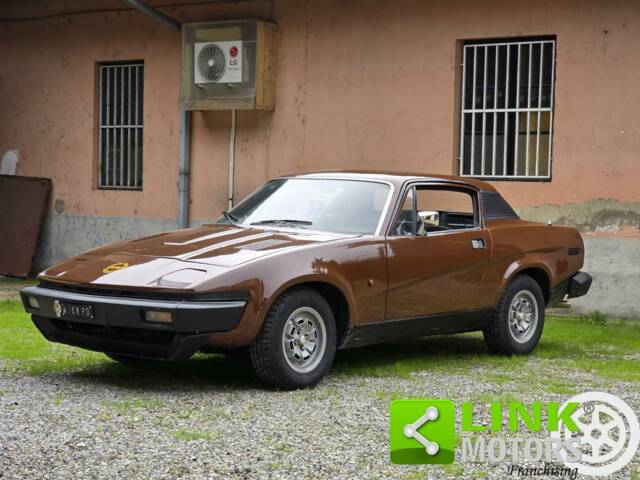
1977 | Triumph TR 7 Europa
TRIUMPH TR7 ASI TARGA ORO
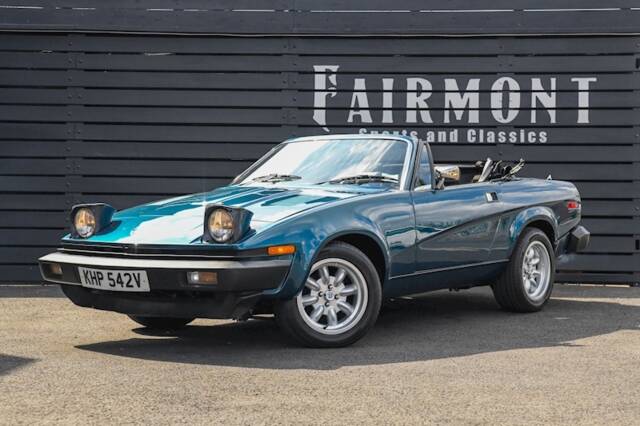
1980 | Triumph TR 7 USA
Triumph TR7 V8
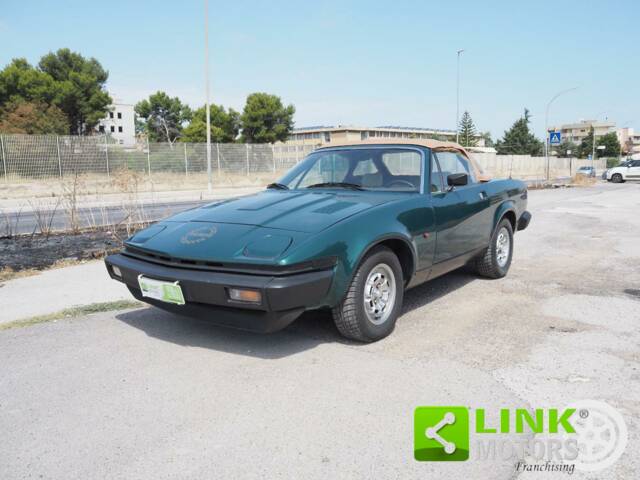
1981 | Triumph TR 7 Europa
TRIUMPH TR7 2.0 Cabrio
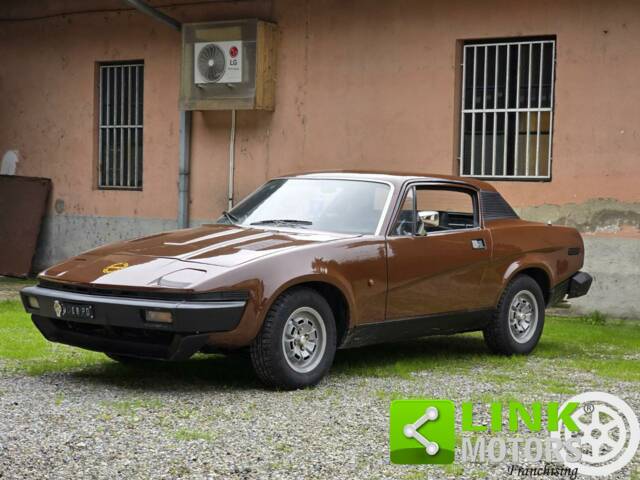
1977 | Triumph TR 7 Europa
TRIUMPH TR7 ASI TARGA ORO
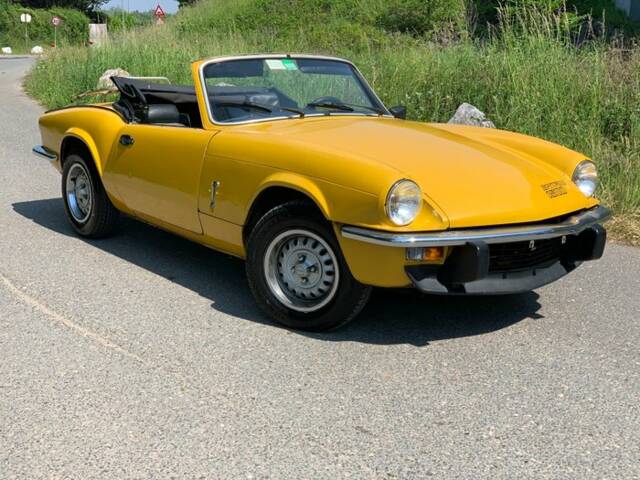
1981 | Triumph TR 7 Europa
Triumph - Spitfire 1500 - 1981

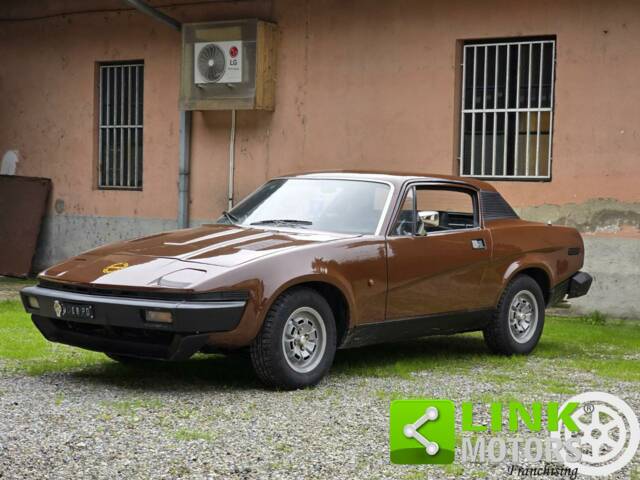
1977 | Triumph TR 7 Europa
TRIUMPH TR7 ASI TARGA ORO
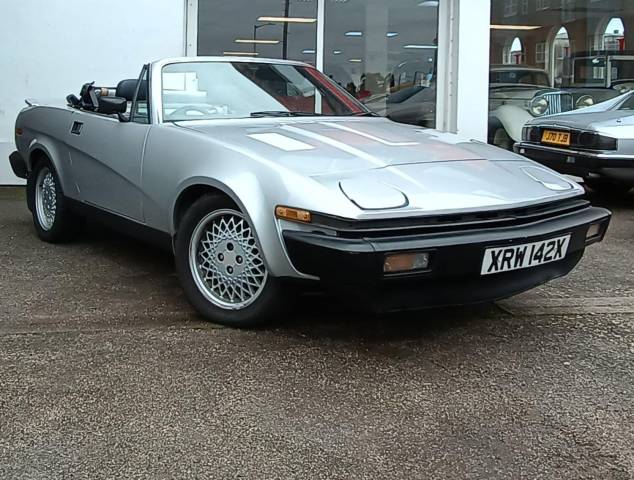
1981 | Triumph TR 7 Europa
TRIUMPH TR7 V8 Conversion 1981 Manual Petrol
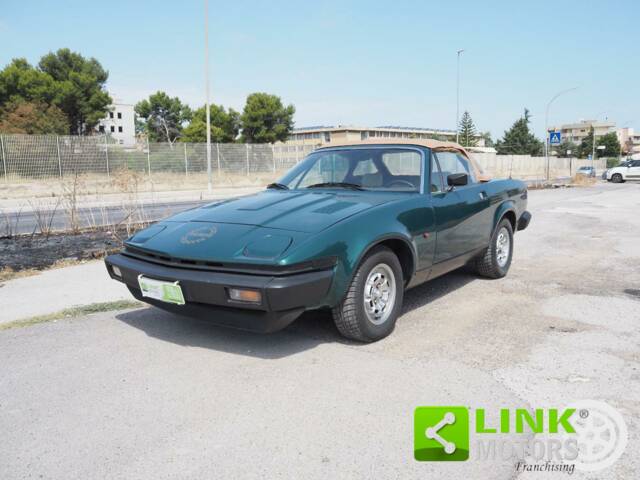
1981 | Triumph TR 7 Europa
TRIUMPH TR7 2.0 Cabrio
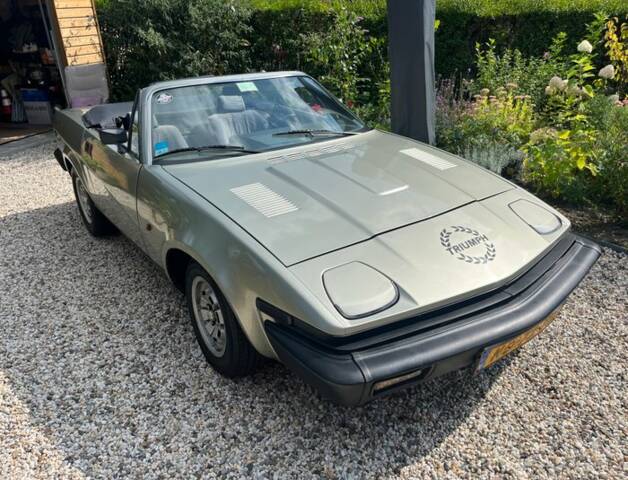
1980 | Triumph TR 7 Europa
Triumph - TR7 Convertible - 1980
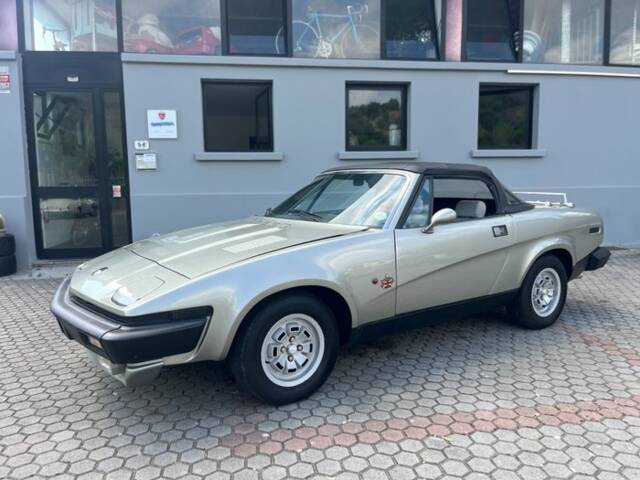
1980 | Triumph TR 7 Europa
Triumph - TR7 - 1980
Create search alert
Let yourself be notified as soon as a listing is published that matches your search filters.
Create listing
Do you have a Triumph TR 7 that you want to sell? Then create a listing now.
Create listingTriumph TR 7 Classic Cars: Prices & Market Values
The market value of Triumph TR 7 classic cars is primarily determined by technical condition, originality and mileage, as well as rarity, history and documentation. A well-maintained, largely original vehicle with low, verifiable mileage and complete history including appraisals and documentation typically achieves significantly higher prices than a comparable vehicle with deferred maintenance, many modifications or unclear provenance.
Triumph TR 7: Market Prices & Value Trends
Based on Classic Trader marketplace sales data from February 2021 to November 2025, the Triumph TR7 market looks broadly stable, with a modest firming in the most recent 12 months as better-presented cars appear at higher asking levels. Most examples in the dataset are late-1970s to early-1980s TR7s (1976–1982), split between “Europa” and “USA” specifications, and pricing is clearly condition-led rather than purely year-led. Ignoring clear outliers at the very bottom and top end, realistic current values typically sit in the £6,000 to £13,000 bracket, with many transactions clustering around £7,000–£10,000 across the UK and mainland Europe (notably Italy, the Netherlands and Germany). Cheaper cars around £2,000–£4,000 tend to indicate project status, while stronger prices above £15,000 are usually tied to exceptional presentation, provenance, or higher-spec examples. For buyers, this means a relatively accessible entry point into classic British sports cars; for sellers, well-documented, rust-free TR7s are the ones most likely to command the market’s upper-middle range.
History of the Triumph TR 7
Launched in 1975 by British Leyland as the successor to the universally admired TR6, the Triumph TR7 represented a radical departure from Triumph’s previous roadsters. Its unitary construction and angular lines by designer Harris Mann were a direct response to tightened US safety standards, the model’s initial key market. The TR7 was first sold exclusively as a coupe, with the convertible (Drophead) following in 1979. Though the wedge shape divided opinion, the car achieved significant success in the States, delaying its European introduction until 1976. Production concluded in 1981, by which time the TR7 had become Triumph’s best-selling model, with an estimated 115,000 units produced, including the more powerful TR8 variant reserved mainly for the US.
Model History
The TR7 broke away from Triumph’s traditional design language, moving to a hard-edged coupe layout. Its predecessor, the TR6, was a classic roadster prized for its classic lines, while the TR7’s sharp styling marked a new era. Updates during its lifespan included interior material upgrades in 1977-78 and the long-awaited convertible variant. Planned variants such as higher-performance models and additional body styles were hindered by industrial unrest and financial troubles in Britain at the time. The high-performance, V8-powered TR8 debuted in 1980, strictly for the US market. After TR7 production ended in 1981, no direct successor followed, marking the end of the TR sports car line.
Highlights of the Triumph TR 7
The TR7 is best known for its distinct wedge shape, pop-up headlights, and diverse colour palette including British Racing Green, Brooklands Green, and metallic blue. Its body, available as either coupe or cabriolet, stands out for self-supporting steel construction. The interior featured colour-matched vinyl seats, a full instrumentation dashboard, and practical touches like a heated rear window and plethora of storage options. Other features of note include the optional five-speed gearbox, disc brakes at the front, and a versatile list of factory extras such as tonneau covers and rear luggage racks.
Technical Data
Special Editions and Collectible Models
Special editions of the TR7 include promotional variants for Coca-Cola and Levi’s, featuring unique paintwork and interiors as prizes during marketing campaigns. The TR8, with its 3.5-litre V8 engine, stands as the most prominent variant, although produced in limited numbers for the US market. Some motorsport TR7s were built with the 16-valve Dolomite Sprint engine, and a handful of high-performance models reached customers. Convertible and US-specific models with tailored equipment and emissions modifications further diversify the range.
Weak Spots and Common Issues
Potential buyers should carefully inspect for rust, especially on sills, wheel arches, and boot floor, as these are known weak points. The clutch can be sensitive, requiring regular inspection and timely maintenance. On the positive side, the TR7’s straightforward construction means most components are accessible and affordable, with parts widely available—making it an approachable restoration candidate. Documentation varies depending on market and original delivery, with UK and US models often differing in details.
Engine and Performance, Transmission and Handling
The Triumph TR7 delivers energetic performance thanks to its 2.0-litre engine, achieving up to 177 km/h in European specification. US-market models were retuned for emissions, resulting in 92 PS and slightly diminished response. Early models had a four-speed gearbox, later joined by a five-speed for better cruising capabilities, especially sought after by touring fans. Steering is direct through rack-and-pinion, with predictable handling due to rear-wheel drive and a balanced chassis. The suspension—McPherson struts and a live rear axle—offers compliant yet sporting dynamics typical of period British sports cars. Disc brakes on the front help provide sufficient stopping power, while the car’s relatively low weight keeps handling lively. - Coupé (1975–1981), favoured for its purity and wedge profile.
- Convertible (1979–1981), popular for open-air driving enjoyment.
- TR8 (V8-powered, 1980–1981), sought after by performance fans, especially in the US.
Interior, Comfort, Exterior and Design
Harris Mann’s design shaped the TR7 into a car instantly recognisable by its angular front, sloping bonnet, and abruptly truncated rear. Pop-up headlights emphasize the modern theme. The interior, primarily trimmed in coloured vinyl with matching door cards and carpets, includes distinctively shaped bucket seats with adjustable head restraints. Interior accessories such as the centre console, multiple gauges (including voltmeter, clock, and tachometer), original radios, electric clocks, and in some instances, air conditioning, underline the car’s intent to blend comfort with functionality. Factory colour options ranged from British Racing Green and Brooklands Green to metallic blues, reds, and classic white, with some promotional and limited-run colours for marketing campaigns. Additional desirable features: heated rear screens, tonneau covers, luggage racks, and, on occasion, rare alloy wheel sets.
Other Features
The TR7 was a British cultural mainstay, appearing in television shows like ‘The Avengers’ and in period toy versions. Motorsport efforts spanned from 1976 to 1980, with rally-prepped TR7s (and later TR8s) making appearances at events such as the Ypres Rally, achieving modest success. A failed attempt to license production to DeLorean post-1981 adds to its complex backstory.
Summary
The Triumph TR7 is a British sports car that courts both enthusiasts and collectors with its striking wedge design, solid mechanicals, and memorable period details such as pop-up headlights and diverse factory options. Its reputation for accessible restoration and lively driving ensure continued interest, reflected in its share of Triumph model supply and demand today.