Renault R 8 Classic Cars for Sale
The Renault R 8 stands out among classic saloons with its rear-engine layout, robust mechanics, and motorsport pedigree—especially the desirable Gordini variant. Built between 1962 and the mid-1970s, the R 8’s engineering and model variety attract enthusiasts interested in motorsport and hands-on restoration.
Search results
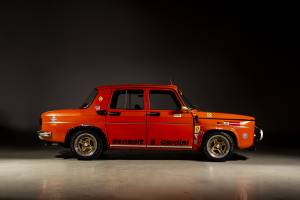
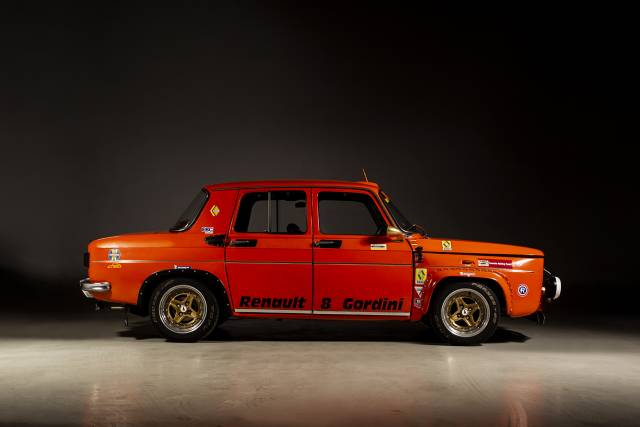
1975 | Renault R 8 Gordini
RENAULT 8 TS GORDINI “RECREATION”.

Renault R 8 listing references from Classic Trader
Below you will find listings related to your search that are no longer available on Classic Trader. Use this information to gain insight into availability, value trends, and current pricing for a "Renault R 8" to make a more informed purchasing decision.
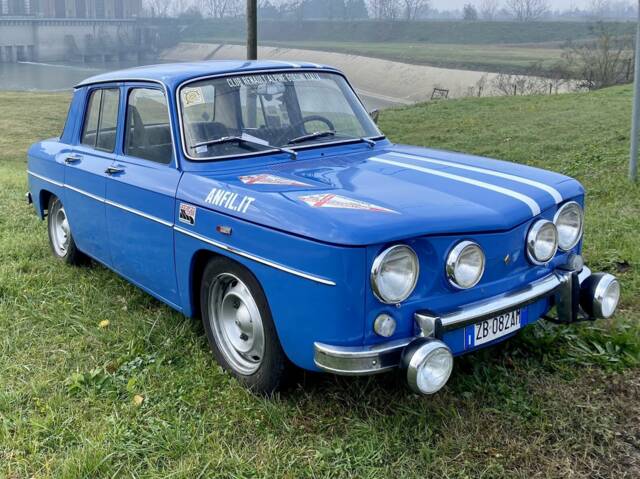
1967 | Renault R 8 Gordini
Renault 8 Gordini | 1967 | Route 66 Auctions - For sale by auction. Estimate 20500 EUR

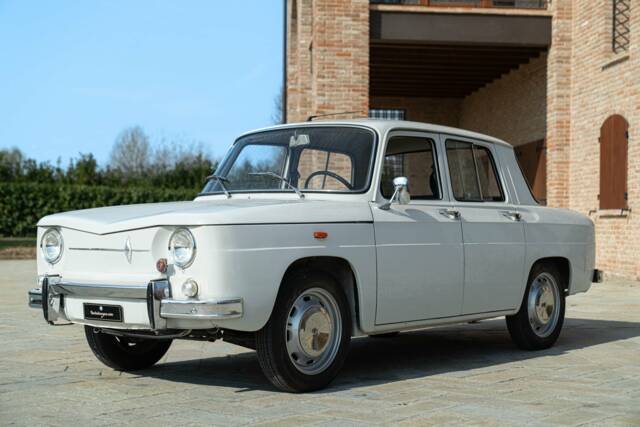
1967 | Renault R 8 Major 1100

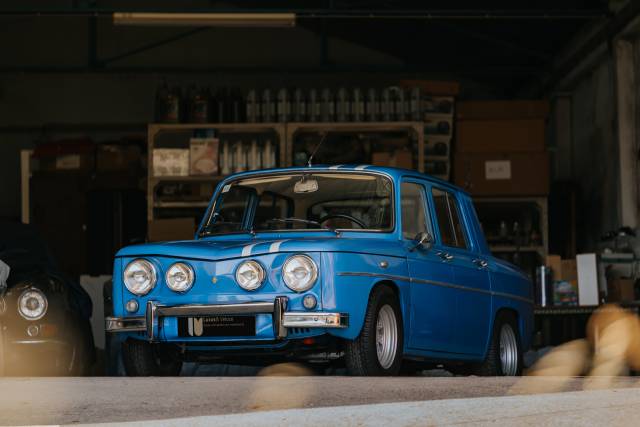
1968 | Renault R 8 Gordini
1968 Renault 8 Gordini 1300 -105Hp – 5 Speed - Never Restored!

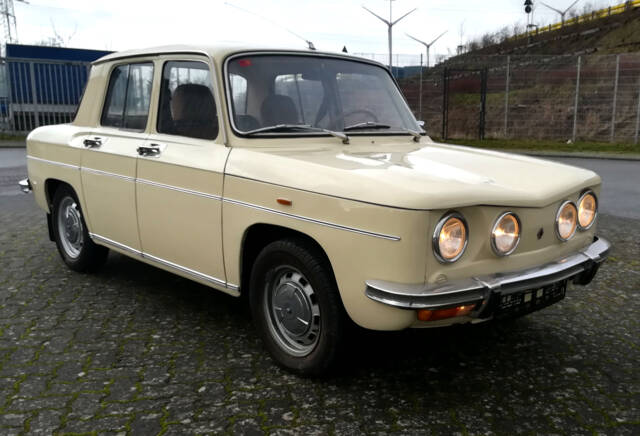
1973 | Renault R 8 Major 1100
R8 Gordini-Optik

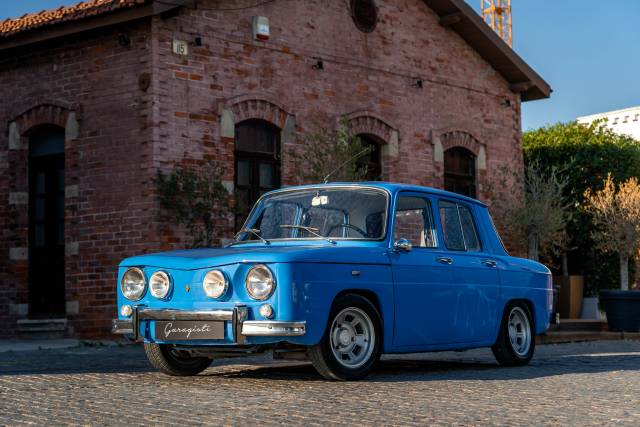
1972 | Renault R 8 S
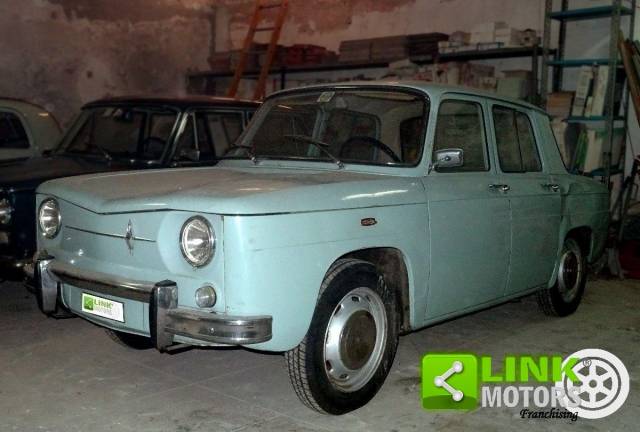
1968 | Renault R 8 S
RENAULT 8 1100cc (1968) CONSERVATO NON RESTAURATO
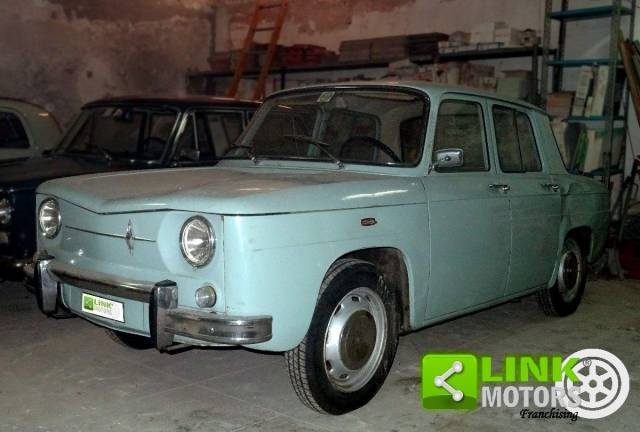
1968 | Renault R 8 S
RENAULT 8 1100cc (1968) CONSERVATO NON RESTAURATO
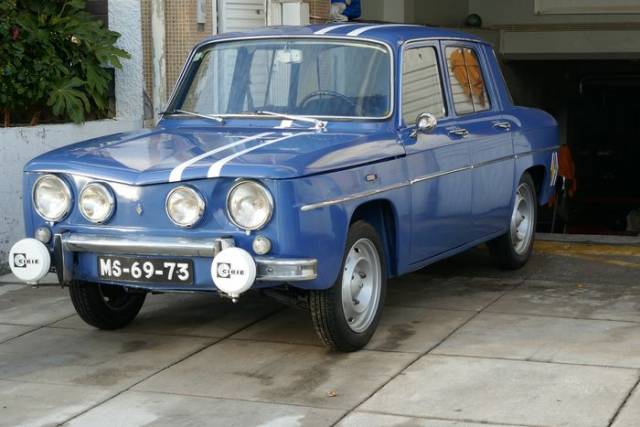
1972 | Renault R 8 Major 1100
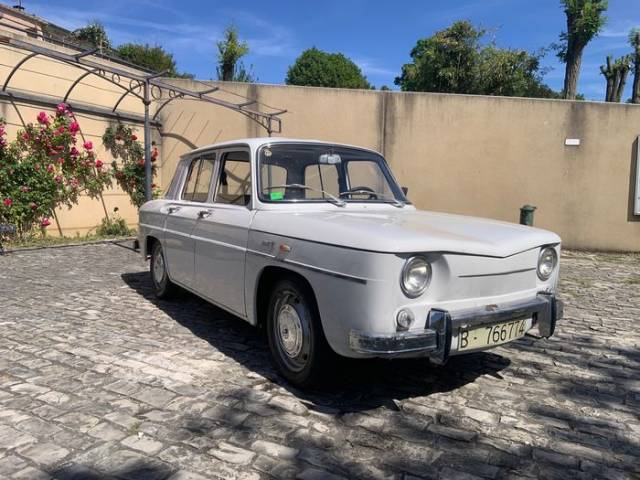
1970 | Renault R 8
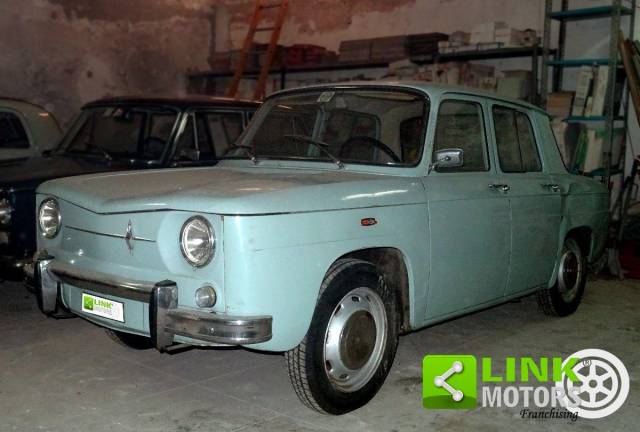
1968 | Renault R 8 Major 1100
RENAULT 8 1100cc (1968) CONSERVATO NON RESTAURATO
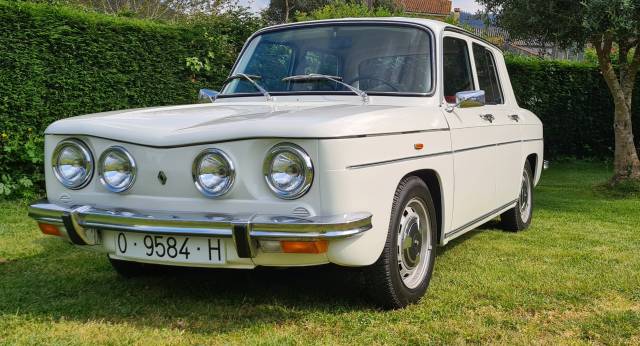
1973 | Renault R 8
Renault 8
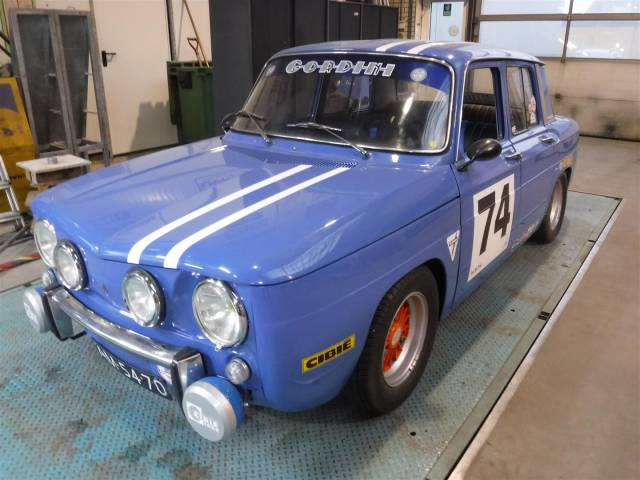
1969 | Renault R 8 Gordini
Renault -Gordini Rally
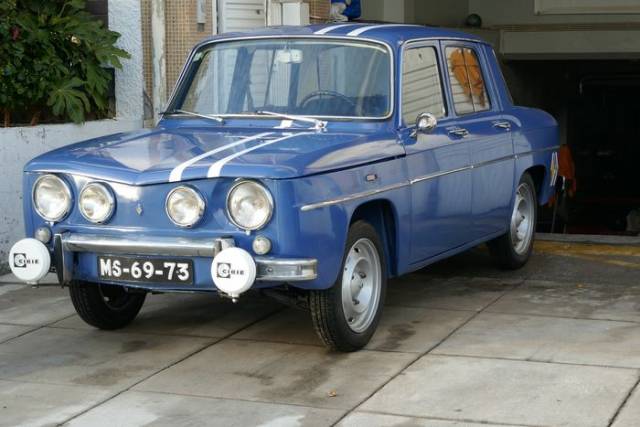
1972 | Renault R 8 S
Renault R 8 Classic Cars: Prices & Market Values
History of the Renault R 8
When Renault introduced the R 8 in 1962, it marked a move away from the Dauphine, although the two models briefly overlapped. Designed under Philippe Charbonneaux, the R 8 arrived with a rear-mounted, longitudinal inline-four 'Sierra' engine and independent suspension on all four wheels—unusual for its class at the time. The saloon’s simplicity, with a functional interior featuring hardwearing materials, reflected a focus on practicality and longevity. With its four-speed manual gearbox (upgraded from three in 1963) and optional automatic, the R 8 also offered more flexibility than many contemporaries. Over its production run, the engine size grew from the original 956cc to larger capacities, culminating in the performance-oriented Gordini variants. In total, over 1.3 million R 8s left the production line in France, Spain, and other countries until the series ended without a direct successor after 1973.
Model History
The R 8’s legacy began as the intended replacement for the successful Dauphine. Eventually, Renault diversified the range beyond the standard saloon, introducing the R 8 Major (with a more powerful engine and better trim) and the R 8 S, a sportier variant built briefly from 1969. The high point of the R 8 lineage is the Gordini, which evolved through two generations and set new standards for sporting saloons. With no direct successor after production ended, the R 8's unique rear-engined formula was not continued in later Renault saloons, making it a distinct chapter in the brand's story.
Highlights of the Renault R 8
The Renault R 8’s technical layout—rear engine, rear-wheel drive, and robust mechanicals—made it stand out against mainstream European rivals with front-mounted engines. The most celebrated version is the Gordini, a rally-bred saloon conceived by Amédée Gordini. With blue paintwork and distinctive stripes, it often outperformed rivals such as the Mini Cooper S in period competition, aided by its torquey 1,108cc or later, 1,255cc engines and aluminium wheels. The interior, especially on early cars, featured simple but serviceable instrumentation and a robust dashboard. Alongside the motorsport-ready Gordini, the 8 Major and 8 S offered further variation, with the Major featuring a stronger engine and the S providing a more performance-focused package for the road.
Technical Data
Special Editions and Collectible Models
The highlight among special editions is the Renault 8 Gordini (1964–1970), with approximately 12,000 produced. Early Gordinis offered a 1,108cc engine (95PS), advancing to a 1,255cc unit (105PS) for even stronger performance. Distinctive for their Gordini blue paint, white racing stripes, and extra headlamps, these saloons were designed for motorsport yet remained practical for family use. Other limited and performance-focused models include the rare R 8 S and the R 8 Major, the latter notable for its scarcity in German-speaking markets.
Weak Spots and Common Issues
As with many classics from the era, routine care is essential. The R 8 benefits from robust mechanicals, but wear items such as steering gaiters, shock absorbers, spark plugs, and ignition points require regular inspection and periodic replacement. Rust protection is basic, so attention to bodywork—particularly sills, underbody, and suspension mounting points—is crucial. Original interiors, particularly vinyl and cloth upholstery, may show wear, but replacements and restoration parts remain accessible, assisted by the R 8’s simple construction.
Engine, Performance, Transmission and Handling
With its low weight, rear engine, and independent suspension, driving the R 8 is engaging and direct, particularly in the sportier S and Gordini versions. Most models used a four-speed manual gearbox, though the Gordini gained a five-speed. The baseline engine delivered usable power for daily use, while Gordini models pushed performance further—matching and sometimes surpassing rivals like the Mini Cooper S. The handling, with more weight over the driven rear axle, is unique for this class, rewarding skilled drivers on twisty roads and in motorsport.
Popular Models:
- Renault 8 Gordini 1108: 1,108cc engine, 95PS, rally specification.
- Renault 8 Gordini 1255: 1,255cc engine, 105PS, five-speed manual, improved brakes and handling.
- Renault 8 S: Briefly built, 1,108cc, 145km/h top speed.
- Renault 8 Major: Stronger engine, more comfort, scarce in Central Europe. undefined
Interior, Comfort, Exterior and Design
Styled by Philippe Charbonneaux, the R 8’s squarish body and practical saloon layout were distinctive at debut, designed to provide maximum space within compact dimensions. Interior materials are functional, often vinyl or simple cloth, with classic roof liner and robust dashboard. Iconic details on the Gordini include blue paintwork, white stripes, and additional spot lamps; wheels could be steel or lightweight alloys (such as Gotti rims for competition use). Factory colour choices ranged from plain whites (e.g., RE-355) to the famous Gordini Blue. Accessory options on the R 8 included extra lights, sports wheels, and rally trim. The base model is sparse but practical; performance variants score with driver-centric equipment.
Other Features
The R 8 was easily adaptable for historic motorsport and rallying thanks to its strong platform and availability of performance upgrades. Its modular, straightforward construction ensures parts supply remains healthy, making restoration projects accessible even as values climb. French and Spanish-manufactured cars may show regional differences in trim and equipment; buyers should check chassis numbers for authenticity, especially on Gordini and S models.
Summary
The Renault R 8 is a standout proposition in the classic car world, with a motorsport pedigree, a rare combination of rear-engine engineering and saloon practicality, and extreme model diversity. Its enduring appeal—fortified by limited-production editions like the Gordini—continues to draw hands-on enthusiasts and historic racing fans. Careful examination and targeted maintenance unlock a rewarding ownership experience, with restoration and upgrade potential supported by a loyal enthusiast base.