Panhard Dyna classic cars for sale
The Panhard Dyna, produced by the historic French manufacturer Panhard, stands out for its innovative engineering, aluminium construction, and lightweight philosophy. As a representative of post-war automotive ingenuity, it remains a rare sight and a unique experience for collectors and classic car enthusiasts.
Search results
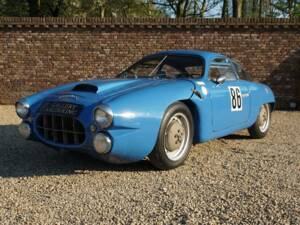
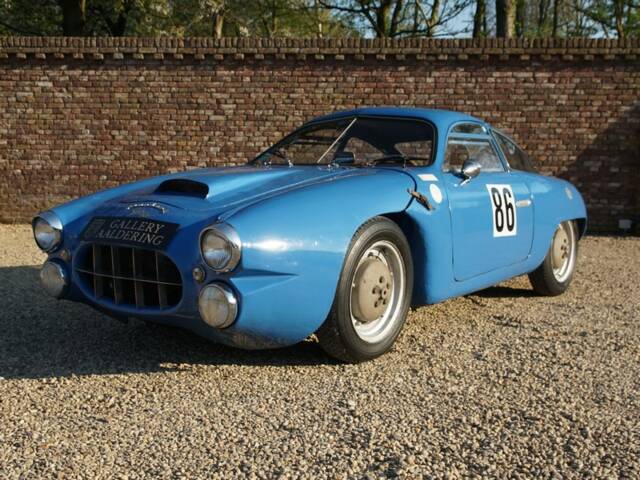
1954 | Panhard Dyna 120 Spider X 86
Panhard X86 Dolomites Pichon-Parat Competitor in the 1954 Tour de France ("Automobile"), Unique and transparent race-history, One of the first Dolomites built, Well-known Panhard in the marque-scene, Eligible for many historic "race"-events, Owned by several "known" collectors, Built with the two-part and V-shaped windscreen,

Panhard Dyna listing references from Classic Trader
Below you will find listings related to your search that are no longer available on Classic Trader. Use this information to gain insight into availability, value trends, and current pricing for a "Panhard Dyna" to make a more informed purchasing decision.
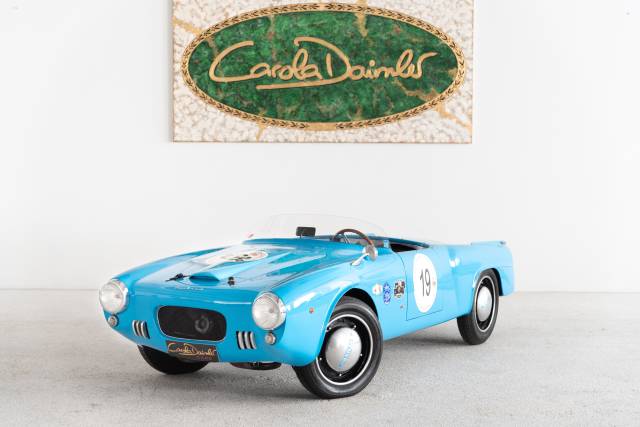
1952 | Panhard Dyna Sport Barchetta
Matching Nr. & Colors | 1 von 3 Exemplaren | Originales Mille Miglia Fahrzeug | Klassengewinner 1953 Mille Miglia | Fiva Pass | Handgefertigte Karosse

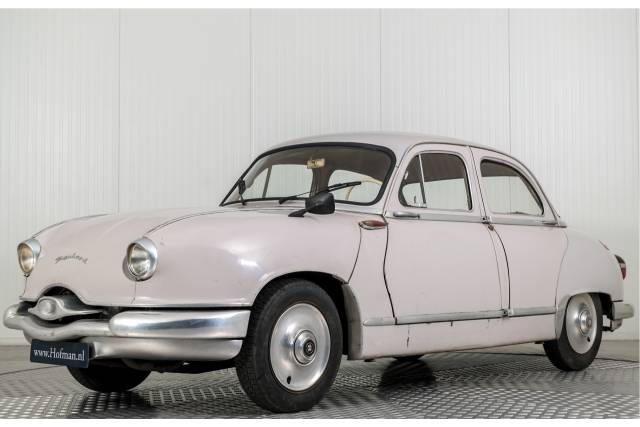
1959 | Panhard Dyna Z1
Panhard Dyna Z Z16
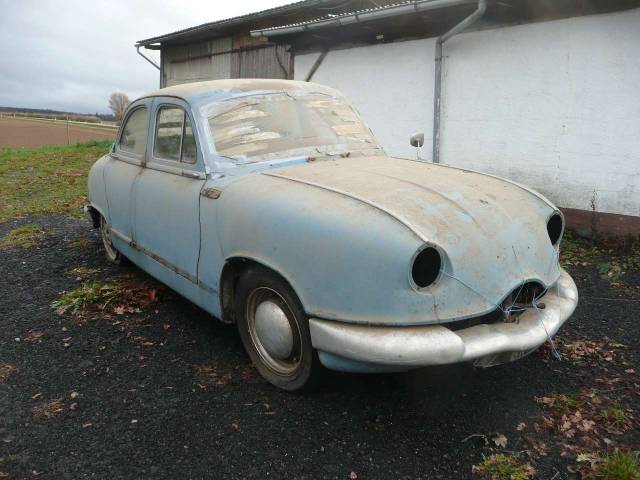
1956 | Panhard Dyna Z12
Sonstige Marken Panhard Dyna Z12 * Scheunenfund *
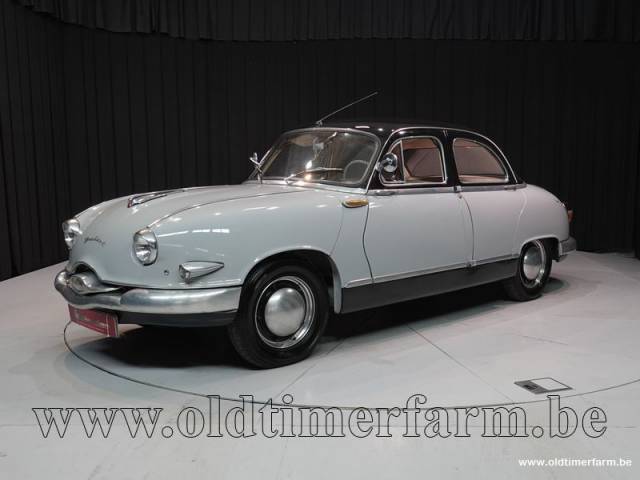
1957 | Panhard Dyna Z12
1957 Panhard Dyna '57

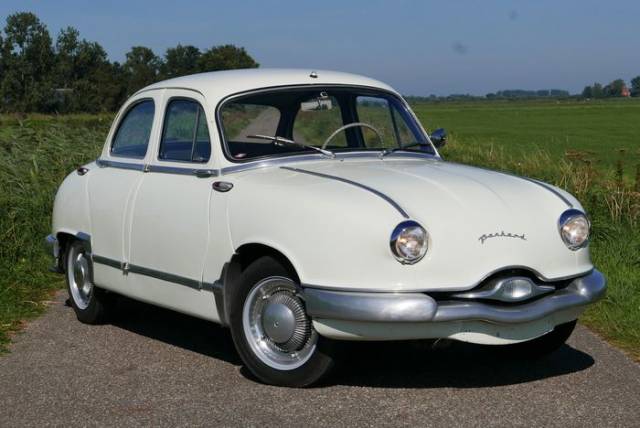
1955 | Panhard Dyna Z1
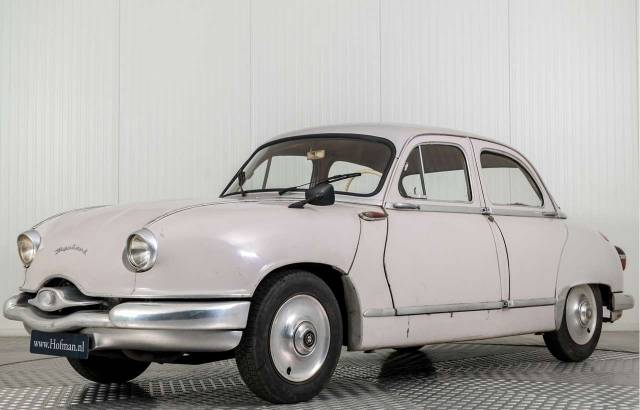
1959 | Panhard Dyna Z16
Overig Panhard Dyna Z Z16
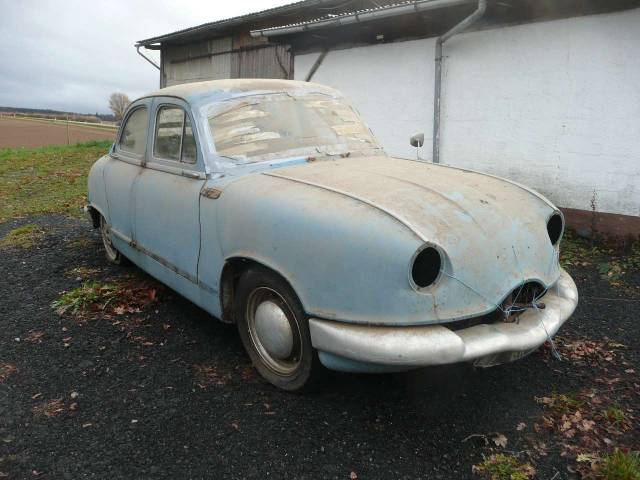
1956 | Panhard Dyna Z1
Sonstige Marken Panhard Dyna Z12 * Scheunenfund *
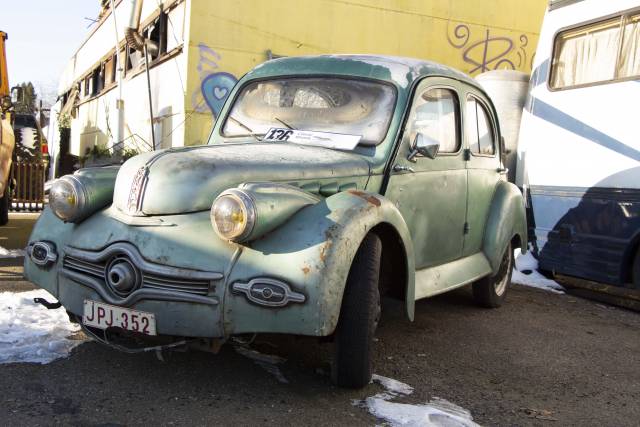
1952 | Panhard Dyna 110 X 85
Panhard Dyna 1952
1952 | Panhard Dyna 110 X 85
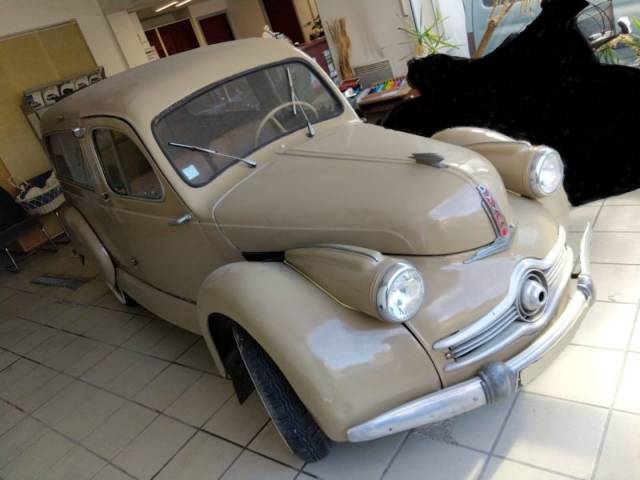
1953 | Panhard Dyna 130 X 87
Not good condition

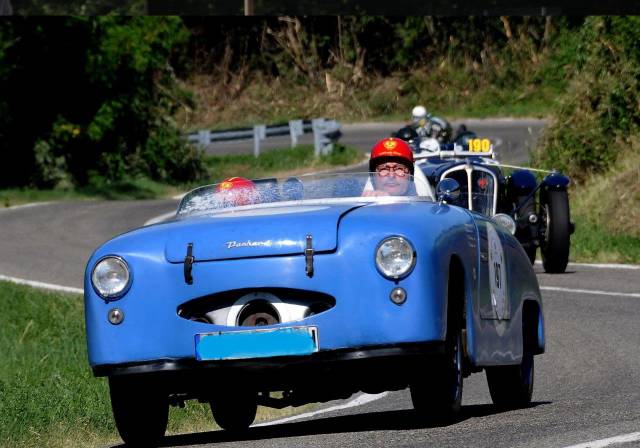
1955 | Panhard Dyna X 87
Barquette by Jean Gravelau (one off) Mille Miglia/Tour d´Auto/Le Mans
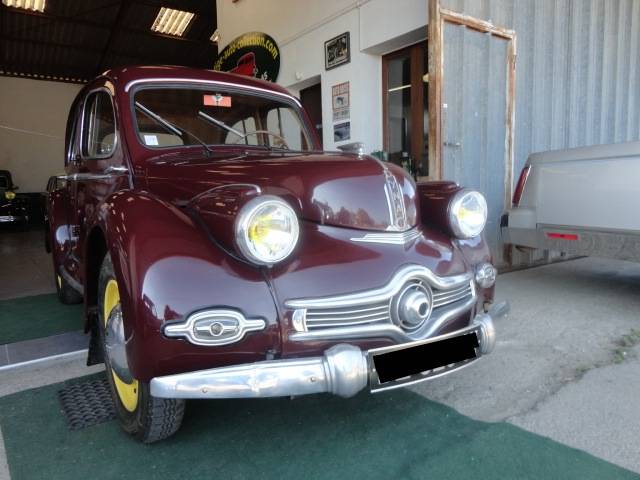
1950 | Panhard Dyna 120 X 86
DYNA PANHARD X86
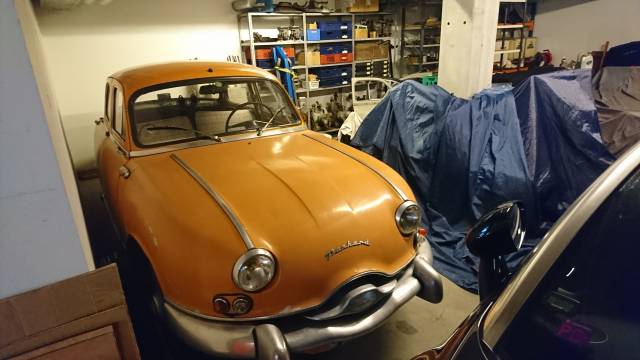
1955 | Panhard Dyna Z1
Complete car with Allu body. Ready for resteauration. Ekstra parts aviable

Panhard Dyna Classic Cars: Prices & Market Values
History of the Panhard Dyna
The Panhard Dyna was introduced in the late 1940s, emerging as one of the most technically advanced cars of its era. Panhard, already known for pioneering many automotive technologies, took a bold step by emphasising lightweight construction and efficiency, countering a post-war environment where resources were scarce. The Dyna’s use of aluminium instead of steel for much of its body and its compact, air-cooled flat-twin engine reflected this philosophy. This model marked Panhard’s determination to manufacture a modern, forward-thinking vehicle that could compete against larger, more traditional saloons. As a result, the Dyna played a significant role in distinguishing Panhard’s identity within the French and European automotive landscape.
Model history
Panhard started the Dyna series with the Dyna X, launched in 1948, followed by the more spacious Dyna Z in the mid-1950s. The initial Dyna X was recognised for its advanced suspension and aerodynamic silhouette, while the Dyna Z shifted to more contemporary design cues, with greater comfort and improved engineering. Later, the PL17 model continued the lineage, further refining the technical concept pioneered by its predecessors. The Dyna family essentially bridged the evolution from immediate post-war cars to the refined compact saloons of the 1960s. Its innovative mechanical layout and efficient use of materials set a benchmark within the segment, but economic challenges and shifts in the market eventually led to the end of Panhard’s passenger car production.
Highlights of the Panhard Dyna
The Panhard Dyna stands out for its pioneering lightweight construction, making extensive use of aluminium to achieve class-leading efficiency and agility. Its air-cooled, horizontally opposed two-cylinder engine was rare among period cars, providing a unique character to the driving experience. The vehicle also incorporated advanced independent suspension, rack-and-pinion steering, and an aerodynamic body, all of which were innovative features for its time.
Technical data
Special Editions and Collectible Models
While the Dyna line included various body configurations, notable special editions include cabriolet and estate versions, which are now scarce. The Dyna X Grand Luxe trim offered upgraded interior fittings and exterior embellishments, targeting buyers seeking additional comfort and exclusivity. Furthermore, competition variants with uprated engines and lightweight revisions were produced in limited numbers, mainly for motorsport events.
Weak Spots and Common Issues
The use of aluminium for much of the bodywork, though innovative, renders the Dyna susceptible to corrosion at steel-to-aluminium contact points and galvanic reactions. The two-cylinder engine, while robust, requires correct timing and regular valve adjustments to run optimally. Components like the gearbox synchros and suspension bushings can be subject to wear. Spare part availability, especially for specific body panels and interior trim, can be limited, so buyers should inspect potential acquisitions thoroughly.
Engine and Performance, Transmission and Handling
The Dyna delivers a distinctive driving experience, blending surprising agility with substantial fuel efficiency. The horizontally opposed engine layout ensures low vibrations and a unique sound. Acceleration is brisk for its era due to the light weight, and the car’s nimble chassis rewards precise steering inputs. The front-wheel-drive layout offers secure handling in varied conditions, whilst the low centre of gravity and independent suspension provide comfort and stability. Particularly interesting variants include the Panhard Dyna Z, which brought a modernised body and upgraded mechanicals, as well as the PL17, which featured the most powerful engine of the series and improved interior comfort. These models are highly valued by enthusiasts for their blend of mechanical refinement and usability.
Interior, Comfort, Exterior and Design
Panhard’s Dyna models are notable for their aerodynamic, rounded bodywork—a direct response to studies on wind resistance and efficiency. Inside, the minimalist instrument panel and thin-rimmed steering wheel reinforce the lightweight ethos. Available special trims included elegant two-tone paint schemes and bespoke upholstery options. Accessories such as fog lights, roof racks and period-correct radios further accentuate the car’s appeal. Unique features include the forward-hinged rear doors and panoramic windscreen, both designed to maximise space and visibility. The Dyna’s design, created in-house by Panhard’s engineers and stylists, reflects a clear break from contemporaneous styling trends.
Other relevant features
Some models from the Dyna range were explicitly targeted at motorsport, such as rally-prepared versions with improved power output and stripped interiors. The Dyna’s reputation for fuel efficiency made it a favourite for economy competitions. Several club communities across Europe focus on the Panhard Dyna, fostering exchanges about technical know-how and support for restoration projects.
Summary
The Panhard Dyna is a showcase of post-war French engineering, known for its innovative lightweight aluminium body, efficient flat-twin engine, and advanced suspension. As the only Panhard series consistently represented in today’s classic car market, the Dyna offers an authentic taste of technical progressivism and driving pleasure from its era. Its special models, unique design choices, and distinct handling continue to attract those passionate about automotive history and unconventional engineering.