Panhard PL 17 Classic Cars for Sale
The Panhard PL 17, produced between 1959 and 1965, stands out with its lightweight construction, innovative engineering, and unique body variants including saloon, cabriolet, and break. Its combination of French automotive ingenuity and technical simplicity makes the PL 17 a car for those who appreciate mechanical innovation and distinctive design.
Search results
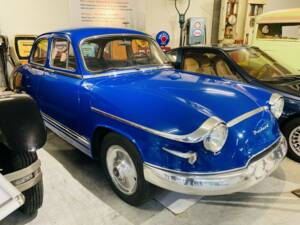
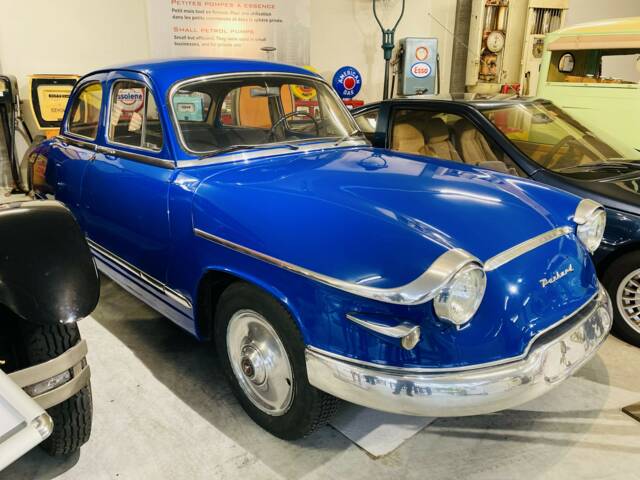
1959 | Panhard PL 17 L1 Standard
Alte Restauration

Panhard PL 17 listing references from Classic Trader
Below you will find listings related to your search that are no longer available on Classic Trader. Use this information to gain insight into availability, value trends, and current pricing for a "Panhard PL 17" to make a more informed purchasing decision.
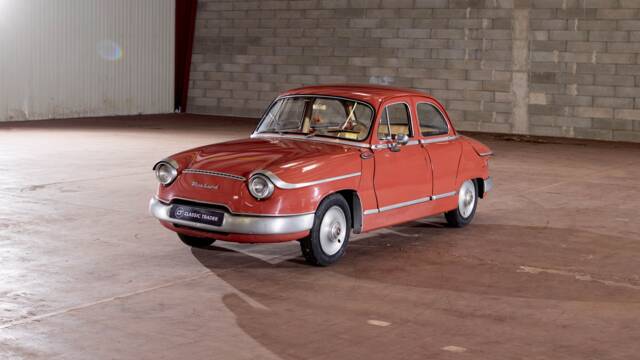
1959 | Panhard PL 17 Tigre
1959 Panhard PL 17 Tigre in Pink, Documented Restoration, Original Interior and Extensive Historical Documentation

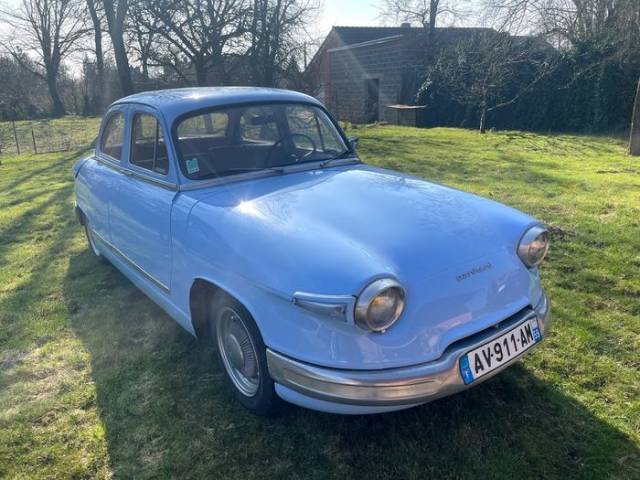
1962 | Panhard PL 17 L4 Standard
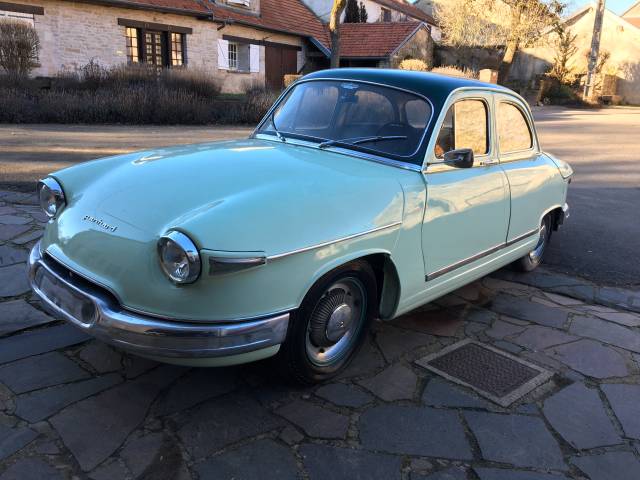
1963 | Panhard PL 17B
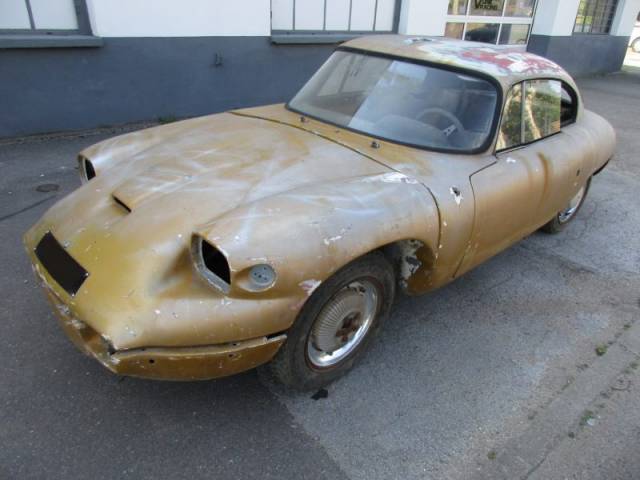
1963 | Panhard PL 17B
Panhard CD 2 carbus
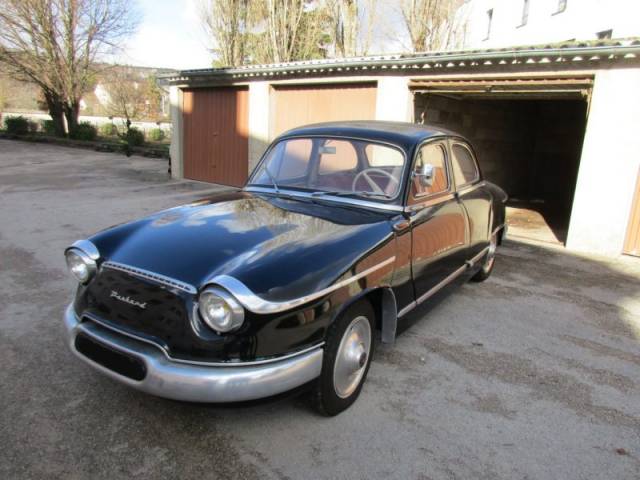
1960 | Panhard PL 17 L4 Standard
In excellent condition
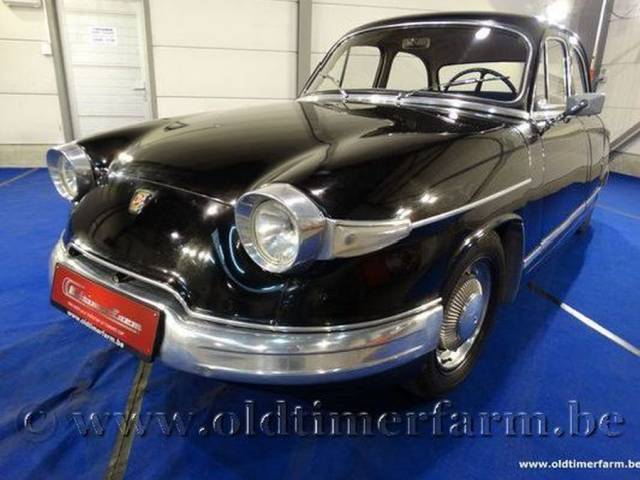
1964 | Panhard PL 17B
Panhard PL17 Type L6 - Standard

Panhard PL 17 Classic Cars: Prices & Market Values
History of the Panhard PL 17
Unveiled on 29 June 1959, the Panhard PL 17 emerged as the successor to the popular Dyna Z, continuing the marque’s tradition of lightweight, aerodynamically optimised bodies. Despite being essentially a facelift rather than a radically new model, the PL 17 benefitted from numerous refinements, both technical and visual. Panhard focused on maximising efficiency and economy, key characteristics of French post-war motoring. Production lasted until 1965, during which time the PL 17 built a reputation for its pragmatic engineering and surprising space-to-size ratio.
Model History
The PL 17 was a direct evolution of the Dyna Z, maintaining the lightweight, front-wheel-drive architecture, and flat-twin engine layout that had become Panhard hallmarks. Initially introduced as a four-door saloon, the range expanded in 1961 with a cabriolet, adding open-top motoring for enthusiasts. The Break, a five-door estate, followed in April 1963, developed by Pan Auto in Italy, and featured a longer wheelbase for improved load capacity while retaining overall length. The PL 17’s cessation of production in 1965 marked the last major model launched under the Panhard badge before the manufacturer withdrew from passenger car production.
Highlights of the Panhard PL 17
The PL 17 is distinctive for its combination of low weight, advanced aerodynamics, and innovative mechanical layout. Its air-cooled flat-twin engine and front-wheel drive resulted in commendable fuel efficiency and agile handling for its era. The expansion to multiple body styles, including the rarely seen cabriolet and estate, increased its versatility. Notably, compared to other Panhard models, the PL 17 accounts for 100% of both the supply and demand figures in classic car inventories and inquiries, underscoring its pivotal role in the brand’s legacy.
Technical Data
Special Editions and Collectible Models
The PL 17 Cabriolet stands out as one of the more collectible body types due to its relative rarity and the open-top driving experience, while the Italian-developed Break model offers a unique long-wheelbase configuration combined with the same lightweight engineering as the saloon.
Weak Spots and Common Issues
No specific common issues have been provided for the PL 17. As with most French vehicles of its era, attention to bodywork for corrosion and regular maintenance of the flat-twin’s cooling and lubrication systems is advised. Mechanical simplicity provides good parts accessibility; however, careful inspection of less commonly found cabriolet and break bodywork is recommended due to potential sourcing challenges.
Engine and Performance, Transmission and Handling
Owing to its modest displacement but light construction, the PL 17 achieves impressive fuel economy for its time. The flat-twin engine, paired with front-wheel drive, delivers lively responsiveness around town. Handling is agile, thanks to its low weight and forward weight distribution, making the car nimble on narrow roads and enjoyable for period-correct touring. Among the PL 17 line-up, the cabriolet offers a particularly engaging driving experience, while the Break's longer wheelbase makes it practical for larger loads, giving both models a dedicated following within the enthusiast community.
Interior, Comfort, Exterior and Design
The PL 17 is notable for its aerodynamic bodywork, minimal overhangs, and forward-thinking exterior shape. Interiors favour practical, durable materials in keeping with its lightweight theme, yet offer a surprisingly spacious cabin for the segment. Unique design cues include expansive glasshouse, small-diameter steering wheel, and in special models like the Break, a lengthened body without an increase in overall length. Accessory offerings were typically French, focused on additional comfort for long journeys.
Other Relevant Features
With its focus on efficiency, the Panhard PL 17 represents a uniquely French interpretation of post-war motoring economics. The availability of the Break with Italian development input adds an international dimension to its backstory.
Summary
The Panhard PL 17’s blend of technical ingenuity, lightweight construction, and versatility across body styles places it at the heart of Panhard’s classic car identity. Its historical significance as the marque’s final major model and its total dominance in both supply and demand statistics reinforce its importance for enthusiasts and collectors focusing on French engineering heritage.