Packard One-Twenty classic cars for sale
The Packard One-Twenty marked Packard's decisive step into the upper-middle class sector, combining sophisticated engineering like an inline eight engine and front independent suspension with lavish interiors and high-quality materials, making it one of the most technically advanced and desirable American vehicles of its era. A broad range of body styles and extensive individualisation set the One-Twenty apart in the market.
Search results
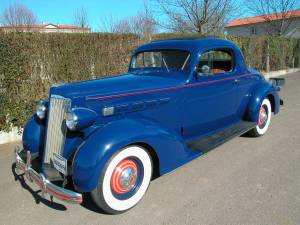
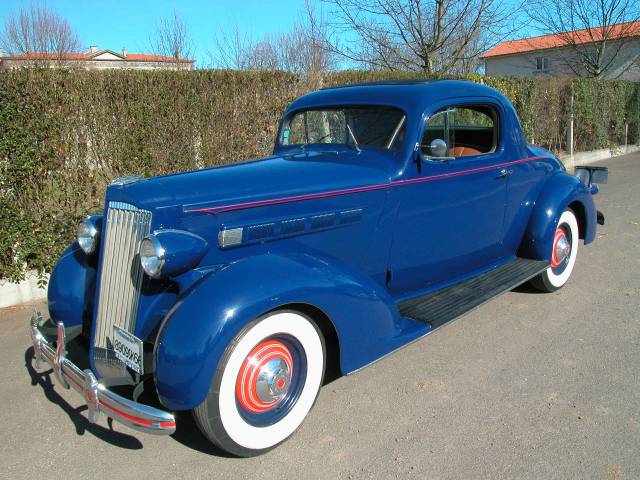

Packard One-Twenty listing references from Classic Trader
Below you will find listings related to your search that are no longer available on Classic Trader. Use this information to gain insight into availability, value trends, and current pricing for a "Packard One-Twenty" to make a more informed purchasing decision.
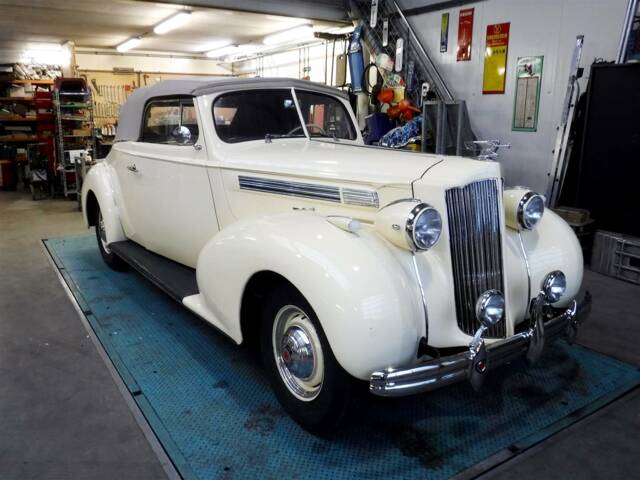
1939 | Packard eight
Packard-120 convertible - Creme

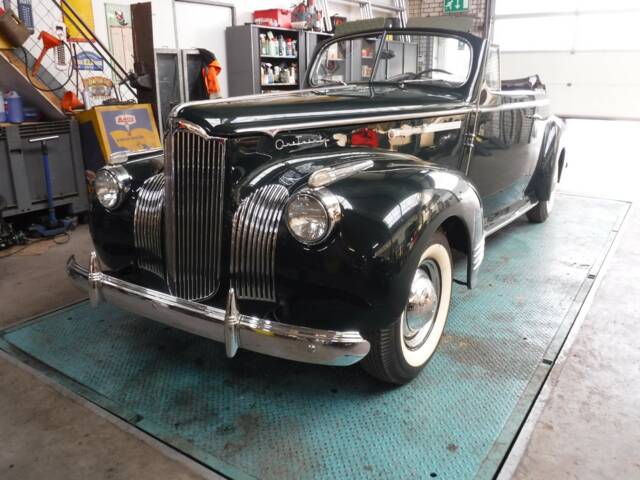
1941 | Packard eight
Packard-120 Convertible 2121
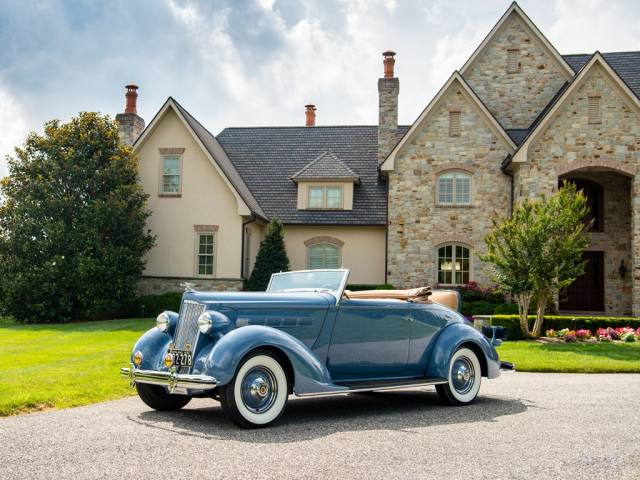
1936 | Packard eight
1936 Packard One Twenty Convertible Coupe

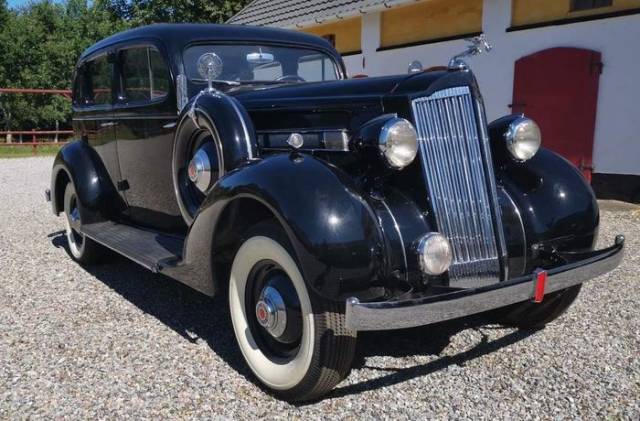
1935 | Packard eight
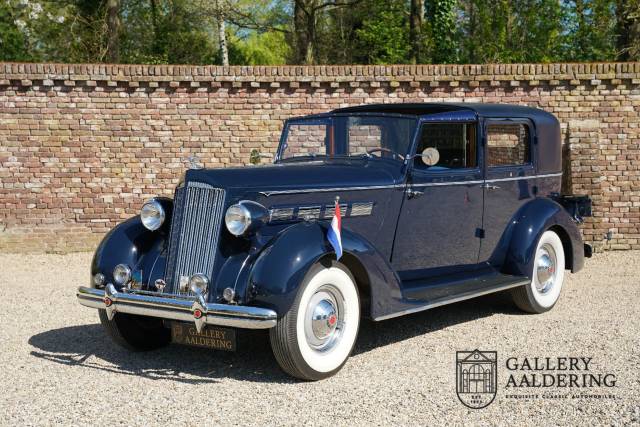
1937 | Packard eight
Packard One-Twenty Rollston Fully restored and mechanically rebuilt, very rare, straight eight engine
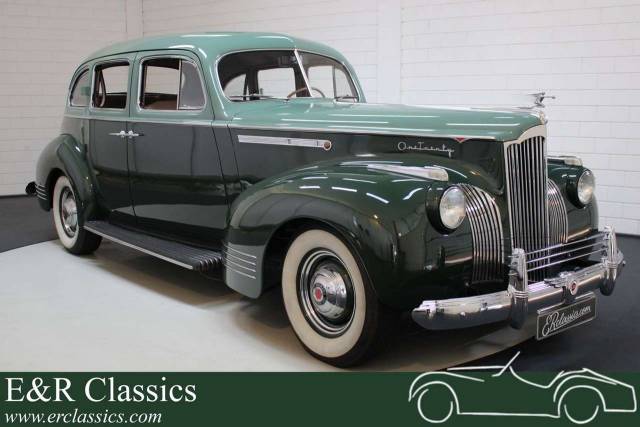
1941 | Packard eight
Overig Packard One Twenty zeer goede staat 1941
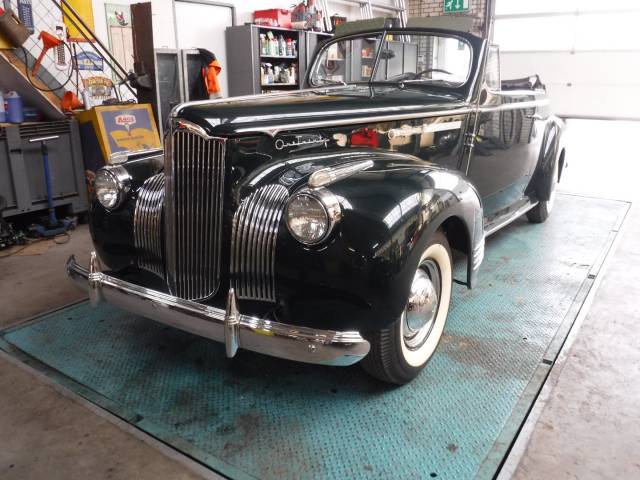
1941 | Packard eight
Packard-120 Convertible
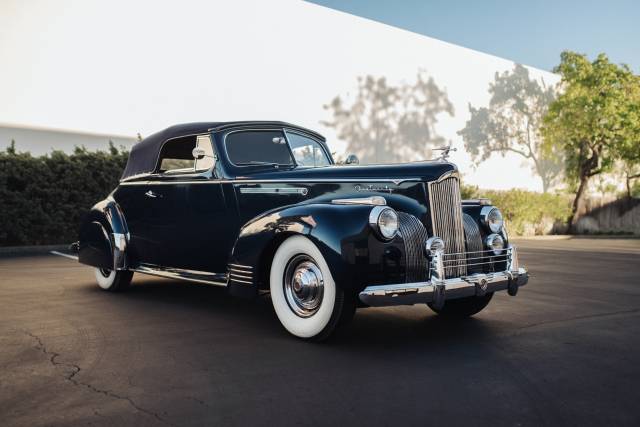
1941 | Packard eight
Packard One-Twenty Convertible
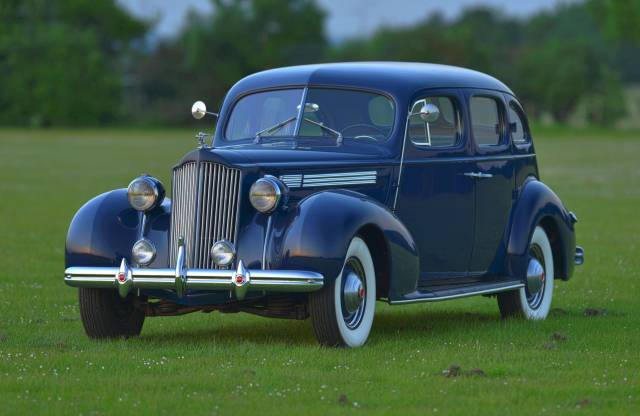
1939 | Packard eight
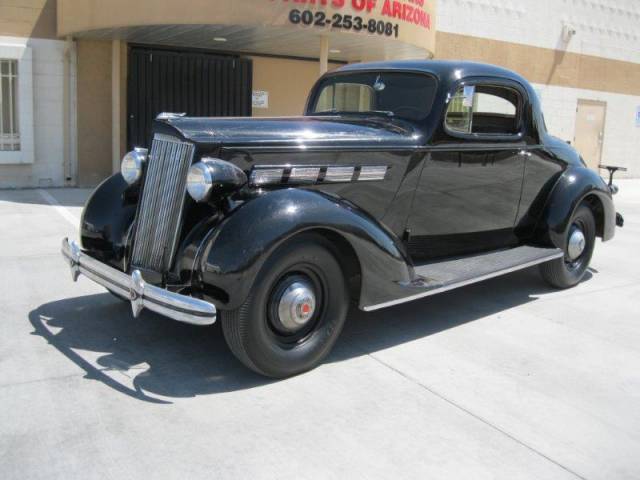
1937 | Packard eight
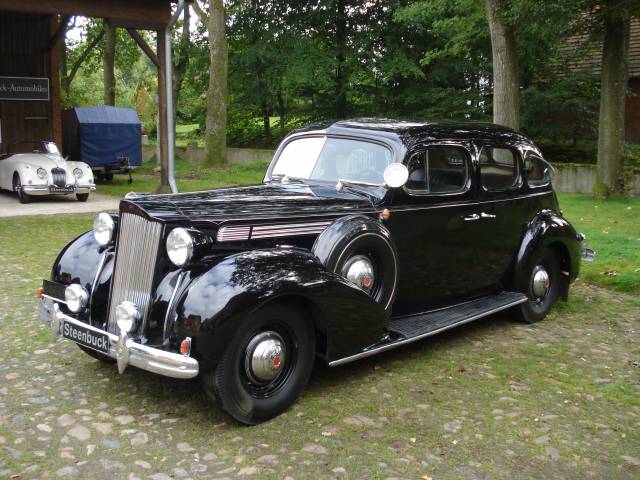
1939 | Packard eight
Typical american luxurios vintage car

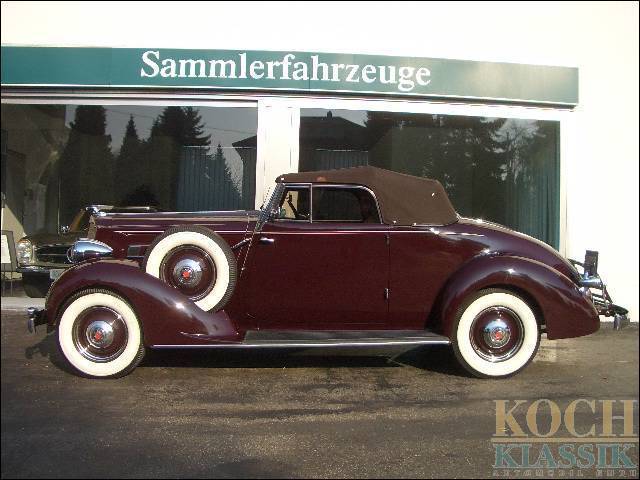
1935 | Packard eight
Packard 120 Straight Eight One Twenty Convertibl
Packard One-Twenty Classic Cars: Prices & Market Values
History of the Packard One-Twenty
Introduced in 1935, the Packard One-Twenty (also styled as 120) was Packard’s response to the economic challenges of the Great Depression, aiming squarely at the burgeoning middle and upper-middle class segments. The car’s name originates from its 120-inch wheelbase. With a focus on engineering advancement and an eye for luxury, the One-Twenty marked the first time Packard departed from its reputation as a builder of exclusive top-tier vehicles, instead offering an ‘affordable luxury’ option without sacrificing the marque’s renowned build quality or prestige. Rapidly gaining traction in the market, the One-Twenty secured Packard’s financial stability during a turbulent decade. Its peerless success was underscored by over 55,000 units sold in 1936 alone—more than all other Packard models combined at that time. The One-Twenty underwent several technical evolutions and saw its name briefly changed to 'Eight' in 1938 before returning as One-Twenty until production ceased in 1942.
Model history of the Packard One-Twenty
The One-Twenty debuted as part of the Thirteenth Series in late 1934 and was produced until 1942, with a brief hiatus and model designation change in between. Predecessor to this series was Packard’s senior lineup, with no direct mid-range antecedent. After 1942, the One-Twenty was replaced by the Packard 200. Across its lifecycle, the model range diversified rapidly: from sedans in two and four-door variants, to coupe, convertible, limousine, and even an elegant station wagon with a characteristic wooden body. Coachbuilders such as Rollston occasionally provided bespoke bodies. Packard consistently refreshed the design and engineering throughout its production, offering up to eight different body styles in some years, thus underlining the model’s reputation for comfort, technical sophistication, and broad appeal.
Highlights of the Packard One-Twenty
Among its segment, the Packard One-Twenty was remarkable for introducing features that were often reserved for higher-priced cars: a robust 282 cu.in. straight-eight engine producing around 120 hp, hydraulic brakes, independent front suspension, and a three-speed manual gearbox. Interior configurations focused on luxury and comfort, with high-grade leathers, original dashboards with wood inlays, and the option of chauffeur partitions with foldable footrests in limousines. The use of high-quality steel and chrome in construction, together with distinctive suicide doors and broad bumpers, makes surviving One-Twenty models stand out at any concours or classic driver event.
Technical Data
Special Editions and Collectible Models
Notable special editions within the One-Twenty range include the luxurious Limousine and Town Car variants, as well as the Station Wagon, which was distinguished by its elaborate wooden bodywork. These models, frequently custom-built by renowned coachbuilders like Rollston, were prized for their exclusivity and craftsmanship. In some years, up to eight body variants were available, including highly customisable interior options, making particular vehicles with original features or rare body styles especially interesting to connoisseurs.
Weak Spots and Common Issues
Although the One-Twenty was engineered for durability, age-related concerns are unavoidable. Corrosion in the sill panels, the lower door edges, and underneath chromed bumpers can occur, especially if the vehicle has not been regularly maintained. The hydraulic brake system, while innovative at the time, requires periodic attention to maintain function. Mechanical longevity largely hinges on regular servicing of the straight-eight engine and associated driveline components. Original rubber bushings, wiring, and vinyl elements may also need restoration due to age. As with any car of this era, the value of a Packard One-Twenty increases with evidence of originality and correct restoration.
Engine and Performance, Transmission and Handling
With a long-stroke inline-eight, the One-Twenty delivers smooth, ample torque from low revs, translating into relaxed but capable travel—even by modern standards. The three-speed manual transmission is robust and suits the engine's characteristics perfectly. Thanks to the introduction of hydraulic brakes and independent front suspension, handling is notably more composed than many of its contemporaries. The One-Twenty was able to keep up with traffic of its era and remains usable in current conditions, provided it is well maintained. Most desirable among enthusiasts are the Convertible Coupe, Limousine, and genuine coachbuilder editions—particularly those with original interiors and mechanically correct restoration. The 1936 production run, with more than 55,000 units, is especially sought-after due to the mechanical improvements of that year.
Interior, Comfort, Exterior and Design
The One-Twenty is defined by its sweeping bodywork, substantial chromed bumpers, and a choice of period-correct paint schemes—often black or Brighton Blue. Dynamic elements include the distinctive suicide rear doors and elegantly integrated running boards. Interiors can feature bespoke materials such as fine leather, genuine wood veneer, period-correct instrumentation, and the option of chauffeur partitions in extended models. Roll-down rear windows, steel wheels with whitewall tyres and Packard hubcaps, and original luggage or manuals, if present, enhance its vintage character. Coachbuilt models offer further individualisation, including tailored seating arrangements and additional luxury touches.
Other Noteworthy Features
Extensive documentation, such as original handbooks and toolkits, are occasionally found with surviving examples, adding to provenance. Vehicles that were restored to a high standard have received awards at shows such as the AACA Grand National. Authenticity—such as retaining the original engine and period-correct details—remains a decisive factor for value-conscious buyers. On the market, One-Twentys are not only symbols of American luxury but also engineering hallmarks of their era, reflecting Packard's leadership in the U.S. luxury sector during the 1930s.
Summary
The Packard One-Twenty exemplifies advanced pre-war American automotive engineering, merging luxury and technical innovation in a package tailored for discerning motorists of the 1930s and early 1940s. With a striking 282 cu.in. straight-eight engine, an array of body styles, refined interiors, and robust mechanical underpinnings, the One-Twenty stands as one of Packard’s most successful and influential models. High demand and supply statistics echo its current relevance among collectors. Whether as a convertible, limousine, or station wagon, the One-Twenty’s historical significance, technical merit, and visual impact secure its standing within the classic car landscape.