Packard Eight – Classic Cars for Sale
The Packard Eight series signifies American luxury automobiles of the interwar period, combining advanced straight-eight engineering with elegant, customisable coachwork and high driving comfort. Multiple body styles, fine detailing, and constant technical innovations mark the Eight as a prime choice for enthusiasts of authentic prewar luxury.
Search results
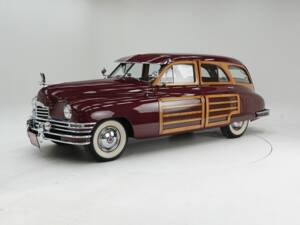
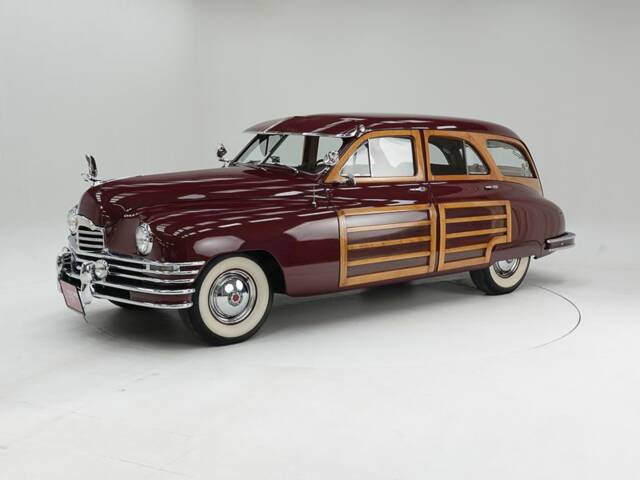
1947 | Packard Eight Station Sedan
1947 Packard Eight Woody wagon '47

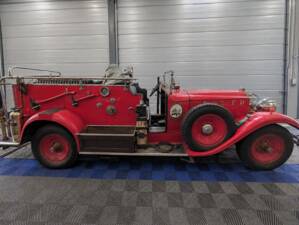
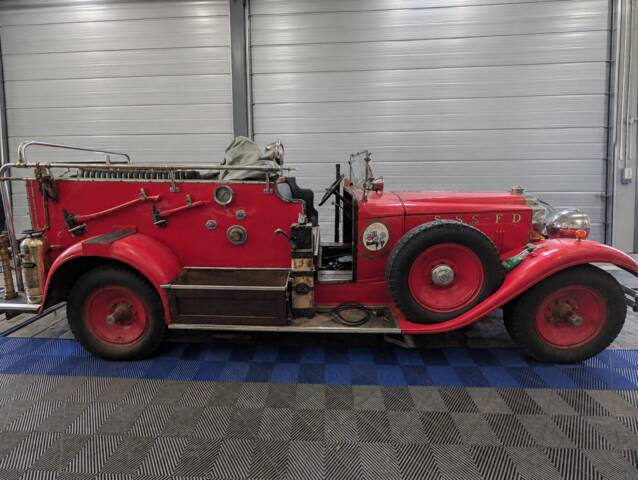
1930 | Packard Eight Fire-Track
Packard Fire-Track (Fire Truck) – Veteranenfahrzeug (1930)

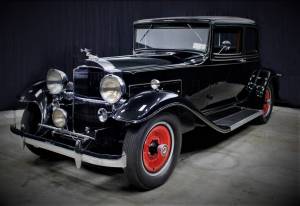
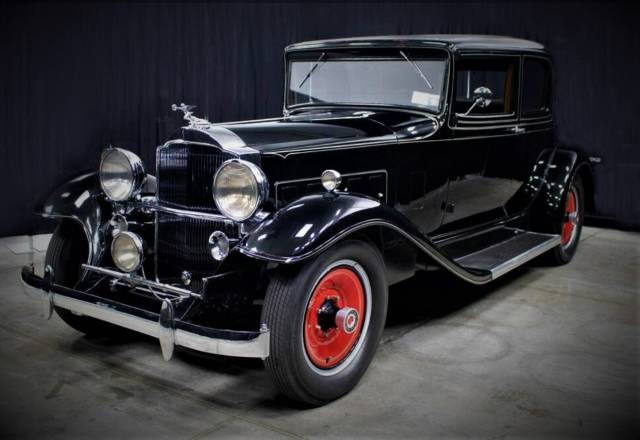
1932 | Packard Eight Model 902
1932 Packard 902 Standard 8 Coupe


Newsletter
The best Packard listings, straight to your inbox
Get hand-picked Packard listings, plus the best of cars, motorbikes, and auctions on Classic Trader — all in one place.
Packard Eight listing references from Classic Trader
Below you will find listings related to your search that are no longer available on Classic Trader. Use this information to gain insight into availability, value trends, and current pricing for a "Packard Eight" to make a more informed purchasing decision.
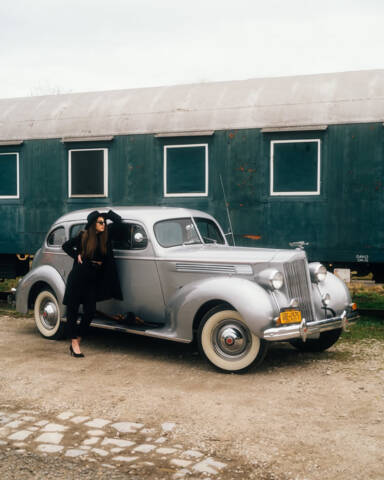
1938 | Packard Eight
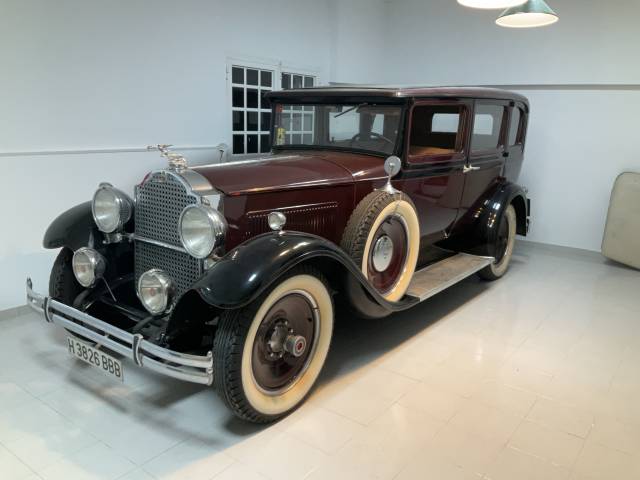
1930 | Packard Standard Eight 726
Originaler Packard 726 Sedan mit 8 Zyl. Reihenmotor

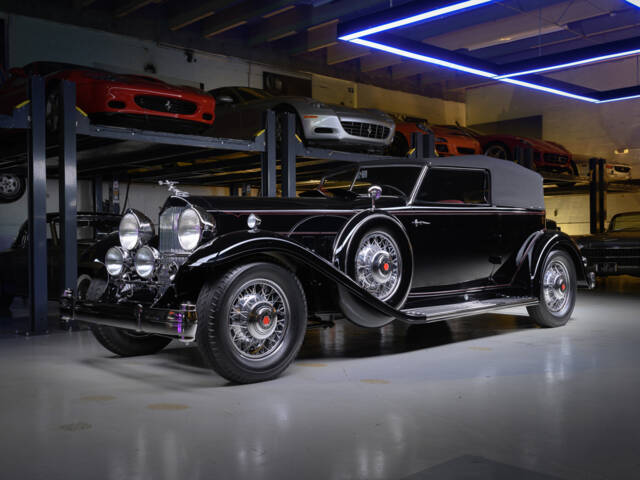
1932 | Packard Deluxe Eight 904
1932 Packard 904 Individual Custom Eight Convertible Victoria by Dietrich
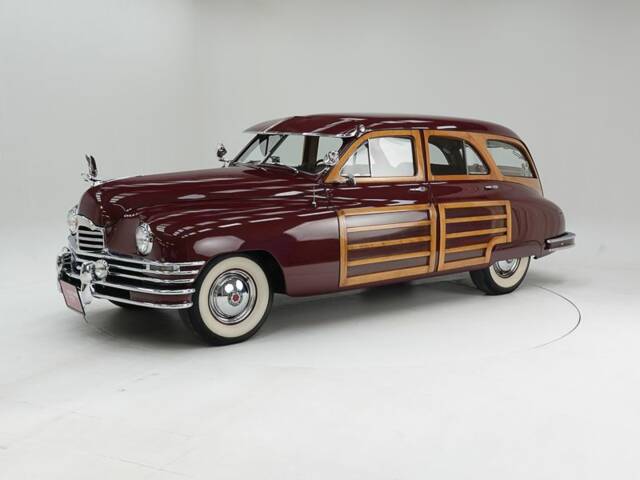
1947 | Packard Eight Station Sedan
1947 Packard Eight Woody wagon '47
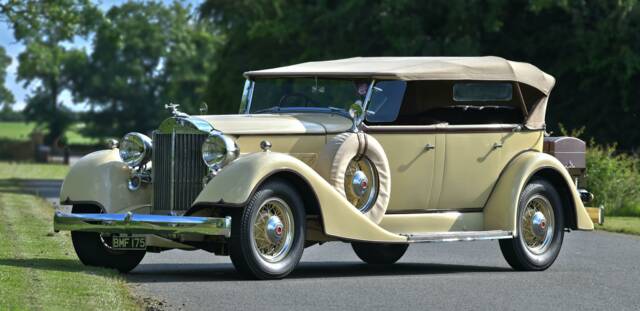
1934 | Packard Eight 1100
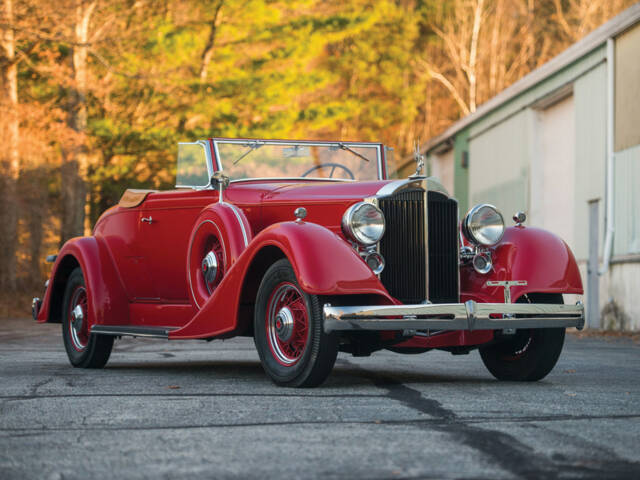
1934 | Packard Eight 1100
1934 Packard Eight Coupe Roadster
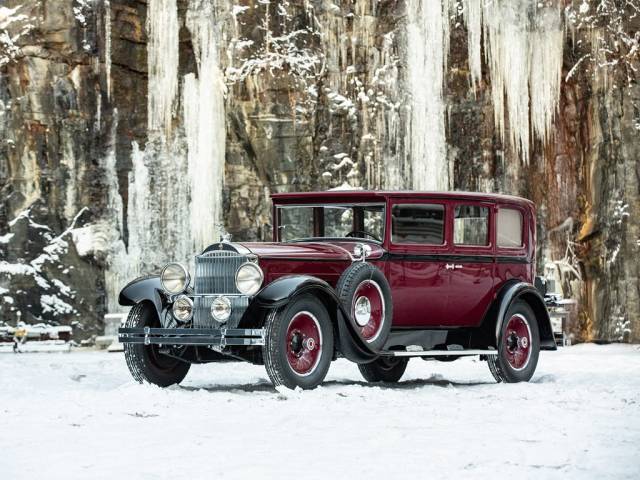
1929 | Packard Deluxe Eight 745
1929 Packard Deluxe Eight
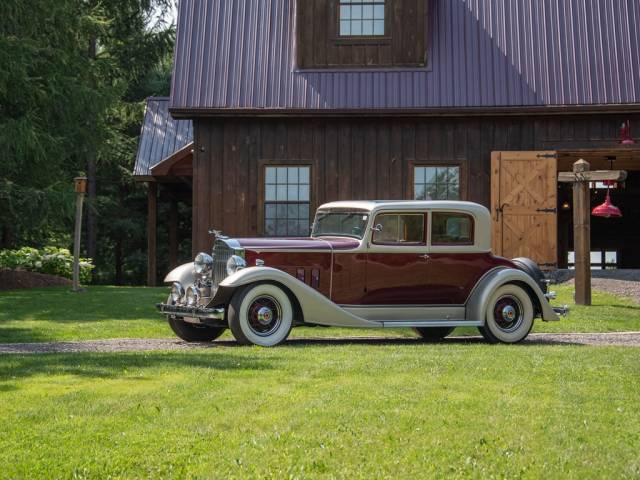
1933 | Packard Eight
1933 Packard Eight Coupe
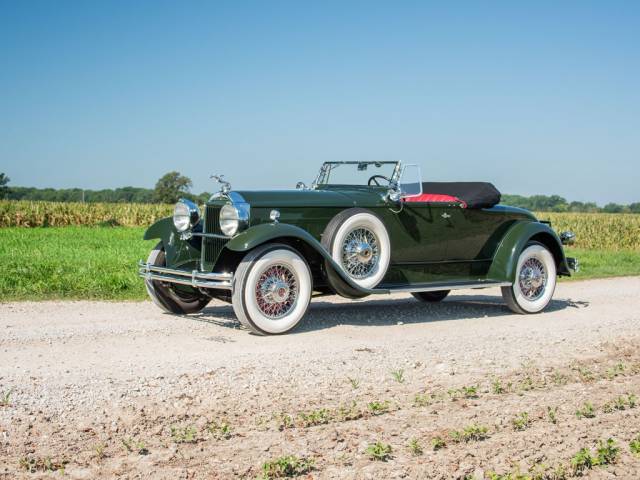
1930 | Packard Eight 740
1930 Packard 740 Custom Eight Roadster
Packard Eight Classic Cars: Prices & Market Values
History of the Packard Eight
Launched in 1924 and maintained through 1936, with a brief return in 1938, the Packard Eight replaced the Twin Six as Packard's flagship. Initially known as the senior model, the Eight introduced a new straight-eight engine architecture that was considered advanced at the time. The Eight quickly gained a reputation for silent operation and effortless driving comfort—attributes tailored for cross-country American touring and well suited to the affluent clientele of the era. As economic and technological contexts evolved, the Eight was further improved until succeeded by the Super Eight and Custom Super Eight in the 1940s.
Model History of the Packard Eight
The Packard Eight evolved from the earlier Single Eight, receiving significant updates in 1925 and officially pulsing as the Eight. The model saw continuous technical refinement—from mechanical brake systems and chassis lubrication (Bijur) to new carburation types and synchromesh gearboxes by the 1930s. The original Eight gave rise to derivatives like the Custom Eight and Deluxe Eight, with model codes often referring to wheelbase lengths (e.g. Series 336 for 136-inch, 343 for 143-inch). In 1933, the Standard Eight once again became simply Packard Eight. Extensive body options—from coupe to touring, limousine, club sedan, and convertible—were available, many manufactured by revered coachbuilders like Dietrich and Waterhouse.
Highlights of the Packard Eight
Distinctive features include the straight-eight ("Reihenachtzylinder") engine with mechanical valve lifters and aluminium pistons, Packard updraft or later Stromberg dual carburettors, and legendary ride quality due to servo-assisted Bendix brakes and Bijur central lubrication. Body customisation reached an apex, with configurations for up to seven passengers and roles from elegant limousines to rakish roadsters. Noteworthy design elements—such as wire wheels, two-tone paint, Goddess of Speed mascots, and fine interior materials—reflect the Eight’s luxury credentials. High build quality, rarity (especially in Europe), and appearances at Concours events contribute to its ongoing collectability.
Technical Data
Special Editions and Collectible Models
Special variants include the Dietrich Individual Custom models, prized for sporting lines, V-shaped windshields, and elegant beltlines. Deluxe Eights with extra-long wheelbases catered to luxury requirements with bespoke interiors. Export versions—such as right-hand drive models for the UK—also featured. Bodywork by Waterhouse, Vanden Plas, and other top-tier coachbuilders made certain editions even more valuable and visually distinctive.
Weak Spots and Common Issues
While the Packard Eight is revered for its engineering, the advanced straight-eight engine and mechanical systems require attentive maintenance. Watch for wear in mechanical brake linkages and ensure Bijur chassis lubrication is functioning, as neglected systems can lead to costly repairs. Aluminum piston and valve train condition should be checked during inspection. Body restoration is specialist work, especially for custom and coachbuilt editions, and sourcing authentic parts can be challenging due to relative European scarcity.
Engine and Performance, Transmission and Handling
Packard Eight engines are known for their smooth, torque-rich delivery and low mechanical noise. With early iterations delivering 109 PS and culminating in later versions boasting 165 PS (5,835 cc) and top speeds around 144 km/h, the Eight was more than a match for contemporary rivals like Rolls-Royce Phantom I. Three-speed manual gearboxes, some with synchromesh, and vacuum-assisted four-wheel brakes give a composed, confidence-inspiring driving experience, particularly over long distances or in classic rallies. - Eight Series 343 (143” wheelbase): Standard straight-8, 109 PS
- 10th/8th Series (120 PS)
- Deluxe Eight (145½” wheelbase): Top luxury configuration
- Dietrich Individual Custom: Emphasis on unique, elegant design
Interior, Comfort, Exterior and Design
Coachbuilt bodies from Dietrich, Waterhouse, Vanden Plas, and others introduced features like V-shaped windshields, flowing beltlines, and unusually long and elegant profiles. Accessories ranged from twin spare wheels and wire wheels to Goddess of Speed mascots and fitted luggage racks. Interiors showcase luxury—leather or plush fabric seats, elaborate instruments, chrome trim, and in some cases, bespoke woodwork. Two-tone paint schemes and high-quality fabric tops are frequent on convertibles. Later examples included optional synchromesh transmissions and improved dashboards.
Other Notable Features
Some Packard Eights were assembled in Canada for British and Commonwealth markets, with right-hand drive and market-specific modifications. Participation in Concours d’Elegance and vintage rally events is frequent, and the Eight is officially recognised as a "Full Classic" by the Classic Car Club of America.
Summary
The Packard Eight remains a touchstone of 1920s-30s American luxury car design, defined by mechanical sophistication, coachbuilt elegance, and lasting exclusivity. For collectors seeking prewar authenticity paired with robust engineering and customisable bodywork, the Eight holds special appeal—supported by high supply and demand on the current market.