NSU Prinz classic cars for sale
The NSU Prinz stands out as a rear-engined, air-cooled compact from West Germany, built from 1958 to 1973. Recognised for its innovative engineering, practical design and variety of models, the Prinz series set a benchmark for post-war small cars. Explore different generations, engine upgrades and exceptional craftsmanship in restored and original examples.
Search results
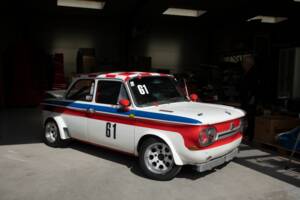
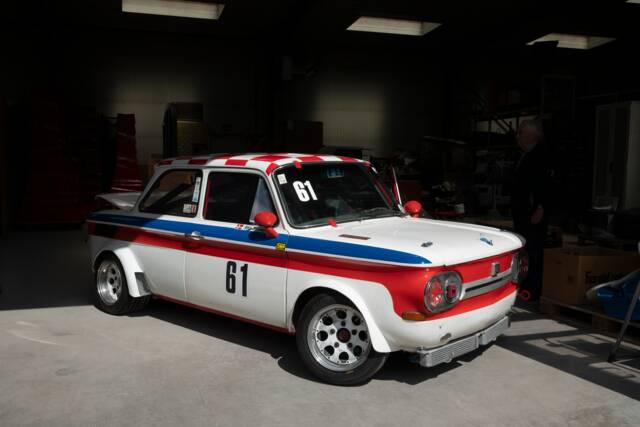
1965 | NSU Prinz TTS
Ex. Kristensen Racecar

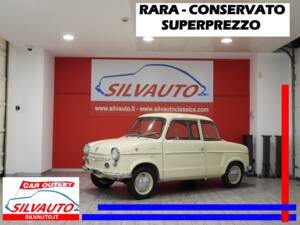
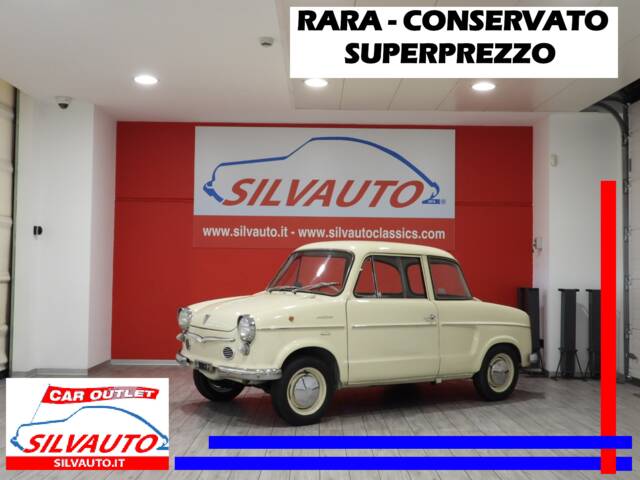
1961 | NSU Prinz 30
RARA – CONSERVATO – SUPERPREZZO

NSU Prinz listing references from Classic Trader
Below you will find listings related to your search that are no longer available on Classic Trader. Use this information to gain insight into availability, value trends, and current pricing for a "NSU Prinz" to make a more informed purchasing decision.
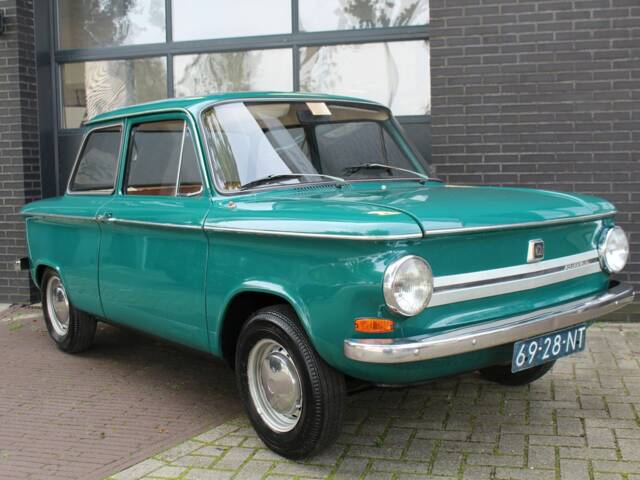
1970 | NSU Prinz 4 L
NSU Prinz 4 L | 1970 | Route 66 Auctions - For sale by auction. Estimate 5500 EUR

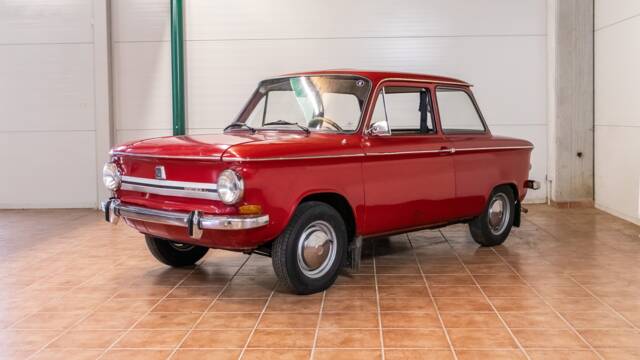
1969 | NSU Prinz 4 L
Compact rear-engine classic from the late 1960s

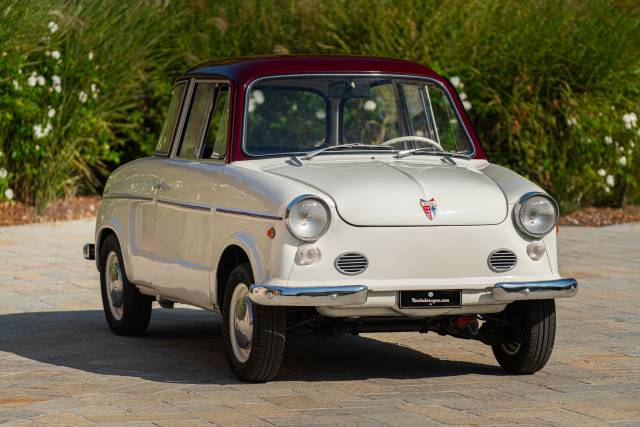
1961 | NSU Prinz 30
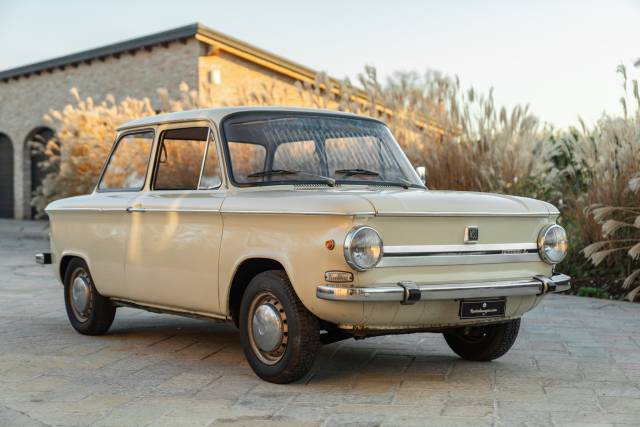
1970 | NSU Prinz 4 L
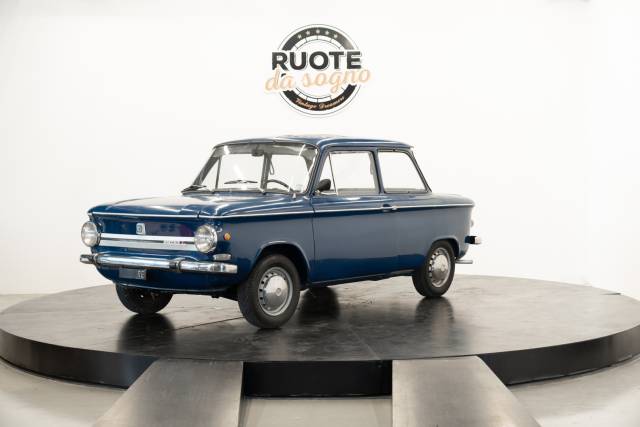
1971 | NSU Prinz 4 L
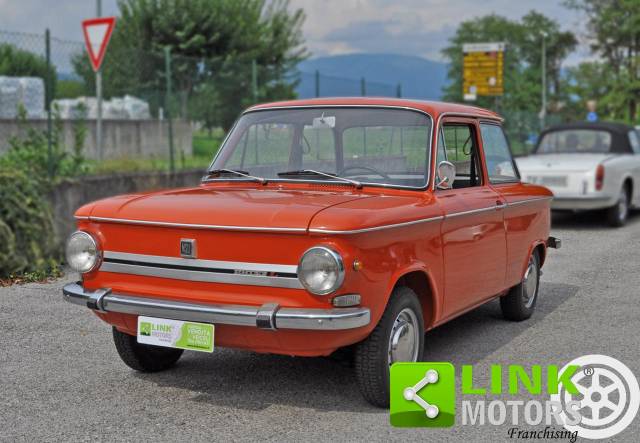
1971 | NSU Prinz 4 L
NSU PRINZ Prinz L 4
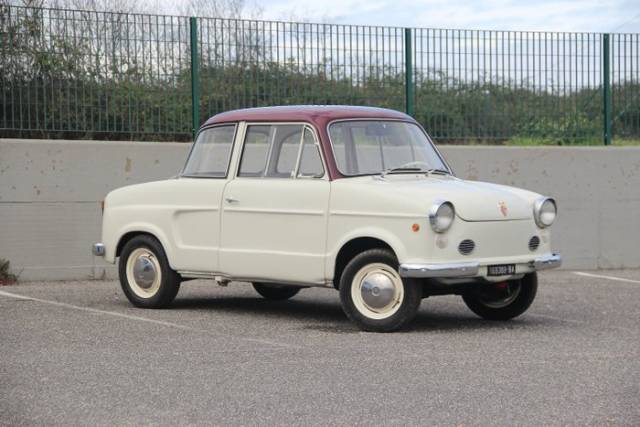
1961 | NSU Prinz 30
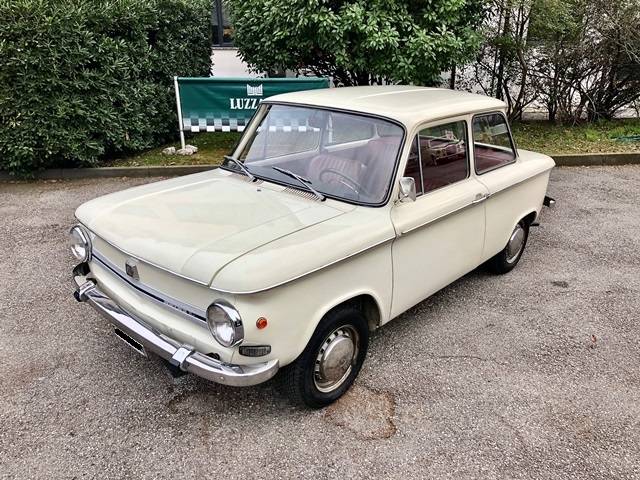
1971 | NSU Prinz 4 L
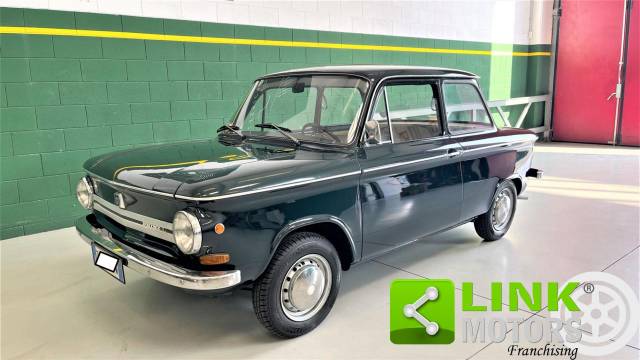
1969 | NSU Prinz 4 L
NSU PRINZ Prinz L Prinz 4 - CONSERVATA!
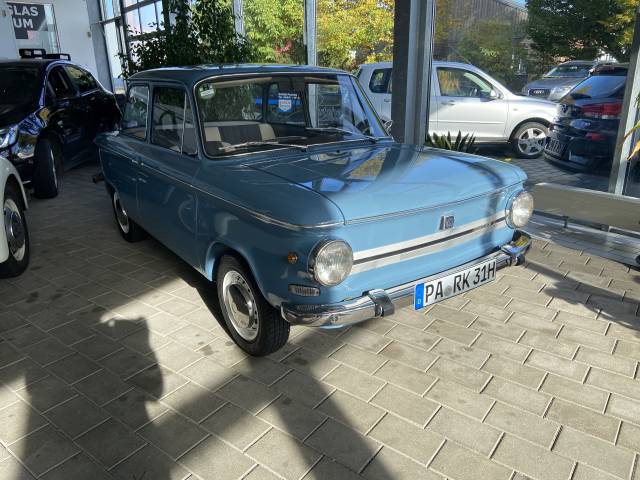
1970 | NSU Prinz 4 L
Vollrestauriert und fahrbereit.

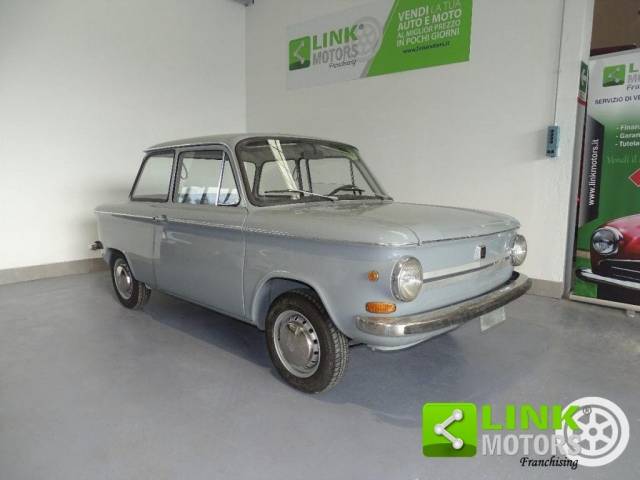
1973 | NSU Prinz 4 L
NSU PRINZ L - IV
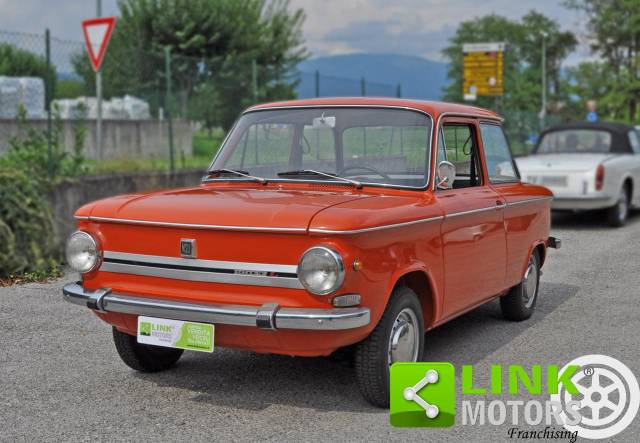
1971 | NSU Prinz 4 L
NSU PRINZ Prinz L 4
NSU Prinz Classic Cars: Prices & Market Values
History of the NSU Prinz
Unveiled at the 1957 Frankfurt Motor Show, the NSU Prinz marked the brand’s re-entry into car manufacturing after World War II. Production began in 1958 and the inaugural Prinz featured a 583 cm³ air-cooled two-cylinder rear engine, developing 20 hp and achieving 105 km/h—impressive for its class and era. Developed as a practical, economical saloon exclusively as a two-door, the Prinz was simply equipped but benefitted from engineering advances such as a unibody structure and an early adoption of 12V electrics. Subsequent releases like the Prinz II and III improved on driveability and comfort, while the series expanded through the 1960s to feature various technical refinements, culminating in nearly 100,000 units produced. In 1969, NSU was absorbed by Volkswagen, ceasing production of the Prinz line by 1973.
Model History
The NSU Prinz lineage began with the Prinz I, an affordable compact launched in 1958. In 1959, the Prinz II introduced a fully synchronised gearbox and enhanced interior features. The Prinz III, appearing in 1960, saw a power increase to 23 hp and subtle styling revisions. From September 1961, the Prinz 4 arrived, adopting a more modern body inspired by the Chevrolet Corvair and offering a 598 cm³, 30 hp engine. Larger and more advanced models, including the Prinz 1000, TT, and TTS, followed—these versions received four-cylinder engines of up to 1,200 cm³, greater power, and a reputation for agile handling. The Prinz platform’s evolution ended when Volkswagen’s acquisition redirected NSU’s focus, with the Volkswagen Polo regarded as its spiritual successor.
Highlights and Key Features
The NSU Prinz brought several class-leading features to the table: a robust and lightweight unibody construction, an air-cooled engine in the rear for optimal weight distribution, and straightforward yet durable interior design. Ergonomics were a focus, with wide doors for easy rear seat access. As development progressed, models gained improved gearboxes, upgraded suspension, refined dashboards and options for leatherette interiors and two-tone paint. Later versions excelled in compact performance, rivalling contemporary rivals in both handling and reliability.
Technical Data
Special Editions and Collectible Models
From 1959, NSU introduced the Prinz 30 and Sport Prinz. The Prinz 30 elevated compression to produce 30 hp and a top speed of 118 km/h, featuring a heat exchanger heating system and extended suspension. The Prinz 30 was available in more colours and with two-tone paint as an extra. The NSU Sport Prinz, designed by Franco Scaglione and built from 1958–1968, expanded the range with a coupe body, drawing over 20,000 buyers. The Sport Prinz's unique Italian styling and increased engine capacity (upgraded to 598 cm³ in 1962) enhanced collectability. Late-series models such as the Prinz 1000, TT, and TTS evolved into practical sports saloons, often sought after for motorsport and historic rally events.
Engine and Performance, Transmission and Handling
The NSU Prinz is notable for its lively engine positioning and light handling characteristics. In early versions, the rear-mounted air-cooled two-cylinder offered adequate performance for city and light touring, with the motor’s design prioritising reliability and ease of maintenance. Suspension and steering improvements across the series improved ride comfort and road-holding, while the move to larger engines in the Prinz 1000, TT, and TTS allowed for brisk acceleration and agility on both road and track. The manual four-speed transmission transitioned from unsynchronised units to fully synchronised gearboxes, easing the driving experience for later models. - NSU Prinz I, II, III: Standard air-cooled two-cylinder, 20–23 hp, sturdy city cars.
- NSU Prinz 4: Larger body, 30 hp, 598 cm³ engine, improved comfort and performance.
- NSU Prinz 1000, TT, TTS: Enlarged bodies, lively four-cylinder units up to 1,200 cm³, favoured for sport driving and historic motorsport.
Interior, Comfort, Exterior and Design
The hallmark of the NSU Prinz interior is functional simplicity—clean, straightforward instrument clusters and robust vinyl upholstery, with detail improvements in later revisions. Door cards often used period-correct materials, and some models included basic radios. The exterior followed modern, angular trends of the 1960s, with notable chrome detailing, two-part bumpers, and, for the Prinz 4, a Chevrolet Corvair-inspired silhouette. Factory colours reflected the era, and some special editions boasted two-tone paint jobs. Accessories were minimal but practical, with optional ashtrays and additional trim elements in later models. The Sport Prinz coupe introduced by Scaglione in Turin added Italian styling cues and unique bodywork, marking it out visually in the lineup.
Other Relevant Features
Original paperwork, restoration quality, and retained historical documentation (including logbooks and service records) are distinguishing features among collector-grade NSU Prinz. Availability of parts remains strong thanks to specialist suppliers in Germany, and many vehicles retain their original number plates and manuals. Collector examples are frequently registered as historic vehicles and participate in rallies or club events, supporting the car’s continued legacy within automotive circles. Italian-market vehicles might feature ASI certification as proof of historic relevance.
Summary
The NSU Prinz series encapsulates a unique era in German automotive history—a robust, practical compact born from post-war innovation. Its evolution through a range of models, from straightforward daily drivers to sport-oriented saloons, is accompanied by an enduring reputation for distinctive engineering, ease of maintenance and characteristic design. The Prinz remains a mainstay for collectors and enthusiasts seeking authentic, well-documented classic cars with proven longevity and specialist support.