MG Magnette Classic Cars for Sale
The MG Magnette unites British saloon tradition with technical innovation. Between 1953 and 1968, it set new standards for MG as the marque's first monocoque saloon, with well-appointed interiors and robust B-series engines. Thanks to its elegant styling and durable build, the Magnette appeals to enthusiasts who value relaxed touring and everyday usability.
Suchergebnisse
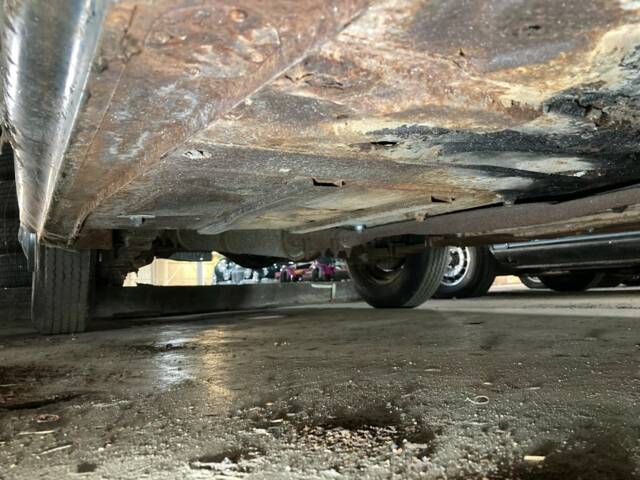
1955 | MG Magnette ZA
MG-Magnette 4312321.
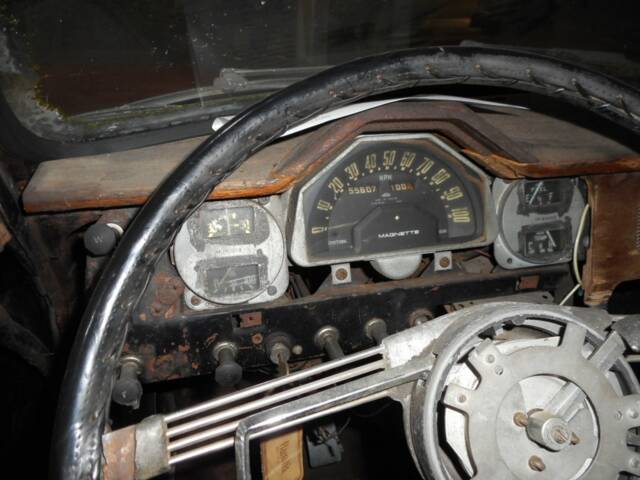
1955 | MG Magnette ZA
MG-Magnette
Auctions ending soon

Loading…
Loading…
Loading…
Loading…
MG Magnette listing references from Classic Trader
Below you will find listings related to your search that are no longer available on Classic Trader. Use this information to gain insight into availability, value trends, and current pricing for a "MG Magnette" to make a more informed purchasing decision.
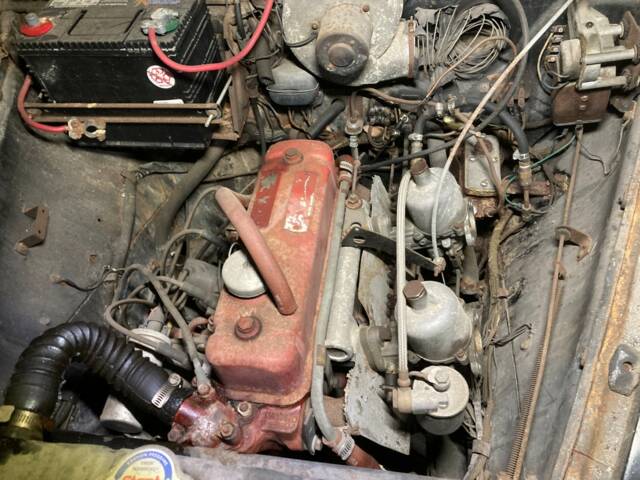
1955 | MG Magnette ZA
MG-Magnette 1955
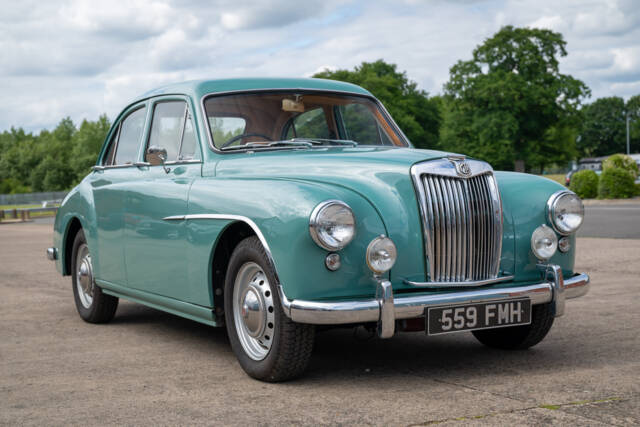
1955 | MG Magnette ZA
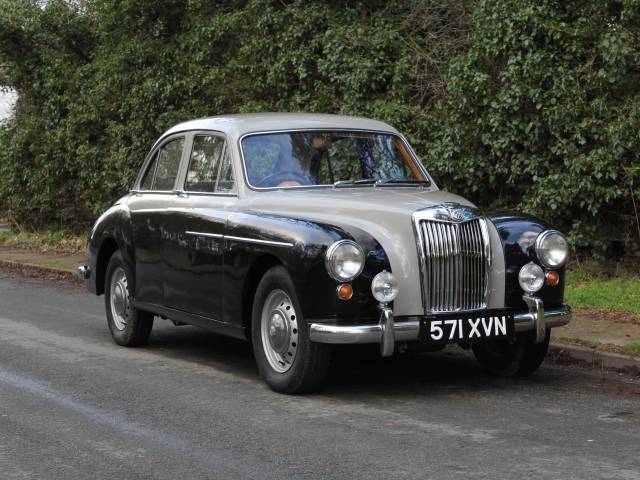
1958 | MG Magnette ZB
1958 MG ZB Magnette
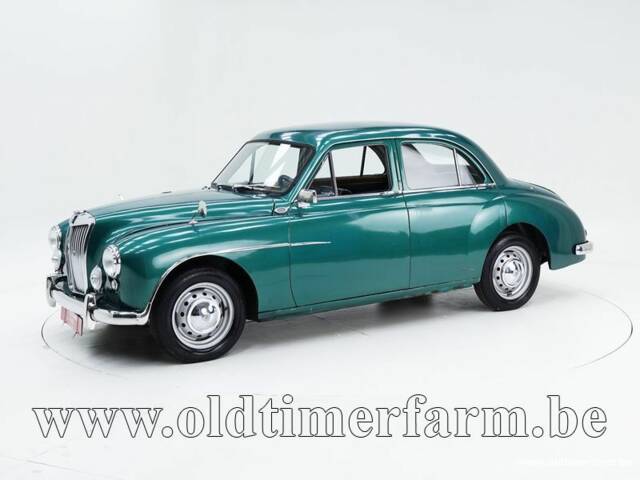
1954 | MG Magnette ZA
1954 MG Magnette '54
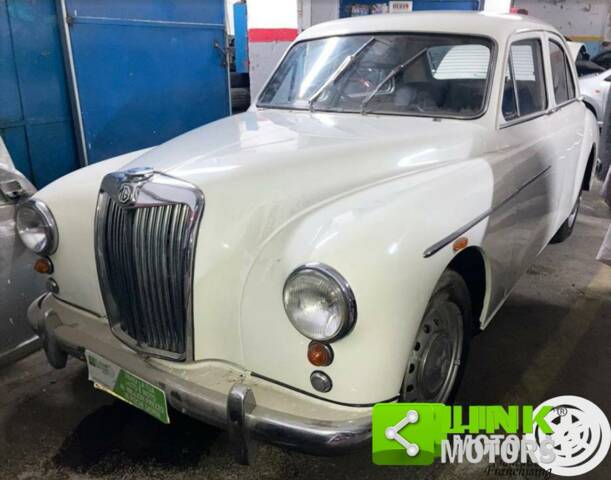
1956 | MG Magnette ZA
MG MAGNETTE-ZA
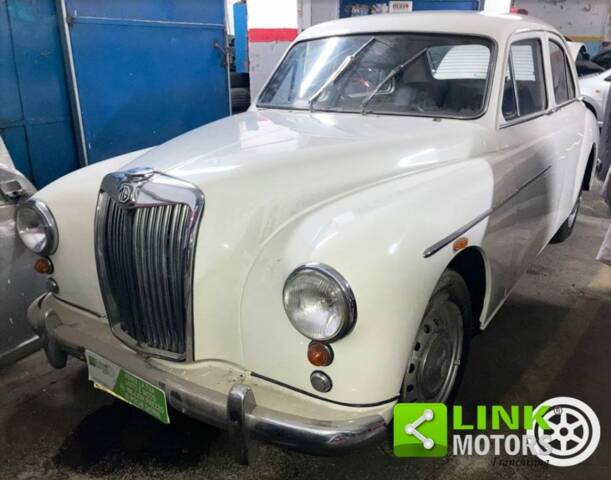
1956 | MG Magnette ZA
MG MAGNETTE-ZA
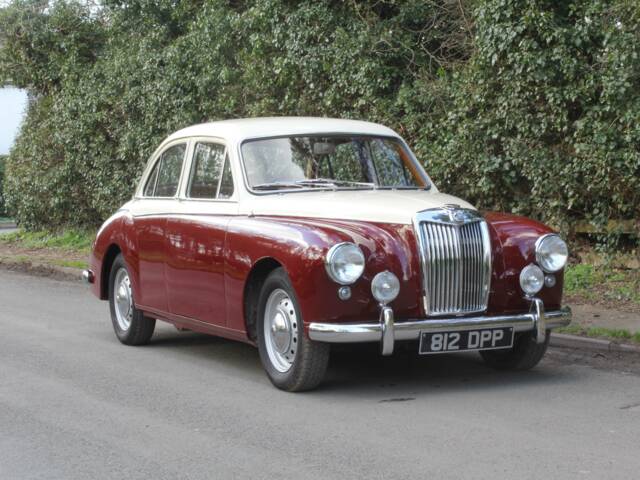
1956 | MG Magnette ZB
1956 MG ZB Variotone Saloon
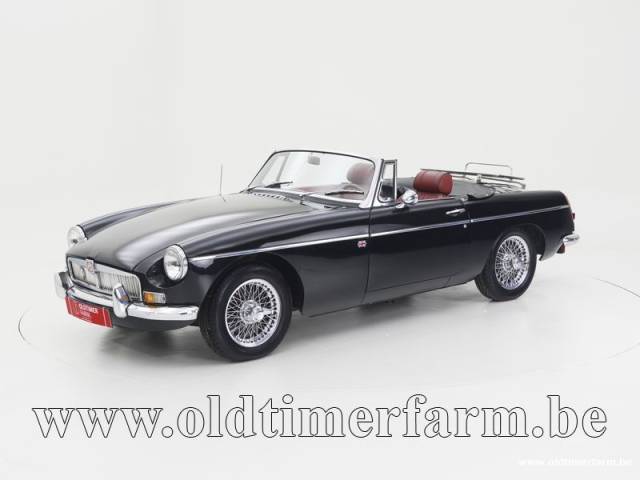
1968 | MG Magnette Mark IV
1968 MG B '68
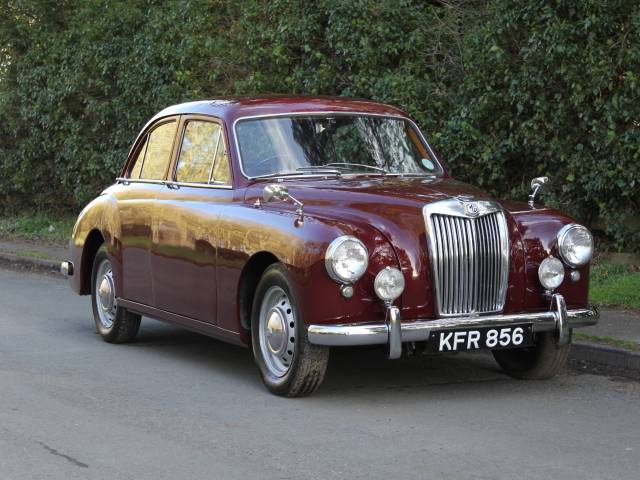
1955 | MG Magnette ZA
1955 MG ZA Magnette
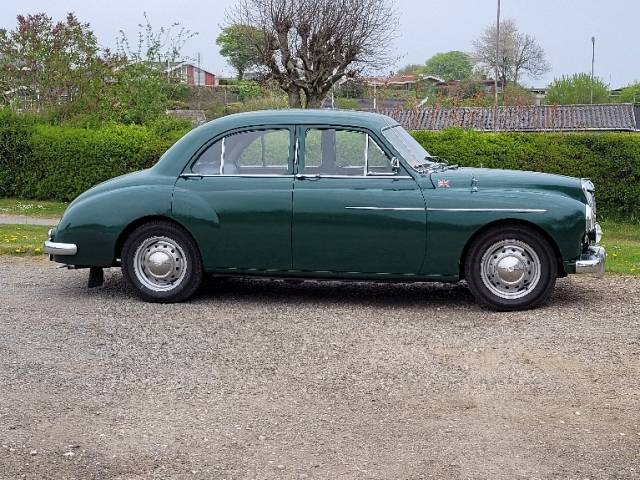
1957 | MG Magnette ZB
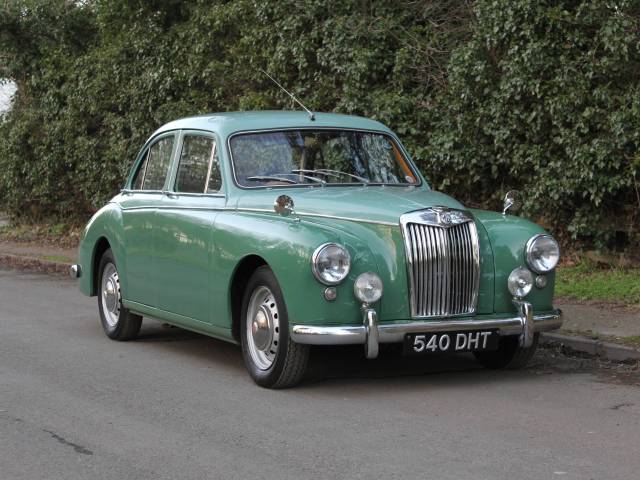
1958 | MG Magnette ZB
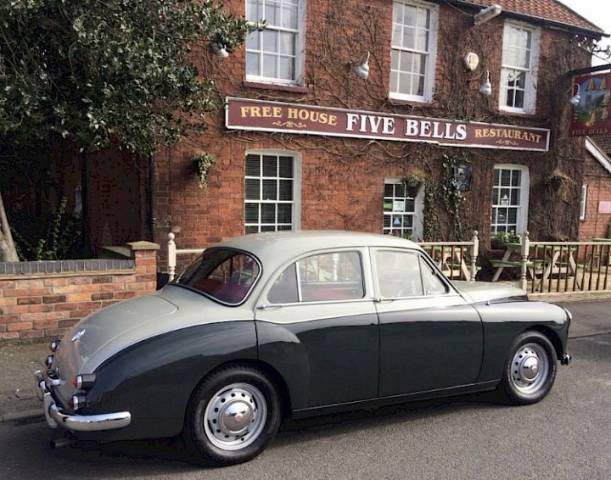
1958 | MG Magnette ZB
History – Origins and Development of the MG Magnette
The MG Magnette’s story begins in 1932 with the introduction of the K1 Magnette—a saloon powered by a 1,087 cc inline-six engine. While early Magnettes like the K1, K2, K3 Supercharged and NA focused on sporting prowess, production paused after 1936. The Magnette name returned in 1953 with the ZA Saloon, marking the shift to a four-door, monocoque-bodied family car. The ZA and later ZB series adopted modern construction, with robust MG B-series engines, delivering a blend of comfort, British flair, and reliable performance, until the final Mark IV ended the lineage in 1968.
Model History of the Magnette Series
Following a break after the 1930s, MG reintroduced the Magnette name in 1953 with the ZA. Built initially with a 1.4-litre four-cylinder engine (44 kW), the ZA set a precedent as MG's first monocoque saloon. Its successor, the ZB, arrived in 1956 with more power (up to 50 kW). In 1959, BMC’s updated Mark III Magnette followed, and by 1961 the Magnette Mark IV brought a longer wheelbase, a 1.6-litre engine, and further comfort updates. The Mark IV marked the end of Magnette production in 1968. Predecessors included the smaller MG Y-Type, while later MG saloons followed in concept but never recaptured Magnette’s blend of elegance and engineering.
Highlights of the MG Magnette Series
The Magnette introduced several advances for MG: the pioneering adoption of a monocoque bodyshell, a plush interior with wood and real leather, and access to modern mechanicals such as the B-series engine and independent front suspension. Standard features included a heater, a rare luxury at mid-1950s price points, and a toolkit in the boot remains sought-after today. The ZB Varitone offered two-tone paint and an enlarged rear window, highlighting a premium direction in mid-century British saloon design. Buyers could choose left- or right-hand drive versions, often dictated by market.
Technical Data
Special Editions and Collectible Models
The MG Magnette ZB Varitone stands apart thanks to its optional two-tone paint finish and larger rear window, a feature exclusive to this upgrade. Mark III and Mark IV Magnettes, as the final series, were produced in smaller numbers; limited production totals and preserved rarities, especially those with automatic transmission or unusual colour schemes, are of particular interest among collectors.
Weak Spots and Common Issues
No known critical weak spots have been specifically documented for the MG Magnette in the available data. As with many British classics of the era, thorough inspection for body rust around sills, wheel arches, and floorpans is advisable. Attention to the integrity of the electrical system, brake components, and mechanical wear is recommended, alongside proper maintenance of the wooden interior trim and leather upholstery.
Engine and Performance, Transmission and Handling
The Magnette offered a lively driving experience for a 1950s–1960s saloon. The B-Series engines, starting at 1.4-litres in the ZA/ZB and increasing to 1.6 litres in the Mark IV, gave the car solid mid-range torque and relaxed cruising capabilities. The four-speed gearbox (w/synchromesh on upper gears) paired well with the power unit. Independent front suspension and rack-and-pinion steering marked a significant improvement in handling and ride comfort, setting the Magnette apart from its rivals at the time. The ZB Varitone and Mark IV benefit from slightly improved performance (top speed up to 140 km/h) and refinement compared to earlier models. - MG Magnette ZA/ZB: 1.489 cc, 44–50 kW, top speed 128–132 km/h, 4-speed manual, distinctive British saloon style.
- MG Magnette Mark III/IV: 1.622 cc, 49–50 kW, top speed up to 140 km/h, optional automatic, longer wheelbase, enhanced comfort.
Interior, Comfort, Exterior and Design
Typical for its class, the Magnette features full-width leather seating, polished walnut dashboards and trim, and practical saloon comfort. The Varitone edition introduced a distinctive two-tone exterior, a panoramic rear window, and upgraded trim. Standard heating, subtle chrome accents, and period-correct colour combinations (such as Ivory/Autumn Red and Steel Blue over Mineral Blue) underscore its character. A full toolkit in the boot reflects the attention to detail in equipment. Factory right- and left-hand-drive versions, plus a choice of accessories, satisfied global markets.
Other Features
Pressed Steel constructed the bodies, ensuring a strong and durable platform. The Magnette’s reputation for robust engineering makes it suitable even for regular use in today’s classic car scene, including vintage rallies and touring events.
Summary
The MG Magnette represents a pivotal chapter in MG’s history, bringing sophisticated saloon design and practical British engineering together. Its combination of robust construction, refined interior, and advanced features for its day continues to appeal to classic car enthusiasts seeking a family-friendly saloon with personality. Whether used for events, touring, or regular outings, the Magnette remains a central offering among classic MG saloons.