Jaguar XJ13 classic cars for sale
The Jaguar XJ13 stands as a solitary masterpiece: a purpose-built prototype by Jaguar for Le Mans in the 1960s, combining advanced engineering with striking design. With only a single example ever made and never campaigned in competition, it is among the rarest and most valuable pieces of automotive history.
Search results
Currently, there are no matching listings for your search.
Create search alert
Let yourself be notified as soon as a listing is published that matches your search filters.
Create listing
Do you have a Jaguar XJ13 that you want to sell? Then create a listing now.
Create listingJaguar XJ13 listing references from Classic Trader
Below you will find listings related to your search that are no longer available on Classic Trader. Use this information to gain insight into availability, value trends, and current pricing for a "Jaguar XJ13" to make a more informed purchasing decision.
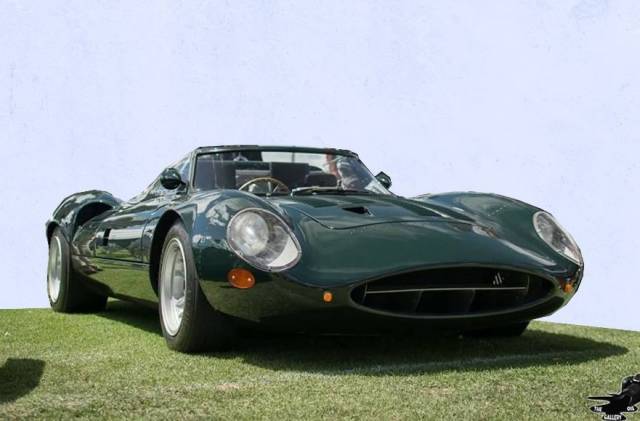
1986 | Jaguar XJ13
1986 Jaguar XJ13 'R'
Create search alert
Let yourself be notified as soon as a listing is published that matches your search filters.
Create listing
Do you have a Jaguar XJ13 that you want to sell? Then create a listing now.
Create listingHistory of the Jaguar XJ13
In the mid-1960s, Jaguar set its sights on reclaiming Le Mans glory with a bold new prototype, the XJ13. Conceived by Engineering Director William Heynes and his team, the XJ13 represented the pinnacle of the brand’s racing ambitions post-D-Type era. Development focused on an all-new mid-engine configuration and the creation of a unique V12 engine. Debuting in 1966, the car never made it to the starting grid at Le Mans as changing regulations and internal priorities led to the cancellation of the project after just one prototype. The car survived in Jaguar’s collection, growing in fame due to its rarity and its pivotal position in Jaguar’s motorsport narrative.
Model History
The XJ13 holds a special place as the only model of its kind—Jaguar built just a single prototype. There was no predecessor carrying the XJ13 name; it was directly inspired by the successful C-Type and D-Type Le Mans racers, but with a modernised design and a newly developed V12 powerplant. The project’s demise meant there was no direct successor. However, technical elements and spirit from the XJ13 later influenced Jaguar’s V12 engines and the XJ-S road car.
Highlights of the Jaguar XJ13
The XJ13 is defined by its one-off status, mid-engine layout, and unique racing V12 developed specifically for endurance competition. The car’s bodywork features aerodynamic curves honed in the wind tunnel—a rarity at its time. It remains a touchstone for advanced engineering approaches from 1960s British motoring. According to Classic Trader data, listings for the XJ13 represent 100% of Jaguar models under this specific manufacturer code on the platform, and demand among enthusiasts sharply reflects its unmatched rarity with 100% of Jaguar views attributed to the XJ13. Its exclusive nature has greatly influenced its value; for example, a £7 million offer was declined in 1996, well exceeding contemporary top-tier Ferrari values.
Technical Data
Special Editions and Collectible Models
The XJ13 is itself a unique special edition, with a single car manufactured. There have been no factory-authorised replicas. This exclusivity is why it remains among the most famous 'one-off' prototypes ever built.
Weak Spots and Common Issues
Given only one XJ13 was built and it never entered series production, there is no conventional maintenance or common issue data. The sole surviving car has been maintained by Jaguar's own heritage department, preserving it in museum-quality condition. Owners of recreation projects based on the XJ13 design should pay special attention to V12 engine tuning and the aluminium structure's integrity.
Engine and Performance, Transmission and Handling
With its purpose-built 5.0-litre racing V12 situated behind the driver, the XJ13 was engineered for high-speed circuit work at Le Mans. Independent suspension and a lightweight aluminium body deliver superb cornering potential and stability at speed. Although never raced, period testing showed it could exceed 170 mph, an exceptional achievement for the era. The manual gearbox provides direct engagement, and handling is reportedly balanced, befitting a car intended to challenge Europe's best at Le Mans. As the only existing variant, the sole XJ13 prototype sets the standard: V12, 5-speed, mid-engine, aluminium monocoque.
Interior, Comfort, Exterior and Design
The XJ13’s body, shaped under the guidance of aerodynamicist Malcolm Sayer, features flowing aluminium panels with deep wheel arches, low stance, and minimal ornamentation—hallmarks of 1960s race car design. The spartan cockpit, focused on driver engagement, eschews luxury for lightweight practicality. The signature British Racing Green finish typifies Jaguar’s motorsport palette, and the handcrafted interior surfaces underline its status as a tool for the track rather than a luxury tourer.
Other Features
The XJ13 represents the technological turning point for Jaguar, bridging the gap between the company’s straight-six racing legacy and later V12 road car ambitions. Its influence appears in Jaguar’s subsequent engine and chassis developments.
Summary
The Jaguar XJ13 remains one of the most intriguing stories in automotive history: a one-off Le Mans prototype that never got its racing shot. With a bespoke V12, mid-engine platform, and one-of-a-kind status, it is unmatched in rarity and historical significance. All available data confirm: when looking for a true collector’s Jaguar, the XJ13 stands alone—literally and figuratively.