Chrysler 300 Classic Cars for Sale
The Chrysler 300 series stands out as a true blend of luxury and powerful V8 muscle. Known for their bold styling, lavish interiors, and commanding presence, these American full-size cars dominated the roads between 1955 and 1970, with highlights like the 'Letter Cars' and exclusive collector editions. Distinctive design and strong motors make them a prized choice for true enthusiasts.
Search results
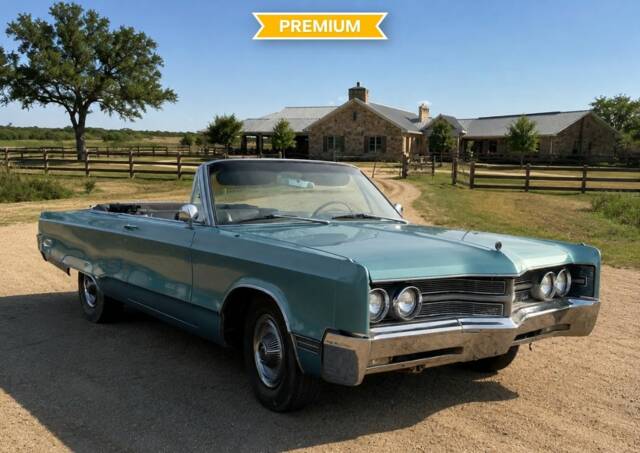
1967 | Chrysler 300
Chrysler 300 Cabriolet | 1967 | Route 66 Auctions - For sale by auction. Estimate 10500 EUR

Chrysler 300 listing references from Classic Trader
Below you will find listings related to your search that are no longer available on Classic Trader. Use this information to gain insight into availability, value trends, and current pricing for a "Chrysler 300" to make a more informed purchasing decision.
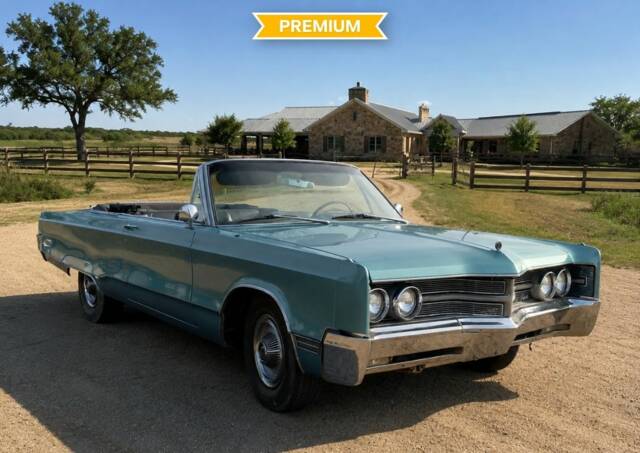
1967 | Chrysler 300
Chrysler 300 Cabriolet | 1967 | Route 66 Auctions - For sale by auction. Estimate 10500 EUR
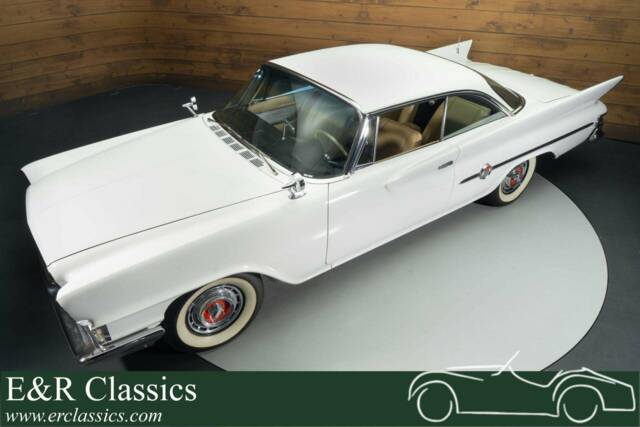
1961 | Chrysler 300 G
Chrysler
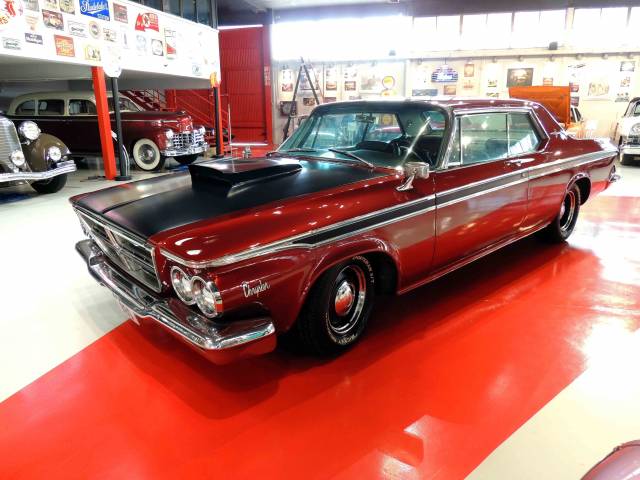
1964 | Chrysler 300 K
Coupé

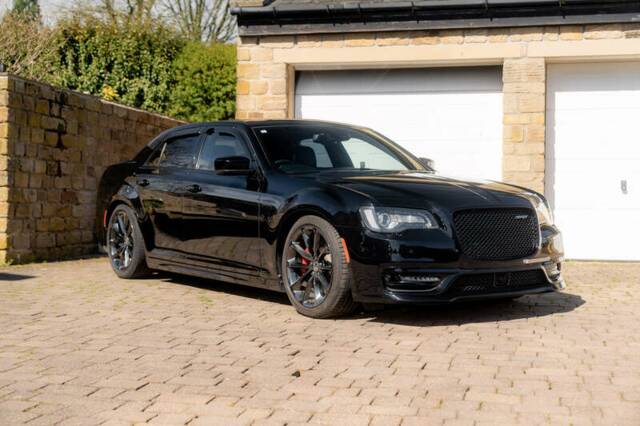
2017 | Chrysler 300 SRT8
2017 Chrysler 300 SRT8 6.4L

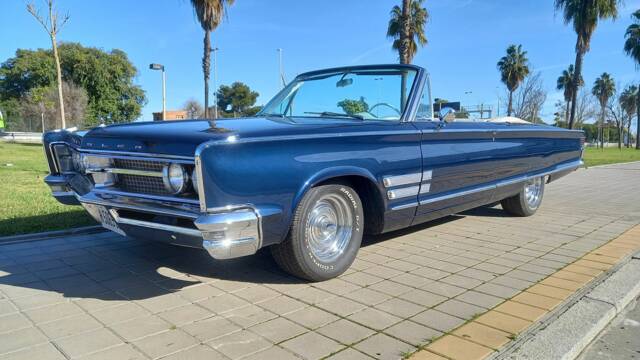
1966 | Chrysler 300 L
Chrysler 300 Cabriolet 6.3 V8 | 1966 | Route 66 Auctions - For sale by auction. Estimate 14500 EUR
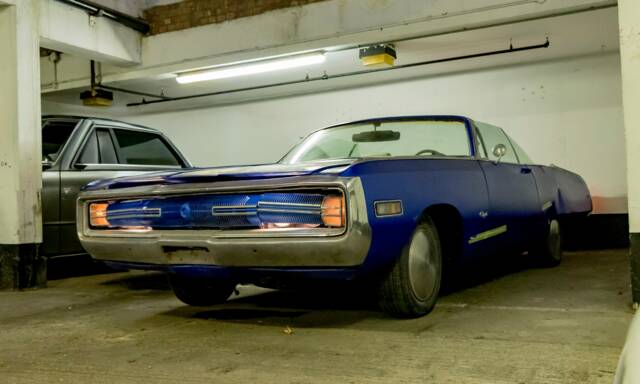
1970 | Chrysler 300 L
1970 Chrysler 300 Cabriolet
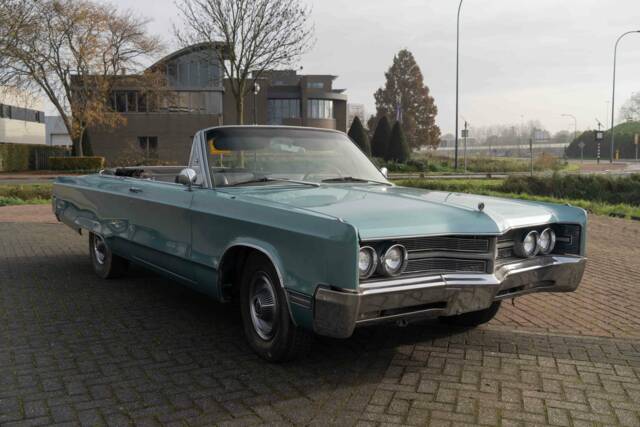
1967 | Chrysler 300
Chrysler 300 Cabriolet | 1967 | Route 66 Auctions - For sale by auction. Estimate 10500 EUR
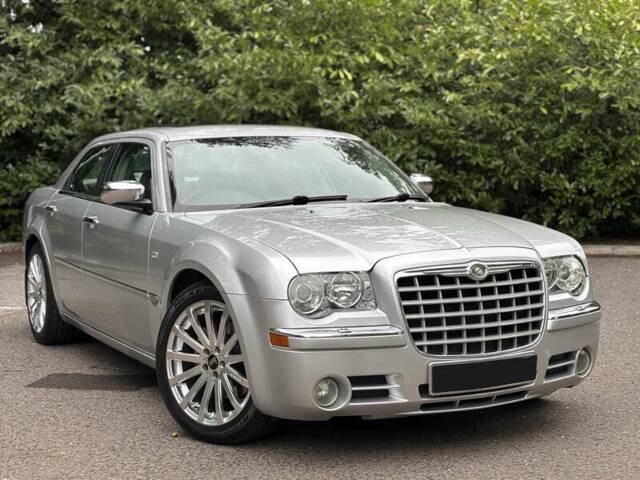
2008 | Chrysler 300 S
2008 Chrysler 300C 5.7 Hemi V8
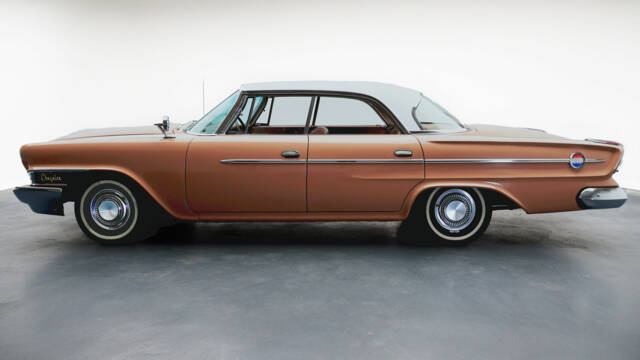
1962 | Chrysler 300 H
Lot 31 Chrysler 300 Big Block (1962). Schätzpreis CHF 23'000 bis CHF 28'000

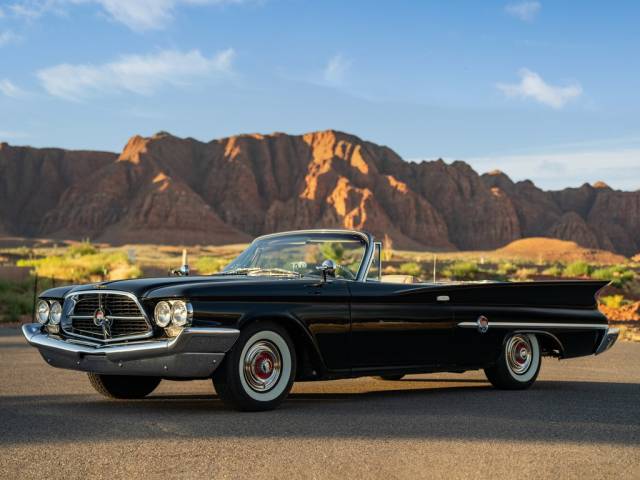
1960 | Chrysler 300 F
1960 Chrysler 300F Convertible
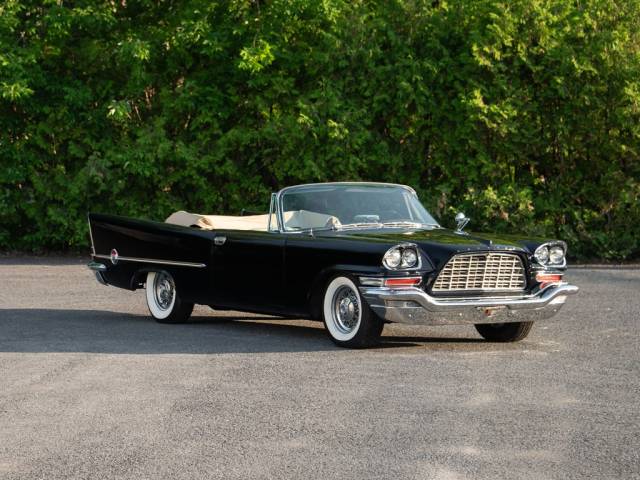
1958 | Chrysler 300 D
1958 Chrysler 300D Convertible
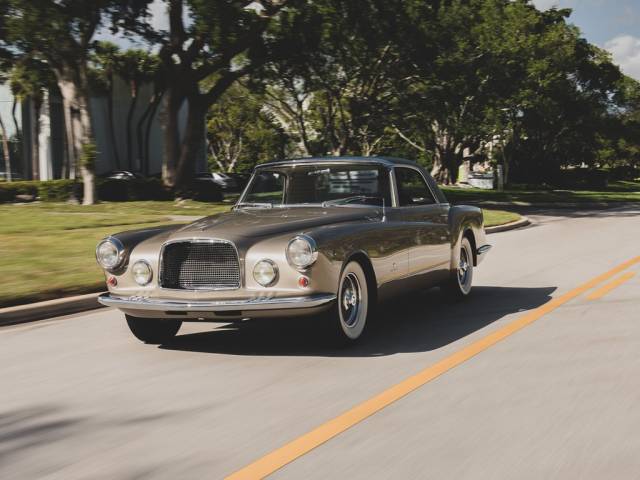
1956 | Chrysler 300 B Boano
1956 Chrysler 300B Coupe Speciale by Boano
Chrysler 300 Classic Cars: Prices & Market Values
History of the Chrysler 300 Series
First launched in 1955, the Chrysler 300 set itself apart as a range dedicated to both speed and luxury. These cars gained the nickname 'Letter Cars' due to the changing suffixes for each yearly model, beginning with the 300A and continuing through to 300L. The 300 used the Chrysler New Yorker as a base but ramped up style and performance, especially with the Hemi V8 at over 220 kW. Over the years, Chrysler continuously adapted the 300's design, keeping pace with evolving trends, and introduced innovations like automatic transmissions with pushbutton gear selectors. While the final 'Letter Car'—the 300L—arrived in 1965, the mark that the series left on American car culture and luxury performance was enduring.
Development of the Model Series
The original Chrysler 300 models (1955–65) were quickly dubbed 'Letter Cars' because of their evolving suffixes—A through L, skipping 'I'. Each model year introduced changes in exterior lines, mechanical specifications, and luxury upholsteries. The early models stood out for their tailfins and pronounced chromed details. From 1957, the 300C came as a cabriolet as well. Later models, such as the 300F and 300G, included further improvements to suspension and engines. The last of the traditional Letter Cars was the 300L in 1965, which reflected the styling tendencies of the 1960s. In 1970, the Hurst Edition appeared as a one-off extension of the lineup, bridging the historic series with muscle car culture.
Key Features of the Chrysler 300
The Chrysler 300 series was characterised by a blend of luxury finishes—thick leather seats, impressive wood dashboards, chrome motifs, and ample interior space. Under the bonnet, performance was provided by V8 powertrains, including Hemi and big-block engines, often with substantial power outputs (e.g. up to 275 kW/375 hp). Distinctive design elements included the Forward Look styling by Virgil Exner, sweeping tailfins, and unique Imperial rear lights. Features such as power steering, brake boosters, air conditioning, and pushbutton automatics were available even in the late 1950s. Exclusive details like Kelsey-Hayes wire wheels or Marchal headlamps add to the collectable factor for enthusiasts.
Technical Data
Special Editions and Collectible Models
The 1970 Hurst 300 is among the standout collector’s variants—a one-year-only edition limited to 501 units, featuring a distinctive white-and-gold paint scheme, fibreglass bonnet, and a 345-hp V8. There are also rare coachbuilt models crafted by European customisers, plus convertible variants from the late 1950s and early 1960s which are exceptionally rare and valued.
Weak Spots and Typical Issues
As robust as the Chrysler 300 series is, their age means attention should be paid to rust in body panels, electrical wear (especially power windows and early air conditioning), hydraulic issues in power steering and brakes, and sourcing correct trim pieces for restoration. Restorations with original or period-correct interiors and mechanicals are especially prized in the classic market.
Engine, Transmission and Driving Dynamics
The 300 series was always gloved in luxury yet powered by serious American V8s—Hemi, 383, or 413 cubic inches, depending on the year and variant. Driving characteristics are defined by lots of torque, smooth automatic transmissions, and solid handling for a car of this size. Power steering and booster brakes contributed to comfortable handling, while upgraded suspension in later models brought more stability at speed. - 300C (especially cabriolet, for its style and lowest production numbers)
- Hurst 300 (1970, 345 hp, rare and powerful)
- 300F (noted for performance upgrades and enhanced road manners)
Interior, Comfort, Exterior Design
Late 1950s Chrysler 300s wore the "Forward Look" with sweeping lines, pronounced fins, and distinctive dual headlamps, all under the design direction of Virgil Exner. Chrome is abundant, especially on grilles and window surrounds. Interiors focus on luxury: thick bench seats, high-quality leathers, rosewood dashboards, and optional accessories such as power convertible roofs, original radios, and air conditioning. Factory options even included electric aerials and whitewall tyres. Convertible and coupe bodystyles were both available, and some top-of-the-line variants featured trim names like Crown or LeBaron—drawn from famed coachbuilders. Exclusive European bodywork (e.g. by Boano) underscore the international allure of certain rare 300 models.
Other Features
Practicality was never ignored: the 300 offered seating for five adults and generous boot space. They were predominant on US roads, but some examples imported to Europe remain prized for their imposing looks, rarity, and luxury.
Summary
Chrysler 300 classic cars offer an appealing mix of high-displacement American V8 muscle with a level of luxury and presence rarely matched in their era. With strong interest from collectors, a variety of distinct model years and limited editions, and a reputation for comfort and style, the Chrysler 300 remains one of the most significant American full-size classics on the market.