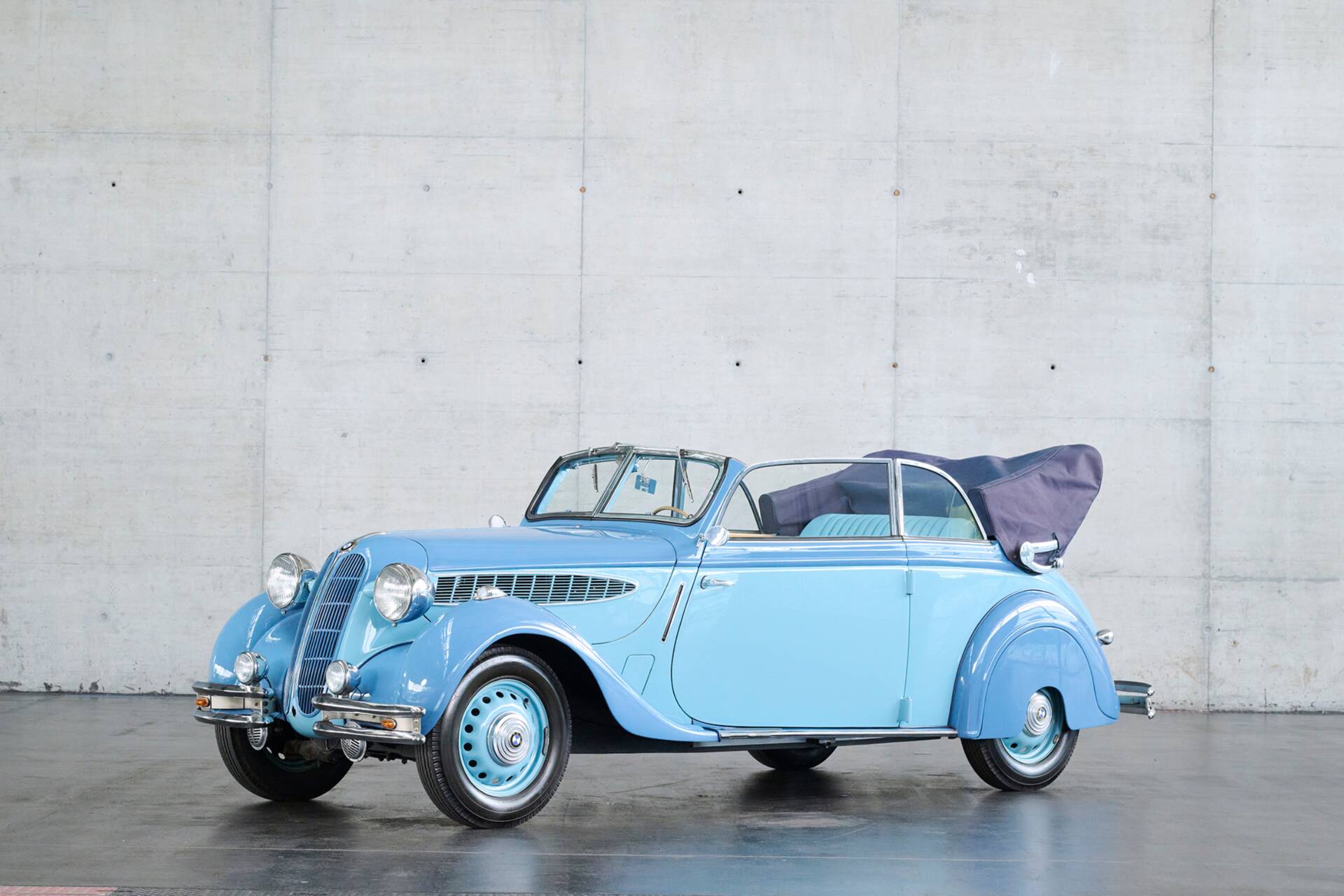
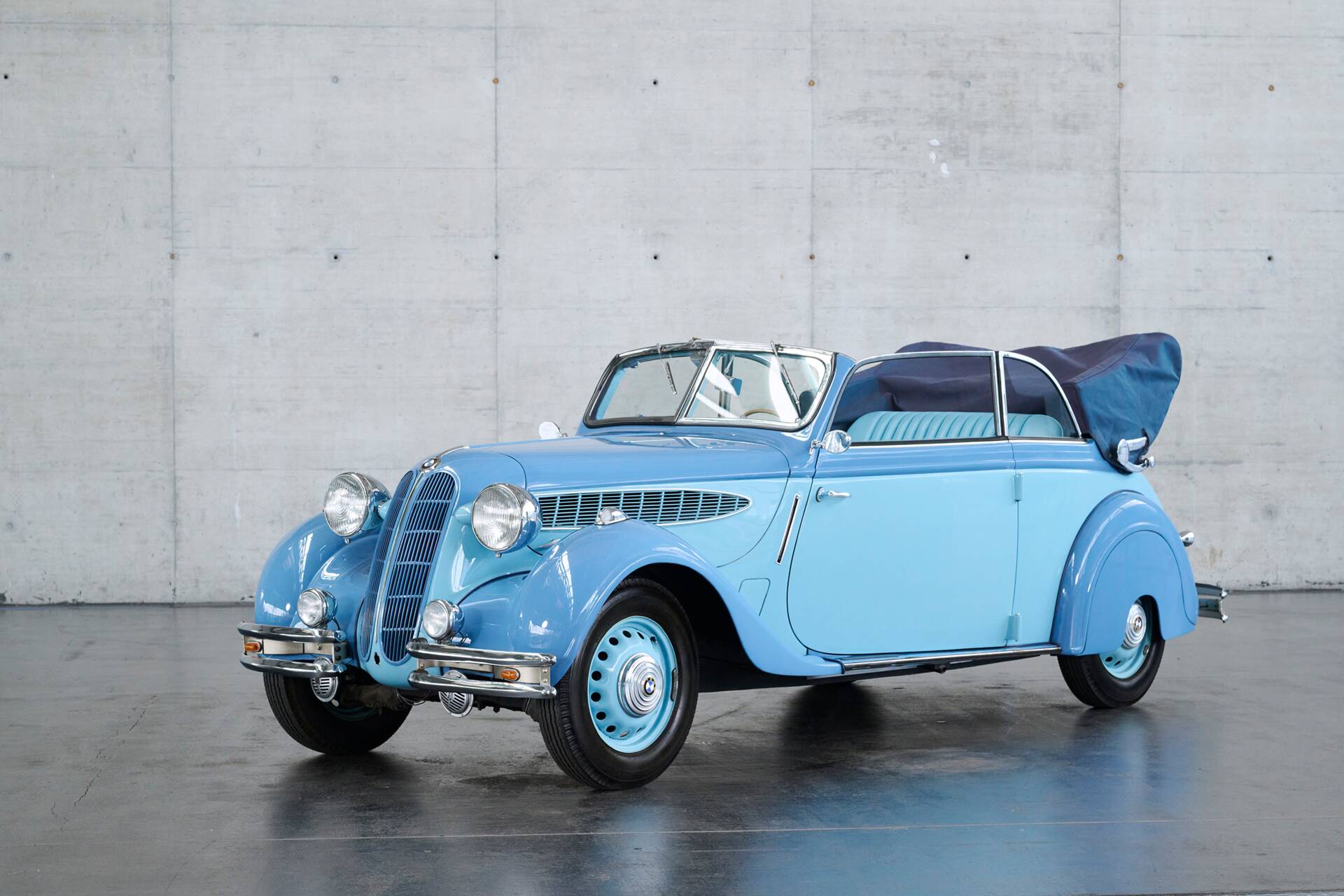
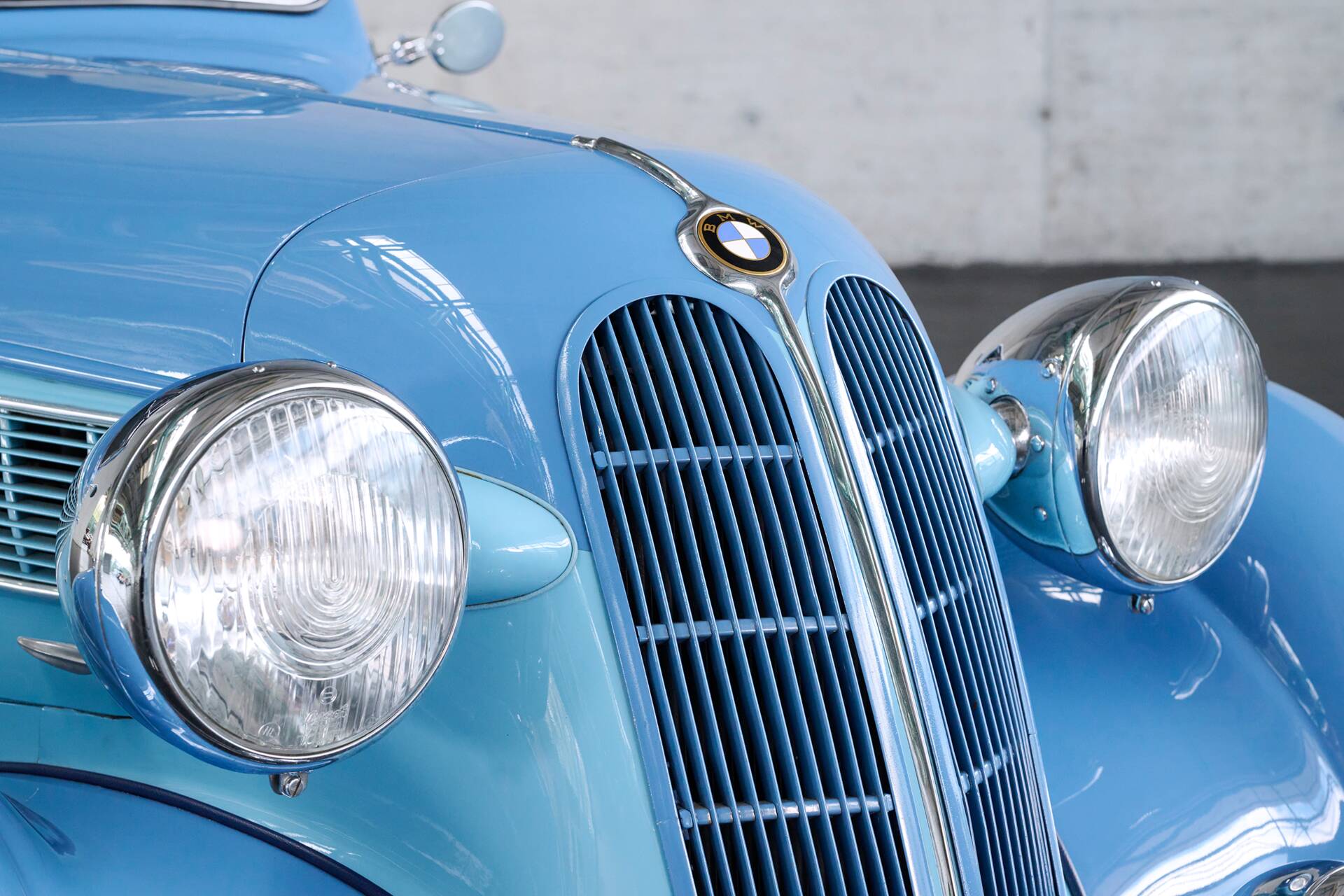
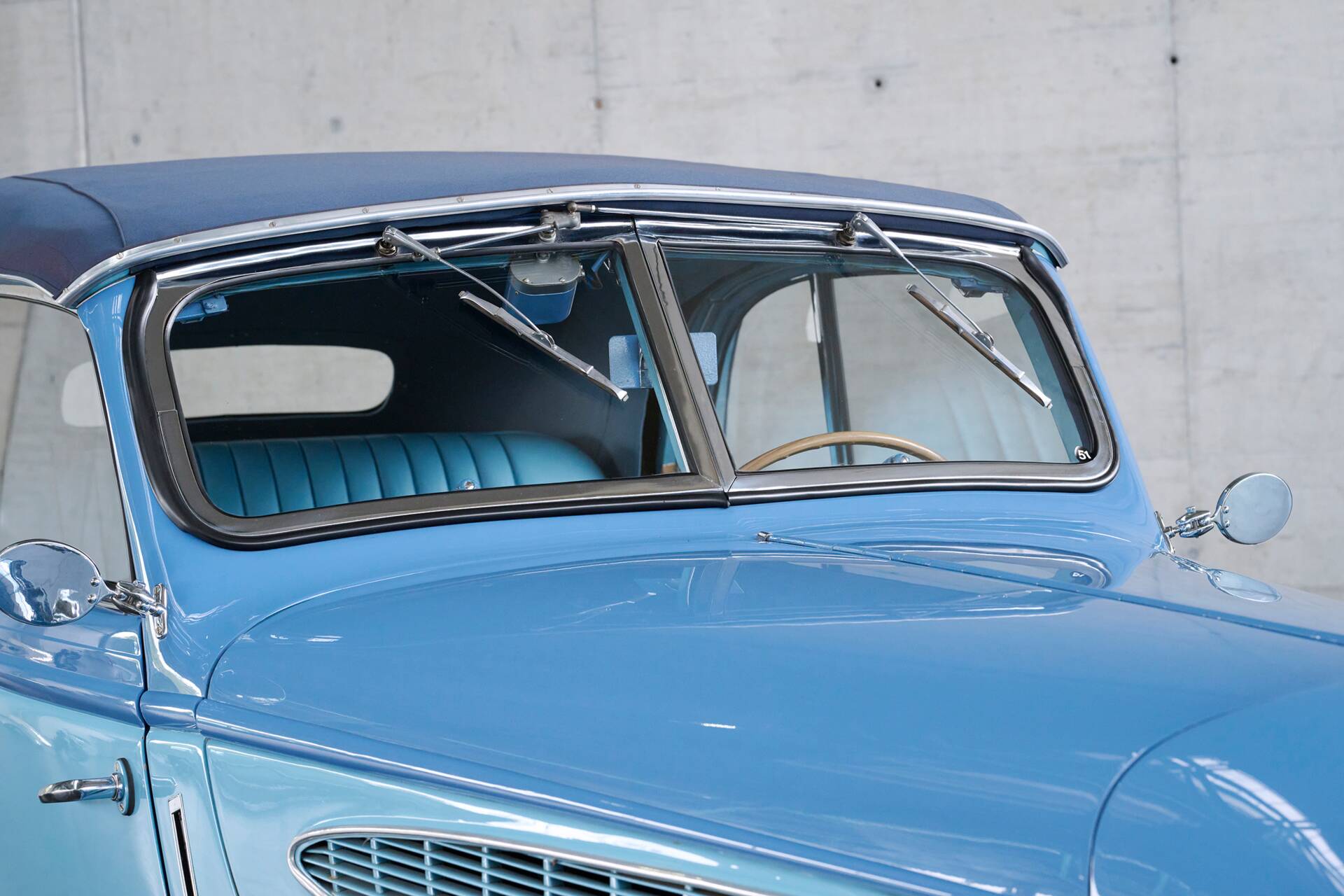
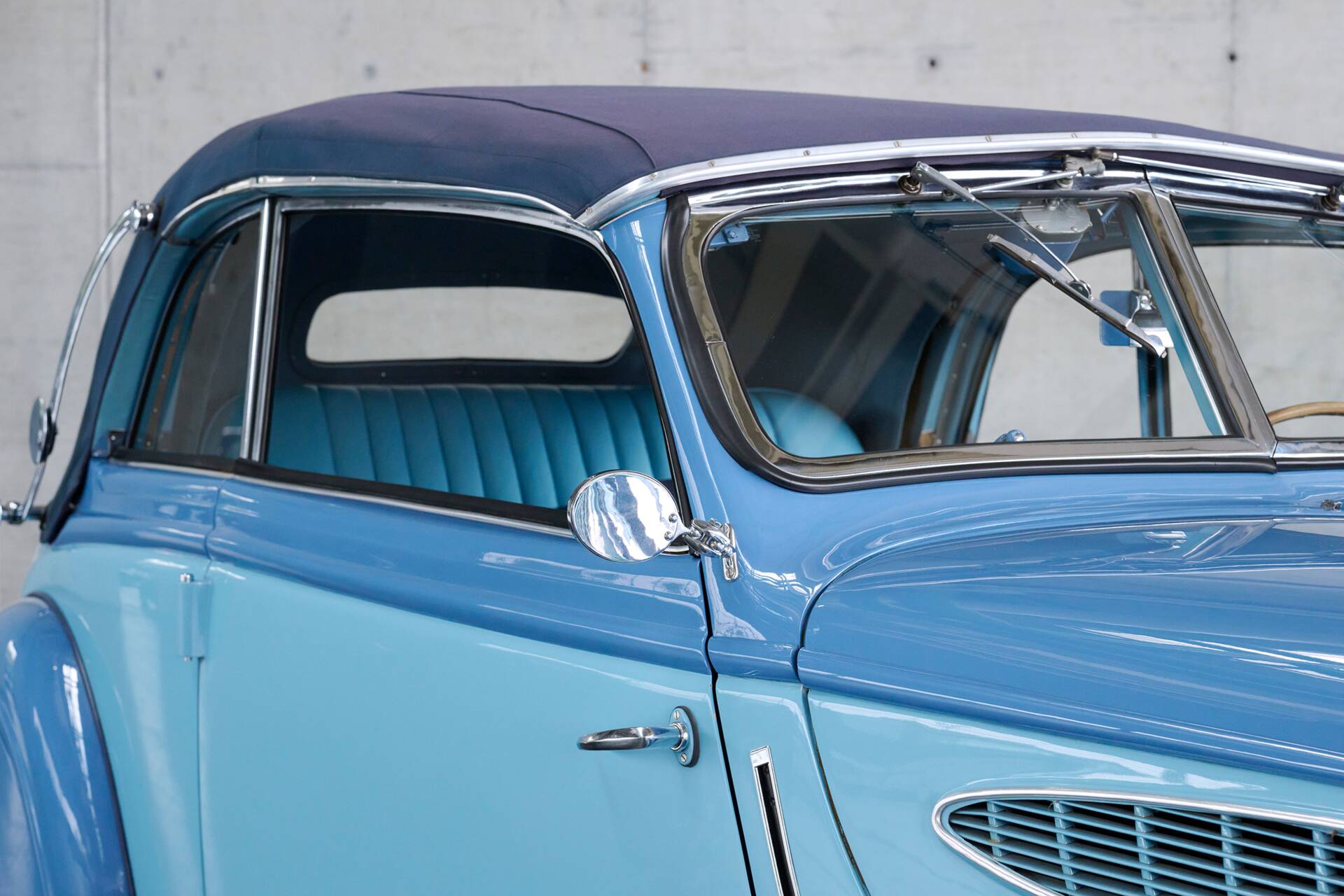
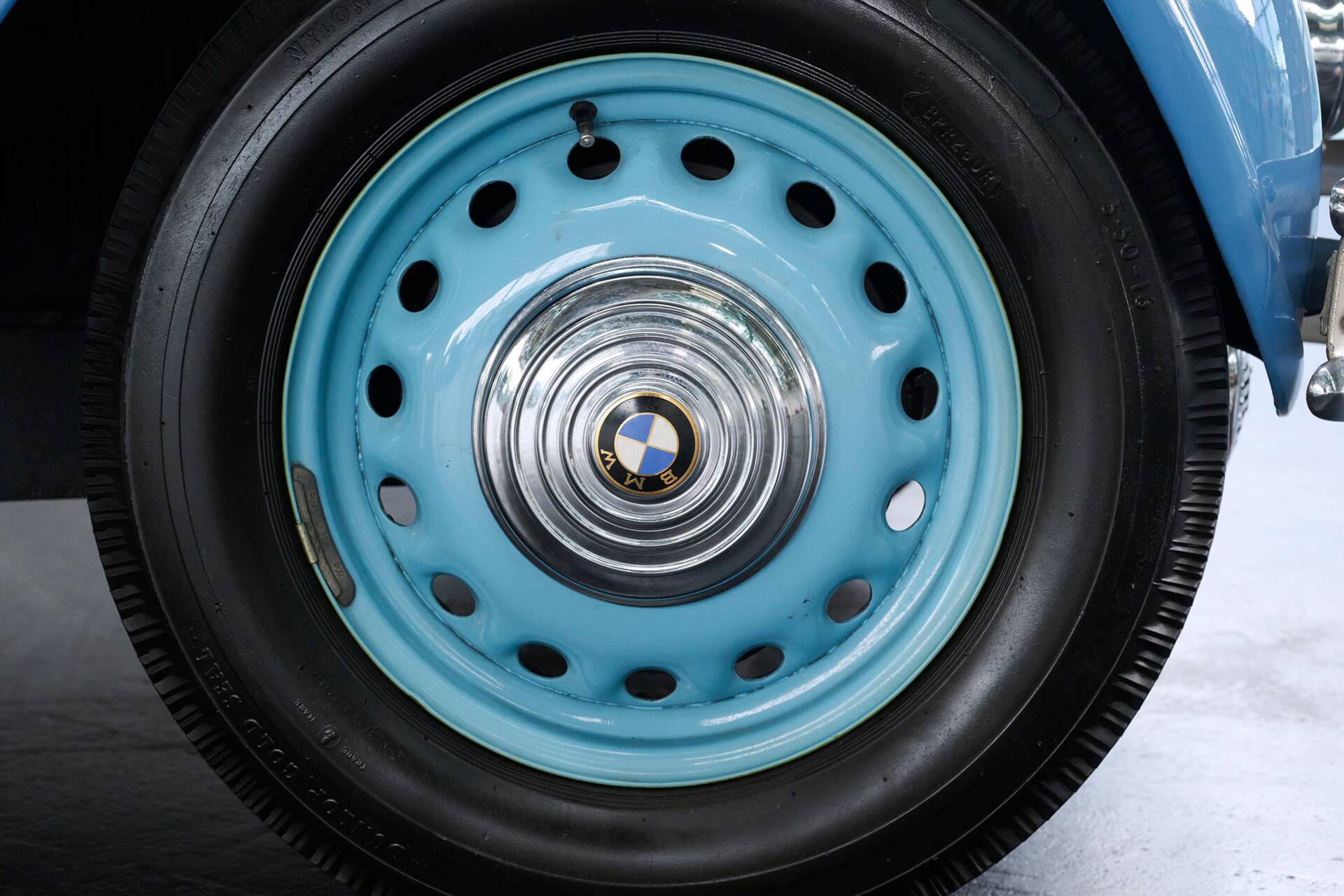
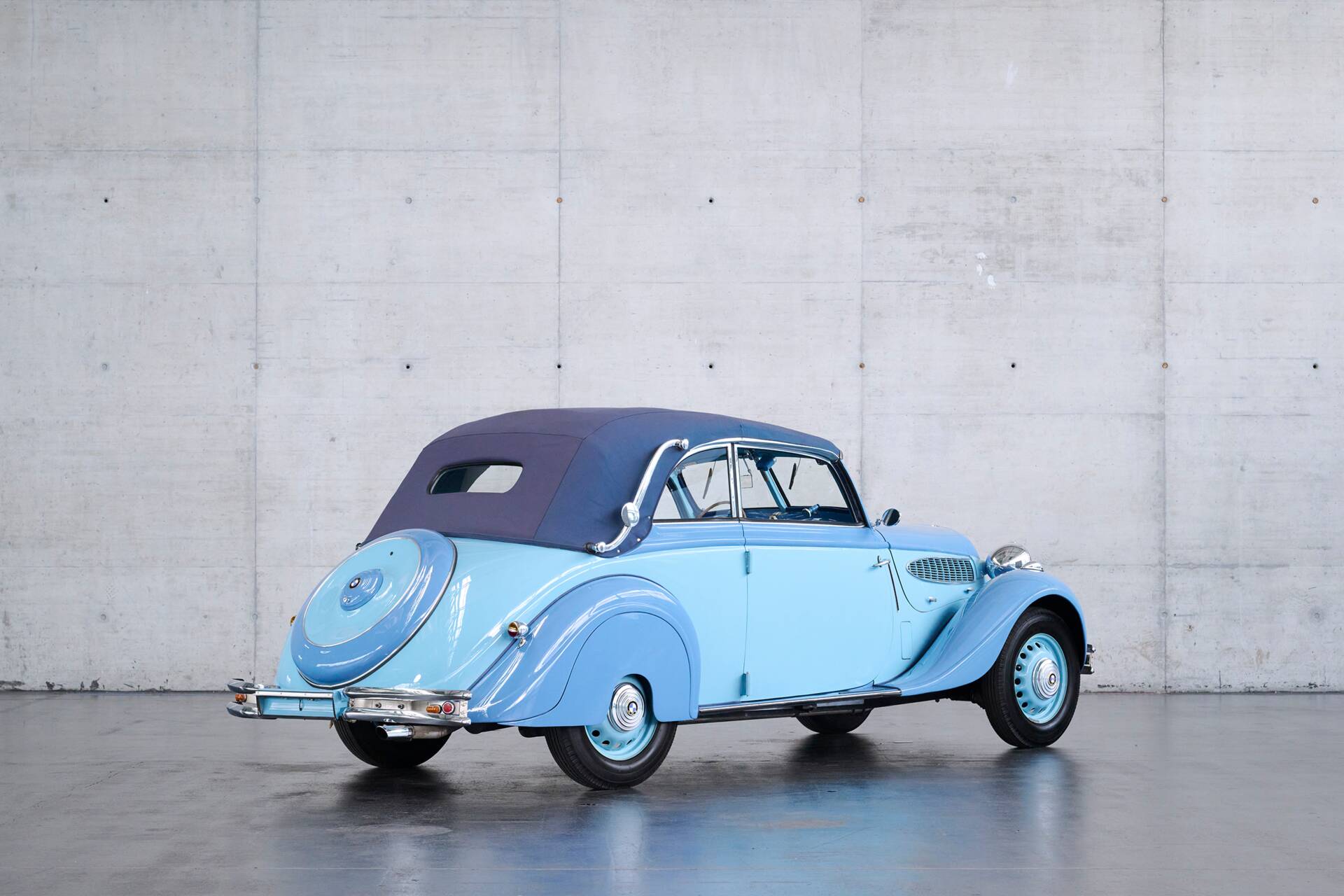
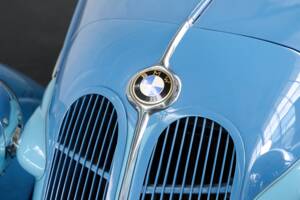
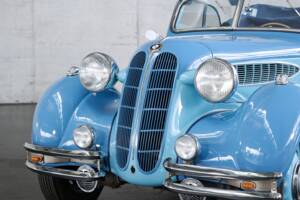
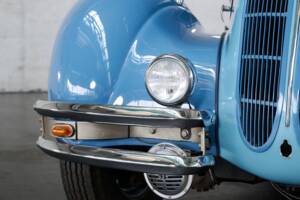
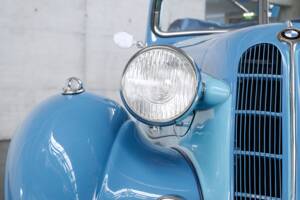
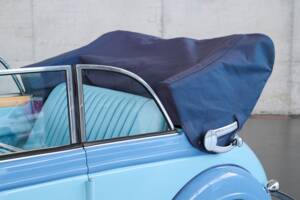
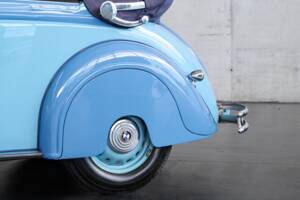
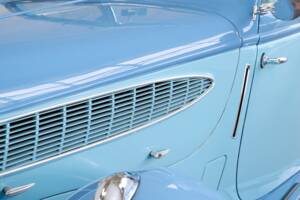
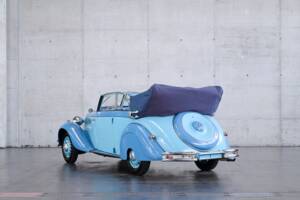
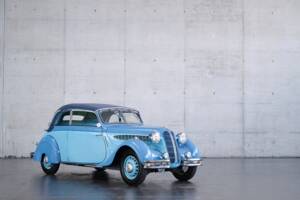
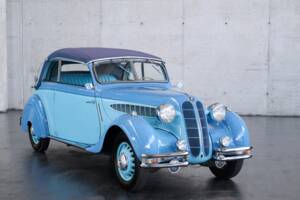
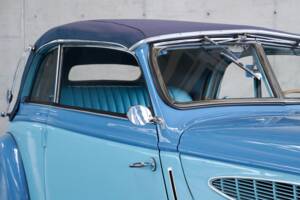
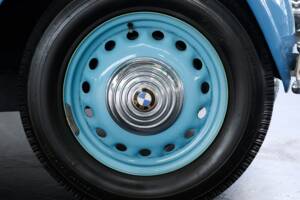
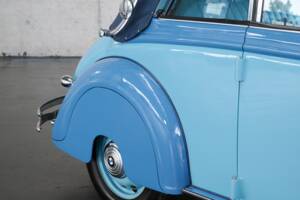
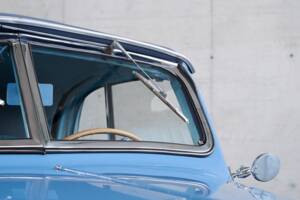
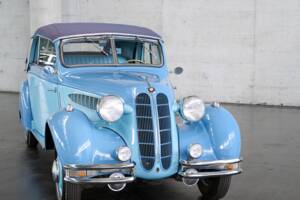
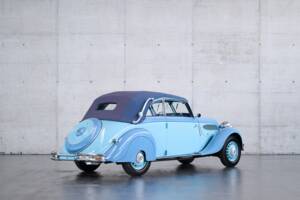
1937 BMW 326 Cabriolet 4-Fenster Autenrieth. Im Auktionsverkauf. Schätzwert: 50.000 € - 70.000 €. Ohne Mindestpreis!
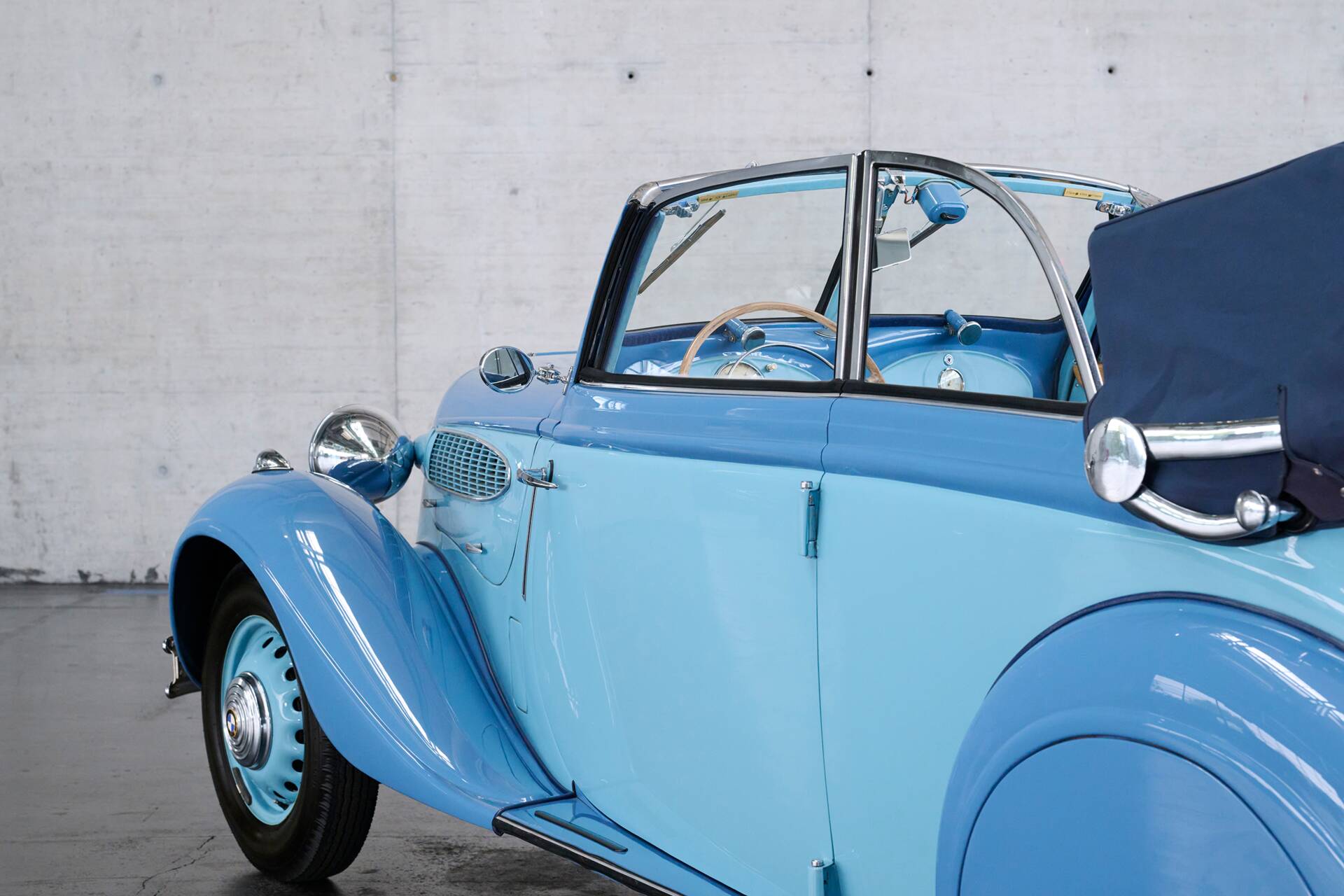
Rare two-door coachbuilt body by AutenriethUnusual and attractive colour combinationExtensively documented restorationFrom a significant BMW collection
In February 1936, BMW unveiled the new 326 at the Berlin Motor Show, entering the upper mid-range segment, a market it had previously left untapped. Beyond its established clientele, BMW had hitherto been perceived as a manufacturer of upmarket, high-performance small cars. The 326 was intended to change that image and accordingly became the first BMW available with four doors. Comfort and equipment took precedence over sporting character and performance.
The design was the work of Fritz Fiedler, who had already been responsible for BMW’s first inline six-cylinder engine, the M78, a few years earlier. The chassis newly developed for the 326 featured hydraulic lever-arm shock absorbers on both axles and two longitudinal torsion bars at the rear, following the example of the Citroën Traction Avant. For the first time, a BMW was equipped with hydraulic brakes. For the engine, however, BMW relied on the proven six-cylinder unit from the 319, increasing its displacement to 1,971 cc and fitting two Solex 26 carburettors to raise output to 50 PS. A partially synchronised four-speed gearbox featured a freewheel function in the first two gears. A top speed of 115 km/h made the car a highly capable performer by the standards of the day.
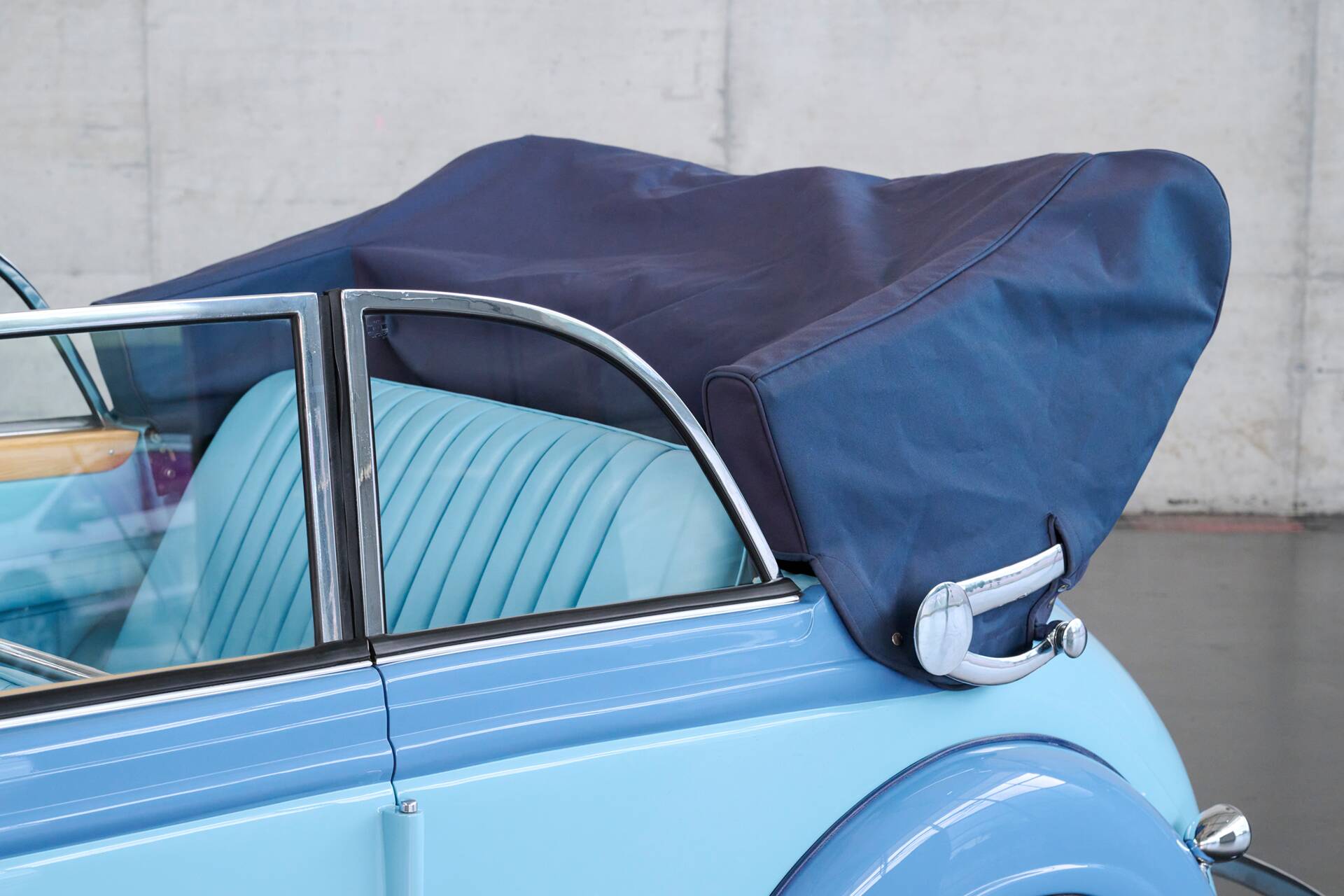
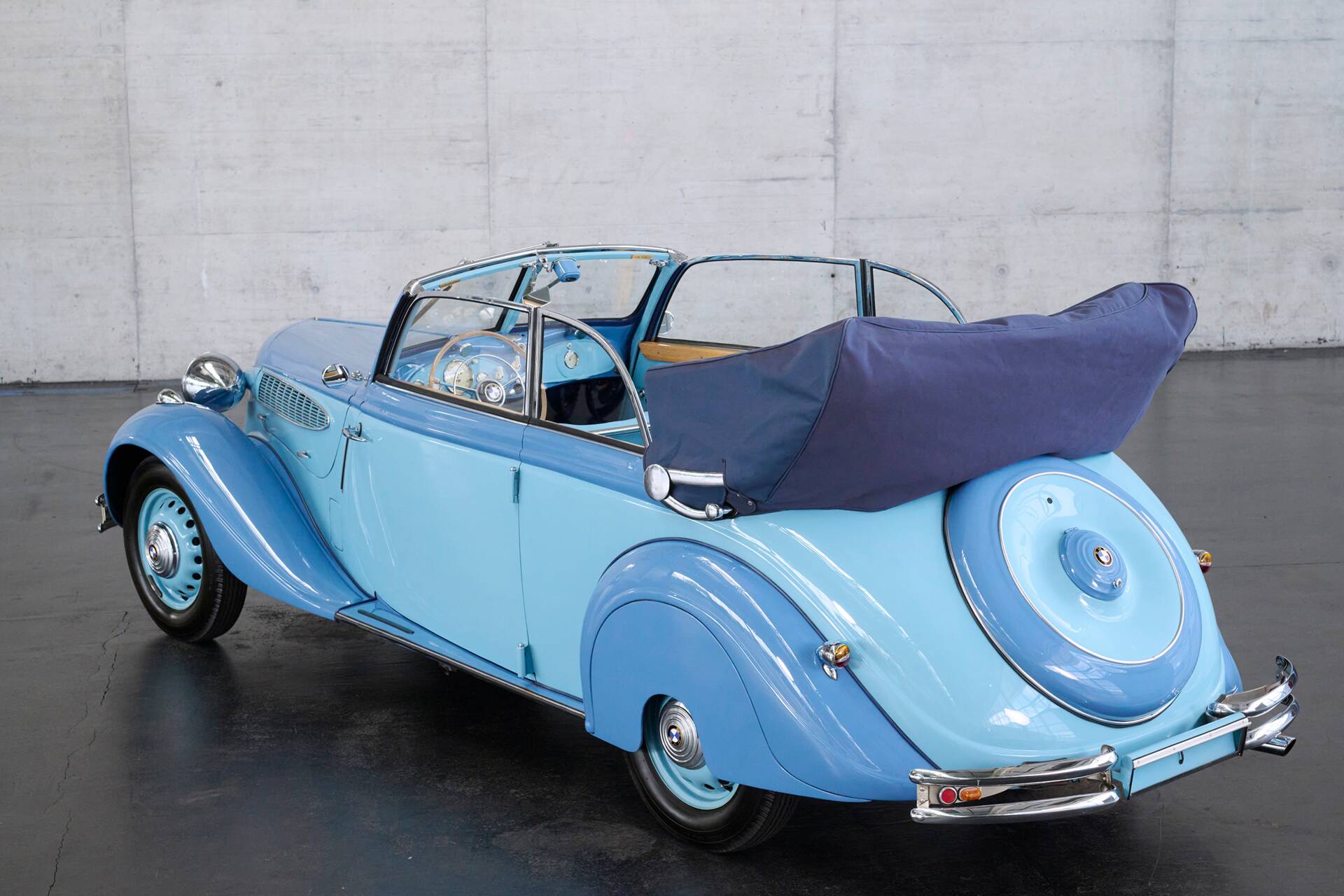
The bodies for the four-door saloons were supplied by Ambi-Budd from its pressworks in Berlin-Johannisthal, while BMW manufactured the wings, running boards, bonnets and body panels at Eisenach. Alongside the saloon, the 326 was also available as a two-door, four-window cabriolet and a four-door cabriolet, both with bodies built entirely by Autenrieth in Darmstadt. Customers could also order a bare chassis, an option chosen by 641 buyers. Just 1,093 four-door cabriolets were produced, compared with 4,060 four-window cabriolets and no fewer than 10,142 saloons. At 7,300 Reichsmarks, the four-door cabriolet was the most expensive version, considerably dearer than the two-door cabriolet at 6,050 Reichsmarks and the saloon at 5,500 Reichsmarks, or 5,810 with a sliding sunroof. Despite these far from modest prices, the 326 became a resounding sales success for BMW, substantially outselling all the marque’s other models combined during those years.
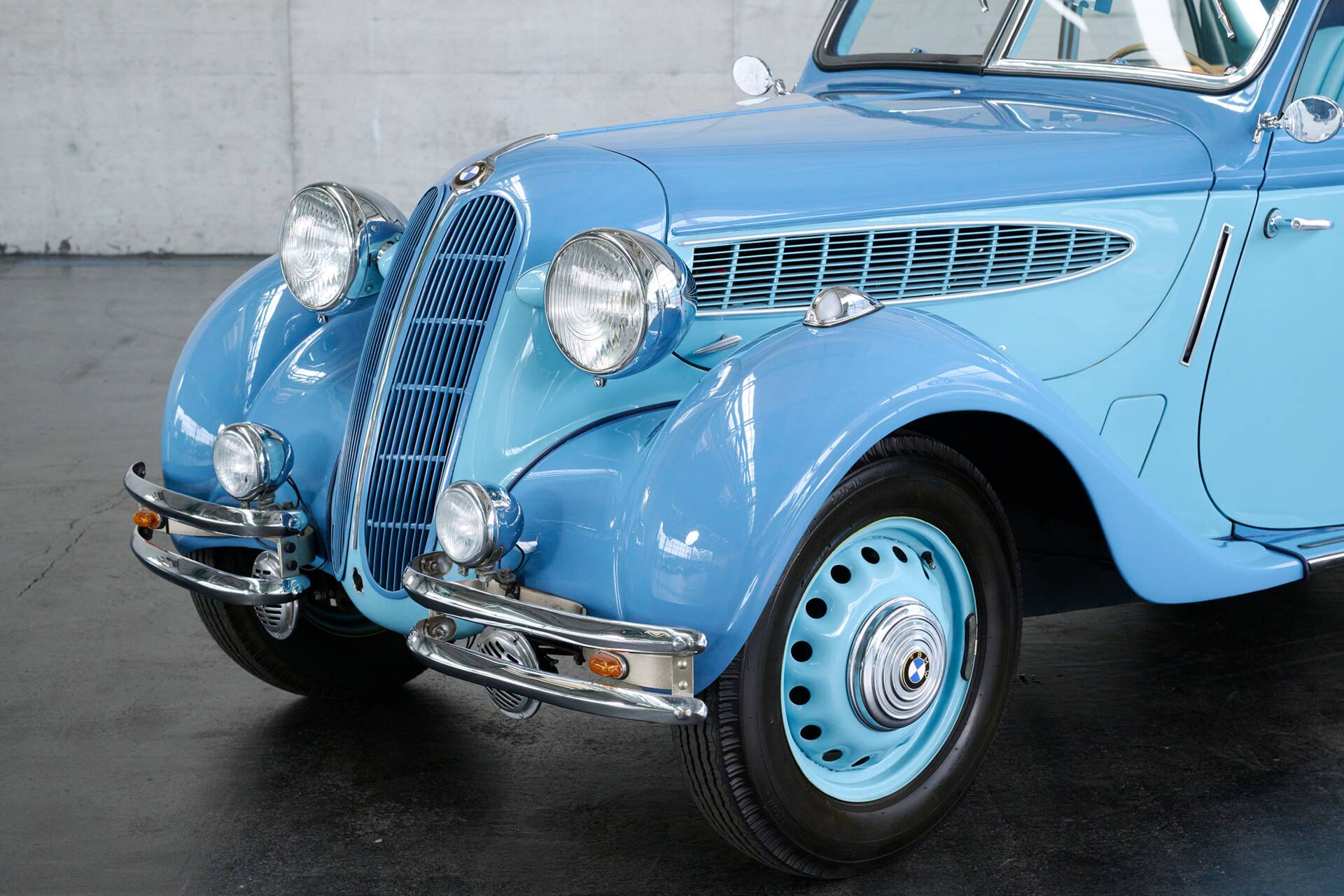
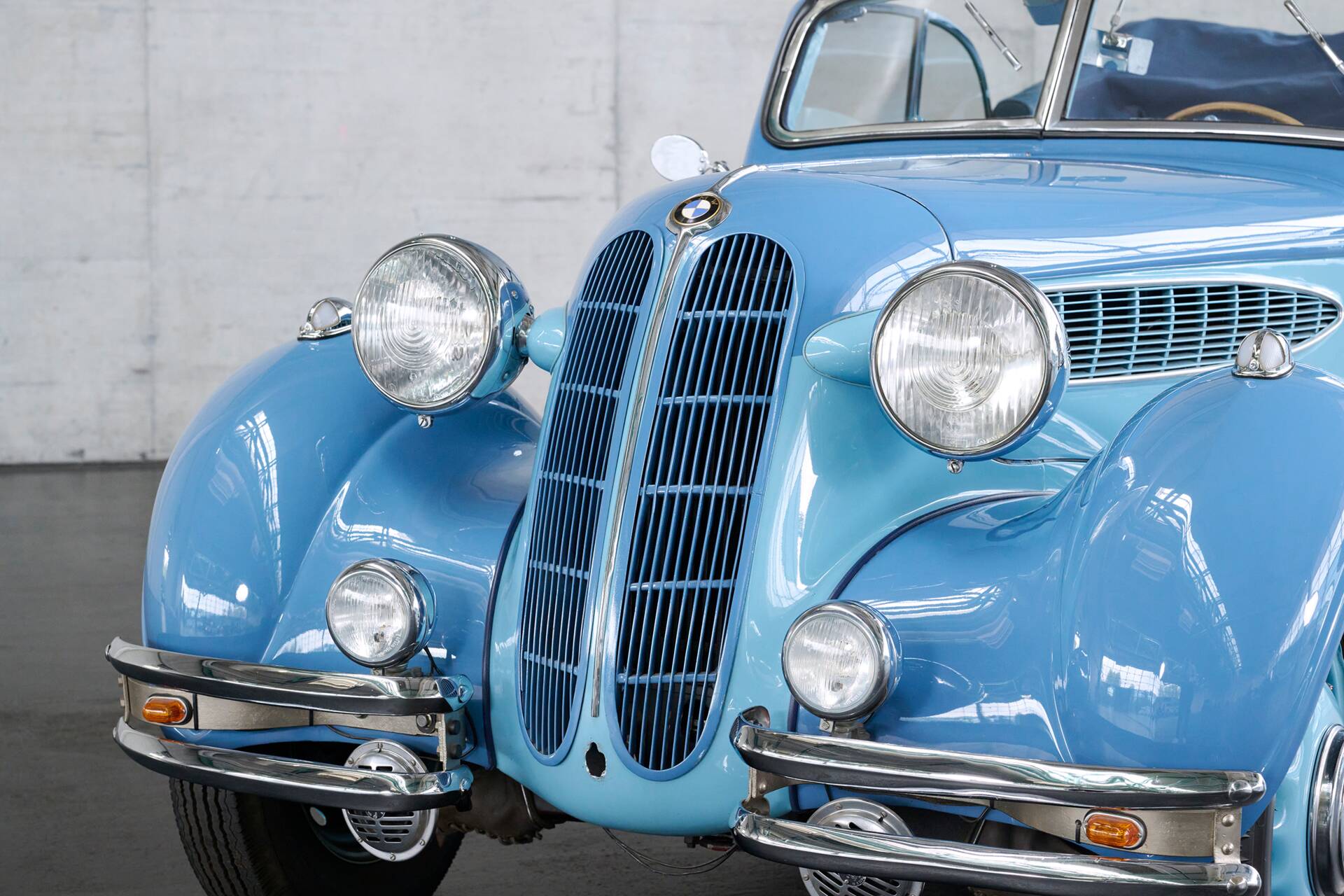
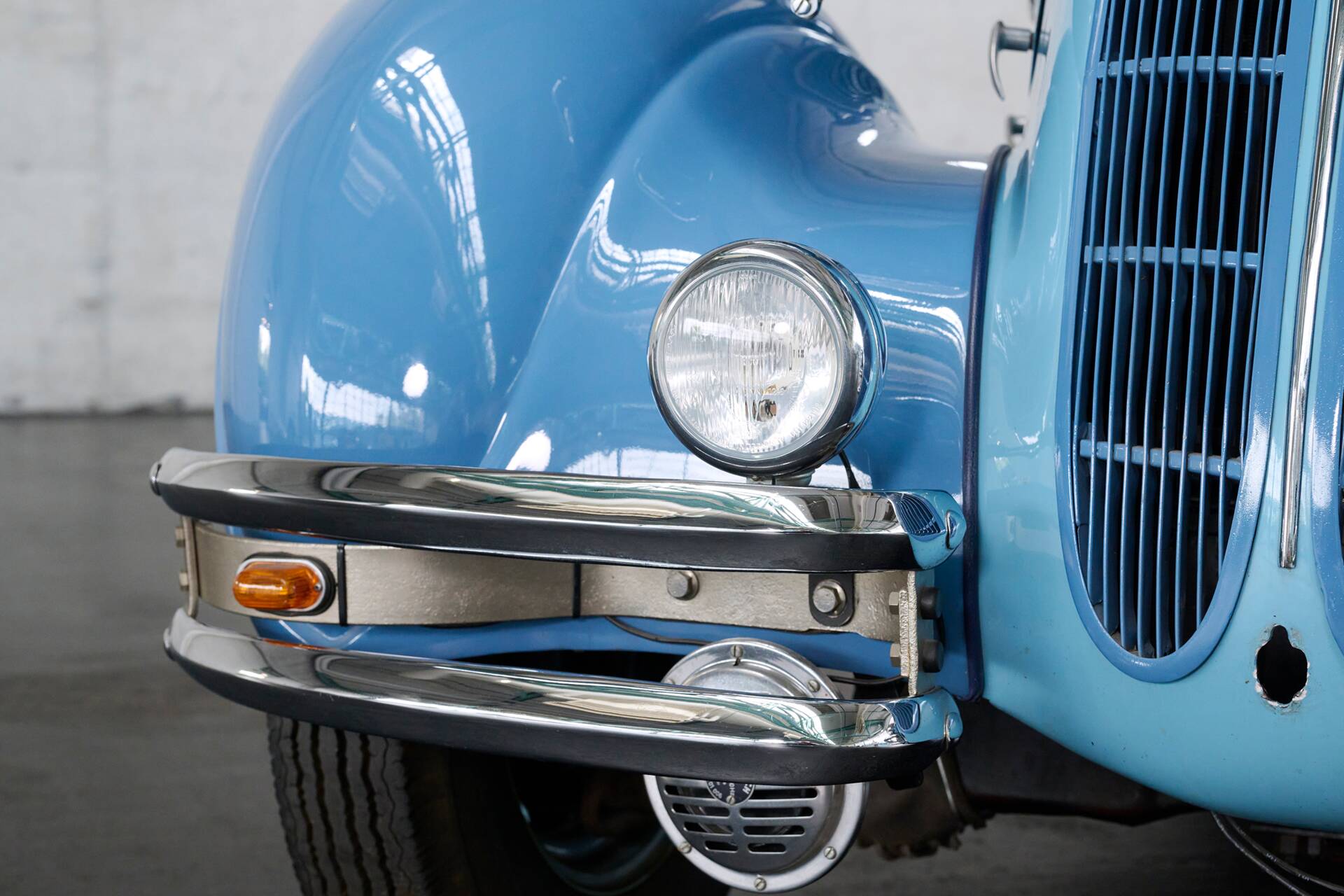
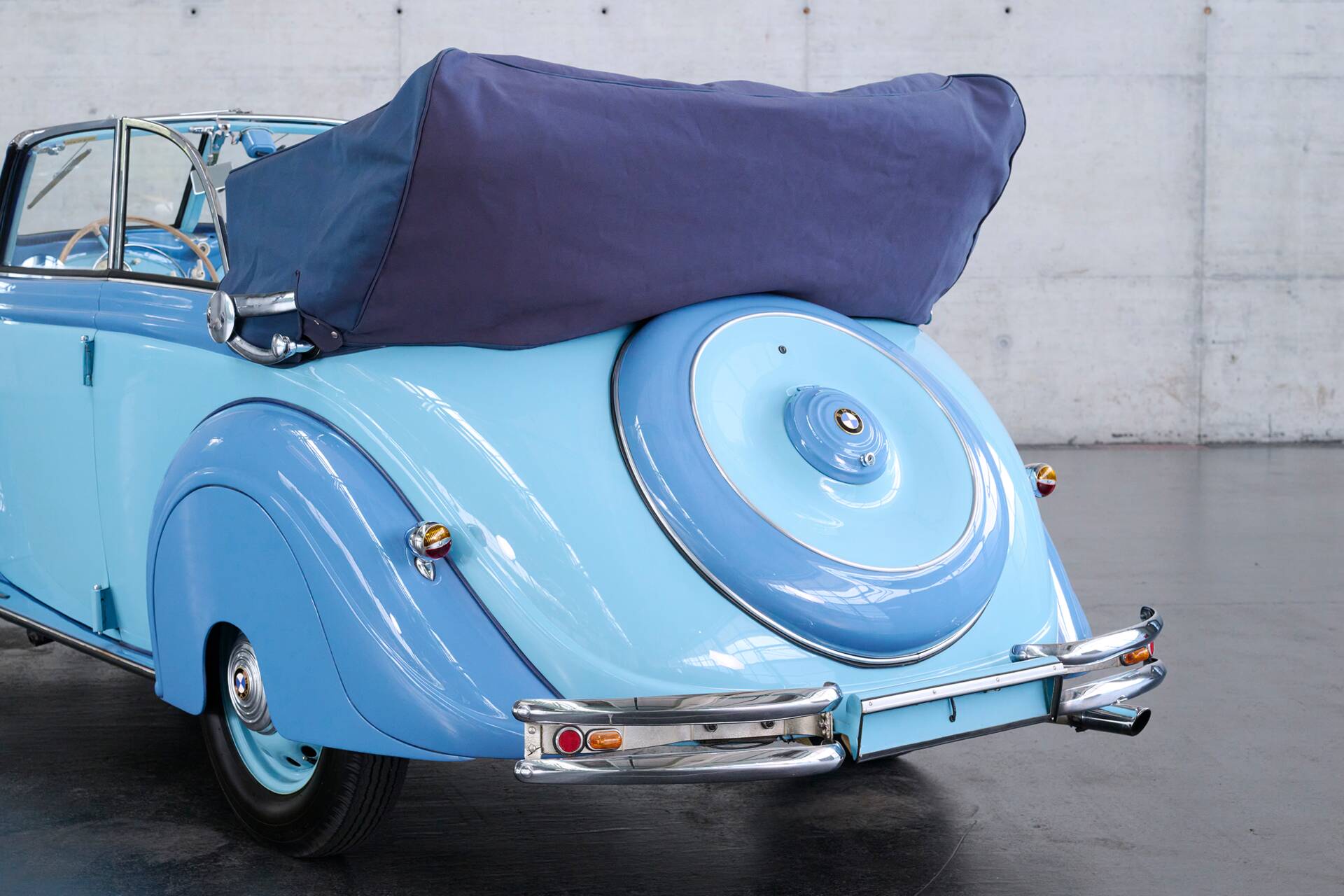
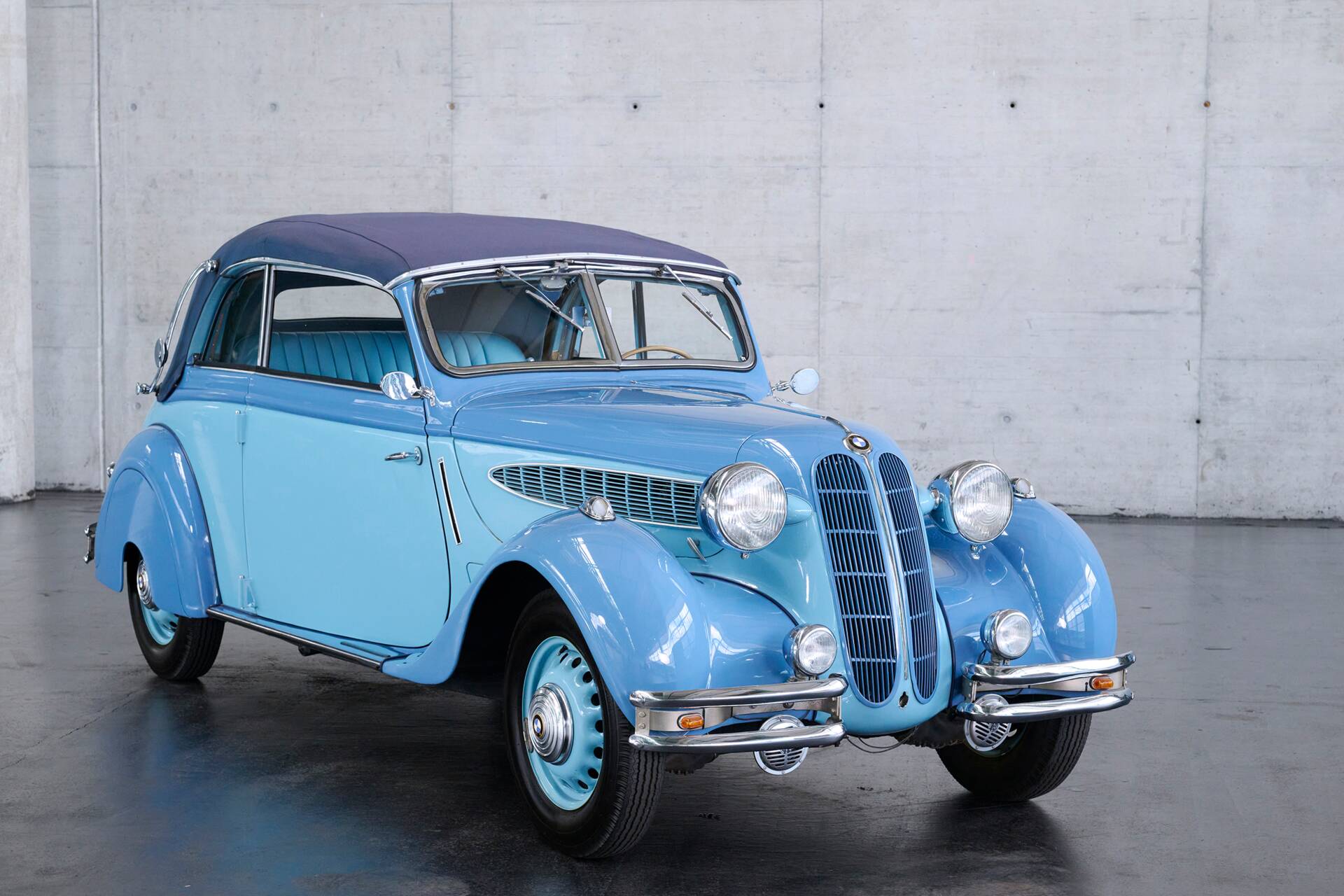
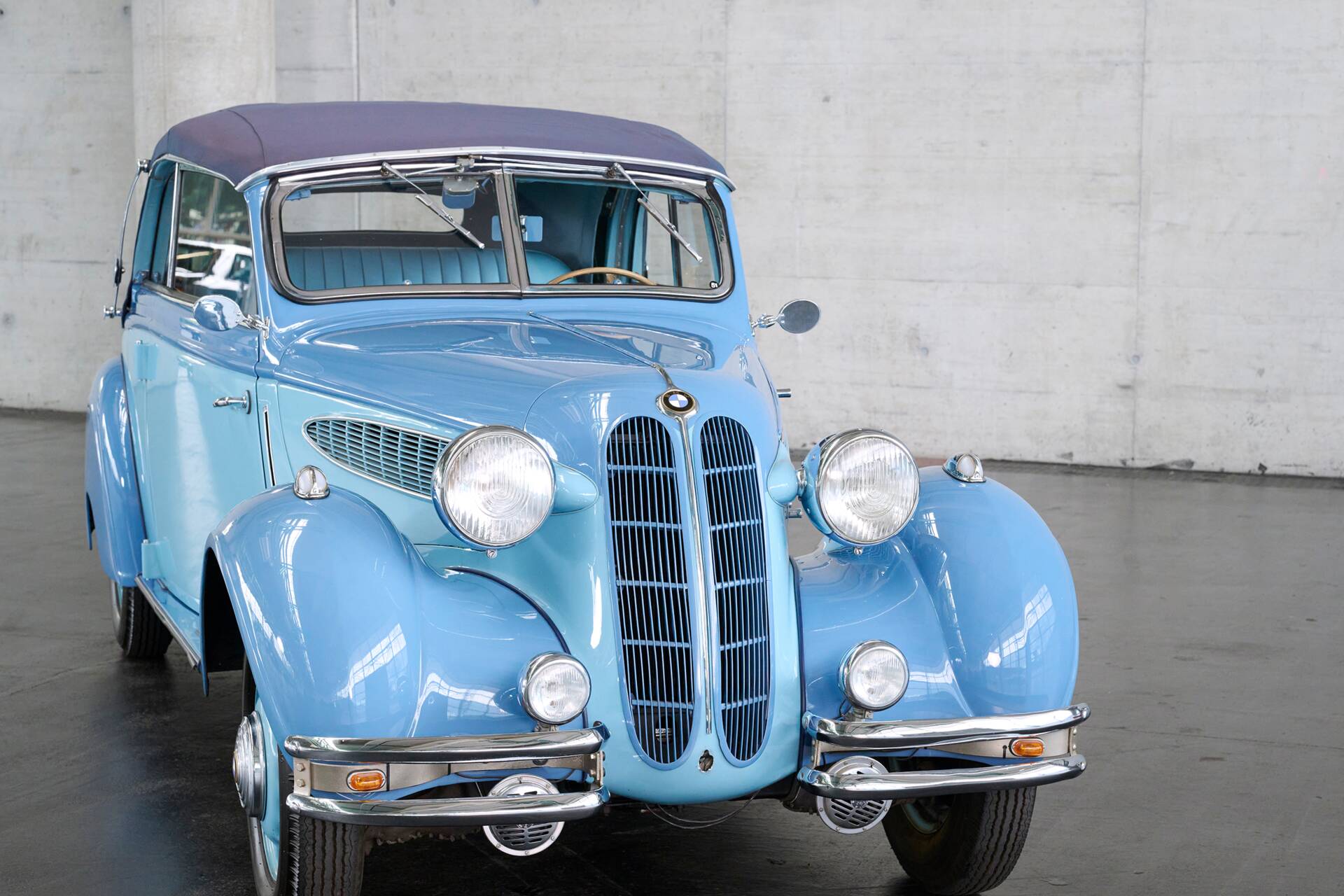
In 1939, BMW standardised the appearance of its entire model range, and the 326’s distinctive split double bumpers were replaced by single full-width bumpers at the front and rear. Wartime conditions brought production to an end in 1941, after 15,936 examples had been built. Following the war, Eisenach lay in the Soviet occupation zone. From the remains of the factory, which had suffered 60 per cent destruction, a further three cabriolets and 18 saloons were completed and delivered to the military command; other sources put the total at 16 vehicles.
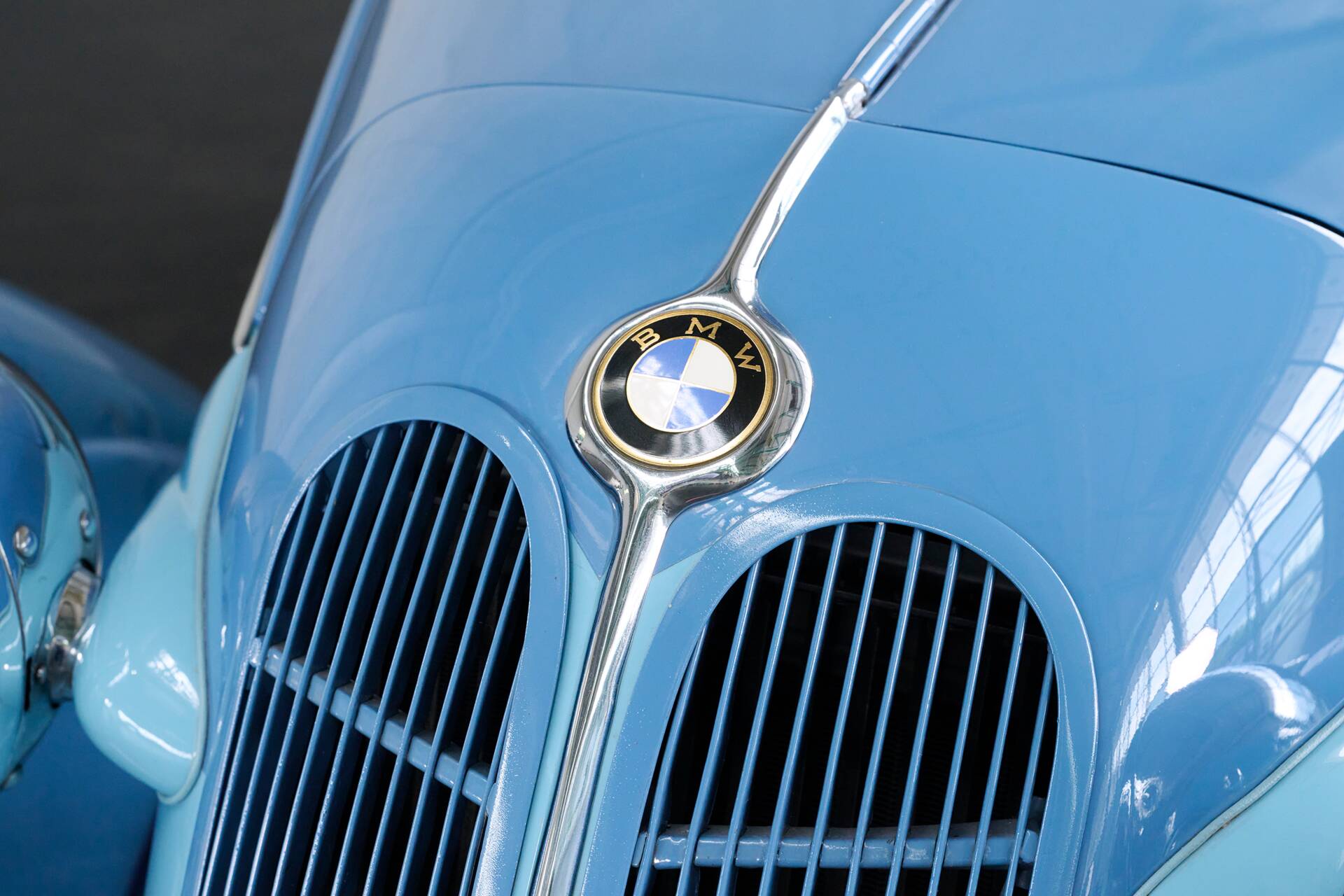
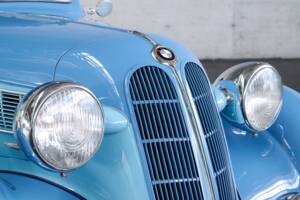
The 326 subsequently formed the basis of the EMW 340, officially launched in 1949. The model also made a strong impression in Britain, where the cars had been marketed as Frazer-Nash before the war. The newly established automotive division of the Bristol Aeroplane Company adopted the designs and, from 1947 onwards, introduced a succession of models that made little attempt to disguise their origins in BMW’s pre-war cars. Initially, even the kidney grille was copied without hesitation.
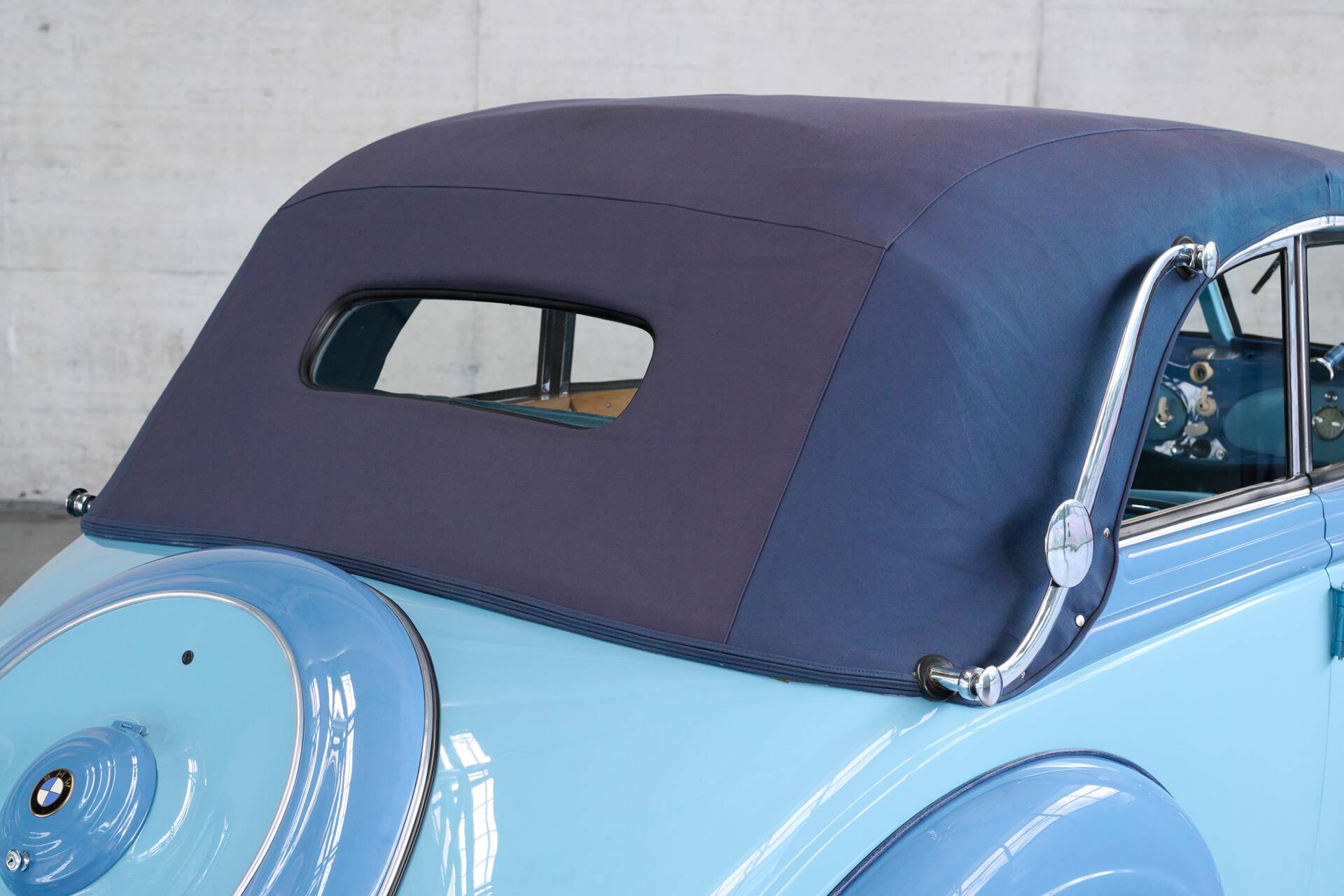
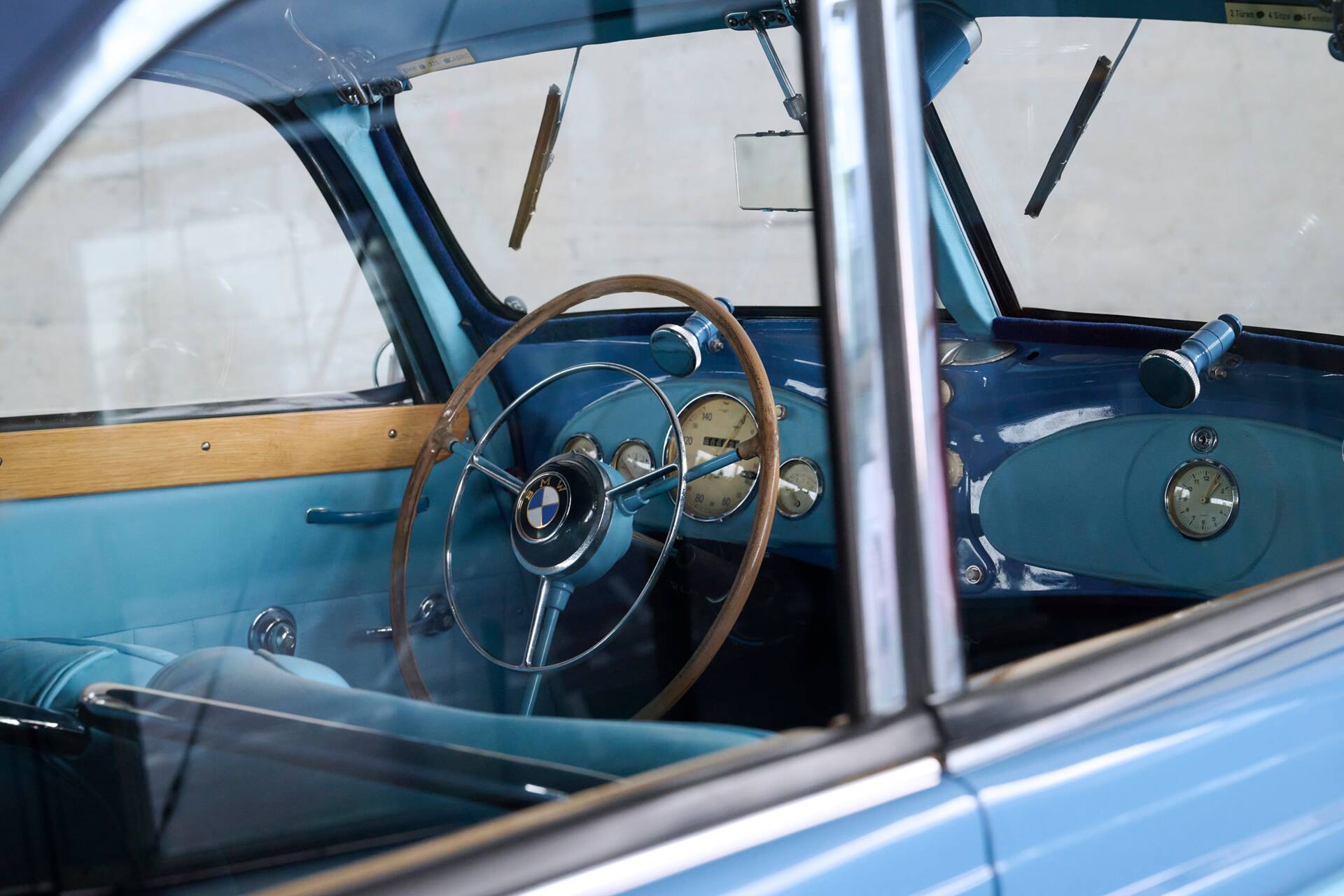
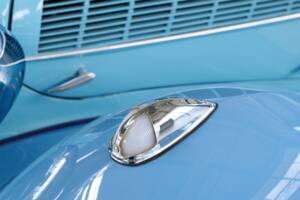
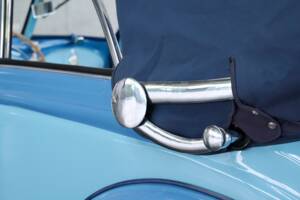
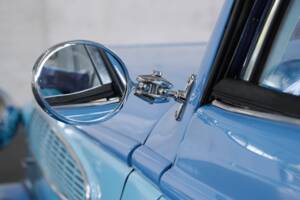
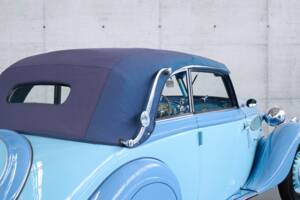
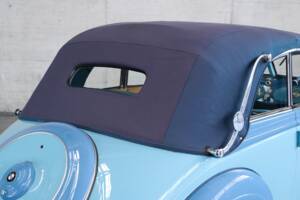
This BMW 326 Cabriolet is said to have been delivered new to Prague, probably finished in green with red upholstery. It reportedly returned to the West in 1981. The previous owner purchased it in 2001 in a partially dismantled state and commissioned a complete restoration. Two earlier owners had already attempted the project. Photographs document individual stages of the restoration and give some indication of the enormous amount of work involved. They show the fully repaired body in bare metal, the hood being renewed, an empty interior awaiting retrimming, intricate leatherwork, freshly rechromed trim and what appears to be a newly rebuilt engine.
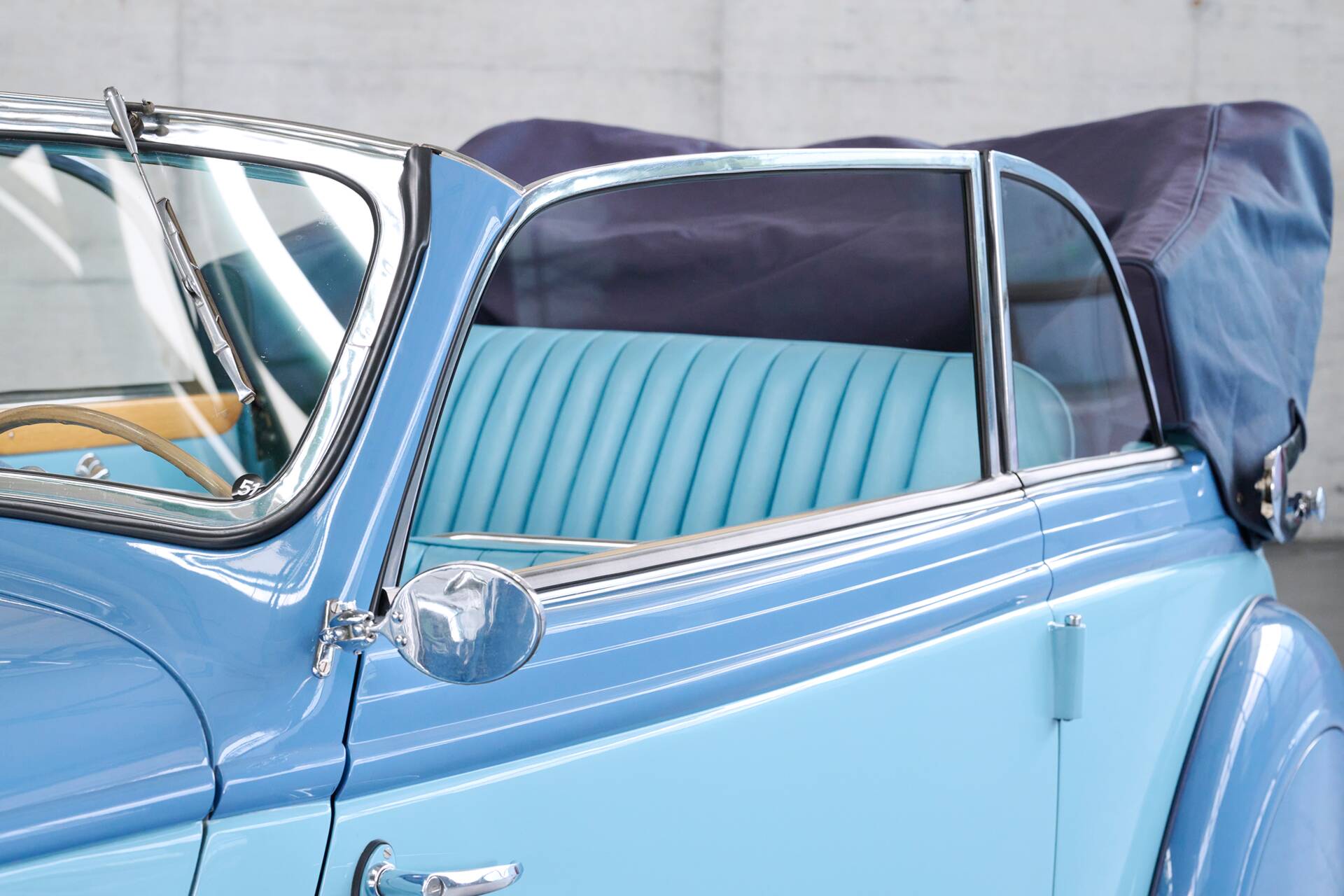
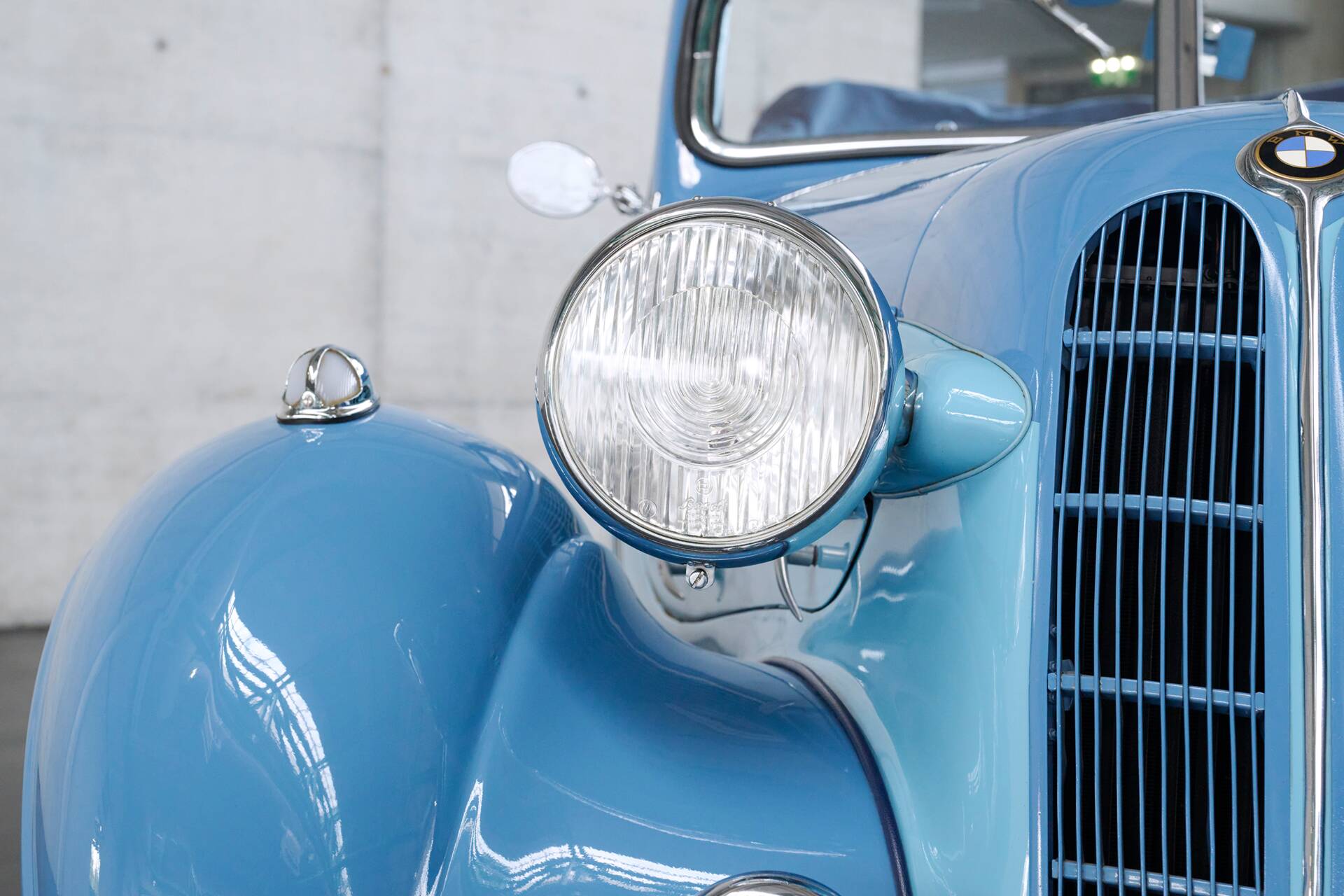
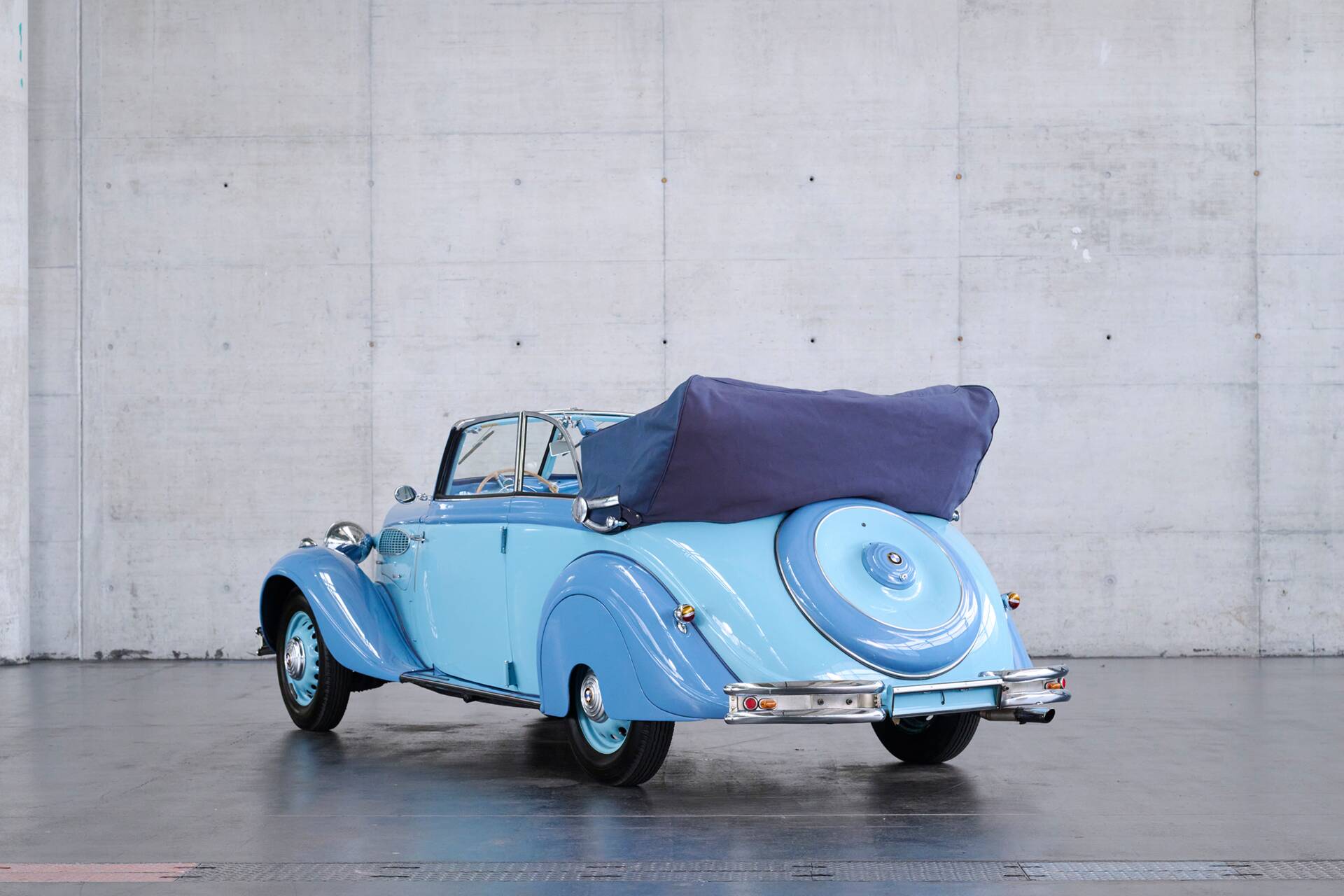
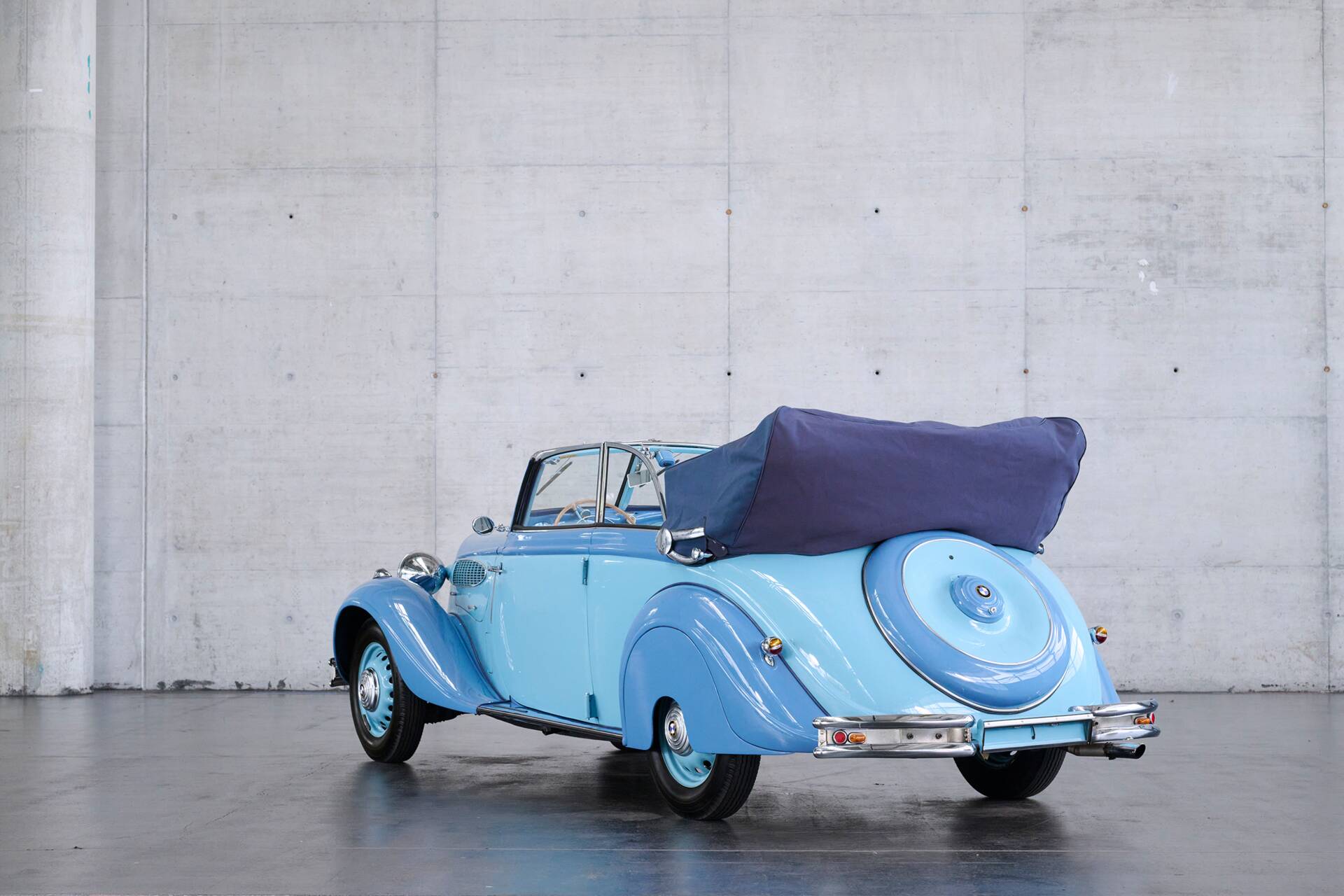
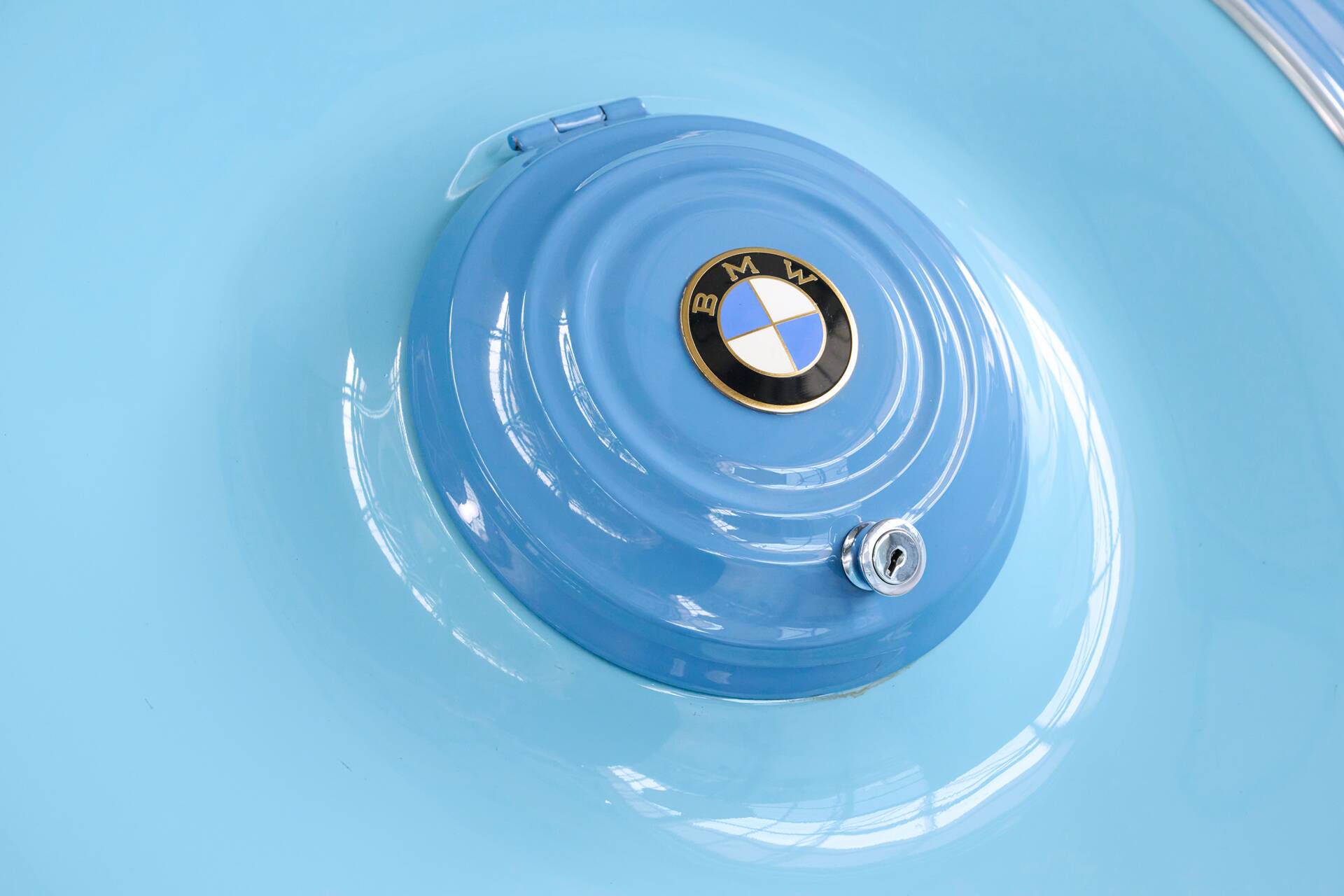
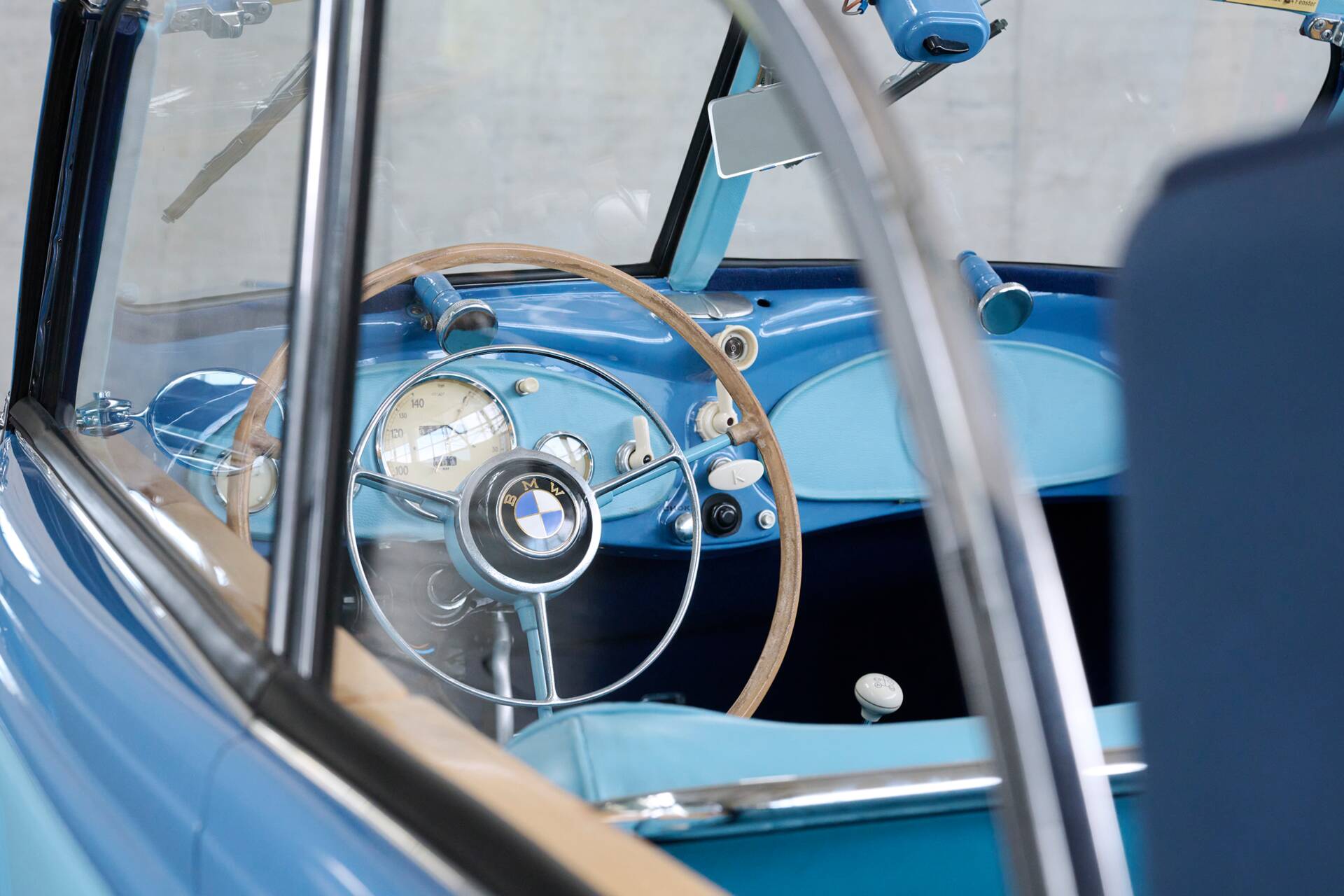
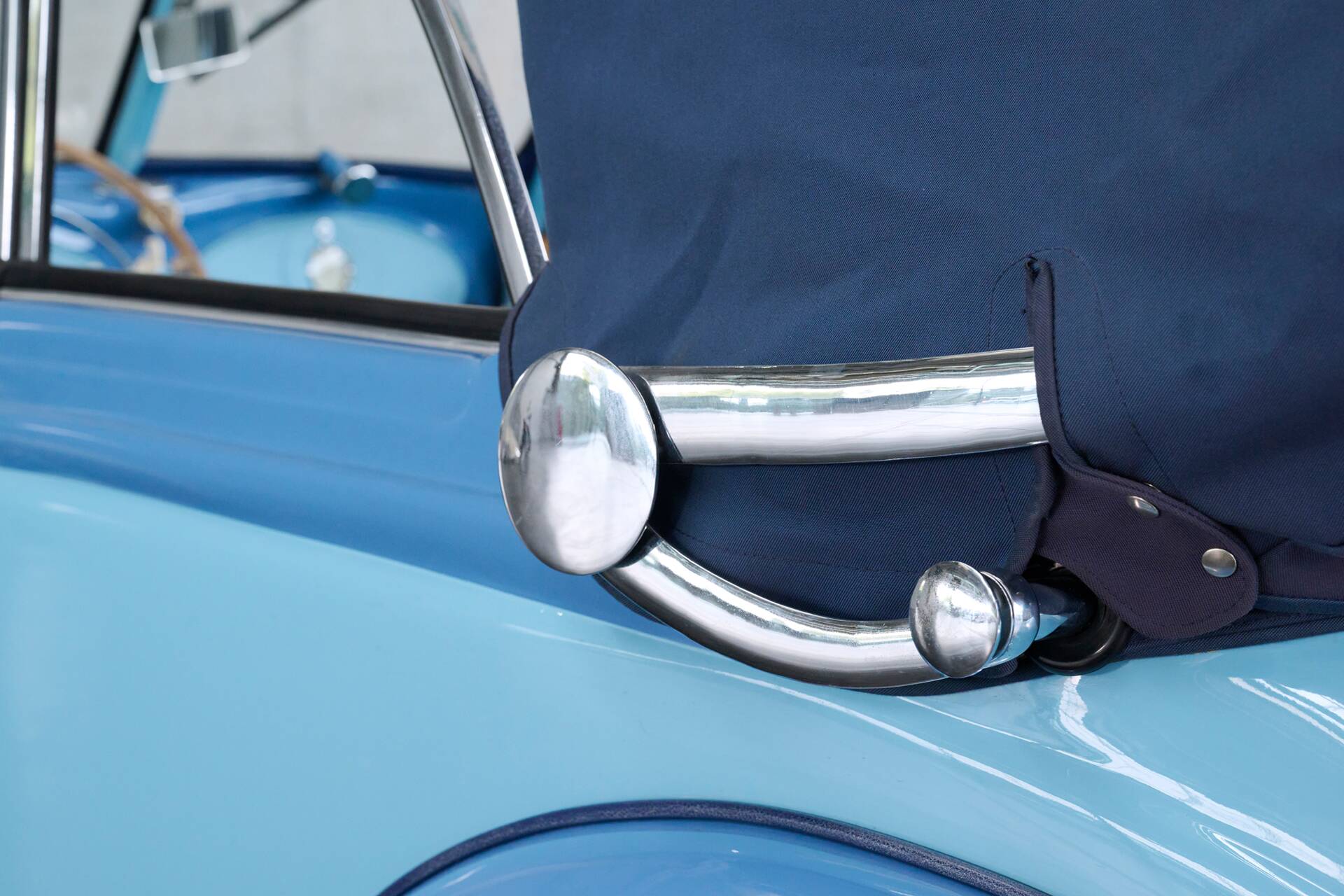
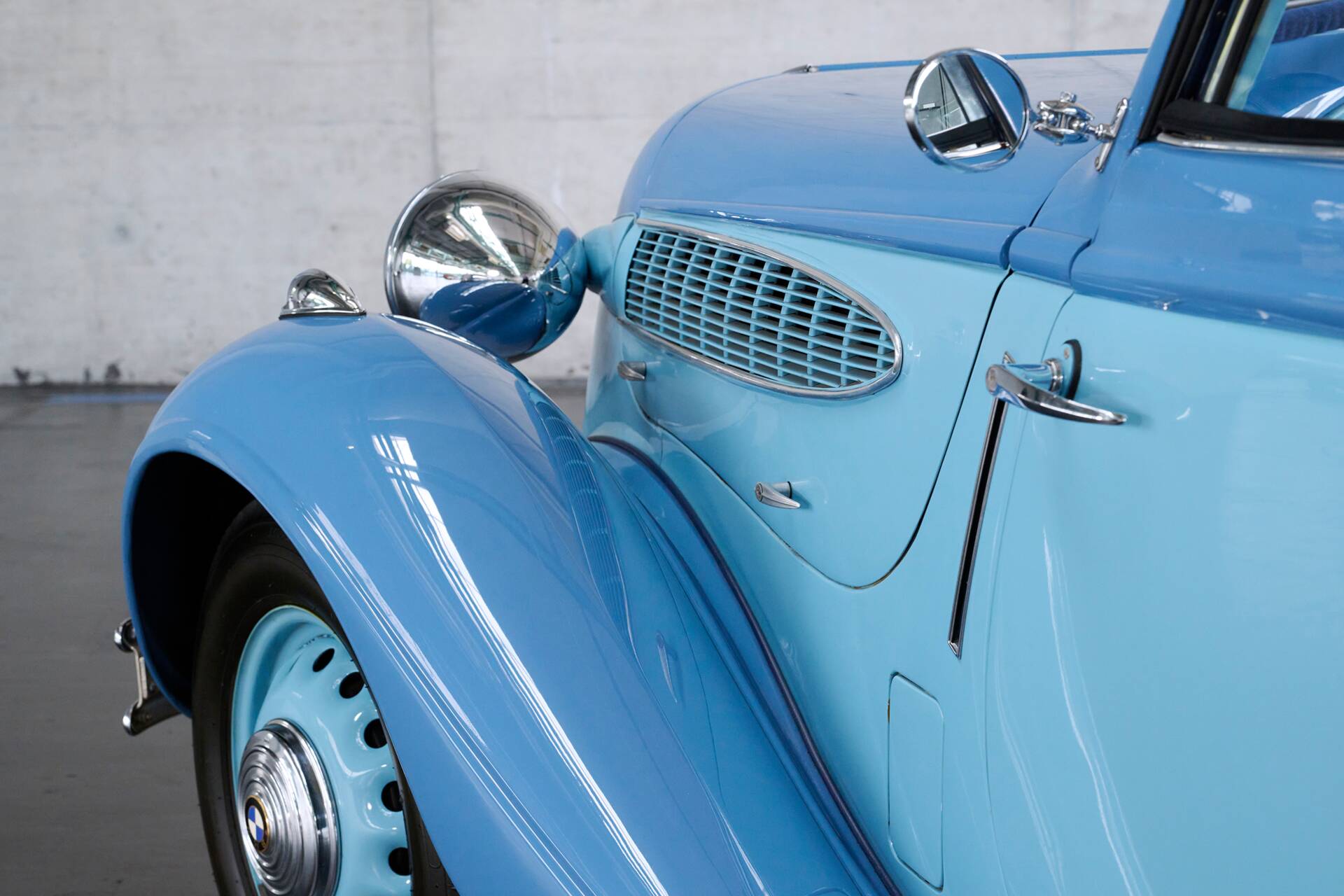
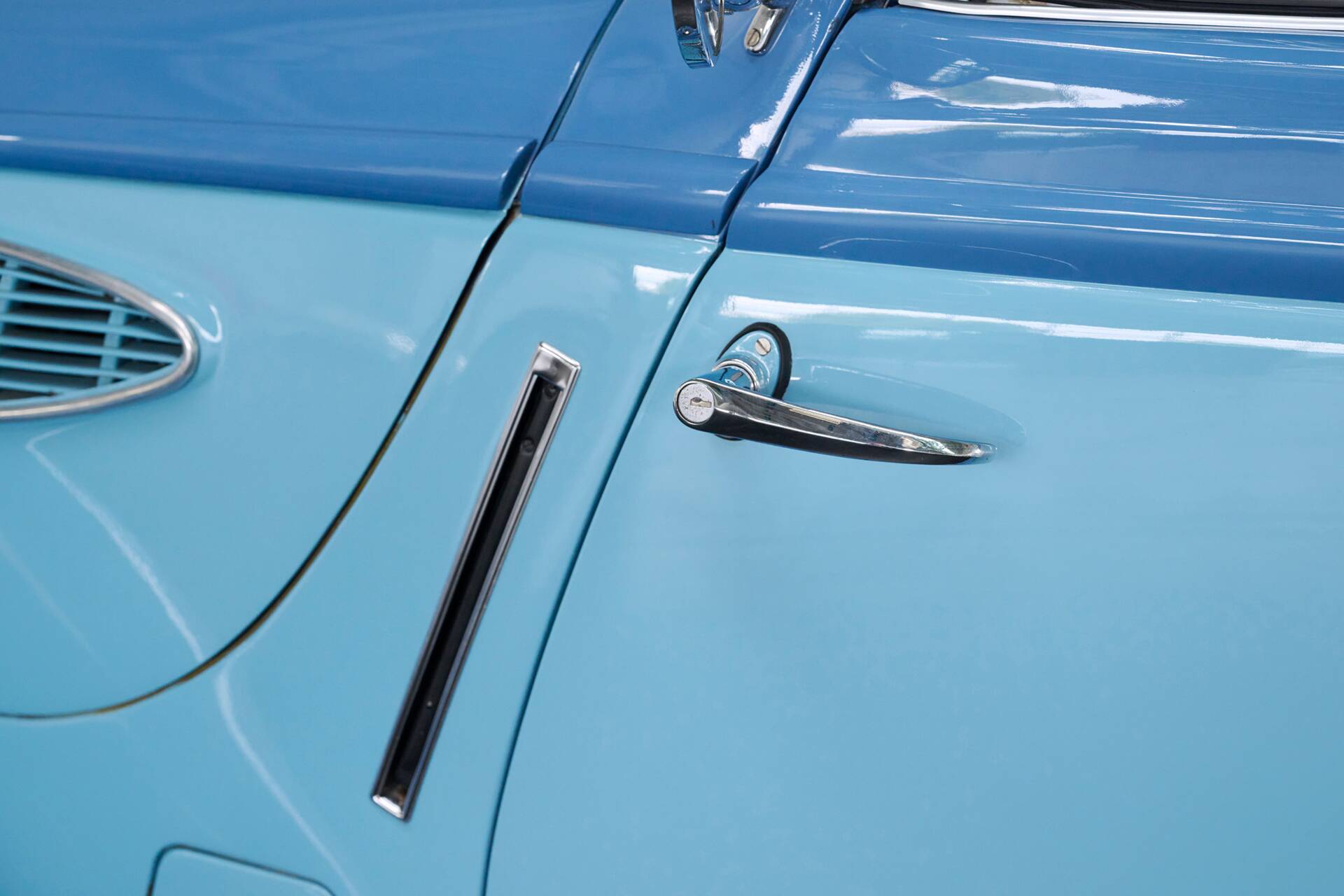
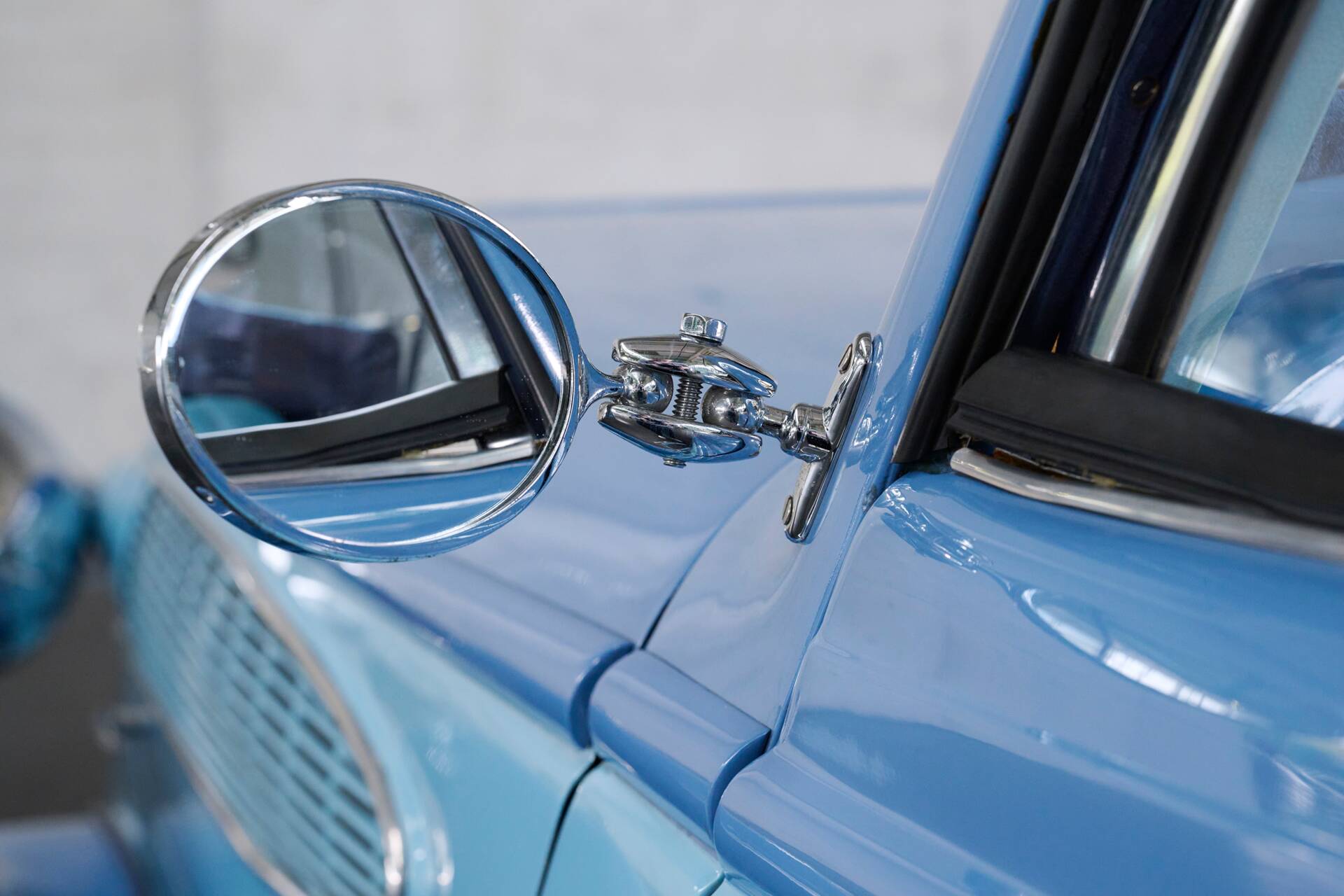
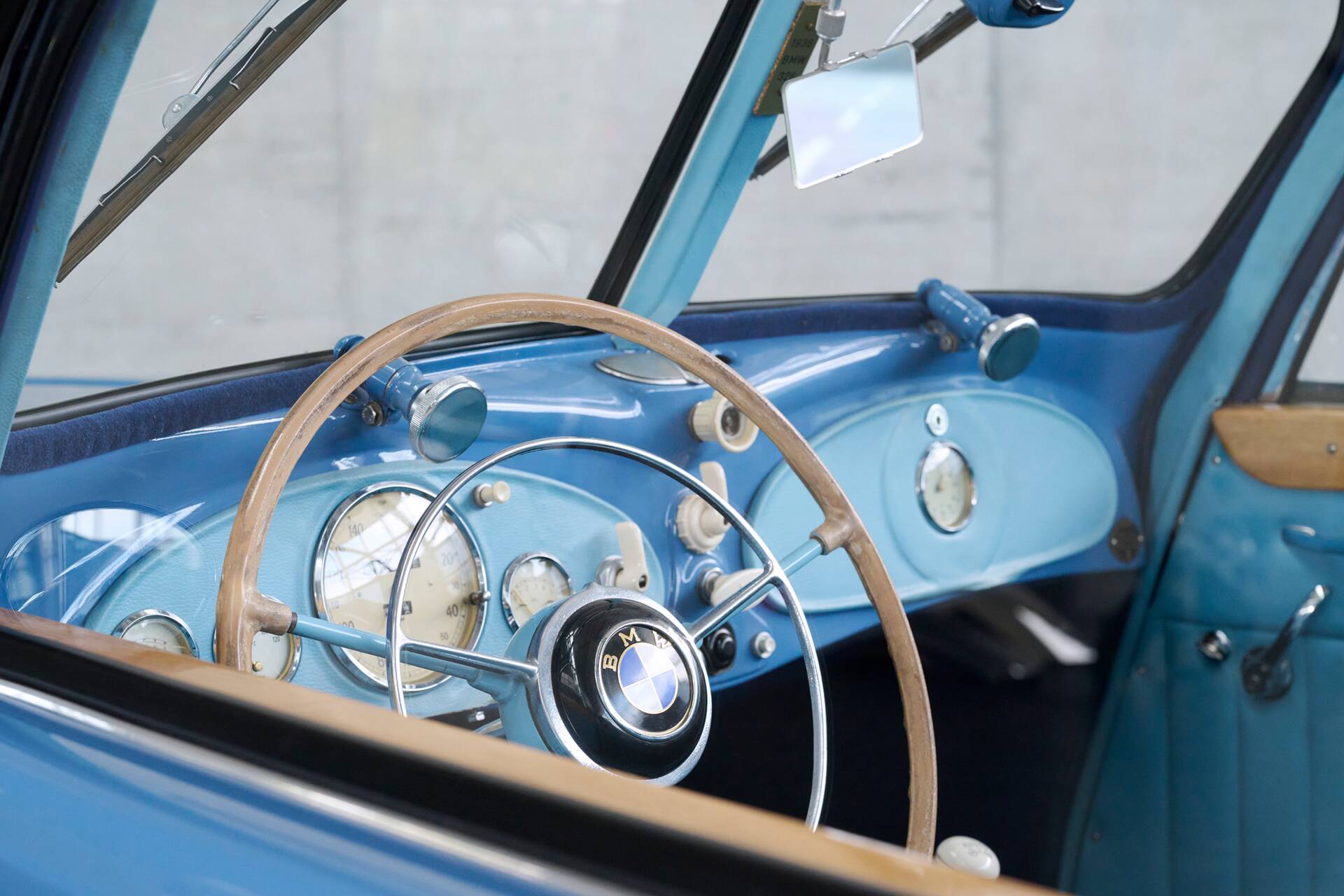
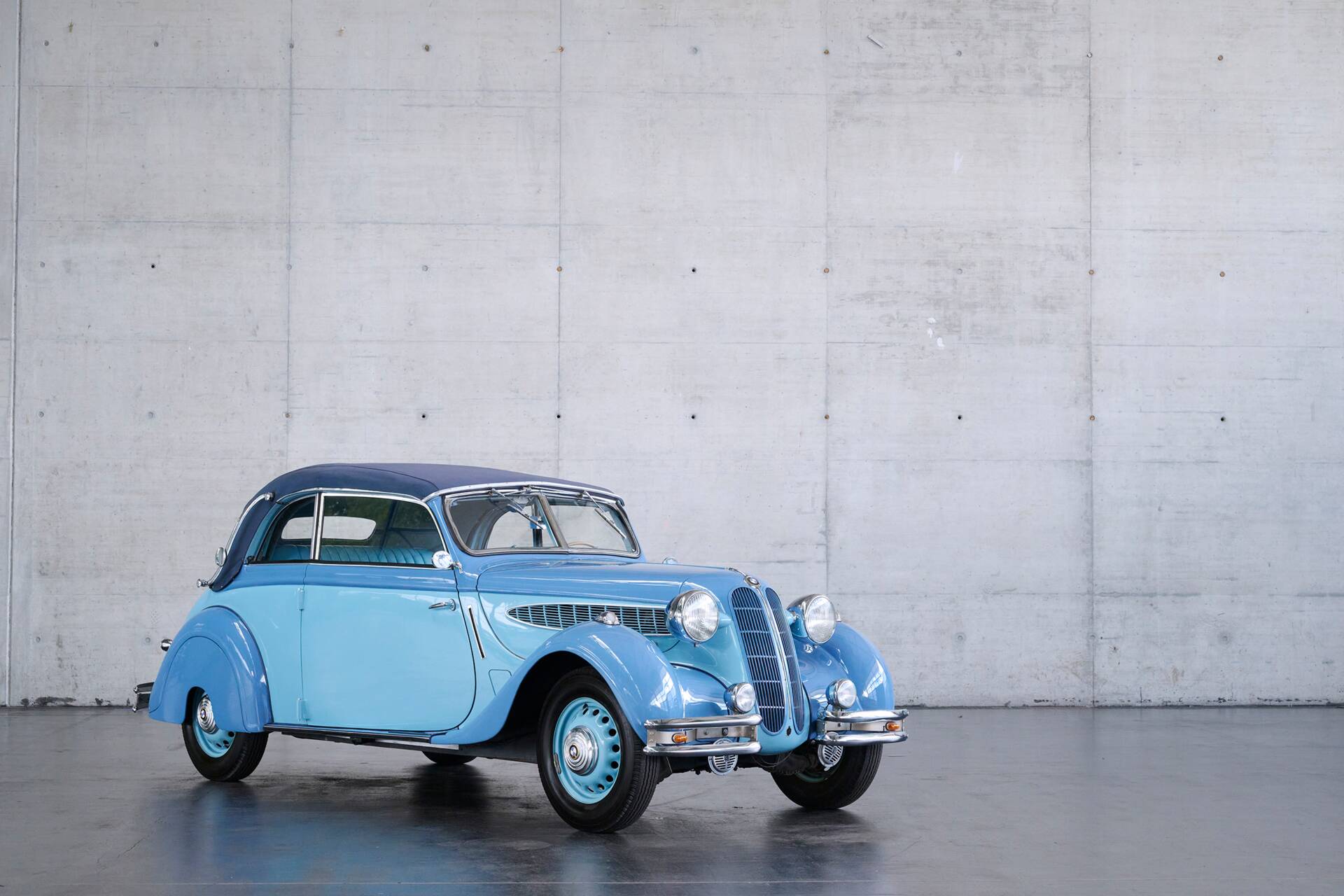
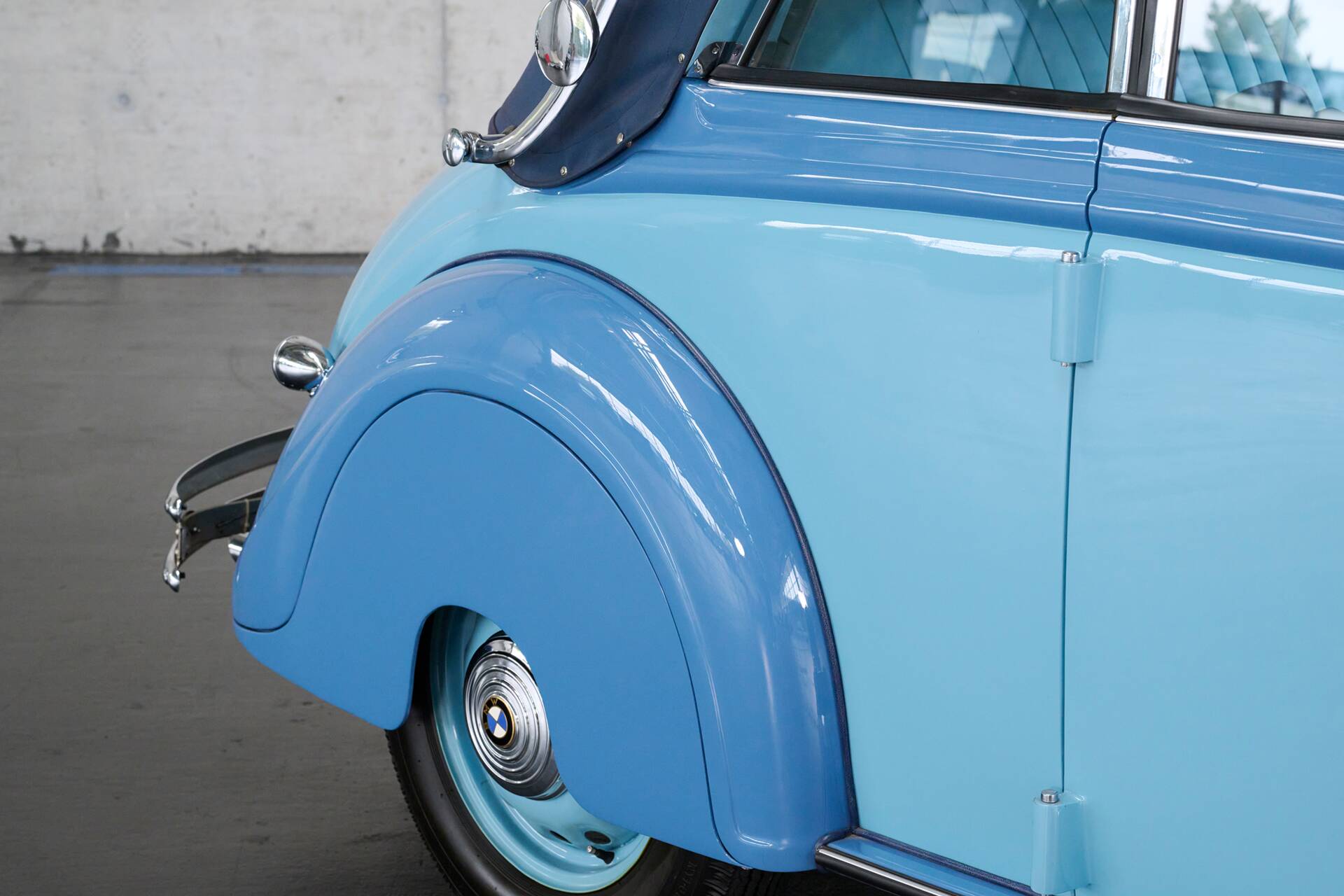
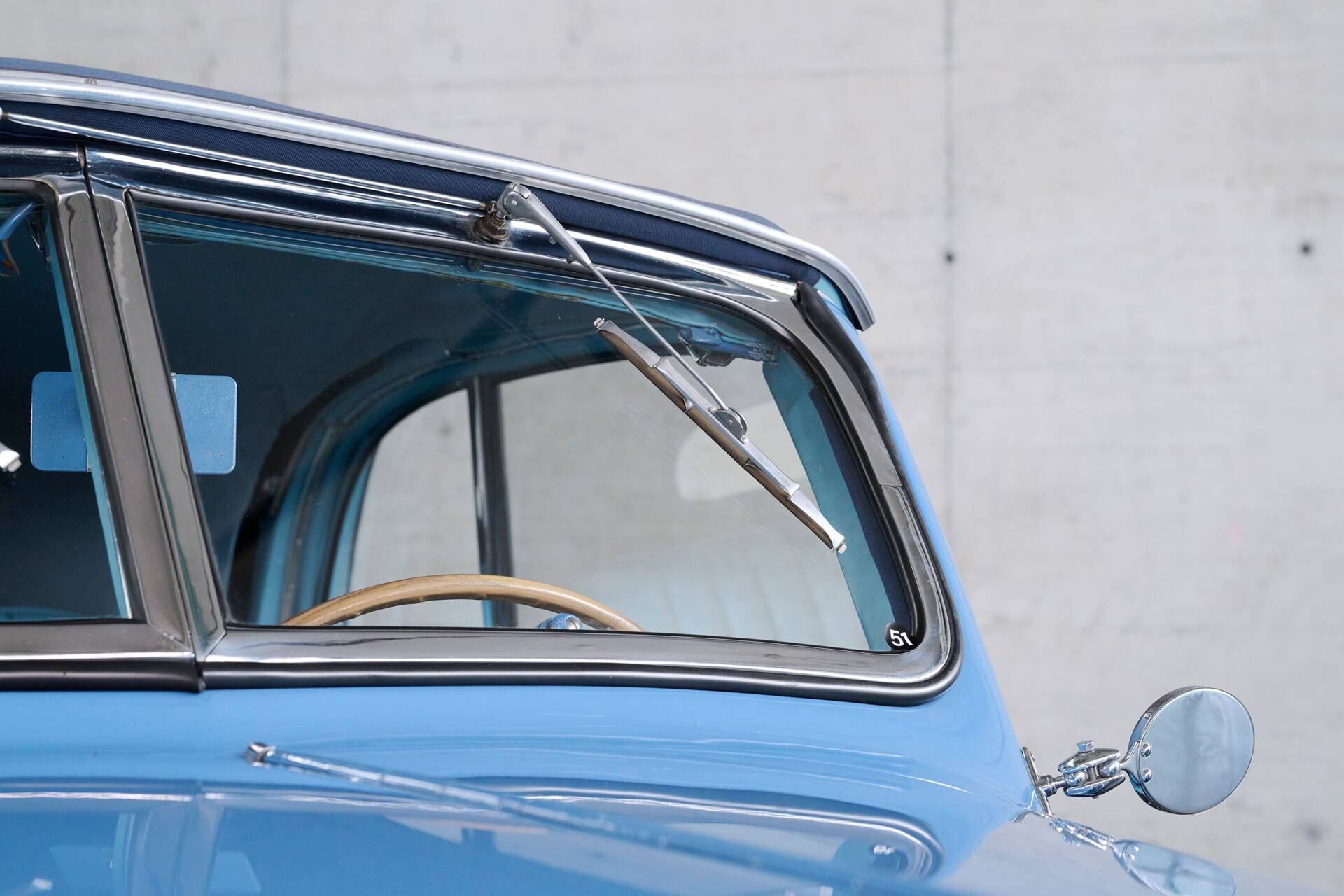
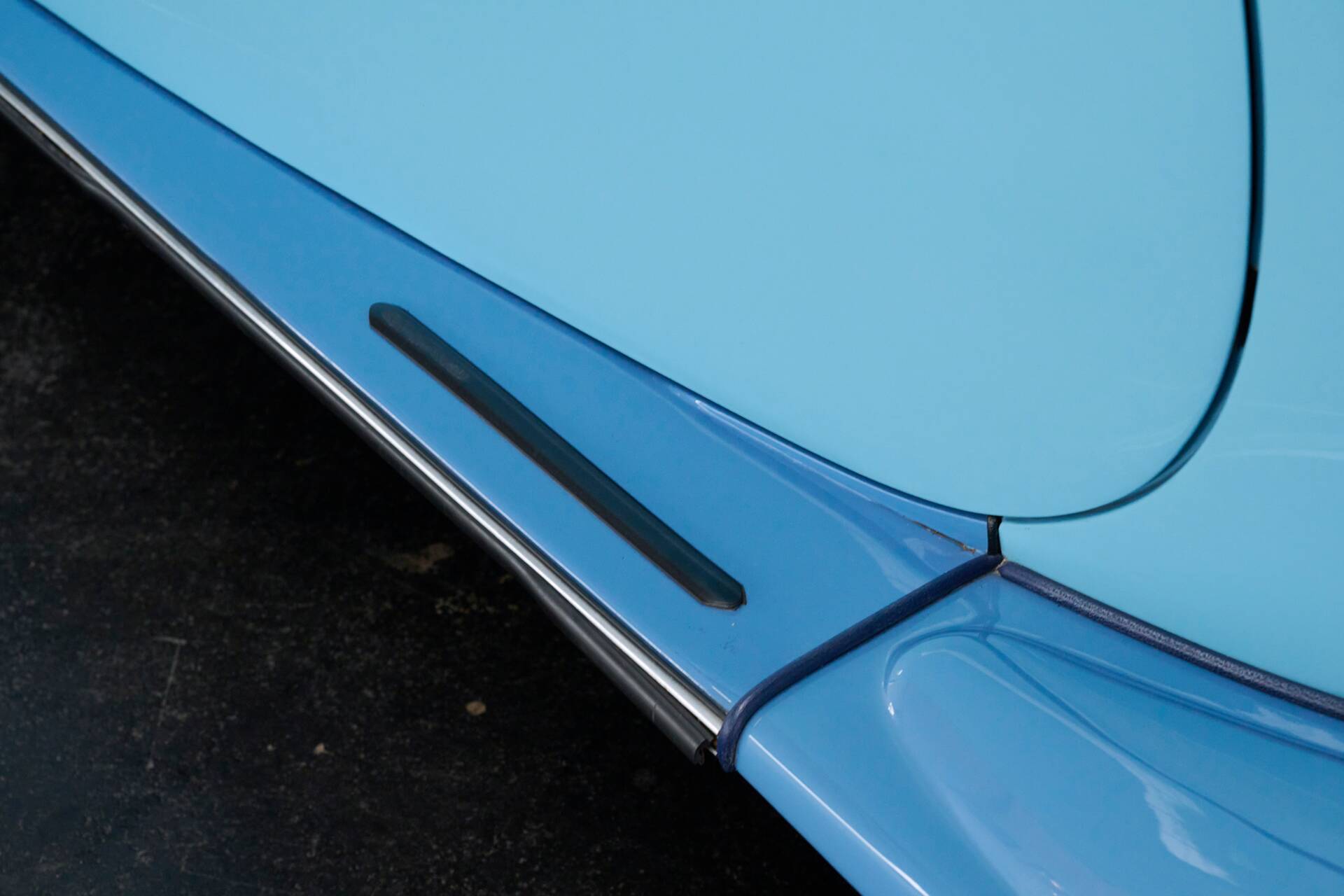
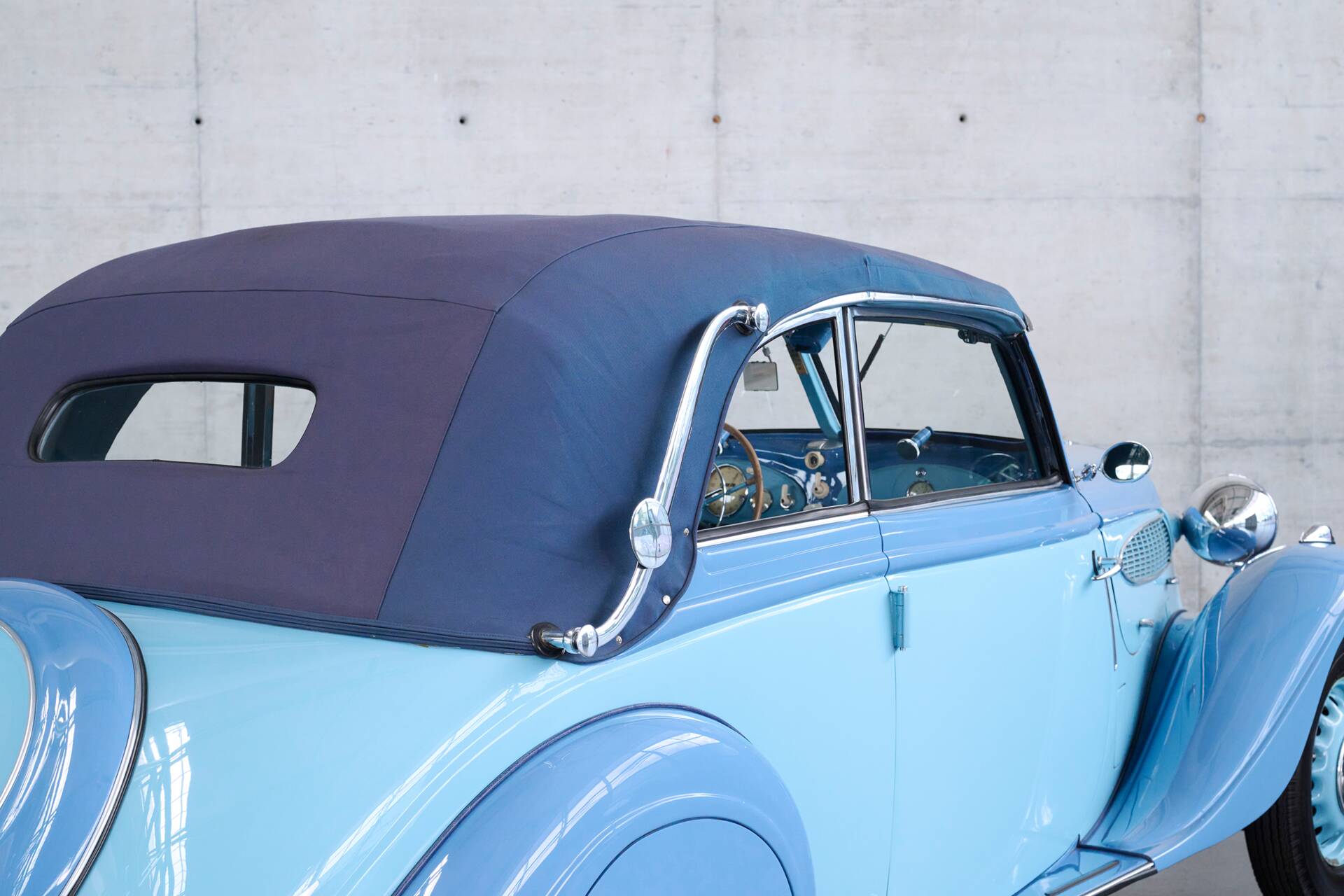
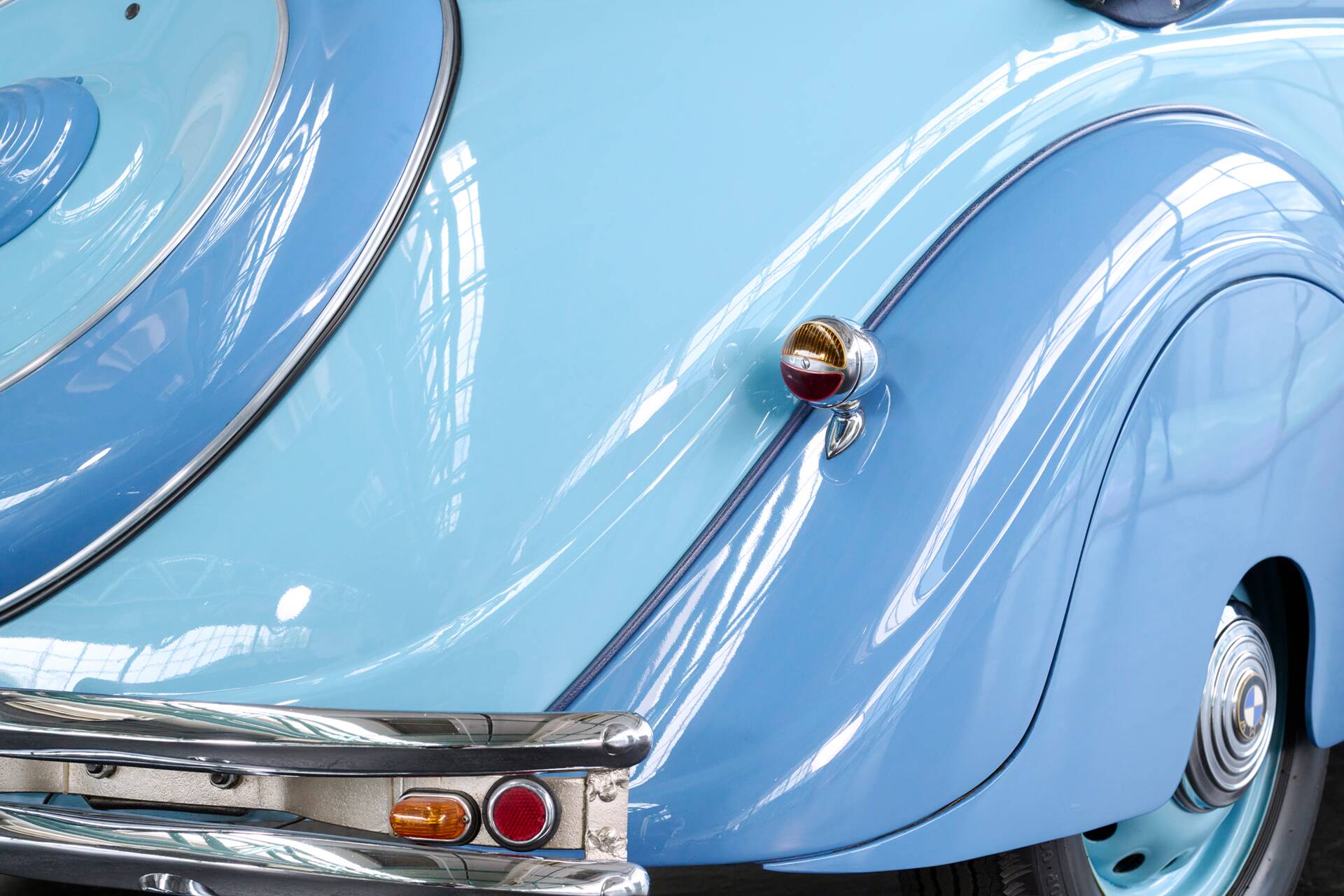
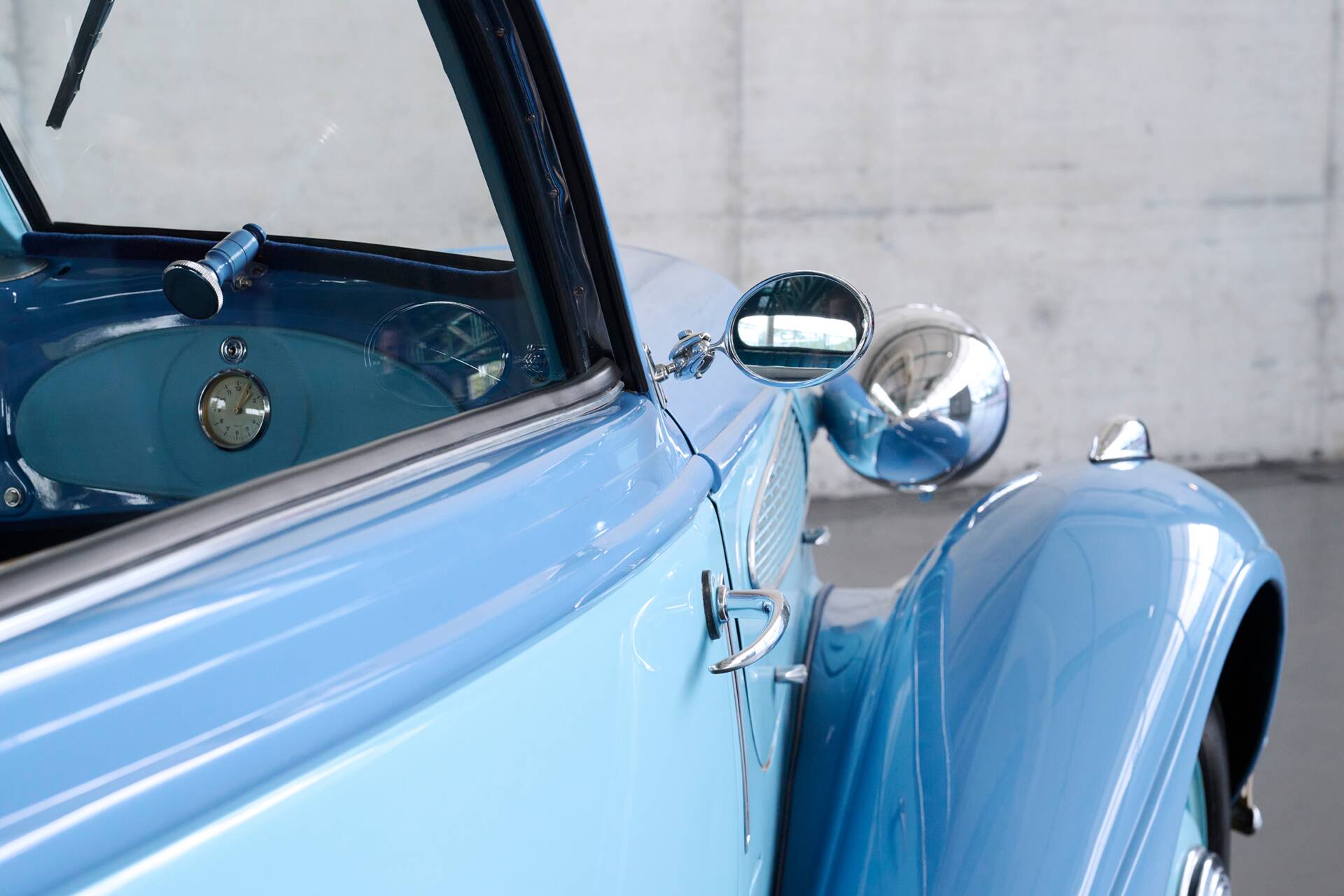
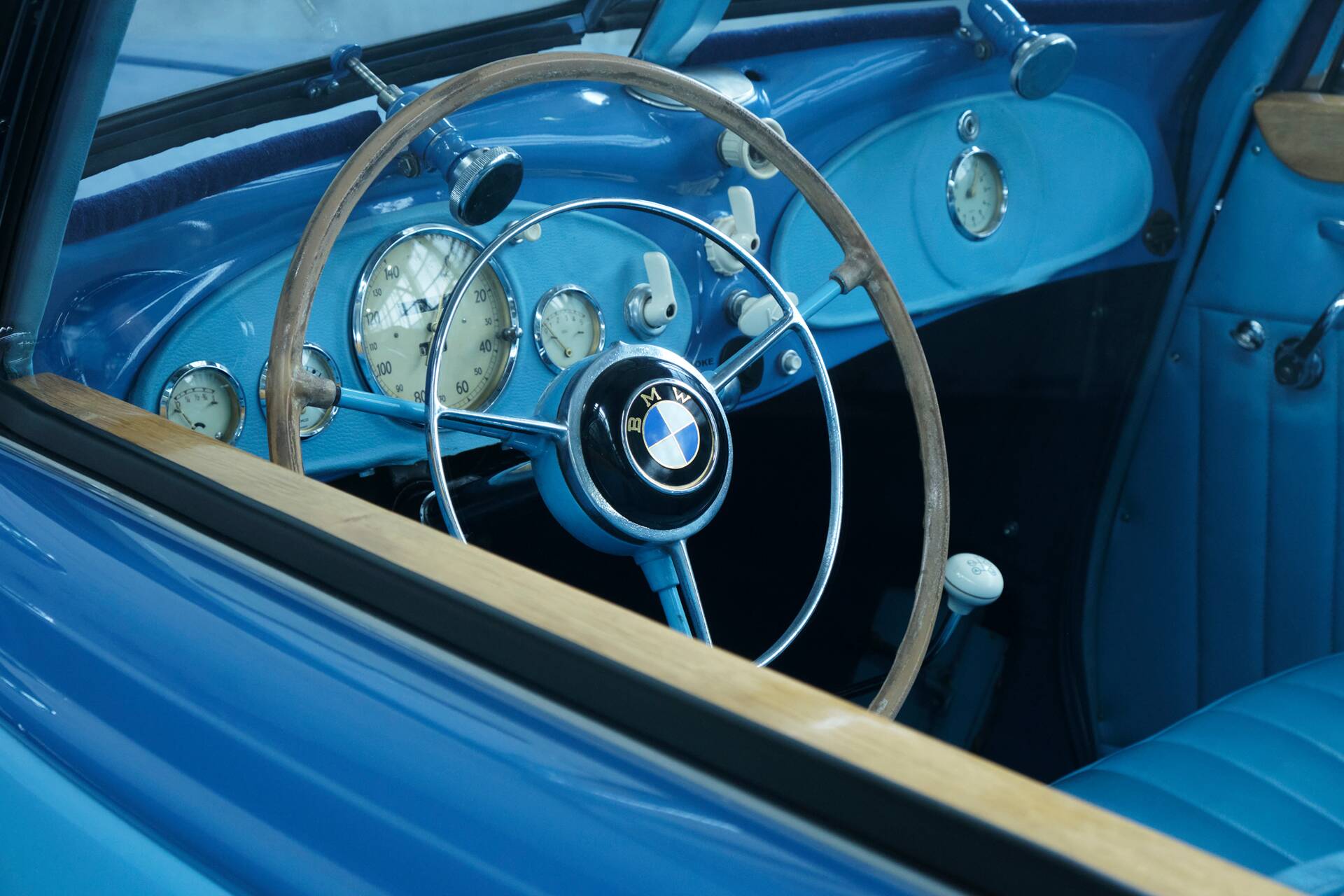
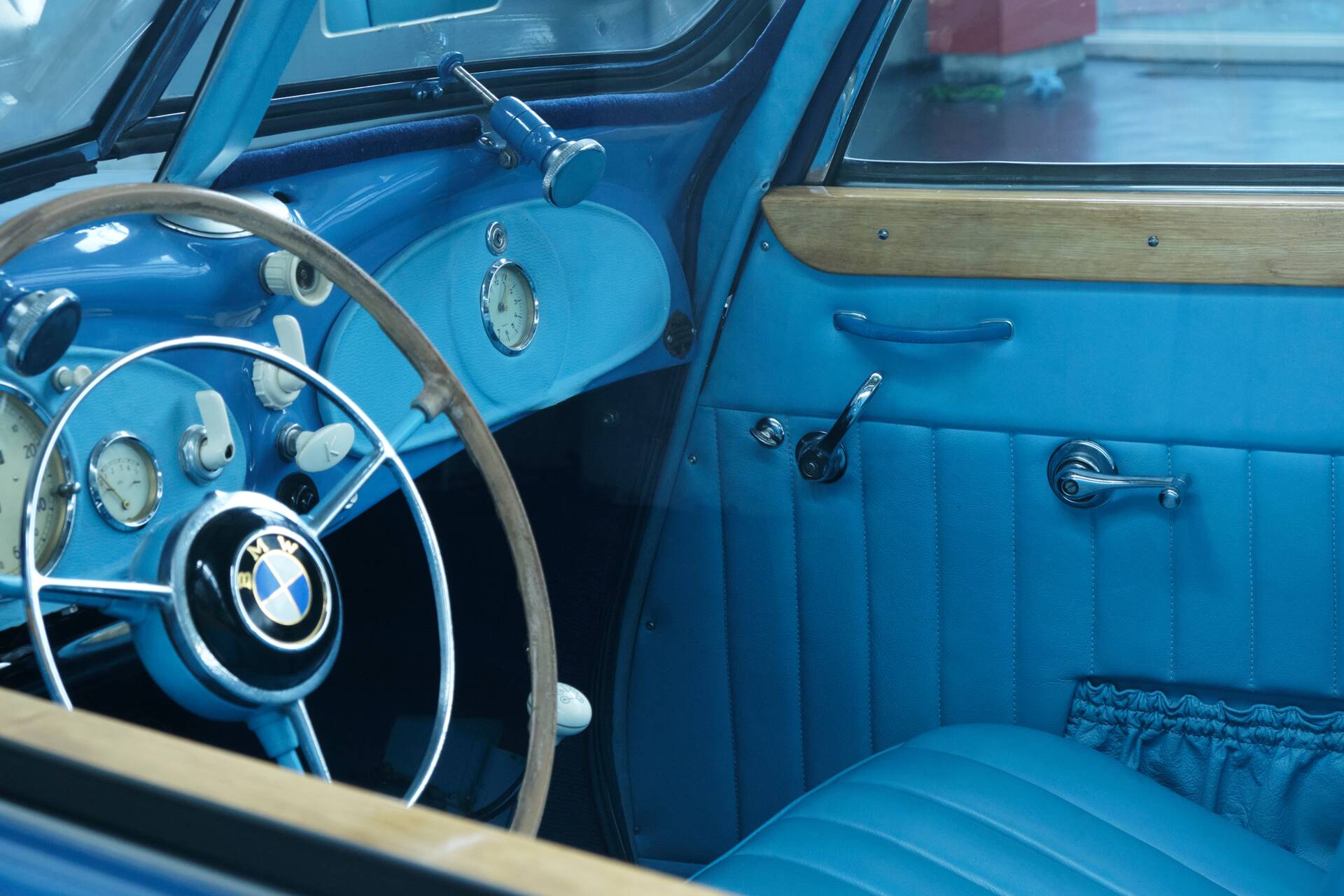
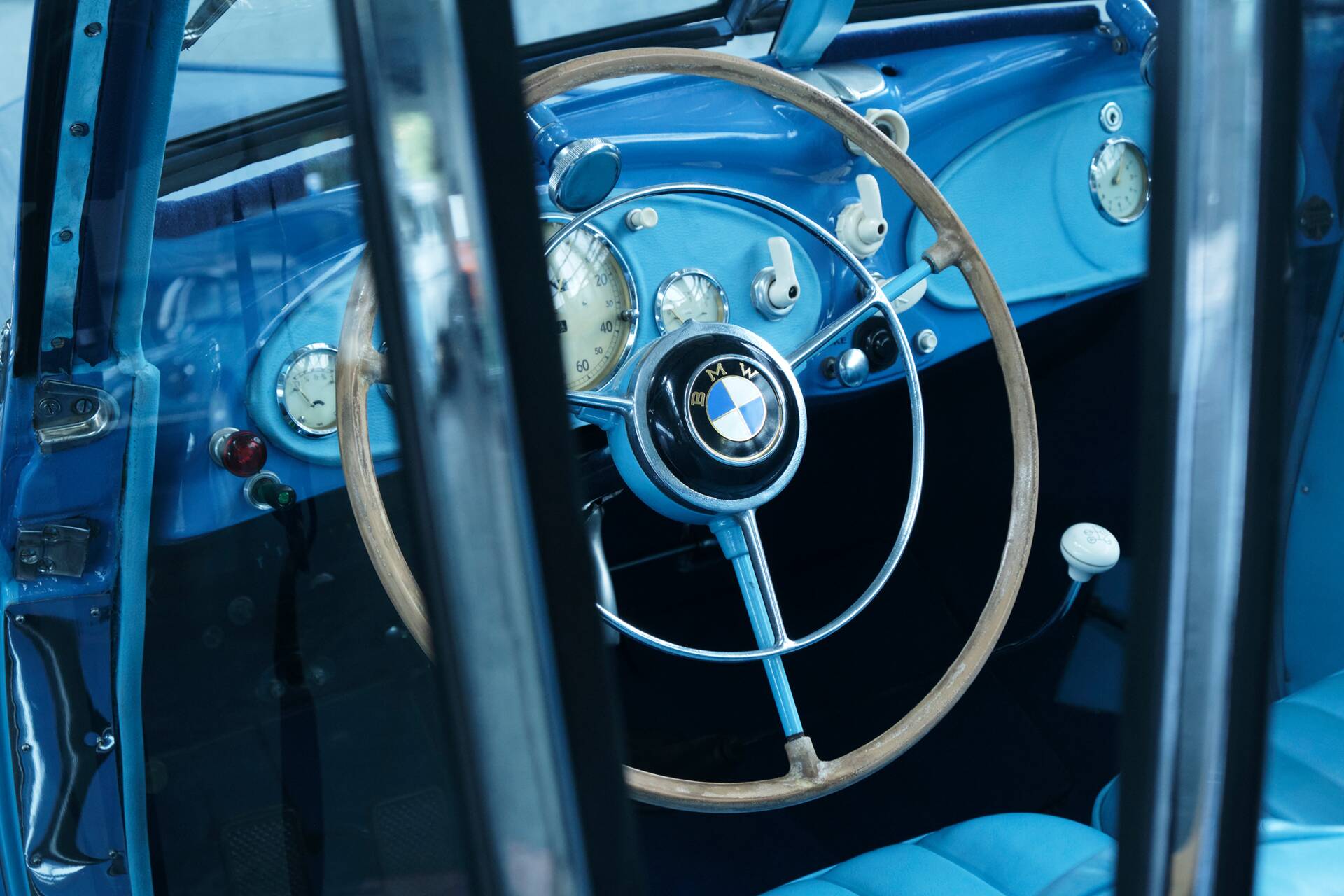
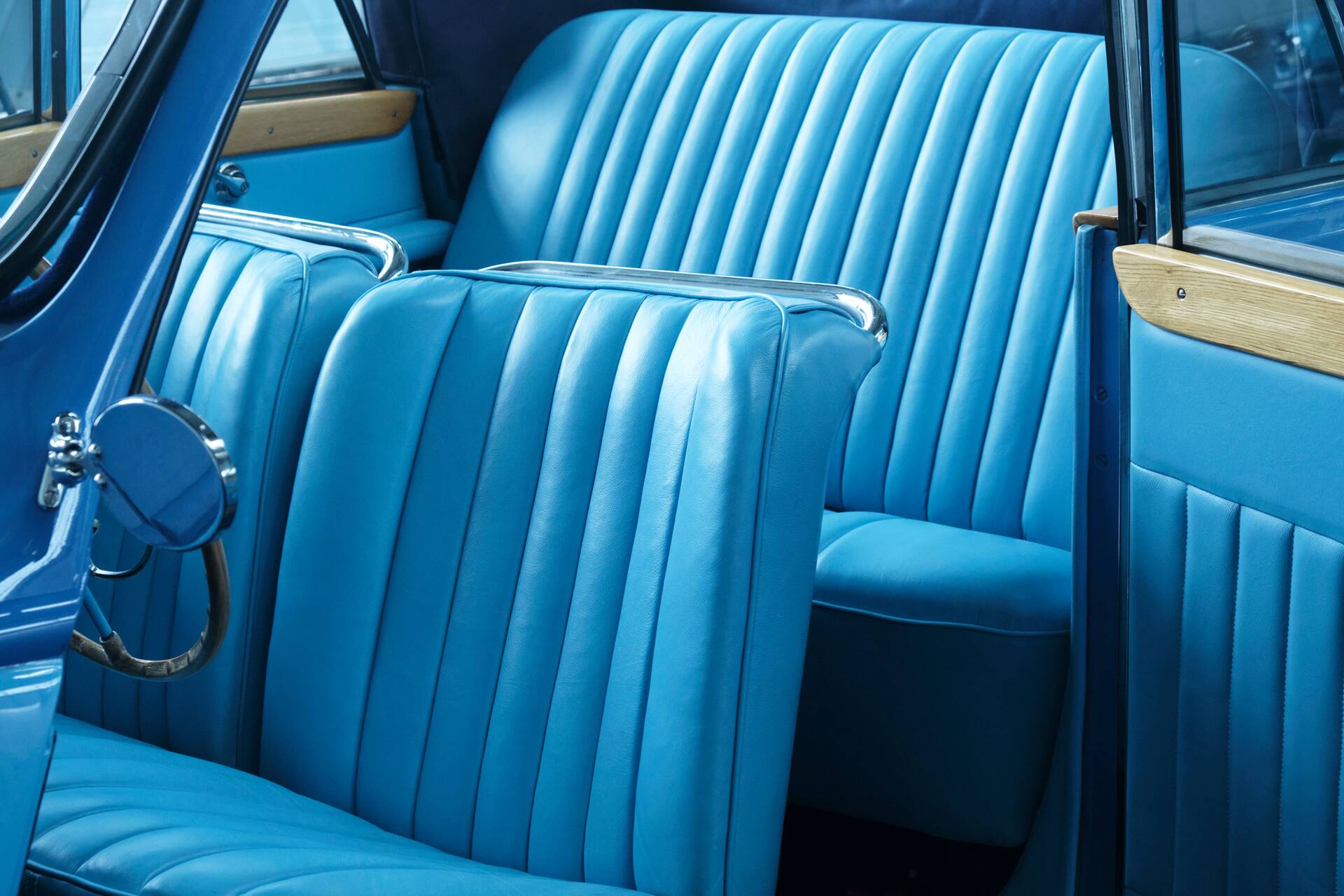
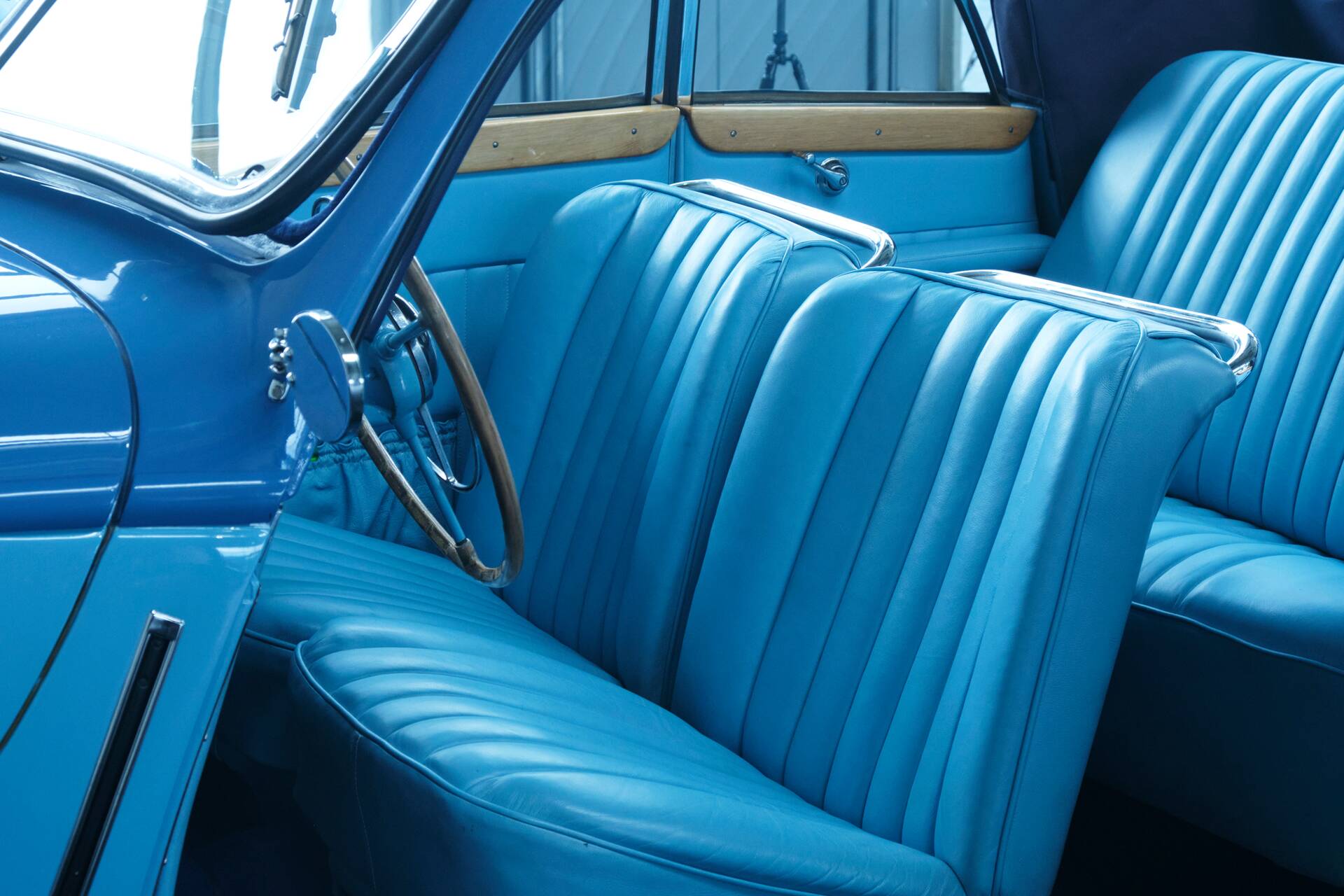
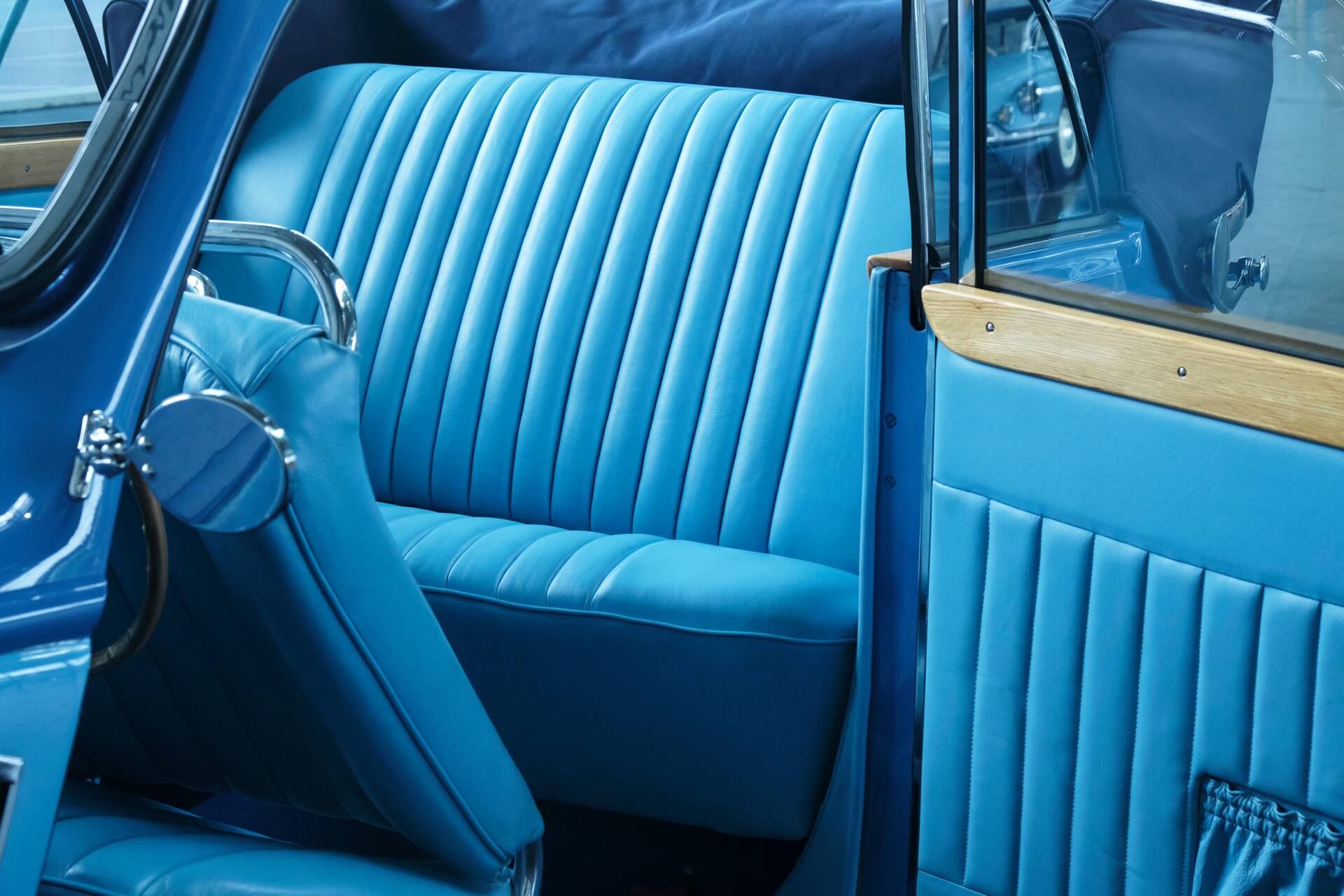
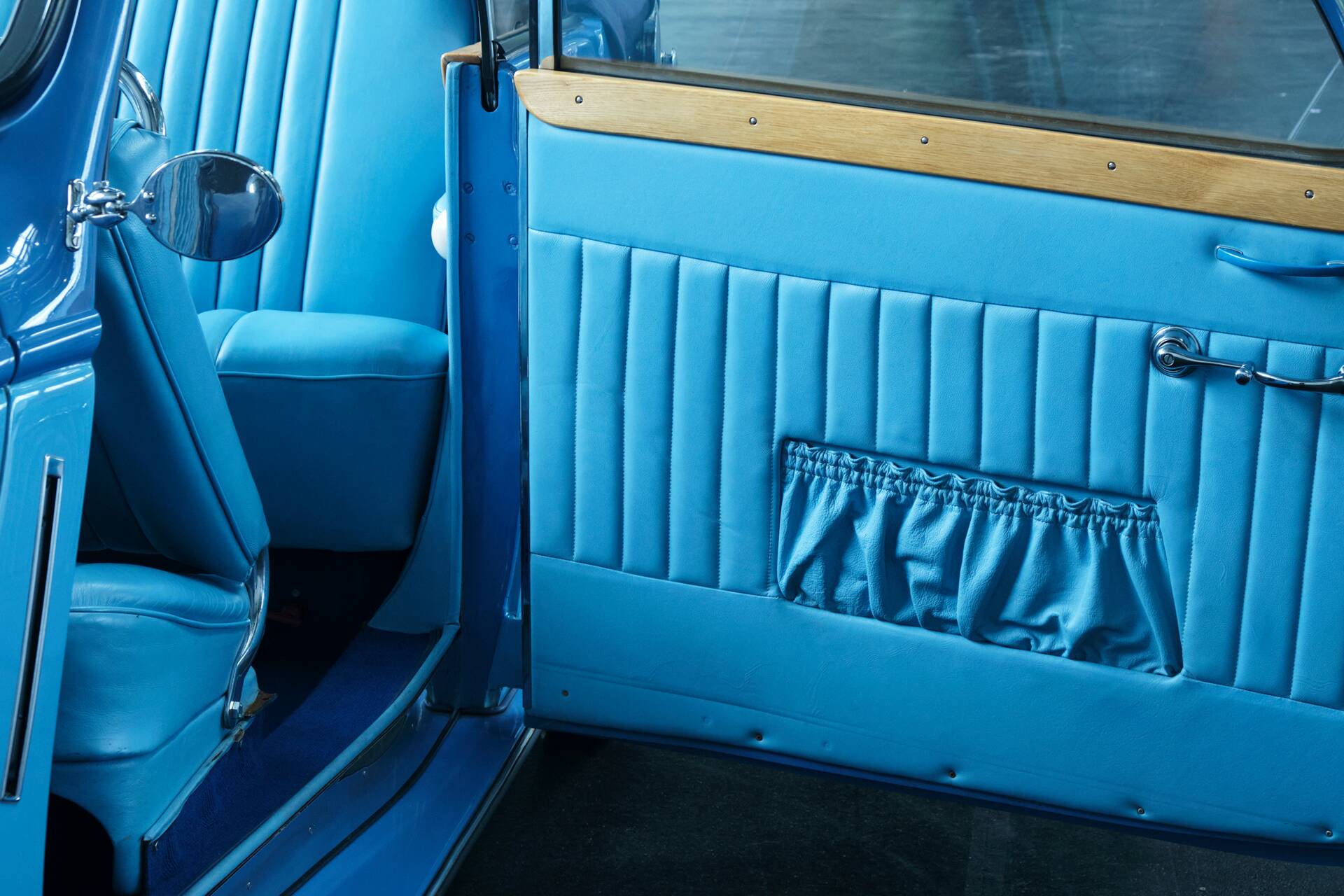
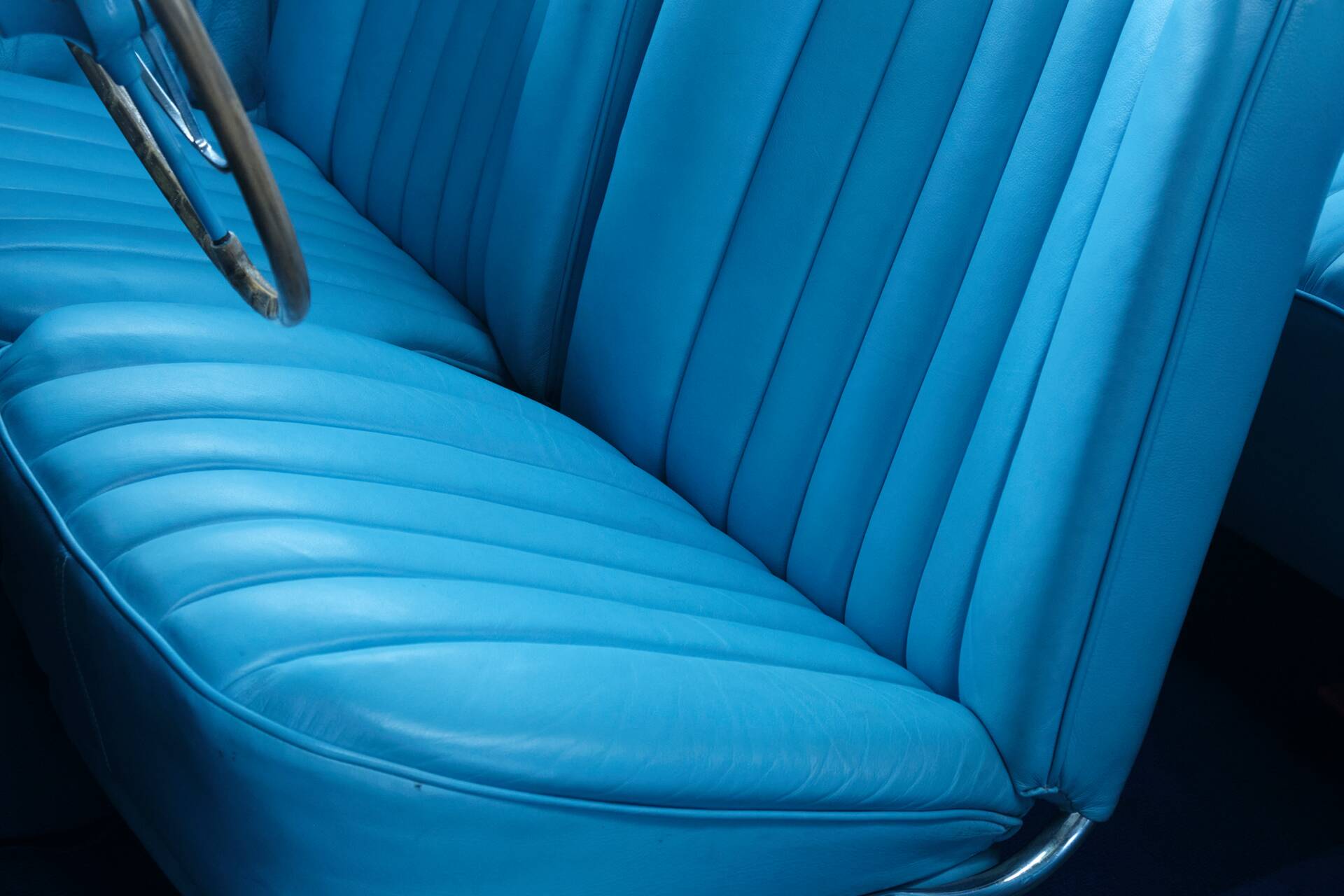
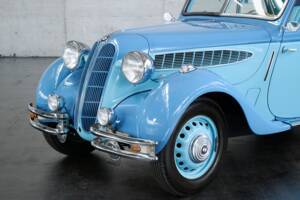
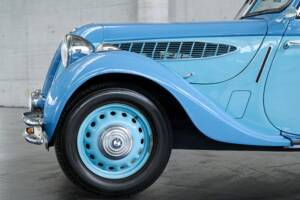
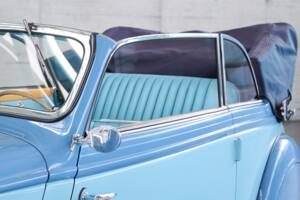
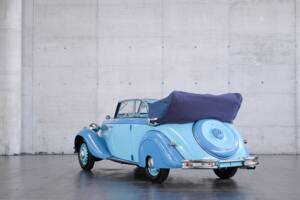
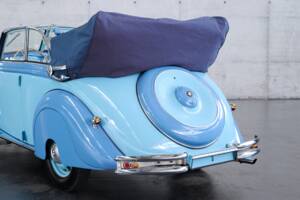
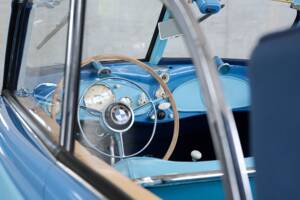
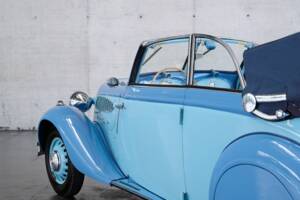
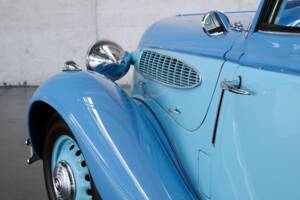
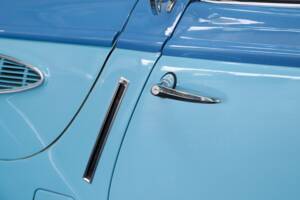
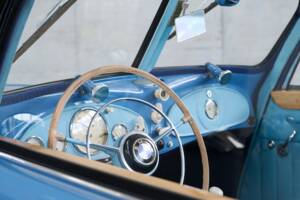
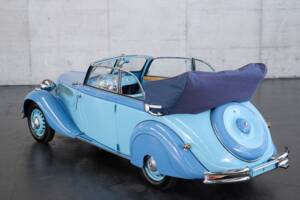
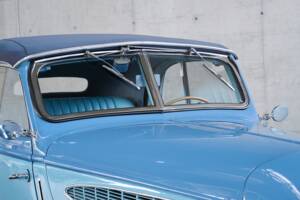
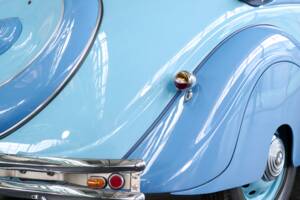
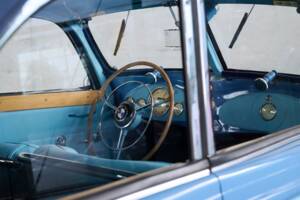
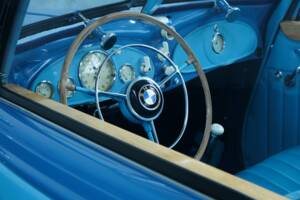
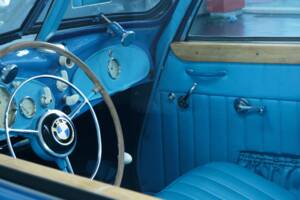
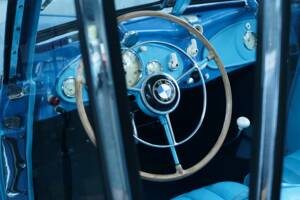
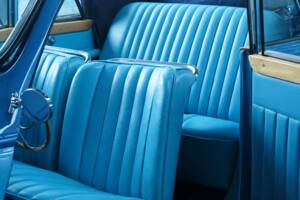
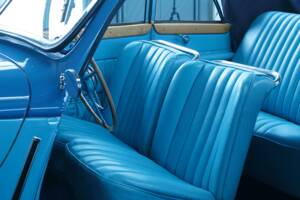
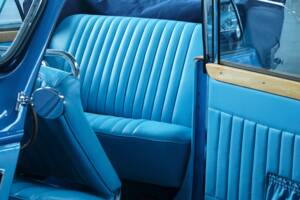
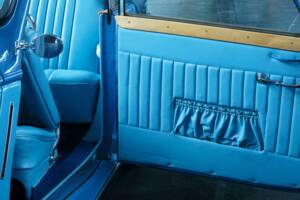
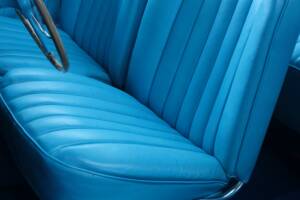
Clearly, considerable money was invested in returning someone’s dream car to its former glory. The owner had the BMW restored to his own specifications, choosing blue throughout: two-tone blue paintwork paired with a blue hood. The interior followed the same colour scheme, with blue leather and, naturally, blue carpeting. The restoration was completed in 2002.
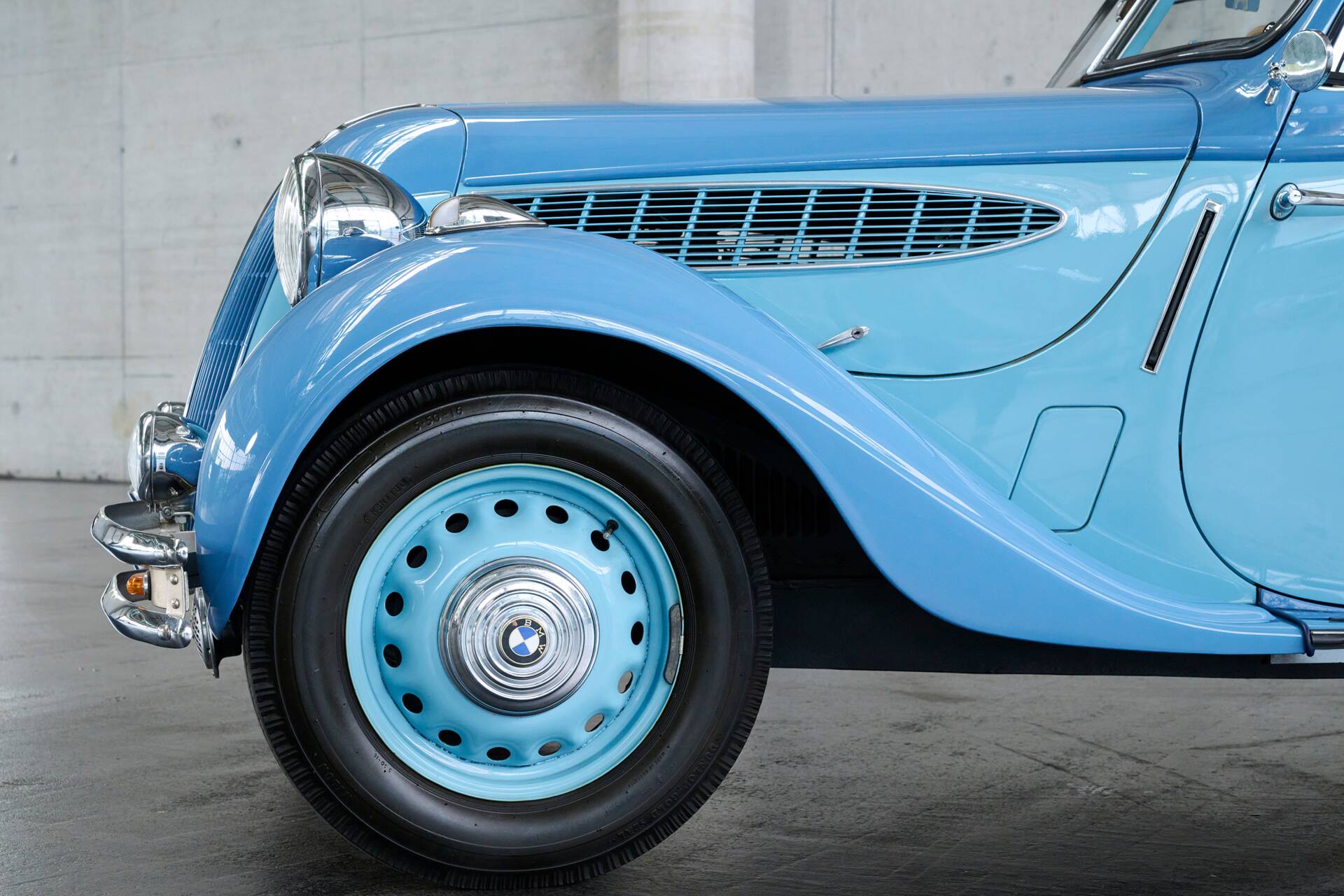
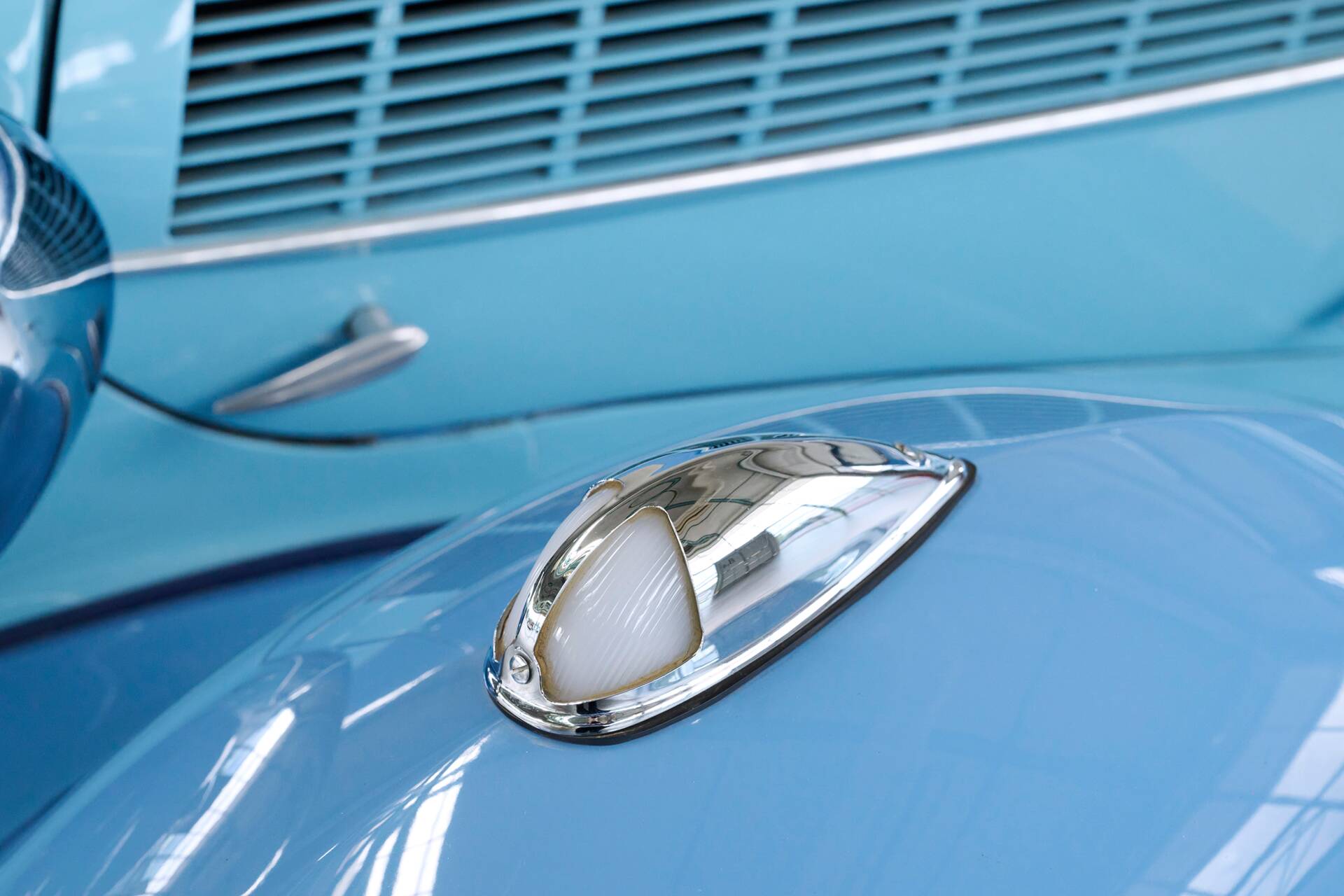
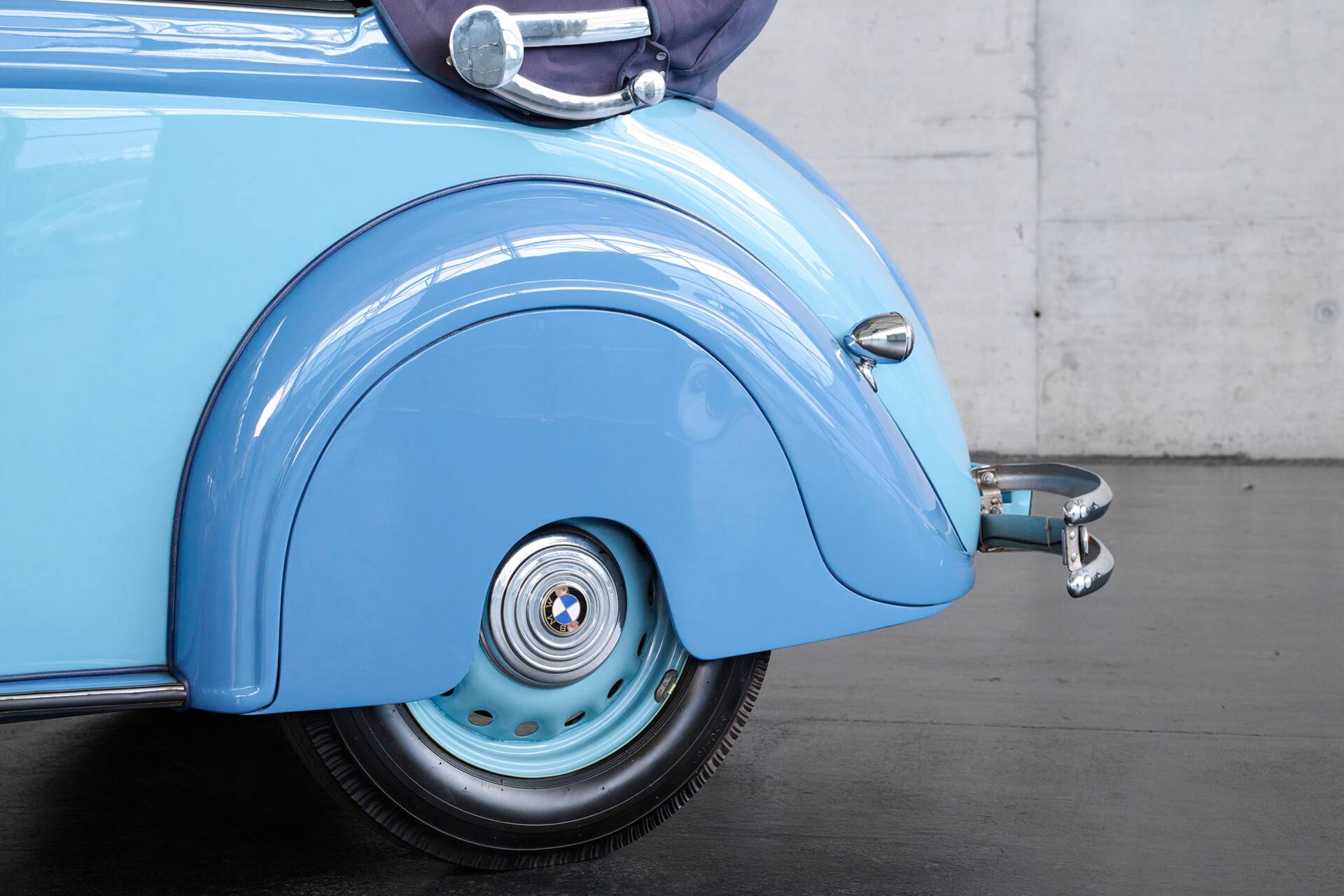
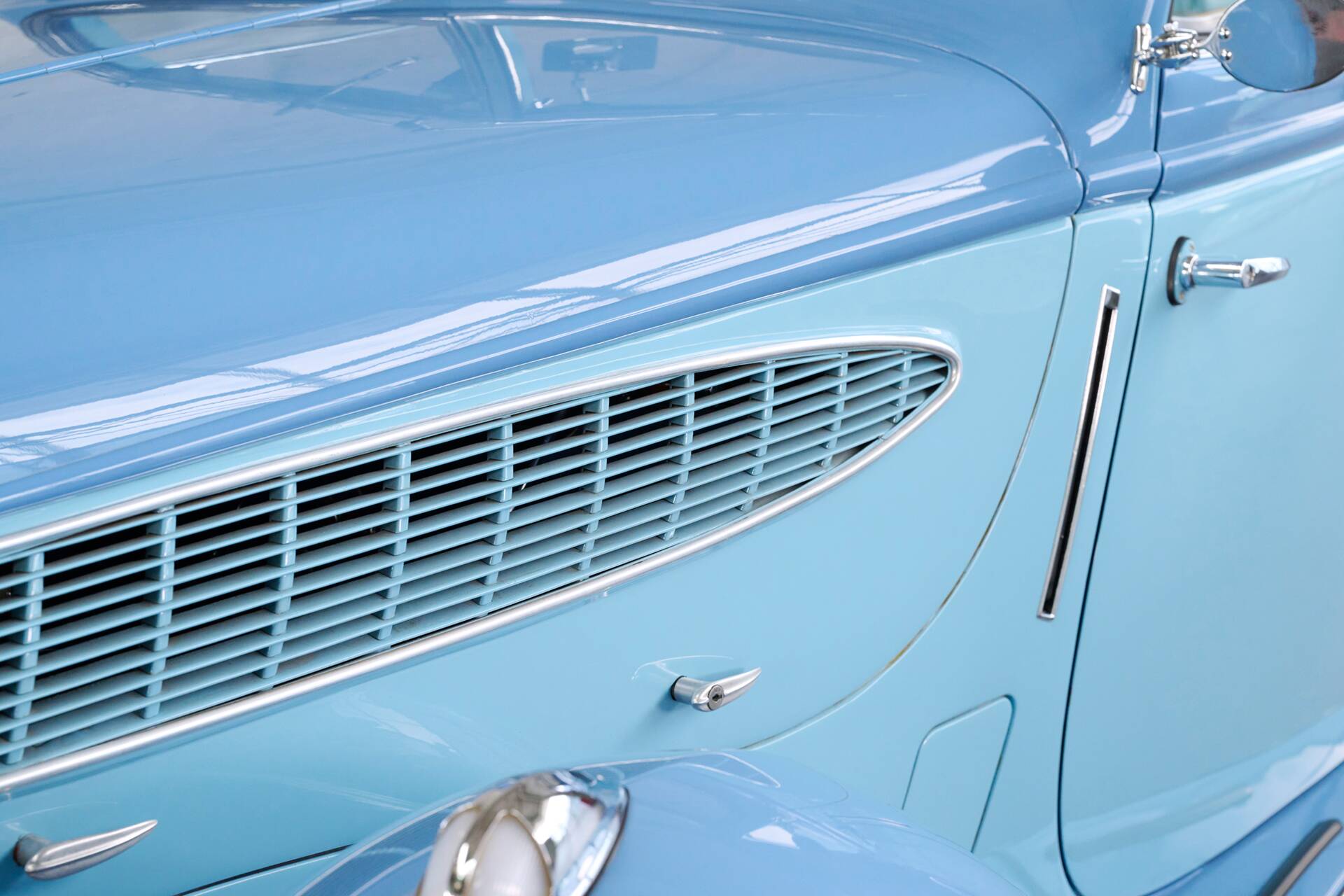
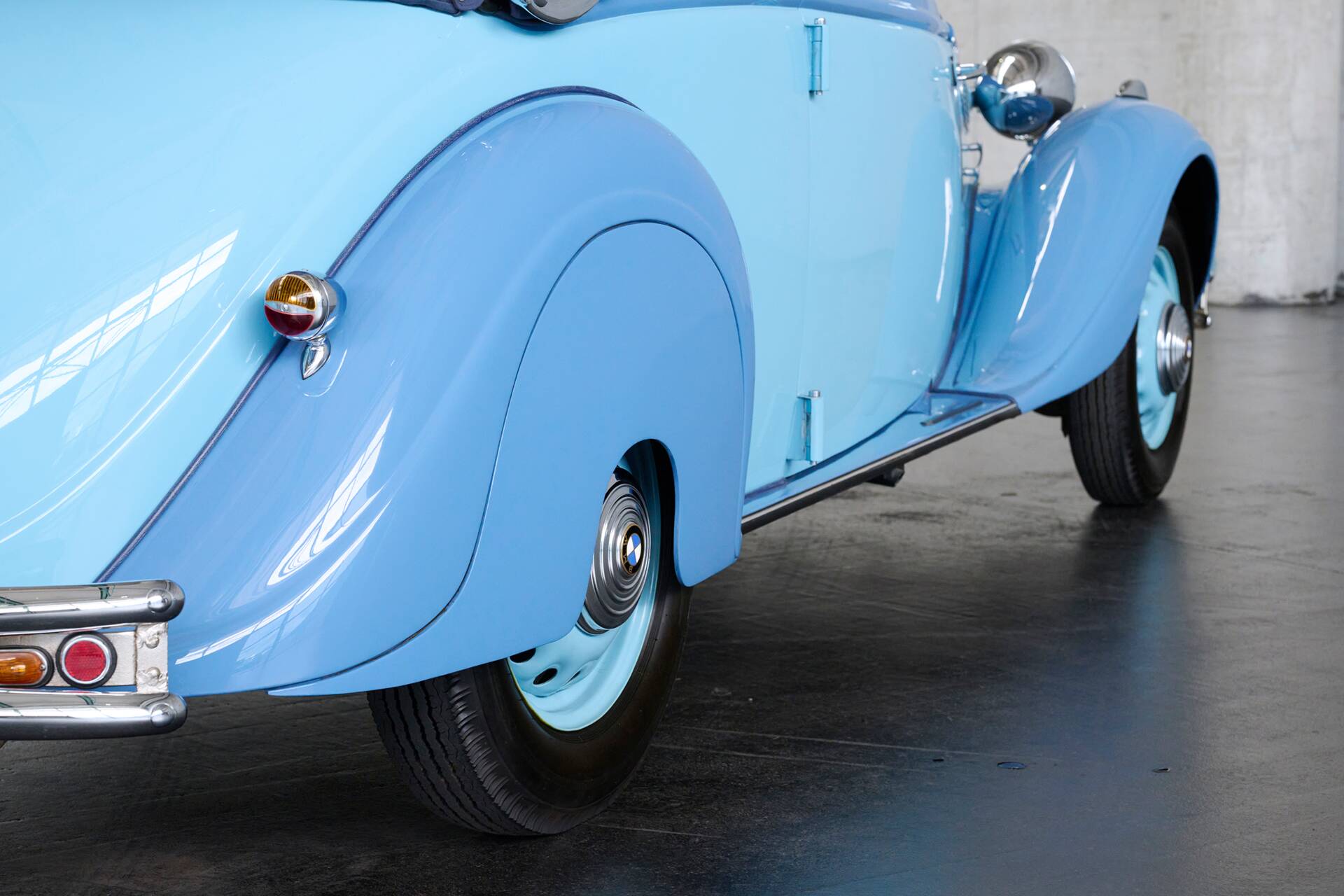
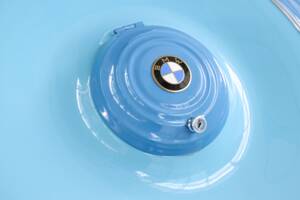
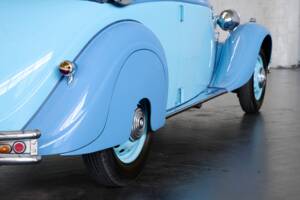
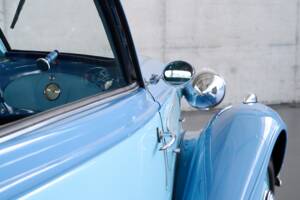
Its colour scheme attracts even more attention than a 326 Cabriolet would ordinarily command. A distinctive feature of this example is its wheel spats in the style of the BMW 327, presumably an optional extra offered by the coachbuilder at the time. Combined with the attractive perforated disc wheels, they give the car a particularly imposing appearance.
In April 2003, this 326 appeared on the cover of the DAVC club magazine. Participation in various events began that same year. The car travelled to Bernkastel-Kues and took part in the Saar-Lor-Lux rally in the Saarland. At the Schwetzingen Concours d’Elegance, the BMW was presented by an all-female team, and an invitation to Baden-Baden was also gladly accepted.
In 2004, a well-known dealer was commissioned by the consignor to seek out exceptional BMW models, as he was then putting the finishing touches to his already extensive BMW collection. The restorer and the collector quickly reached an agreement. For the 326, however, this marked the end of its grand outings. From then on, it spent most of its time on display.
The colour combination clearly distinguishes this Autenrieth Cabriolet from other examples of the model. Its spats add a character all of their own and give the car a more substantial presence. A special motor car that has brought much enjoyment since its restoration.
Chassis: 78702
Motor / Engine: 91006
Papiere / Documents: Deutsche historische Zulassung (abgelaufen)
Schätzwert / Estimate: EUR 50.000 – 70.000 Ohne Limit / Without reserve
Ort / Location: CLASSIC EXPO Salzburg Messezentrum Salzburg Am Messezentrum 1 5020 Salzburg
Datum / Date: 17. Oktober 2026 11:00 bis 13:00 und ab 16:00
Besichtigung / Viewing: 16. und 17. Oktober 2026
Auction listing and bidding